The best road cycling routes around Chąśno
4.4
(7)
80
riders
13
rides
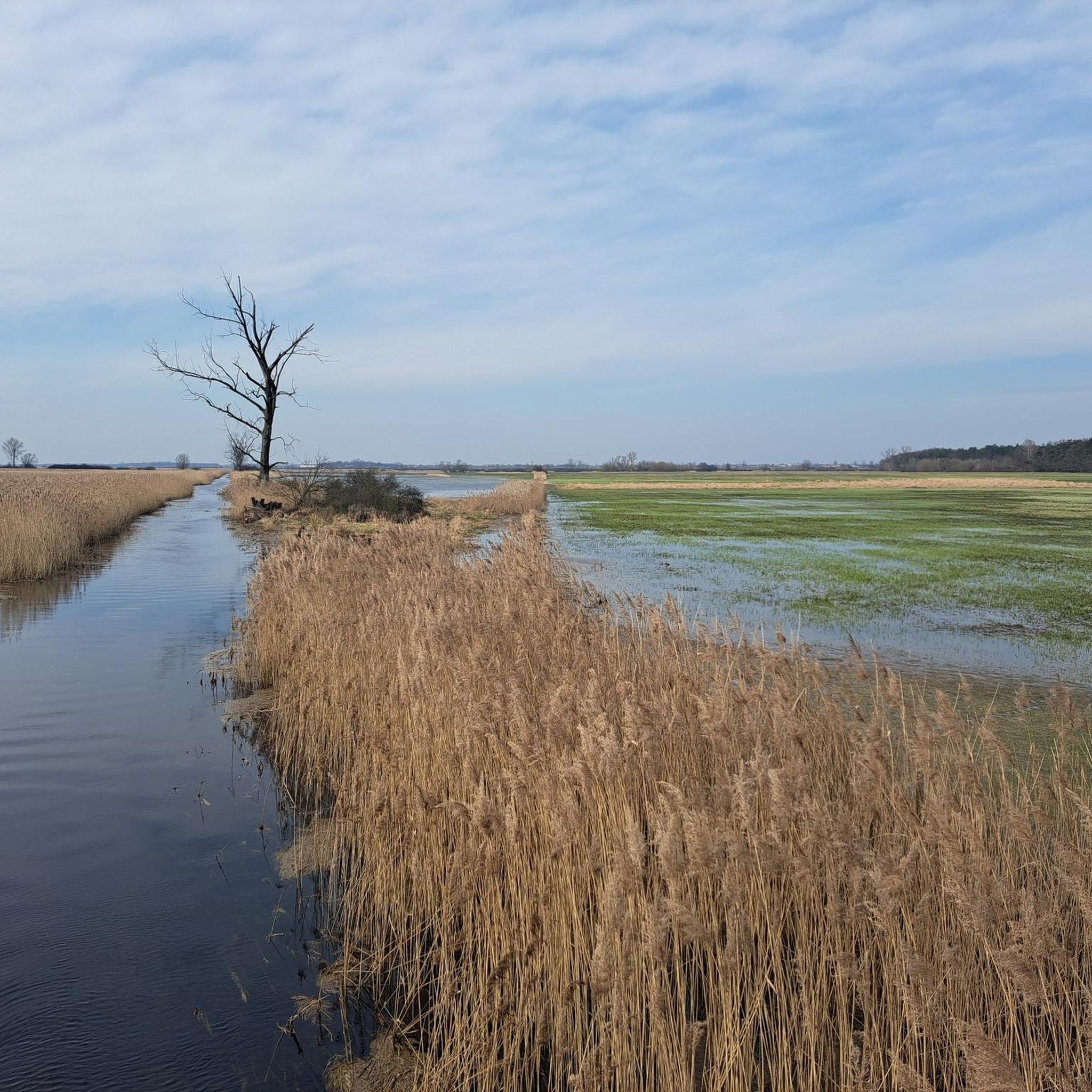
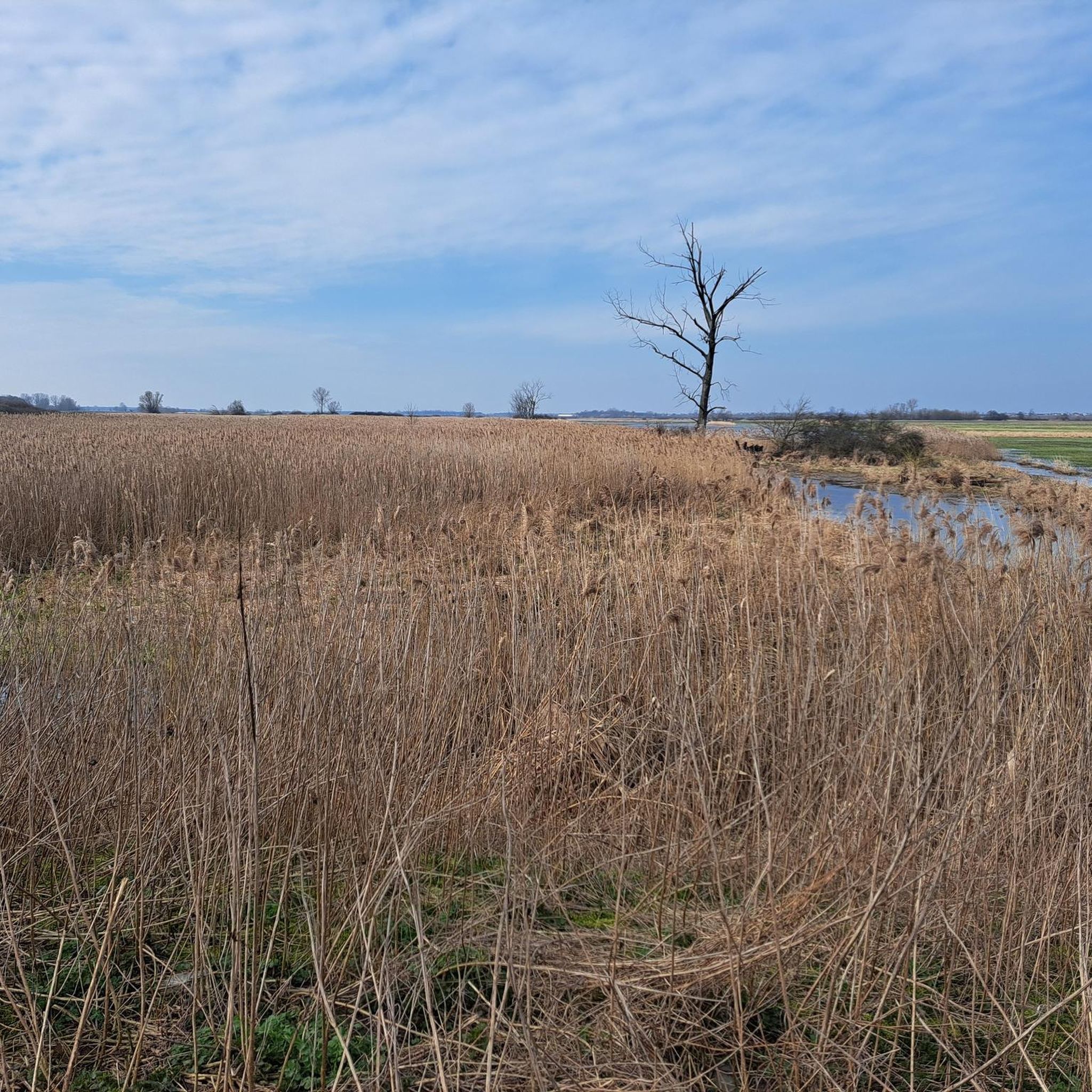
Road cycling around Chąśno, located in central Poland, offers routes through a predominantly flat to gently undulating landscape. The region is characterized by open agricultural fields, small villages, and scattered forest areas, providing quiet rural roads suitable for cycling. With an average elevation of 95 meters (312 feet) above sea level, the terrain is generally low-lying, making it accessible for various skill levels. These road conditions in rural Poland are ideal for cyclists seeking peaceful rides through scenic agricultural scenery.
…Last updated: July 4, 2026
5.0
(3)
13
riders
Easy road ride. Great for any fitness level. Mostly well-paved surfaces and easy to ride.
10
riders
23.0km
00:55
40m
40m
Easy road ride. Great for any fitness level. Mostly well-paved surfaces and easy to ride.

Sign up for free
5.0
(2)
11
riders
Moderate road ride. Great for any fitness level. Some segments of this route may be unpaved and difficult to ride.
5.0
(1)
8
riders
34.3km
01:25
70m
70m
Easy road ride. Great for any fitness level. Mostly well-paved surfaces and easy to ride.
7
riders
Easy road ride. Great for any fitness level. Mostly well-paved surfaces and easy to ride.
Get access to more routes and recommendations from other explorers.
Sign up for free
Already have an account?
Our route recommendations are based on thousands of hikes, rides, and runs completed by other people on komoot.
Start today with a free account
Your next adventure awaits.
Login or Signup
Popular around Chąśno
Tips from the Community

The perfect place to replenish calories for tired cyclists 💪
1
0

In 1991, the foundations were poured, and on June 10, 1992, the actual construction of the church began. On September 29, 1992, the cornerstone was laid by the First Bishop of the newly established Łowicz Diocese, Bishop Alojzy Orszulik. The walls of the new church quickly began to rise, and by the end of 1992, they were already 4.8 meters high. The foundations for the towers were also laid. Construction began again in the spring of the following year. Work on the roof was completed in 1994. At the same time, the construction of the church towers was completed. The new church was completed in its shell state in the spring of 1995. Further work was carried out as funds were raised. The turning point was the location of the place of celebration of the Holy Mass on the square next to the new church during the Holy Father's pilgrimage to his homeland in 1999. The next 2 years were spent equipping the interior of the church and preparing for its consecration. On September 22, 2001, 11 years after the parish was established, the church was consecrated by Alojzy Orszulik, Bishop of Łowicz. The church was built in the style of an old Romanesque basilica. Two towers, symmetrically incorporated into the front of the church, constitute the dignity of the entire building. Inside, the high main nave ends with a spacious presbytery, which was designed and built by a team led by the visual artist Jerzy Machaj from Warsaw. On its central wall is placed the Crucified Christ, and below Him two figures: Our Lady of Sorrows and the beloved disciple John.
0
0

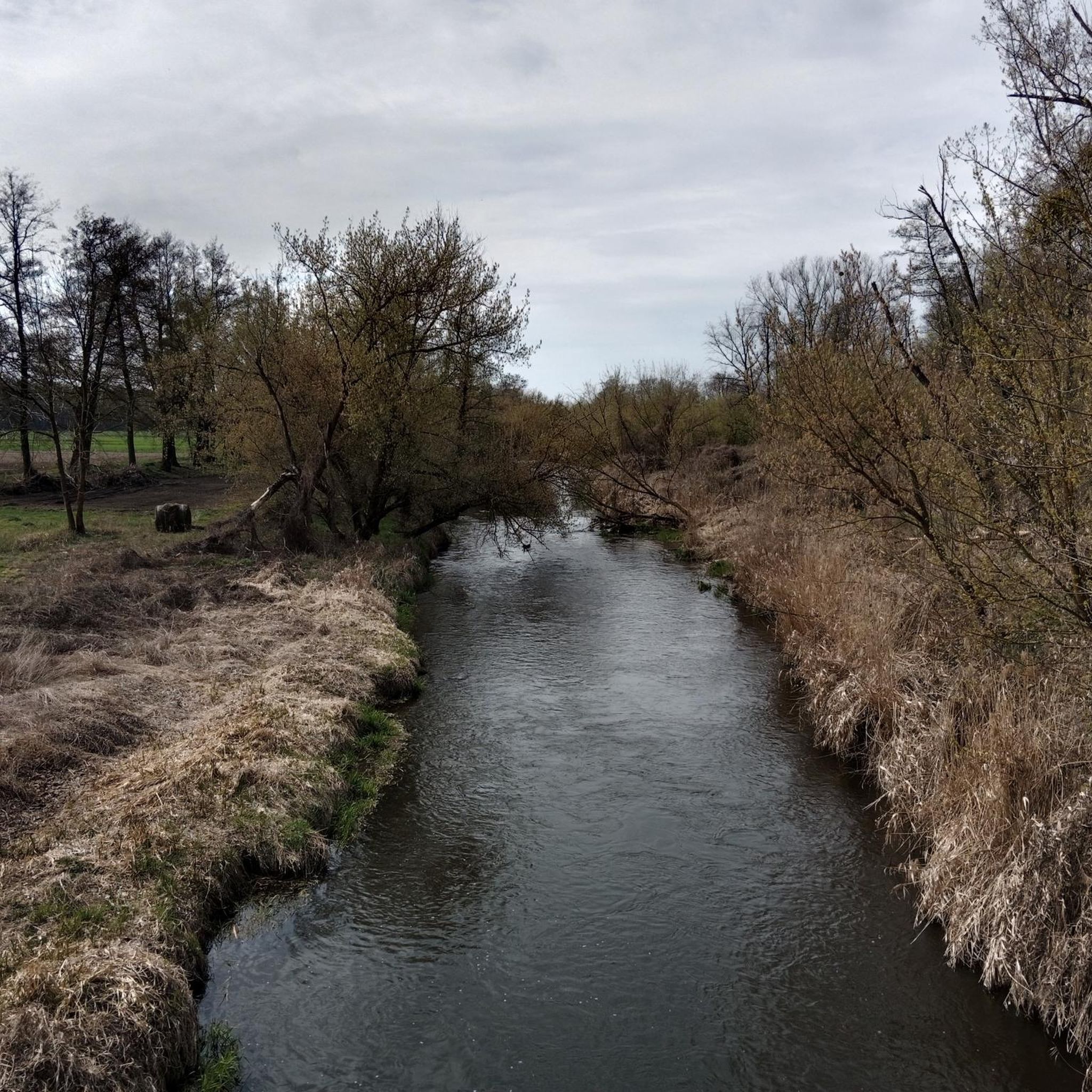
I wish there were more paths like this
0
0
The construction of the temple began on June 10, 1992, according to the design of architects Feliks Dzierżanowski and Marian Koral from Warsaw. On September 29, 1992, the Bishop of Łowicz, Alojzy Orszulik, laid the cornerstone, brought from the Holy Land by Father Zbigniew Bigda, the then vicar. In 1994, construction, carpentry and sheet metal work began. Work on the church towers was carried out in 1995, and finishing work continued in the following years. The visit of Pope St. John Paul II to Łowicz and the celebration of mass on the Błonia meadows next to the temple on June 14, 1999 mobilized the work to carry out further work, build a fence around the temple, finish the presbytery and side altars. https://pl.wikipedia.org/wiki/Ko%C5%9Bci%C3%B3%C5%82_Chrystusa_Dobrego_Pasterza_w_%C5%81owiczu http://dobrypasterz-lowicz.pl/15-2/
1
0
It smells a bit like the PRL to me
0
1
The monument to Wincenty Witos - the peasant leader of the Polish people's movement, founder and president of PSL "Piast", and three-time Prime Minister of Poland was erected in Łowicz in 2020, but the ceremonial unveiling took place only, due to the pandemic, in 2021.
0
0
The historical mural was created on the initiative of the Historical Association of the 10th Infantry Regiment in Łowicz in the Kostka housing estate in Łowicz. The painting commemorates three figures associated with the regiment and Łowicz sports. They are: - boxing enthusiast and physical education teacher, platoon leader Zdzisław "Lelon" Lelonkiewicz; - former Cracovia footballer, referee and PZPN activist, colonel Franciszek Jachieć; - captain Andrzej Drozd, participant of the Polish-Bolshevik war, prisoner of war in the Starobielsk camp, who was murdered in Kharkiv.
0
0
In 1991, the foundations were poured, and on June 10, 1992, the actual construction of the church began. On September 29, 1992, the cornerstone was laid by the First Bishop of the newly established Łowicz Diocese, Bishop Alojzy Orszulik. The walls of the new church quickly began to rise, and by the end of 1992, they were already 4.8 meters high. The foundations for the towers were also laid. Construction began again in the spring of the following year. Work on the roof was completed in 1994. At the same time, the construction of the church towers was completed. The new church was completed in its shell state in the spring of 1995. Further work was carried out as funds were raised. The turning point was the location of the place of celebration of the Holy Mass on the square next to the new church during the Holy Father's pilgrimage to his homeland in 1999. The next 2 years were spent equipping the interior of the church and preparing for its consecration. On September 22, 2001, 11 years after the parish was established, the church was consecrated by Alojzy Orszulik, Bishop of Łowicz. The church was built in the style of an old Romanesque basilica. Two towers, symmetrically incorporated into the front of the church, constitute the dignity of the entire building. Inside, the high main nave ends with a spacious presbytery, which was designed and built by a team led by the visual artist Jerzy Machaj from Warsaw. On its central wall is placed the Crucified Christ, and below Him two figures: Our Lady of Sorrows and the beloved disciple John.
0
0
Frequently Asked Questions
What is the general terrain like for road cycling around Chąśno?
The region around Chąśno, located in central Poland, features a predominantly flat to gently undulating landscape. The average elevation is about 95 meters (312 feet) above sea level, making it accessible for various skill levels and ideal for leisurely rides through agricultural fields, small villages, and scattered forest areas.
How many road cycling routes are available in the Chąśno area?
There are over 10 road cycling routes available around Chąśno. These include 8 easy routes, 3 moderate routes, and 1 difficult route, offering options for different ability levels.
Are there any family-friendly road cycling routes near Chąśno?
Yes, the Chąśno area is well-suited for family-friendly road cycling. Many routes, such as the Old House – Biały Most loop from Zielkowice, are classified as easy and traverse flat agricultural landscapes, providing a peaceful and safe environment for cyclists of all ages.
What kind of natural features or scenic viewpoints can I expect to see on a road cycling trip around Chąśno?
Road cycling around Chąśno offers views of open agricultural fields, quiet rural roads, and interspersed forest areas. While dramatic mountain passes are absent, the tranquil scenery of central Poland's agricultural heartland provides a pleasant and relaxing cycling experience.
Are there any historical sites or landmarks to visit along the road cycling routes?
While cycling, you can explore the cultural heritage of the wider Łowicz region. Notable attractions include the Romantic Garden in Arkadia, the Old Market Square in Łowicz, and the Cathedral Basilica of the Assumption of the Blessed Virgin Mary and St. Nicholas in Łowicz. Some routes, like the Old Church – Nieborów Palace and Park loop from Małszyce, can lead you close to such points of interest.
When is the best time of year to go road cycling in Chąśno?
The best time for road cycling in central Poland, including Chąśno, is typically during the spring (April to June) and autumn (September to October) months. During these periods, the weather is generally mild and pleasant, with less extreme heat than summer and fewer cold temperatures than winter, making for comfortable riding conditions.
What do other road cyclists say about the routes in Chąśno?
The road cycling routes in Chąśno are highly rated by the komoot community, with an average score of 4.0 stars from over 3 reviews. Cyclists often praise the peaceful rural roads and the scenic agricultural landscapes that define the area.
Are there any long-distance road cycling options near Chąśno?
While Chąśno itself offers routes up to approximately 35 km, its location within the broader Łowicz County and Łódź Voivodeship means you can combine routes or explore the wider region for longer rides. The flat terrain is conducive to extending your cycling adventures across the rural Polish landscape.
Can I find places to eat or drink along the road cycling routes?
As Chąśno is a rural gmina, dedicated cafes directly on the routes might be limited. However, the nearby town of Łowicz, approximately 12 km south, offers more options for cafes, pubs, and restaurants. Some routes, like the Old Church – Old House loop from Łowicz Główny, start from Łowicz, providing access to amenities before or after your ride.
Is public transport available for cyclists in the Łódź Voivodeship, which includes Chąśno?
Public transport options for cyclists in rural areas like Chąśno can be limited. While some regional trains in the Łódź Voivodeship may allow bicycles, it's advisable to check specific train or bus operator policies and schedules in advance, especially if you plan to combine cycling with public transport.
Where can I park my car to start a road cycling route in the Chąśno area?
Many routes originate from nearby towns or villages such as Zielkowice or Łowicz Główny. You can typically find parking in these locations, often near train stations or public areas, to begin your road cycling adventure. For example, the Old House – Biały Most loop starts from Zielkowice.
Are there any circular road cycling routes available?
Yes, many of the road cycling routes around Chąśno are designed as loops, allowing you to start and finish at the same point. Examples include the Old House – Biały Most loop from Zielkowice and the Gothic-style church – Old Church loop from Łowicz Główny.
Most popular routes around Chąśno
Most popular attractions around Chąśno

Get inspired with the komoot mobile app


Explore more
Browse the best Road cycling routes in other regions.
