The best walks and hikes around Nieborów
4.6
(100)
747
hikers
12
hikes
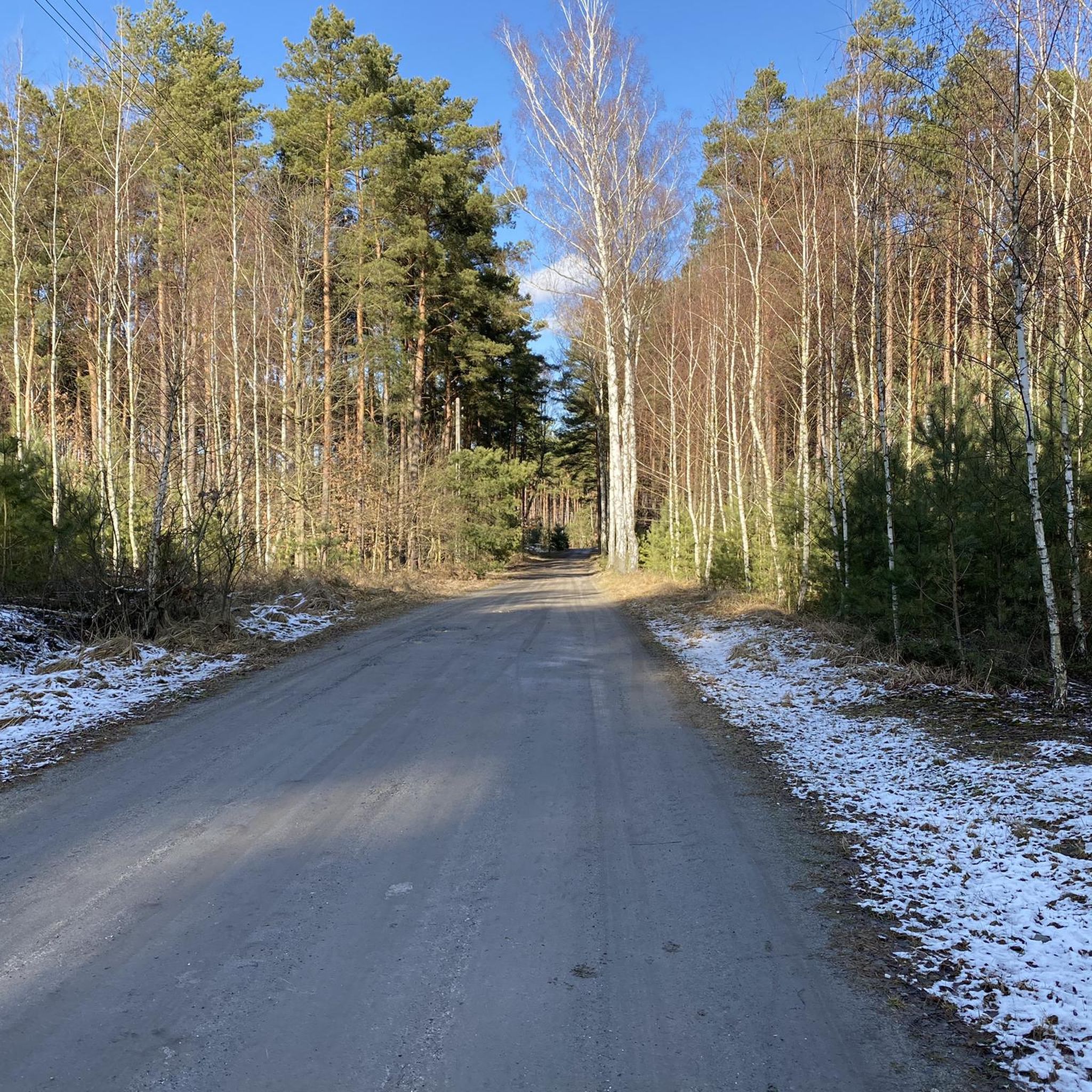
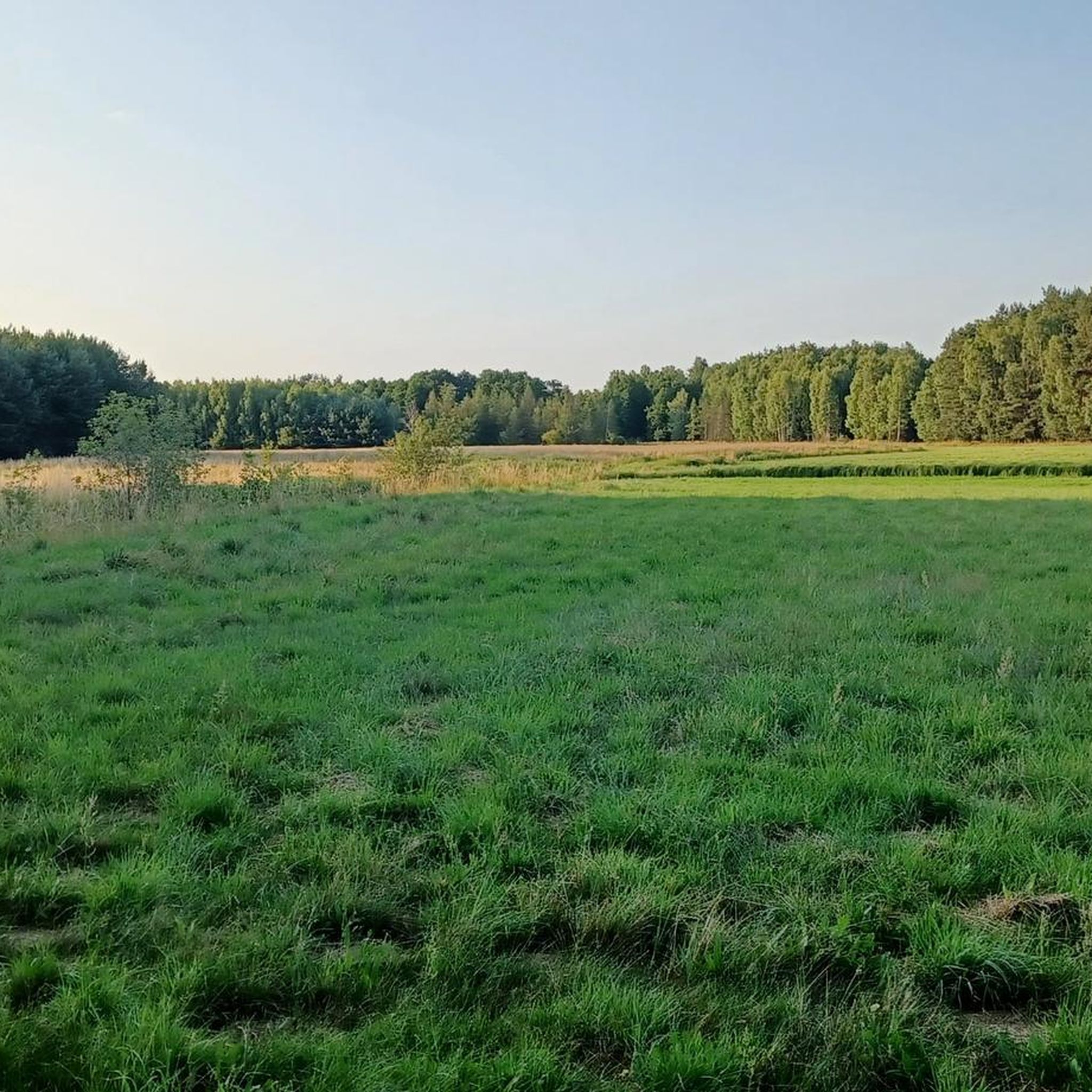
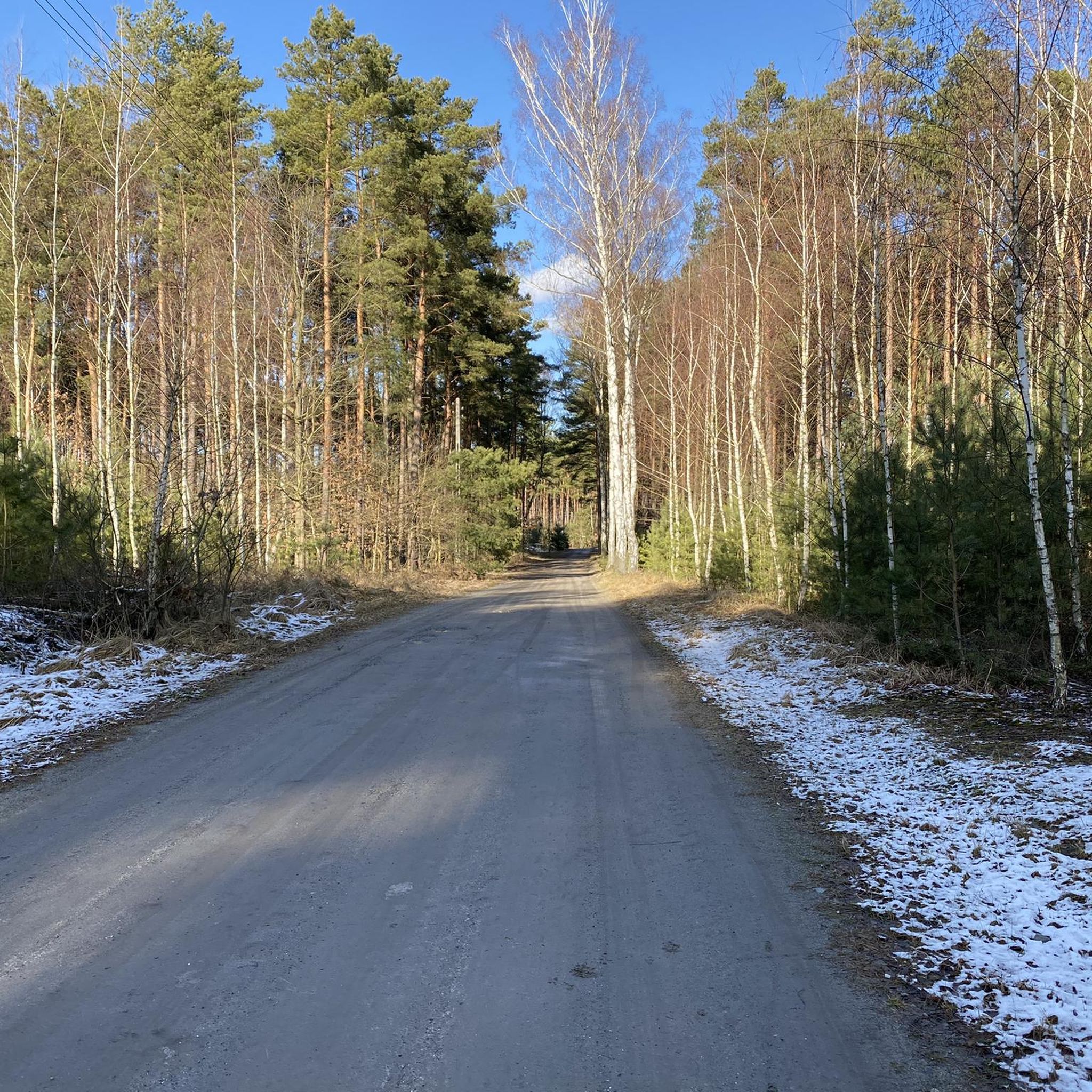
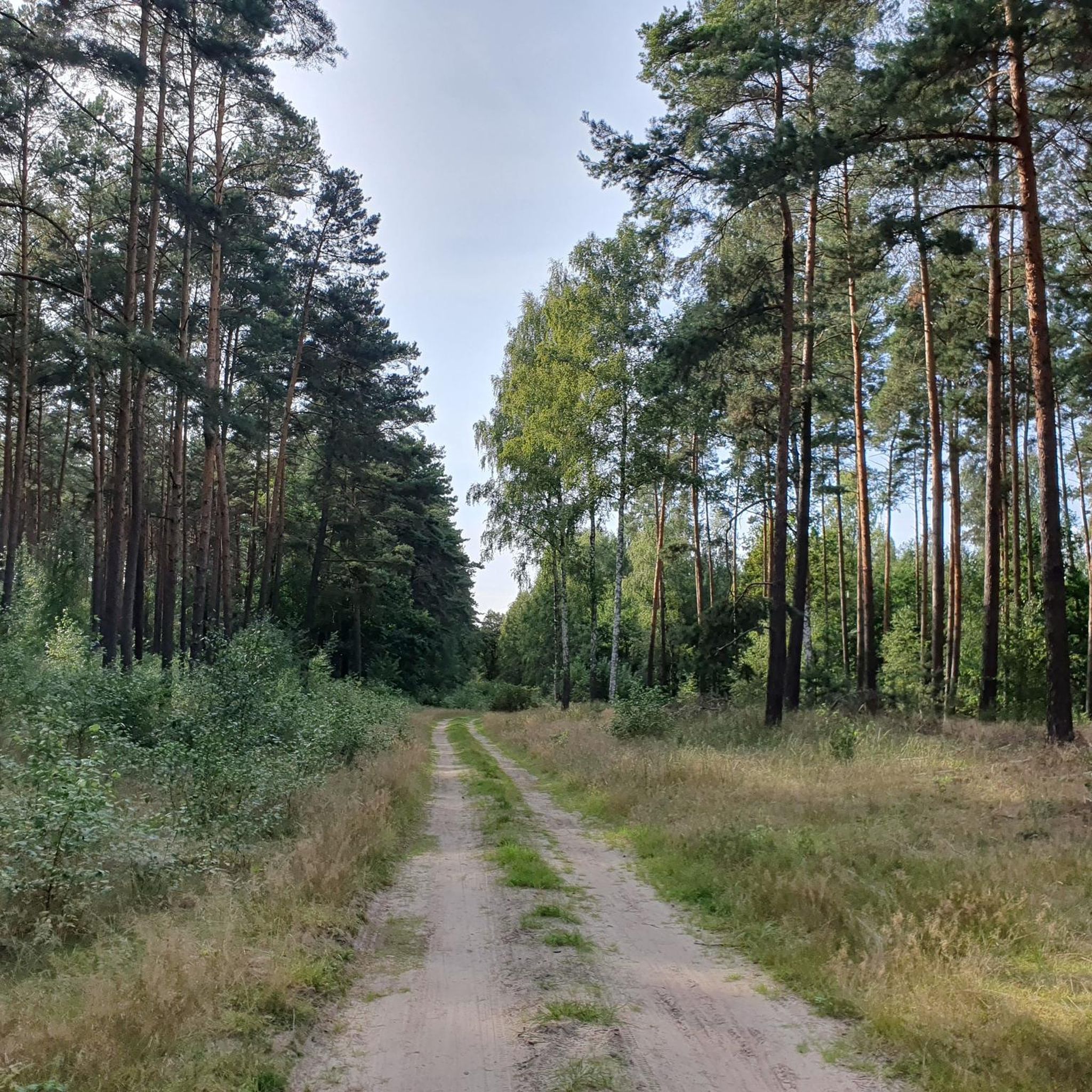
Hiking around Nieborów offers a network of trails primarily characterized by gentle terrain and minimal elevation changes. The region features historic parklands, nature reserves, and forested areas, providing accessible paths for various activity levels. These routes often traverse flat landscapes, making them suitable for leisurely walks and family outings.
Best hiking trails around Nieborów
- The most popular hiking route is Radziwill Palace in Nieborow – Nieborów Palace and Park loop from gmina Nieborów, a 2.4 miles (3.8 km) trail that takes about 1 hour to complete, exploring the historic palace grounds and surrounding park.
- Another top favourite among local hikers is Polana Siwica Nature Reserve – Siwica Glade Nature Reserve loop from Rezerwat Polana Siwica, an easy 4.2 miles (6.8 km) path through a protected natural area.
- Local hikers also love the Buffin's Cafe in Nieborów – Radziwill Palace in Nieborow loop from gmina Nieborów, a 3.6 miles (5.8 km) trail leading through parkland and local scenery, often completed in about 1 hour 30 minutes.
- Hiking around Nieborów is defined by historic parklands, nature reserves, and gentle forested paths. The network offers options for different ability levels, with a focus on easy hikes near Nieborów.
- The routes in Nieborów are highly rated by the komoot community with an average score of 4.7 stars from more than 70 reviews. More than 500 hikers have used komoot to explore Nieborów's varied terrain.
Last updated: July 4, 2026
31
hikers
Easy hike. Great for any fitness level. Easily-accessible paths. Suitable for all skill levels.
4.8
(4)
11
hikers
Easy hike. Great for any fitness level. Easily-accessible paths. Suitable for all skill levels.

Sign up for free
5.0
(1)
13
hikers
Easy hike. Great for any fitness level. Easily-accessible paths. Suitable for all skill levels.
5
hikers
Easy hike. Great for any fitness level. Easily-accessible paths. Suitable for all skill levels.
5
hikers
Easy hike. Great for any fitness level. Easily-accessible paths. Suitable for all skill levels.
Get access to more routes and recommendations from other explorers.
Sign up for free
Already have an account?
Our route recommendations are based on thousands of hikes, rides, and runs completed by other people on komoot.
Start today with a free account
Your next adventure awaits.
Login or Signup

Tips from the Community

The perfect place to replenish calories for tired cyclists 💪
1
0

The Polana Siwica nature reserve is a peat bog nature reserve established in 1998 with an area of 68.38 ha, located in the Nieborów commune, in Łowicz district, in the Łódź province (Skierniewice forest district and district, Nieborów forest district). The reserve is located within the Bolimów Landscape Park. Polana Siwica is the largest and most diverse of the glades of the Bolimów Forest, it is marshy with lakes created in old peat excavations. The reserve includes meadow, reed, shrub and water communities, and forest communities on the outskirts. The reserve has rich flora - over 220 species of vascular plants have been found here, including 9 protected species and 4 species placed on the list of endangered plants in Poland. Among others, the following plants grow here: Siberian iris, common gentian, pink dianthus, purple moor-grass, marsh helleborine, broad-leaved marsh marsh, and meadow starwort.
0
0
Founded in 1778 by Helena Radziwiłłowa. The architectural and garden setting was developed by Szymon Bogumił Zug with great personal involvement and participation of the duchess. Architectural ideas were sketched by Jan Piotr Norblin and Aleksander Orłowski, which were implemented until 1797 by Zug, and later by Henryk Ittar. The duchess began to establish the garden in the spring of 1778, but she continued to develop and compose it for over twenty years, until her death in 1821. The first buildings to be built on the shore of the great Arcadian pond, which was dammed in 1781, were the Cascade and the Cottage by the Waterfall (1781), and a little later the Temple of the High Priest (1783) and the Temple of Diana (1783-1785) with a ceiling by Norblin depicting the Morning Star, and the Aqueduct (1784). In the years 1785-1789, a symbolic Tombstone of the Duchess was built on Poplar Island with an ambiguous Latin sentence Et in Arcadia ego, modeled on the Tomb of Jean Jacques Rousseau in Ermenoville, as well as the Grotto of the Sibyl built of field stones, the rustic Cottages of Philemon and Baucida, the Stone Arch, the Corner of Melancholy, the Gate of Time, the altar circle on the Island of Offerings. In the 1990s, the expansion of Arcadia continued under Zug's direction. At that time, the House of the Murgrave adjacent to the Stone Arch and the Gothic House above the Grotto of the Sibyl were built. In the last years of the passing century, the interior of the Etruscan Cabinet was decorated in the Temple with a neoclassical interior and paintings by Michał Płoński and Aleksander Orłowski. Around 1800, the Duchess turned towards the aesthetics of a romantic garden. At that time, the garden in Arkadia expanded from the small and previously closed area of the sentimental park to the surrounding vast fields located behind the Skierniewka River, freely incorporating viewing axes and new buildings into the vast space of the surrounding natural landscape. The Duchess's bold intentions from that time were implemented in Arkadia by a young romantic visionary, an extremely talented architect of the new generation, Henryk Ittar. At that time, the Tomb of Illusions (1800) was built on the Champs Elysees located behind the river, the Roman Circus (1803) and the Amphitheatre (1804). A little later, the folk Swiss House was built, concealing fairy-tale "crystal interiors" (1810), which the Duchess located among the buildings of the Arcadian village.
0
0
Historic palace in Nieborów, designed by Tylman van Gameren on behalf of Michał Stefan Radziejowski. The palace belonged to the Radziwiłł family from 1774 to 1945. After World War II, it became a branch of the National Museum in Warsaw.
0
0
Built in 1784 over a water cascade. Modeled on the architecture of Roman waterworks. Functionally, it is a bridge connecting the banks of the Łupia River right at the mouth of a large pond. The design of the Aqueduct from 1784, signed by Szymon Bogumił Zug, has been preserved. The additions to the structure were designed in 1800 by Henryk Ittar. After 1864, the Aqueduct was completely dismantled by subsequent owners of the Arcadian park. In 1951, Gerard Ciołek reconstructed the structure and tidied up the water network. The aqueduct "starred" in the film adaptation of "Mr. Kleks' Academy" (the one with Piotr Fronczewski).
0
0
The architectural and garden setting was developed by Szymon Bogumił Zug with great personal involvement and participation of the princess. Architectural ideas were sketched by Jan Piotr Norblin and Aleksander Orłowski, which were implemented until 1797 by Zug, and later by Henryk Ittar. The princess began to establish the garden in the spring of 1778, but she continued to develop and compose it for over twenty years, until her death in 1821. The first buildings to be built on the shore of the great Arcadian pond, which was dammed in 1781, were the Cascade and the Cottage by the Waterfall (1781), and a little later the Temple of the High Priest (1783) and the Temple of Diana (1783-1785) with a ceiling by Norblin depicting the Morning Star, and the Aqueduct (1784). In the years 1785-1789, a symbolic Tomb of the Duchess was built on Poplar Island with an ambiguous Latin sentence Et in Arcadia ego, modelled on the Tomb of Jean Jacques Rousseau in Ermenoville, as well as the Grotto of the Sibyl built of field stones, the rustic Cottages of Philemon and Baucida, the Stone Arch, the Corner of Melancholy, the Gate of Time, the altar circle on the Island of Offerings. In the 1990s, the expansion of Arcadia continued under Zug's supervision. At that time, the House of the Murgrave adjacent to the Stone Arch and the Gothic House above the Grotto of the Sibyl were built. In the last years of the passing century, the interior of the Etruscan Cabinet was decorated in the Temple with a neoclassical interior and paintings by Michał Płoński and Aleksander Orłowski.
0
0
Historic palace in Nieborów, designed by Tylman van Gameren on behalf of Michał Stefan Radziejowski. The palace belonged to the Radziwiłł family from 1774 to 1945. After World War II, it became a branch of the National Museum in Warsaw.
1
0

Pensioners, pensioners, teachers - discount :D PLN 12 just for looking at a few alleys of trees... I preferred not to ask about tickets to the estate... time was pressing and walking is not the same as riding a bike....
0
0
Frequently Asked Questions
How many hiking trails are available around Nieborów?
Nieborów offers a wide selection of hiking opportunities, with over 90 routes available. These trails primarily feature gentle terrain and minimal elevation changes, making them suitable for various activity levels.
What is the typical length of hiking trails in Nieborów?
The hiking trails around Nieborów vary in length, but many are designed for shorter, more leisurely walks. For example, the popular Radziwill Palace in Nieborow – Nieborów Palace and Park loop is 3.8 km (2.4 miles), while the Polana Siwica Nature Reserve loop extends to 6.8 km (4.2 miles).
Are there family-friendly hiking options in Nieborów?
Yes, Nieborów is well-suited for family outings. The region's trails are characterized by gentle terrain and flat landscapes, making them accessible for all ages. Routes like the Arkadia Romantic Park loop are short and easy, perfect for a stroll with children.
What kind of natural scenery can I expect on hikes around Nieborów?
Hiking around Nieborów allows you to explore historic parklands, nature reserves, and forested areas. You'll find paths through protected natural areas like the Polana Siwica Nature Reserve and picturesque landscapes such as the Romantic Garden in Arkadia.
Are there any circular walks available in Nieborów?
Many of the trails in Nieborów are designed as convenient circular routes. Examples include the Radziwill Palace in Nieborow – Nieborów Palace and Park loop and the Polana Siwica Nature Reserve loop, allowing you to start and end at the same point.
What do other hikers enjoy most about the trails in Nieborów?
The trails in Nieborów are highly rated by the komoot community, with an average score of 4.7 stars from over 70 reviews. Hikers often praise the region's accessible paths, historic parklands, and the peaceful atmosphere of its nature reserves.
Are there any easy hiking routes for beginners in Nieborów?
Absolutely. Nieborów is an excellent destination for beginners, with 70 out of 91 routes classified as easy. These trails feature minimal elevation changes and well-maintained paths, such as the Las Miejski loop from Łódzka Wieś, which is perfect for a relaxed introduction to hiking.
Can I bring my dog on the hiking trails in Nieborów?
While specific dog policies can vary by location, many of the natural areas and parklands around Nieborów are generally dog-friendly, especially on leash. Always check local signage for any restrictions within specific reserves or palace grounds.
What interesting landmarks or attractions can I see along the hiking trails?
Nieborów's trails often lead to or pass by significant landmarks. You can explore the historic Radziwill Palace and Park, or discover natural monuments like the Siwica Glade Nature Reserve. Some routes also feature unique sights such as the Bridge Over the Korabiewka Stream.
Are there any challenging hikes in Nieborów?
Nieborów's terrain is predominantly gentle, with no routes classified as difficult. While there are 21 moderate trails, the region is best known for its accessible and easy hikes, focusing on leisurely exploration rather than strenuous climbs.
What is the best time of year to hike in Nieborów?
Nieborów offers pleasant hiking conditions throughout much of the year. Spring and autumn provide comfortable temperatures and beautiful foliage, while summer is ideal for enjoying the lush greenery of the parklands and reserves. Winter hiking is also possible, with trails often remaining accessible for a peaceful, snowy experience.
Most popular routes around Nieborów
Most popular attractions around Nieborów

Get inspired with the komoot mobile app


Explore more
Browse the best Hikes in other regions.
