Attractions and Places To See around Konstantynów Łódzki - Top 20
Best attractions and places to see around Konstantynów Łódzki include a mix of natural features and cultural sites. Situated in central Poland within the Łódź Voivodeship, the town lies by the Ner River on the Laska Plateau. The area offers recreational opportunities and serves as a base for exploring nearby Łódź, which is approximately 10 km away. This region provides diverse points of interest for visitors.
Best attractions and places to see around Konstantynów Łódzki
- The most popular attractions is…
Last updated: October 18, 2026
Stefański Ponds – Northern Bridge
Highlight • Lake
Translated by Google •
Tip by

OFF Piotrkowska
Highlight • Structure
Translated by Google •
Tip by

Sign up now to discover places like this
Get recommendations on the best single tracks, peaks, & plenty of other exciting outdoor places.
Rose Passage (Pasaż Róży)
Highlight • Monument
Translated by Google •
Tip by
Stawy Stefańskiego Beach
Highlight • Beach
There is a pond with an area of 11.4 ha in the park, which is an extension of the Ner …
Translated by Google •
Tip by

Radegast Station
Highlight • Historical Site
Translated by Google •
Tip by

Sign up for free to discover even more attractions around Konstantynów Łódzki.
Already have an account?
Start today with a free account
Your next adventure awaits.

Tips from the Community

Il Passaggio della Rosa (Pasaż Róży) is a splendid artistic courtyard located at Piotrkowska Street 3. Created by artist Joanna Rajkowska, it is entirely covered by a mosaic of mirror fragments that reflect sunlight, symbolizing the fragmented vision and healing journey of her daughter Rosa.
0
0

The Radogoszcz station (German: Bahnhof Radegast) is a historic railway station located in Łódź, Poland. The station, originally built between 1926 and 1937, was widely used during the Holocaust. It served as an Umschlagplatz for the transport of Jews from the Łódź Ghetto to the extermination camps during Operation Reinhard. The "loading platform" is located in Marysin, a district of the Bałuty district of the city. The Holocaust During World War II, the station was located just outside the Łódź Ghetto, one of the largest Jewish ghettos in German-occupied Europe. The Radegast station was the place where the inhabitants of Łódź, mostly Jews, including thousands of people expelled from all over occupied Poland, were gathered for direct deportation to the German extermination camps of Chełmno (Kulmhof) and Auschwitz. Approximately 200,000 Polish, Austrian, German, Luxembourgish, and Czech Jews, and many Roma, Sinti, and Lalleri, passed through that station on their way to death between January 16, 1942, and August 29, 1944. The collection point had the same importance for Łódź as the more famous Umschlagplatz had for the Warsaw Ghetto. Memorial In 2004, commemorative ceremonies for the sixtieth anniversary of the destruction of the Łódź Ghetto in 1944 and the departure of the last transport from Radegast spurred efforts to transform the former station into a Holocaust memorial. On August 28, 2005, a monument in memory of the Jewish victims who passed through that station was unveiled, based on the design by Czestaw Bielecki, and it houses the "Tunnel of the Deported," 140 meters (460 feet) long. The renovated station building serves as the seat of one of the divisions of the Museum of Independence in Łódź.
0
0

Beautiful photos, thank you for sharing. 🙏
0
0

One of the attractions of the passage.
2
0

That's awesome, nice yard.
2
0

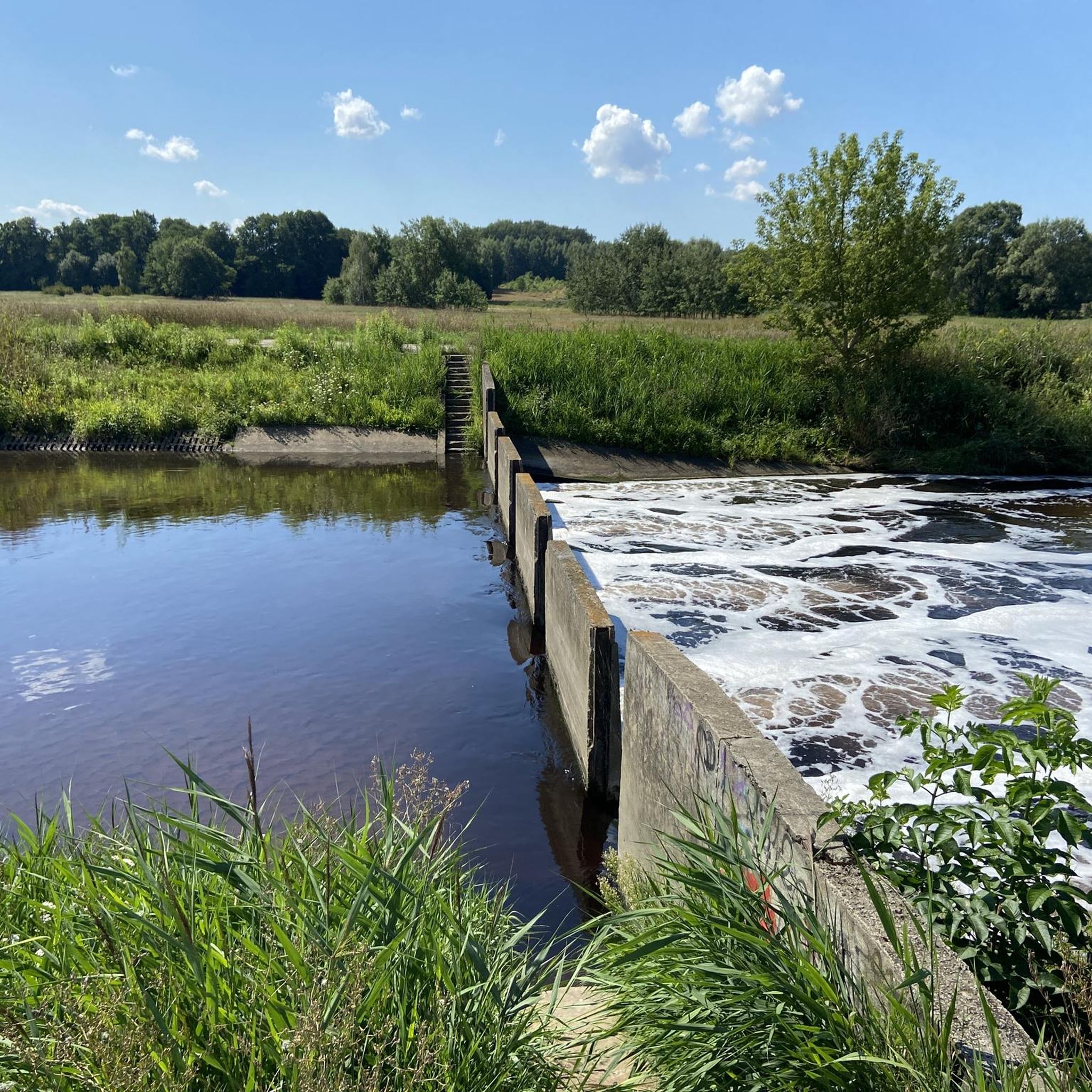
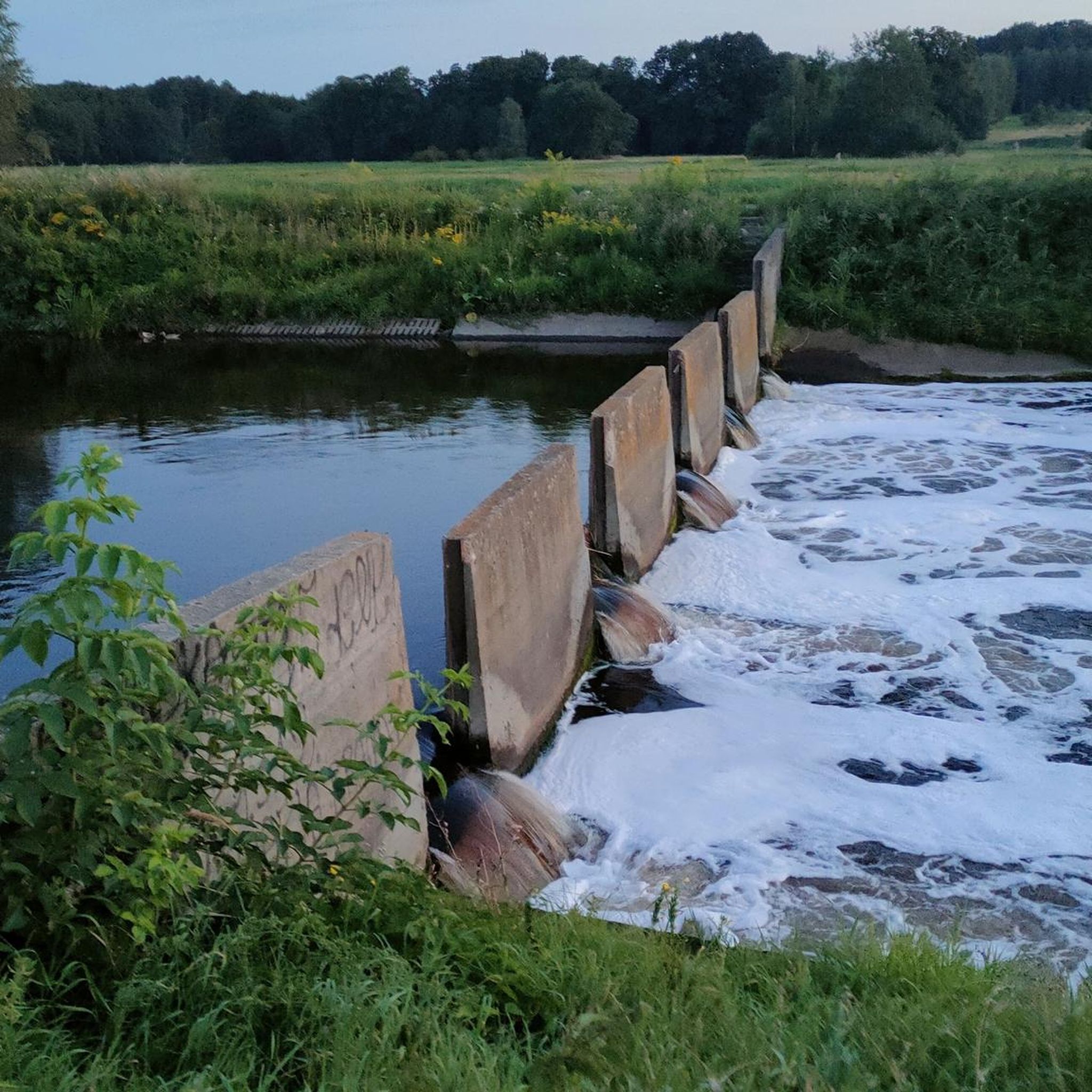
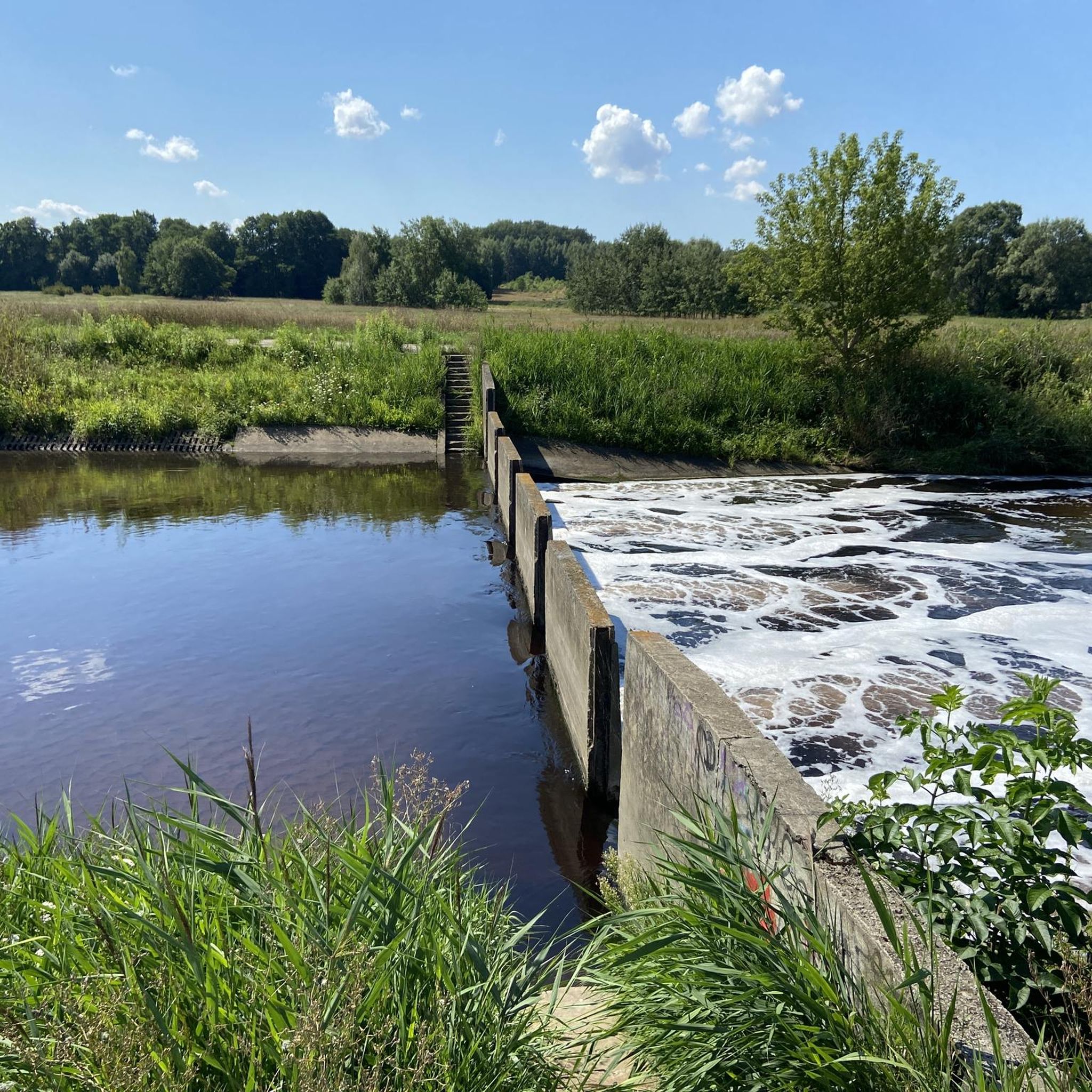
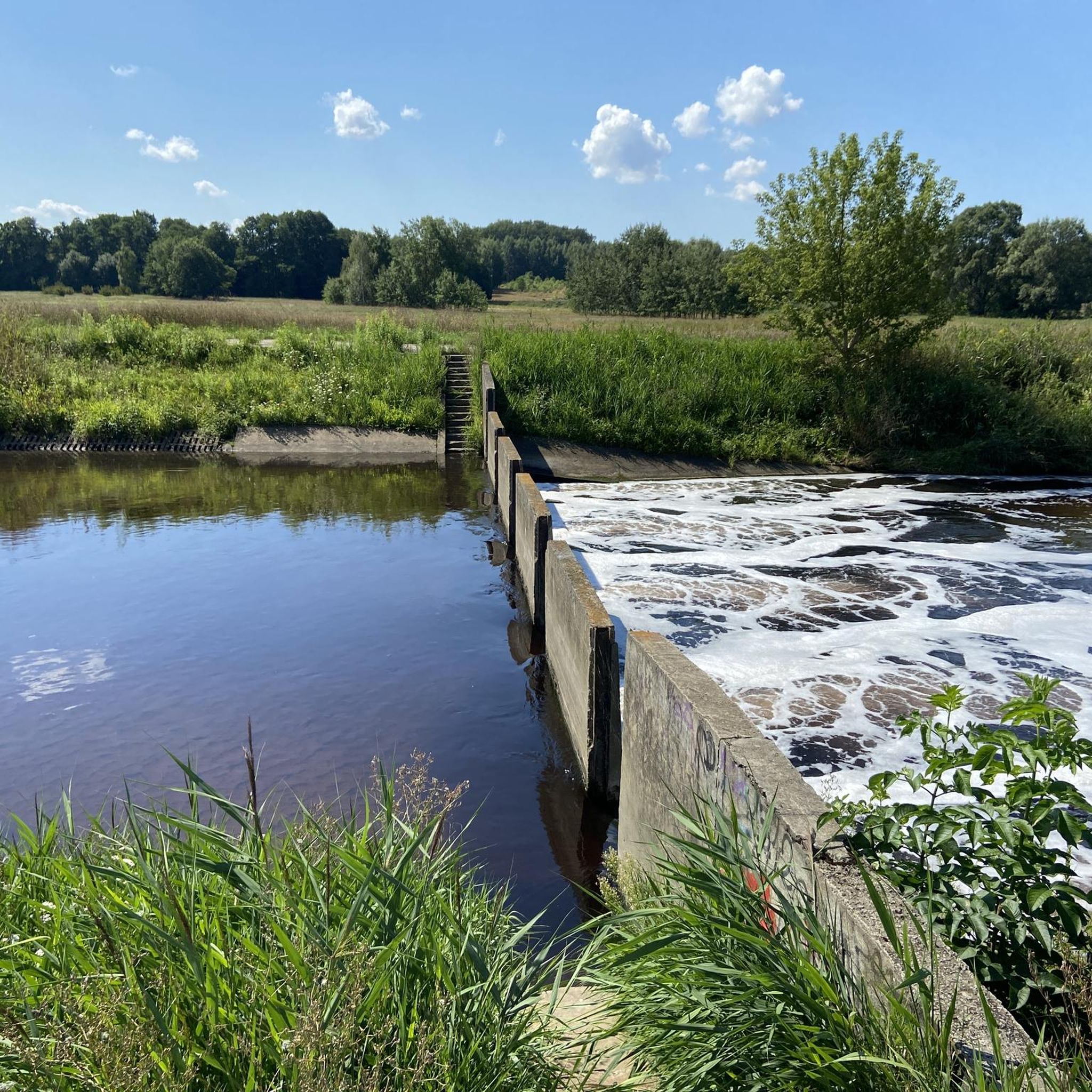
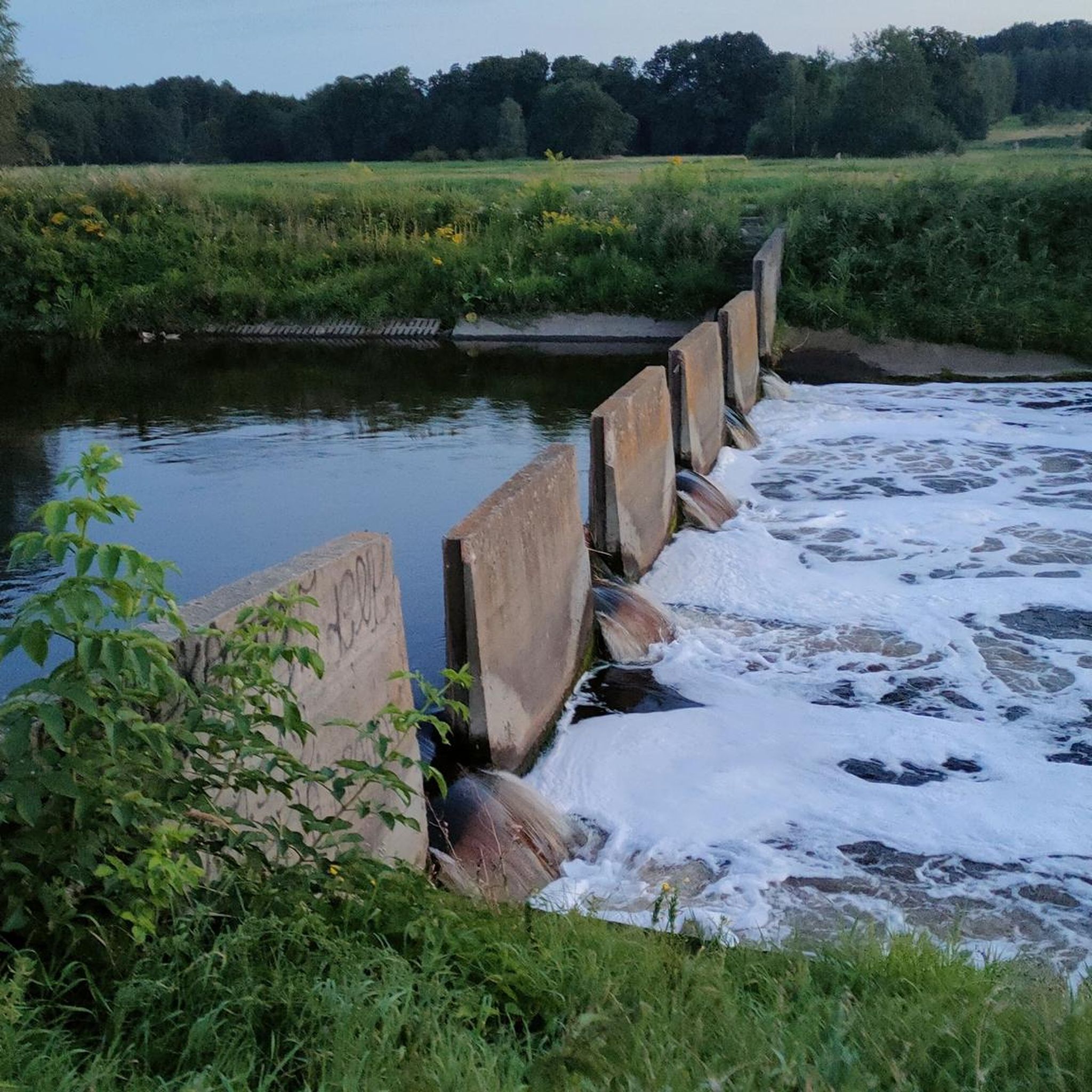
Park im. 1 Maja, Stawy Stefańskiego is a recreational facility There is a pond with an area of 11.4 ha in the park, which is an extension of the Ner riverbed. The pond was once privately owned and part of the Ruda farm. There was a manor house nearby. After World War I, the pond was bought by a private entrepreneur, Stefański. As a result of exploitative management, most of the animals living here died out or left the area. Year by year, the pollution of the pond increased and it required thorough cleaning. This was later done by the occupiers. After the end of World War II, Ruda Pabianicka found itself within the city limits of Łódź, and the park became the subject of interest of the city authorities. A few years after the war, it was decided to build a recreation center in Ruda Pabianicka. Part of the area on the western side was designated for the park. Roads were built, trees and shrubs were planted. In 1949, construction of a swimming pool began. The pond was deepened, and a sleigh hill was built from the excavated sand, while the stables from the former farm were transformed into changing rooms for guests spending time by the water. A second, smaller pond was also created, acting as a settling pond and stocked with fish. The work was completed in 1951. A bituminous surface was laid in the park alleys, restaurants and other buildings were renovated. The pond overlaps the riverbed of the Ner, stretches for 2.5 km and is up to 165 m wide, with a depth of 1 m to 4 m.
1
0
Park im. 1 Maja, Stawy Stefańskiego is a recreational facility There is a pond with an area of 11.4 ha in the park, which is an extension of the Ner riverbed. The pond was once privately owned and part of the Ruda farm. There was a manor house nearby. After World War I, the pond was bought by a private entrepreneur, Stefański. As a result of exploitative management, most of the animals living here died out or left the area. Year by year, the pollution of the pond increased and it required thorough cleaning. This was later done by the occupiers. After the end of World War II, Ruda Pabianicka found itself within the city limits of Łódź, and the park became the subject of interest of the city authorities. A few years after the war, it was decided to build a recreation center in Ruda Pabianicka. Part of the area on the western side was designated for the park. Roads were built, trees and shrubs were planted. In 1949, construction of a swimming pool began. The pond was deepened, and a sleigh hill was built from the excavated sand, while the stables from the former farm were transformed into changing rooms for guests spending time by the water. A second, smaller pond was also created, acting as a settling pond and stocked with fish. The work was completed in 1951. A bituminous surface was laid in the park alleys, restaurants and other buildings were renovated. The pond overlaps the riverbed of the Ner, stretches for 2.5 km and is up to 165 m wide, with a depth of 1 m to 4 m.
0
0

The Ner is the largest river in Łódź, it originates near Mileszki (eastern part of Łódź). The river flows at Kolumny Street and further towards the southwest
1
0
Frequently Asked Questions
What natural attractions can I explore around Konstantynów Łódzki?
The area around Konstantynów Łódzki offers several natural features, most notably the Stefański Ponds – Northern Bridge and Stawy Stefańskiego Beach. These ponds are an extension of the Ner River and serve as a popular recreational facility, perfect for feeding ducks or enjoying the lakeside. The town itself is situated by the Ner River on the Laska Plateau.
Are there any historical or cultural sites to visit?
Yes, the region has a mix of historical and cultural sites. In Konstantynów Łódzki, you can find significant religious architecture like the neo-Gothic St. Mary Church and the St. Joseph the Worker Church. The 19th-century Jewish Cemetery on Laska Street is also a poignant historical monument. For a unique cultural experience, consider visiting the "Siwaberek" Medieval Settlement, a 14th-century fortified hillfort.
What are some family-friendly activities in the area?
Families will enjoy the recreational opportunities at Stefański Ponds – Northern Bridge and Stawy Stefańskiego Beach, which offer space for relaxation and play. The nearby city of Łódź, just 10 km away, also provides family-friendly options like botanical gardens and a zoo.
Where can I find unique artistic or architectural attractions?
For unique artistic and architectural sights, visit the Rose Passage (Pasaż Róży). This courtyard features a stunning mosaic of cut mirrors, creating a shimmering and reflective experience. Another interesting site is the "The Largest Easter Basket" (Największy koszyk wielkanocny) in Konstantynów Łódzki, known for its unique appeal.
What kind of outdoor activities are available near Konstantynów Łódzki?
The area around Konstantynów Łódzki is excellent for various outdoor activities. You can find numerous routes for mountain biking, hiking, and road cycling. For detailed information on trails, including difficulty levels and distances, explore the dedicated guides for MTB Trails around Konstantynów Łódzki, Hiking around Konstantynów Łódzki, and Road Cycling Routes around Konstantynów Łódzki.
Are there good places to eat or socialize near the attractions?
Yes, especially if you venture slightly towards Łódź. OFF Piotrkowska is an old factory site transformed into a vibrant hub with many restaurants, bars, and cafes, making it a trendy spot to eat, relax, and socialize. You'll find a variety of culinary options there.
What are some easy walking trails suitable for beginners?
For easy walking, consider the trails around the Stefański Ponds. The area is generally flat, making it suitable for leisurely strolls. Additionally, the hiking guide for the region lists several easy routes, such as the Bielice Ponds loop or the Staw Lublinek loop, which are perfect for beginners and offer pleasant natural surroundings. You can find more details in the Hiking around Konstantynów Łódzki guide.
Is Konstantynów Łódzki well-connected to other major cities or attractions?
Konstantynów Łódzki is conveniently located approximately 10 km from Łódź, the capital of the Łódź Voivodeship. This proximity makes it an excellent base for exploring the broader range of attractions available in Łódź, including its museums, botanical gardens, and other cultural sites. Public transport options are available to connect the two locations.
What is the 'Line 43 - Monument on Rails'?
The 'Line 43 - Monument on Rails' (Linia 43 - Pomnik na szynach) is a technical monument located in Konstantynów Łódzki. It represents a piece of the town's architectural and historical heritage, offering insight into its industrial and transport past.
Are there any attractions that are wheelchair accessible?
Yes, the Rose Passage (Pasaż Róży) is noted as being wheelchair accessible, allowing visitors to experience its unique mirror mosaic. Additionally, the Władysław Reymont Statue is also accessible.
What do visitors particularly enjoy about the attractions near Konstantynów Łódzki?
Visitors frequently praise the recreational facilities at Stefański Ponds – Northern Bridge, highlighting it as a beautiful spot in every season. The OFF Piotrkowska complex is loved for its trendy atmosphere, good restaurants, and pubs. The Rose Passage (Pasaż Róży) is often described as a magical place with a beautiful history, great for photography.
Most popular routes around Konstantynów Łódzki
Most popular attractions around Konstantynów Łódzki

Get inspired with the komoot mobile app


Explore more
Still not found the Highlight you’re looking for? See guides of the top attractions in other regions:
