The best cycling routes around gmina Nowy Kawęczyn
4.7
(420)
2,007
riders
18
rides
Touring cycling around gmina Nowy Kawęczyn features diverse landscapes, including the Rawka River valley, agricultural fields, and portions of the Bolimowski Landscape Park. The region is characterized by generally gentle terrain, with some routes offering slight elevation changes. Natural features like the Rawka River nature reserve provide scenic backdrops for cycling.
Best touring cycling routes around gmina Nowy Kawęczyn
- The most popular touring cycling route is Bike loop from Balcerów, a 4.4 miles (7.1 km) trail that takes about…
Last updated: July 7, 2026
4.3
(4)
17
riders
27.2km
01:50
100m
100m
Hard bike ride. Great for any fitness level. You may need to push your bike for some segments of this route.
5.0
(3)
11
riders
29.3km
01:43
90m
90m
Easy bike ride. Great for any fitness level. Mostly paved surfaces. Suitable for all skill levels.

Sign up for free
5.0
(5)
21
riders
Moderate bike ride. Good fitness required. Mostly paved surfaces. Suitable for all skill levels.
4.9
(12)
54
riders
Easy bike ride. Great for any fitness level. Mostly paved surfaces. Suitable for all skill levels.
11
riders
13.1km
00:54
30m
30m
Easy bike ride. Great for any fitness level. Mostly paved surfaces. Suitable for all skill levels.
Get access to more routes and recommendations from other explorers.
Sign up for free
Already have an account?
Our route recommendations are based on thousands of hikes, rides, and runs completed by other people on komoot.
Start today with a free account
Your next adventure awaits.
Login or Signup
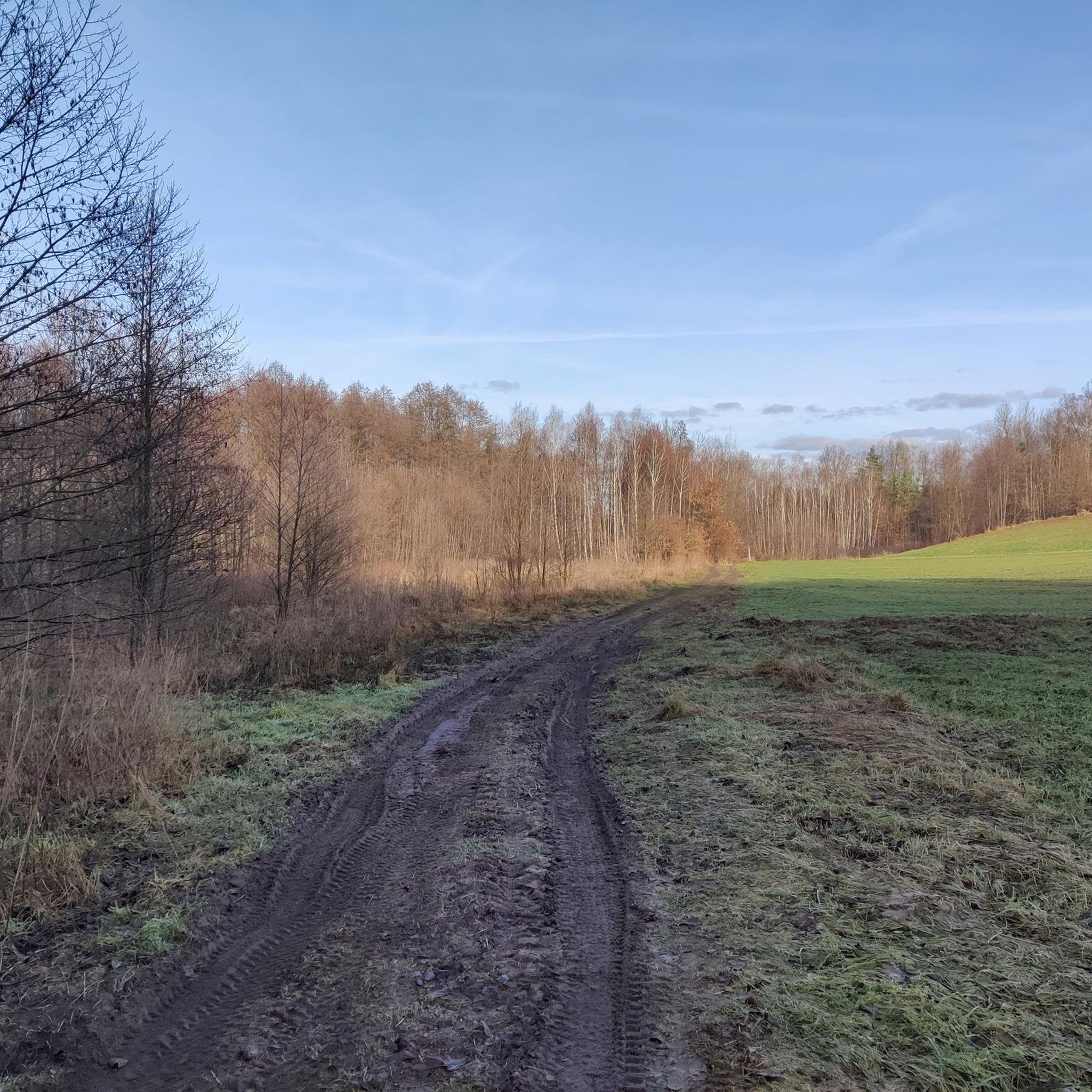

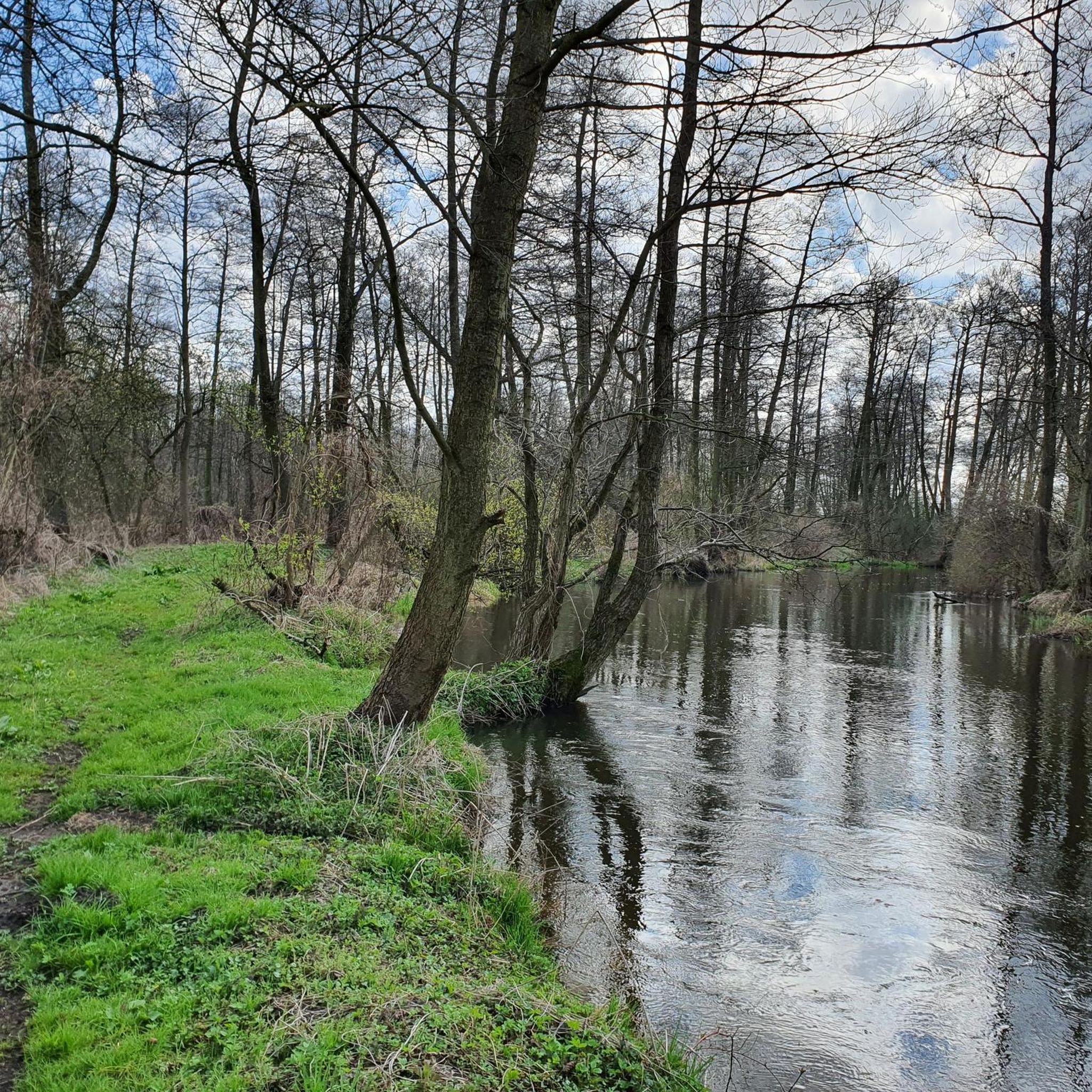
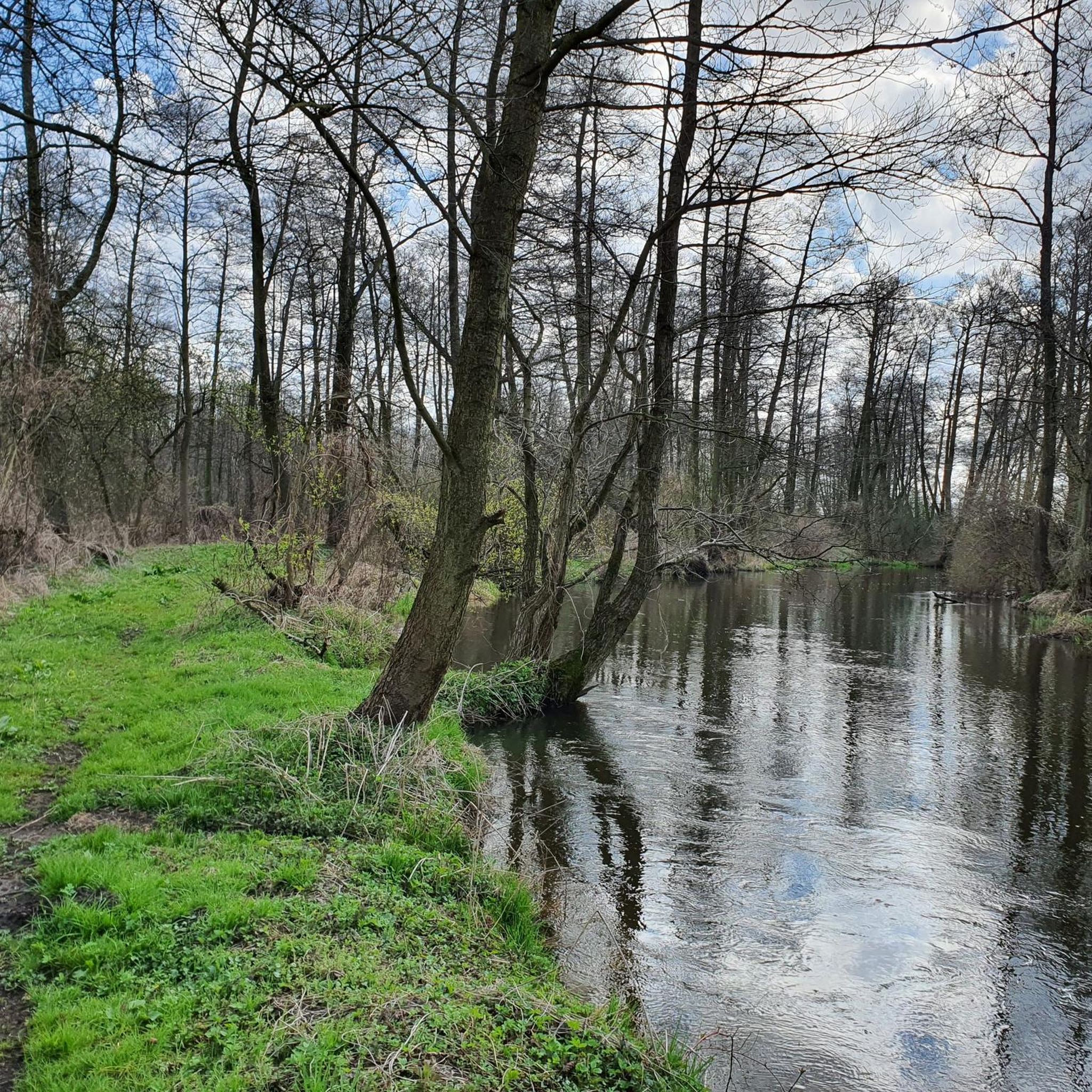
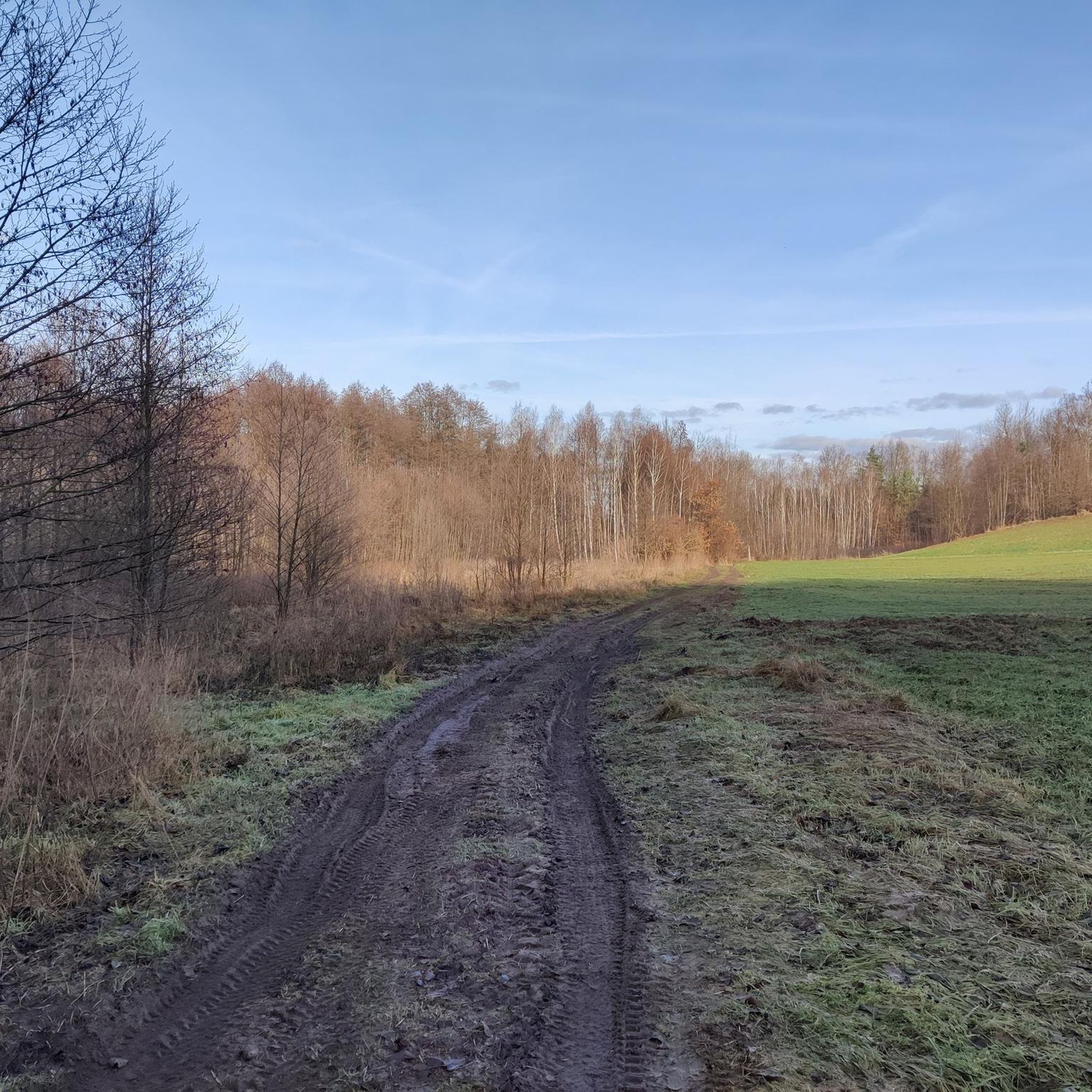
Tips from the Community

A good pit stop. There are shelters with tables and benches, so you can hide from the storm.
1
0
A city park located in the central part of the city on both sides of the Skierniewka (Łupia) River. The beginnings of the park date back to the 14th century. Initially, it was a garden at the archbishops' manor. The park contained cascades, grottos, gazebos, four ponds and terraces on the river bank during the time of Archbishop Antoni Kazimierz Ostrowski. The Skierniewice park was beautified by Ignacy Krasicki, making it similar to the parks in Smolany. In the 18th century, there was an orangery with orange trees, an Italian garden, orchards and vineyards at the Primate's Palace. In the years 1830-1845, the gardens and park were thoroughly rebuilt, creating a landscape park.
0
0

The locomotive shed was built in 1845 along with the railway line from Warsaw. In 1861, a turntable was installed in the locomotive shed, and in the following years the local locomotive shed was rebuilt. In 1879, the locomotive shed was expanded to 24 stations. During World War I, on the order of General Ludendorff, the buildings were destroyed on October 21, 1914. After the end of the war, the locomotive shed serviced freight traffic on the section from Warsaw to Piotrków and local passenger traffic. From 1915, it operated as a class II locomotive shed. In 1939, it was downgraded to an auxiliary locomotive shed. During World War II, the facility was expanded. New buildings in the modernist style were erected from red brick. Ty1 freight locomotives and Pd5 locomotives used for local passenger traffic were stationed in Skierniewice. After the war, a steel roof structure with a triangular ridge skylight was installed in the fan-shaped hall instead of the old wooden one, and a welding shop and compressor room were added. The locomotive shed serviced group trains and shunts. In 1970, a diesel locomotive was delegated to Skierniewice. Electric locomotives had been stationed in Skierniewice since mid-1987. In 1989, the stationing of steam locomotives ended. On 31 October 1991, the locomotive shed was liquidated. The premises house a collection of historical railway exhibits acquired by the Polish Association of Railway Enthusiasts[3] (PSMK). In 1994, the locomotive shed complex was entered into the register of historical monuments, and in 2002 it became the property of PSMK[2]. The buildings of the facility are being renovated thanks to support from, among others, Ministry of Culture and National Heritage, Łódź Voivodeship Government, Skierniewice City Office and various railway industry companies. The facility is open to visitors only on designated dates or upon request for organized groups.
0
0

Entrance to the platforms via looooong stairs.
0
0
A city park located in the central part of the city on both sides of the Skierniewka (Łupia) River. The beginnings of the park date back to the 14th century. Initially, it was a garden at the archbishops' manor. The park contained cascades, grottos, gazebos, four ponds and terraces on the river bank during the time of Archbishop Antoni Kazimierz Ostrowski. The Skierniewice park was beautified by Ignacy Krasicki, making it similar to the parks in Smolany. In the 18th century, there was an orangery with orange trees, an Italian garden, orchards and vineyards at the Primate's Palace. In the years 1830-1845, the gardens and park were thoroughly rebuilt, creating a landscape park. The park is adjacent to some of the most important monuments of the city of Skierniewice: the Primate's Palace, the Palace Entrance Gate, and Villa Aleksandria. For almost a hundred years, the Skierniewice park was left to itself. The park was not modernized or improved. It was not until 2012 that a resolution was passed to restore the park's former glory, thanks to, among other things, financial support from the European Union. There was a band shell in the park (closed down in 2013). In place of the closed band shell, a chamber stage was built, which will be able to host, among other things, chamber concerts.
0
0
The reservoir on the Skierniewka (Łupia) River is already visible on maps of Skierniewice from the 15th century. Initially, the reservoir was located near the village of Dęba, which was later incorporated into the city of Skierniewice. It was practically untouched by humans until the second half of the 20th century. It was not until the 1970s that its lower section was excavated near Zadębie Street and the Zadębie district. As part of the reservoir's renovation carried out in the years 1996-1999, the current reservoir bowl was shaped.
0
0
Frequently Asked Questions
How many touring cycling routes are available in gmina Nowy Kawęczyn?
There are over 200 touring cycling routes in gmina Nowy Kawęczyn, offering a wide variety of options for exploring the region. The komoot community has contributed to over 1,800 tours here.
What kind of terrain can I expect on touring cycling routes in gmina Nowy Kawęczyn?
The terrain in gmina Nowy Kawęczyn is generally gentle, characterized by the picturesque Rawka River valley and vast agricultural fields. You'll also find sections that pass through the scenic Bolimowski Landscape Park. While most routes are on paved surfaces, some may include slight elevation changes, providing a diverse cycling experience.
Are there touring cycling routes suitable for beginners or families in gmina Nowy Kawęczyn?
Yes, gmina Nowy Kawęczyn offers many routes suitable for beginners and families. Out of over 200 routes, 134 are rated as easy. These routes often traverse agricultural landscapes and are mostly on paved surfaces, making them comfortable for a relaxed ride. An example is the Bike loop from Balcerów, which is an easy 4.4-mile (7.1 km) trail.
Are there more challenging touring cycling routes for experienced riders?
Yes, for experienced riders seeking a greater challenge, gmina Nowy Kawęczyn features 37 routes rated as difficult. These routes may include more varied terrain or longer distances. An example is the Mini Market Store – Abandoned Gas Station loop from Kawęczyn B, a 16.9-mile (27.2 km) trail with more significant elevation changes.
What natural attractions can I discover while cycling in gmina Nowy Kawęczyn?
The region is rich in natural beauty. You can cycle along the Rawka River, which is a designated nature reserve protecting diverse flora and fauna. A portion of the northeastern area is also part of the Bolimowski Landscape Park. Additionally, the Rokita Nature Reserve is notable for its gorge and leafy forest, offering a picturesque setting for exploration.
Are there any historical sites or cultural landmarks to see along the cycling routes?
Absolutely. Gmina Nowy Kawęczyn is dotted with historical attractions. You can visit the wooden church of Saints Simon and Jude in Stara Rawa, explore manor complexes in Trzcianna, Nowy Dwór, and Suliszewo, or see the former Tsarist barracks in Raducz. The historic water mill in Suliszewo and remains of early medieval strongholds in Stara Rawa and Dzwonkowice also offer glimpses into the past. The "Szlakiem starych dworków" (Trail of Old Manors) cycling path specifically connects several of these historical sites.
What do other touring cyclists enjoy the most about touring cycling in gmina Nowy Kawęczyn?
The area is highly rated by the komoot community, with an average score of 4.7 stars from over 300 reviews. Cyclists often praise the diverse landscapes, from the serene Rawka River valley to the expansive agricultural fields, and the opportunity to combine physical activity with cultural sightseeing at historical manors and churches.
Are there any circular touring cycling routes in the area?
Yes, many touring cycling routes in gmina Nowy Kawęczyn are designed as loops, allowing you to start and end at the same point. Examples include the Manor in Strobów – Roadside Shrine loop from Strobów and the Kozłowski Villa – Zwierzyniec Pond loop from Strzyboga, which offer convenient ways to explore the region.
When is the best time of year to go touring cycling in gmina Nowy Kawęczyn?
The months of April and May are particularly popular for cycling in gmina Nowy Kawęczyn, likely due to favorable weather conditions. Spring offers pleasant temperatures and blooming landscapes, making it an ideal time to explore the region's natural and historical attractions by bike.
Are there any specific points of interest or viewpoints along the routes?
Beyond the historical sites, you'll find natural points of interest. The Rawka River nature reserve itself offers scenic views, and the Rokita Nature Reserve features a gorge with a steel footbridge over a deep ravine, providing a picturesque setting. Many routes also offer views of the local countryside and traditional roadside shrines, such as those seen on the Manor in Strobów – Roadside Shrine loop from Strobów.
Can I bring my dog on the touring cycling routes?
While the Rawka River nature reserve is home to diverse wildlife, specific regulations for dogs on cycling routes are not detailed. It's generally advisable to keep dogs on a leash and ensure they are well-behaved, especially when passing through agricultural areas or near wildlife habitats. Always check local signage for any restrictions.
Are there options for parking near the cycling routes?
Information on specific parking facilities for cyclists is not explicitly provided. However, given the rural and agricultural nature of gmina Nowy Kawęczyn, it is often possible to find suitable parking in or near the villages that serve as starting points for many routes. Always look for designated parking areas or inquire locally to ensure proper and safe parking.
Most popular routes around gmina Nowy Kawęczyn
Most popular attractions around gmina Nowy Kawęczyn

Get inspired with the komoot mobile app


Explore more
Browse the best Cycling routes in other regions.
