The best road cycling routes around gmina Leśna Podlaska
4.5
(3)
90
riders
5
rides
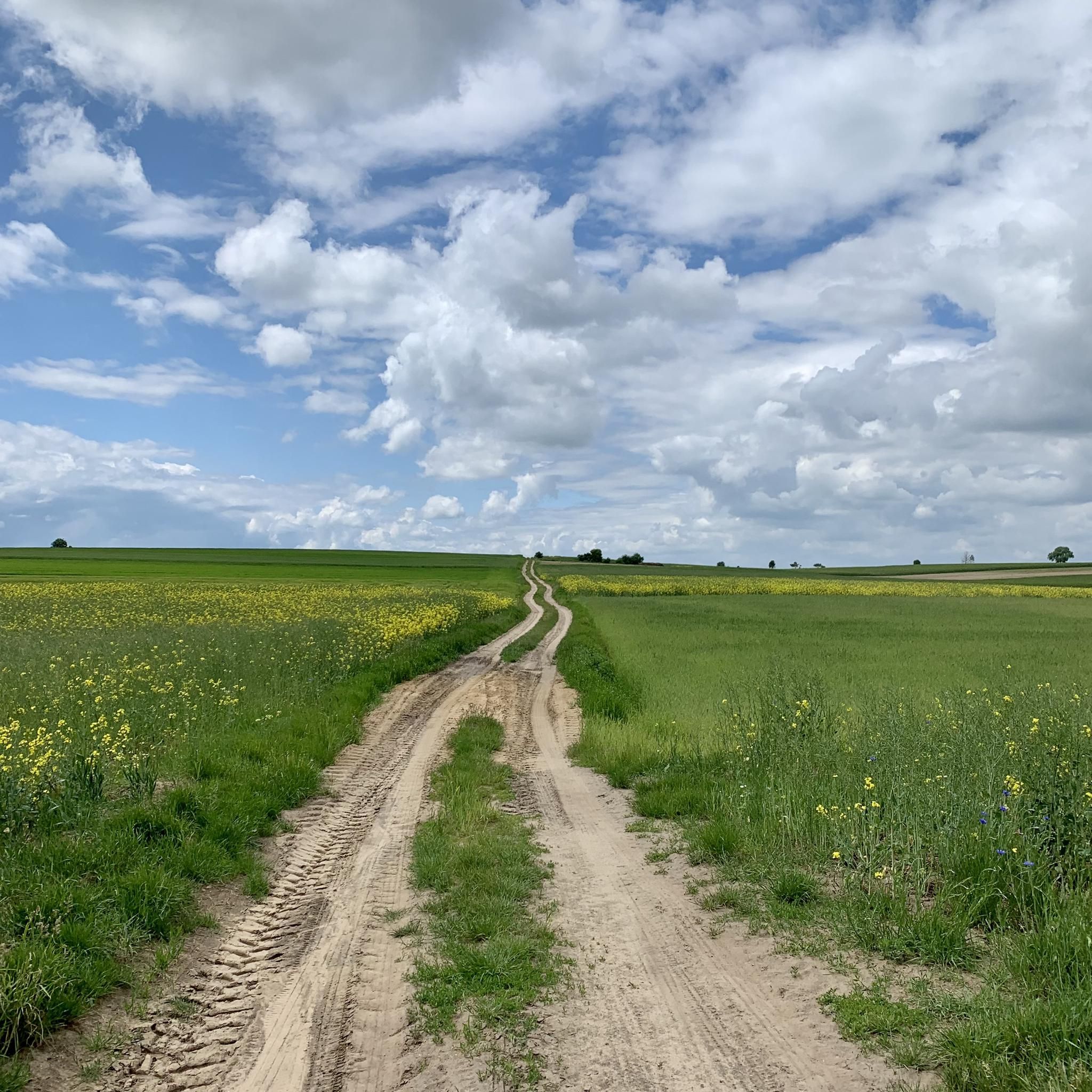
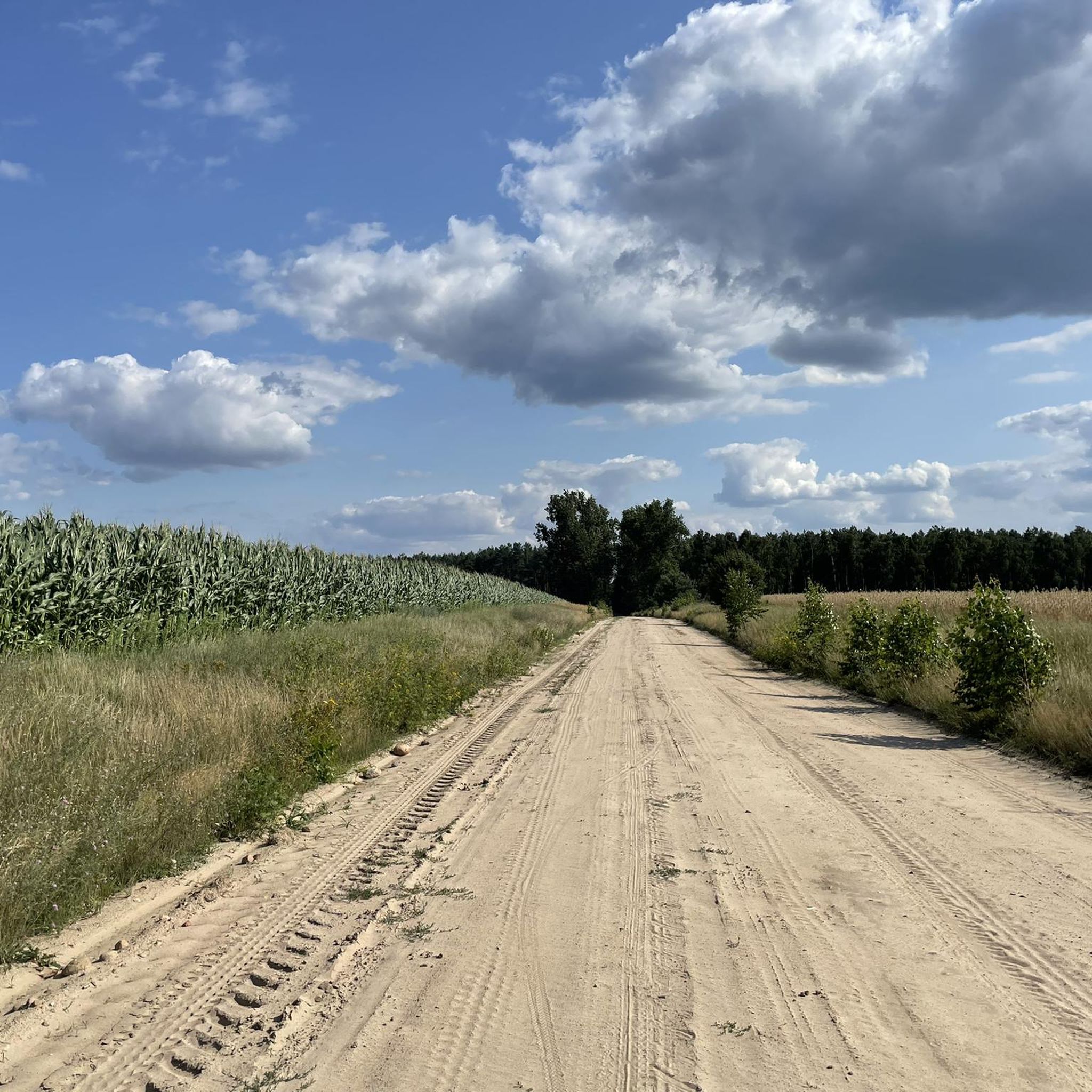
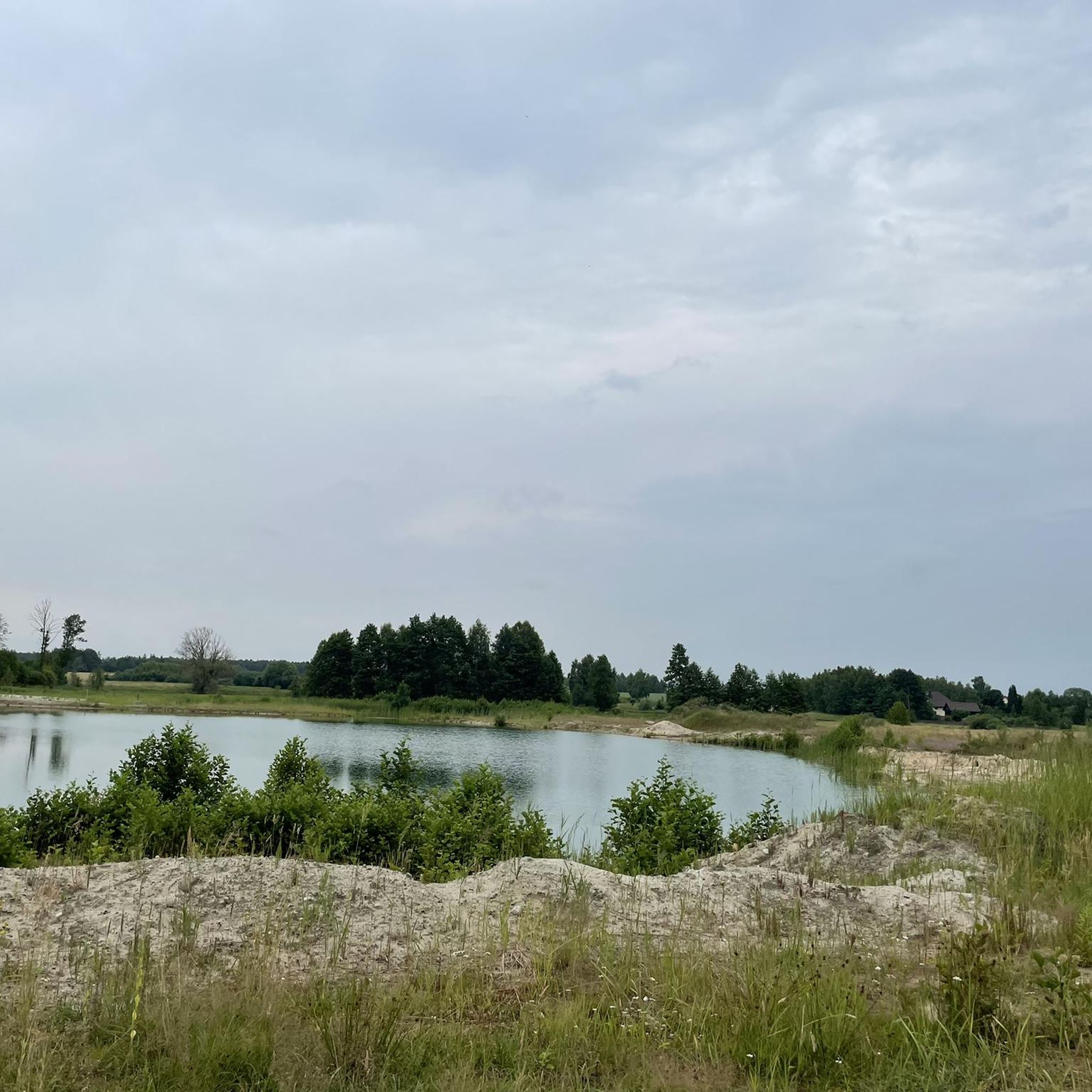
Road cycling around gmina Leśna Podlaska is characterized by its predominantly flat terrain, situated within the central Polish lowlands. The region features minimal elevation changes, with the highest points reaching around 168.8 meters above sea level. Cyclists will find routes traversing a weakly developed river valley network and passing by various water bodies, including the Terebela reservoirs. The landscape also incorporates natural monuments and offers views of rural areas.
Best road cycling routes around gmina Leśna Podlaska
- The most popular…
Last updated: August 28, 2026
19
riders
39.8km
01:43
120m
120m
Easy road ride. Great for any fitness level. Mostly well-paved surfaces and easy to ride.
4.0
(2)
16
riders
29.3km
01:24
70m
70m
Moderate road ride. Great for any fitness level. Some segments of this route may be unpaved and difficult to ride.

Sign up for free
17
riders
22.8km
00:52
50m
50m
Easy road ride. Great for any fitness level. Mostly well-paved surfaces and easy to ride.
18
riders
54.0km
02:11
280m
280m
Moderate road ride. Good fitness required. Mostly well-paved surfaces and easy to ride.
12
riders
36.9km
01:40
190m
190m
Moderate road ride. Great for any fitness level. Some segments of this route may be unpaved and difficult to ride.
Our route recommendations are based on thousands of hikes, rides, and runs completed by other people on komoot.
Start today with a free account
Your next adventure awaits.
Login or Signup

Tips from the Community

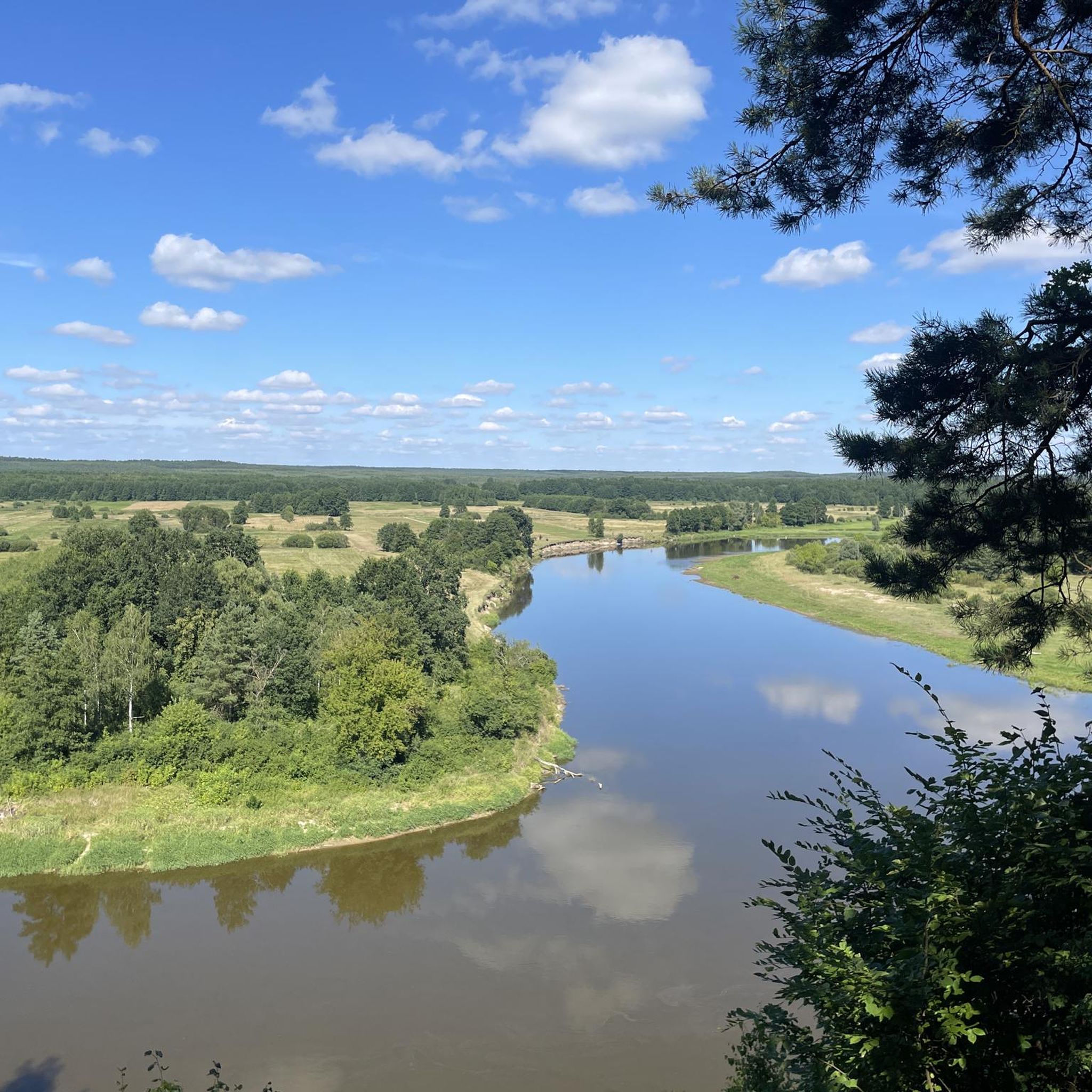
Very atmospheric place, you have to stop here for a break
0
0
You get roaming from Belarus here, it's better to turn on airplane mode.
0
0

Before organizing your route, be sure to check the ferry times and ticket prices: https://podlasie.siematycze.pl/83-siematycze-przeprawa-promowa-mielnik-zabuze It's worth having cash with you.
3
2

On June 7, 2018, the Holy Trinity Collegiate Church in Janów Podlaski was given the title of Minor Basilica by a Decree of the Congregation for Divine Worship and the Discipline of the Sacraments. The Decree was signed by the Prefect of the Congregation, Cardinal Robert Sarah.
3
0
In 1428, the Grand Duke of Lithuania Vytautas founded and endowed a church in the village of Porchów, which the bishop of Lutsk, Jan Łosowicz, named Janów after himself. Initially, this church was a parish church, then the parish was moved to the Church of St. John and only in 1602, after giving this church to the Dominicans, the parish was moved to the Church of the Holy Trinity. In 1685, Stanisław Witwicki, bishop of Lutsk and Brzeg, founded a seminary at this church. The current brick parish church, construction was started in 1714 by the bishop of Lutsk Aleksander Wyhowski, and completed by bishop Stefan Bogusław Rupniewski and consecrated on November 30, 1735. In 1741, it was raised to the dignity of a collegiate church and in 1818 to the dignity of a cathedral. With the dissolution of the diocese by the Russian government in 1867, it is only a parish church. On the hundredth anniversary of the establishment of the diocese, it was restored to the dignity of a cathedral, by the bull of Pius XI.
3
0
1 V - 2 XI Monday - Friday 10:00-18:00 Saturday - Sunday 8:00-18:00 The Mielnik - Zabuże ferry runs from spring to autumn (the exact start and end dates depend on the water level on the Bug River), ferries run from 8:00 to dusk
3
0
The Mielnik Zabuże ferry crossing is a very good shortcut when going towards Janów Podlaski, it is along the GreenVelo bicycle route
3
0
The Minor Basilica of the Holy Trinity in Janów Podlaski is a baroque church, built in 1714–1735, along with a bell tower. In the years 1818–1867 and 1918–1924 it served as the cathedral of the Janów (Podlasie) diocese. The interior of the church contains a sarcophagus and a monument to Adam Naruszewicz (1733–1796), a bishop, poet and historian who spent his last years here. The basilica has a two-tower façade, a three-nave interior and is the site of the Janów Collegiate Chapter. In 2018, the Congregation for Divine Worship and the Discipline of the Sacraments gave it the title of Minor Basilica. On the front of the basilica there is a commemorative plaque in honor of the January 1863 insurgents, residents of Janów Podlaski.
2
0
Frequently Asked Questions
What is the general terrain like for road cycling in gmina Leśna Podlaska?
The gmina Leśna Podlaska region is characterized by its predominantly flat terrain, typical of the central Polish lowlands. You'll encounter minimal elevation changes, with routes traversing a weakly developed river valley network and passing by various water bodies. This makes it suitable for cyclists of varying skill levels, from beginners to more experienced riders looking for a relaxed pace.
Are there road cycling routes suitable for beginners or those looking for an easy ride?
Yes, the region offers routes with gentle gradients perfect for an easy ride. For instance, the Cicibór Duży loop from Biała Podlaska is an easy 22.8 km path that provides a pleasant experience through the flat terrain.
What kind of natural landscapes can I expect to see while cycling in gmina Leśna Podlaska?
Road cycling routes in gmina Leśna Podlaska offer views of rural areas, agricultural landscapes, and a network of river valleys. You might also pass by natural monuments and water bodies like the Terebela reservoirs. The broader Podlasie region, which includes gmina Leśna Podlaska, is known for its picturesque villages, forests, lakes, and marshes, offering a diverse natural backdrop.
What cultural or historical landmarks can I explore along the road cycling routes?
The area around gmina Leśna Podlaska is rich in cultural and historical sites. You can visit the Basilica of Saints Peter and Paul in Leśna Podlaska, a significant Marian sanctuary. Nearby Janów Podlaski offers the impressive Collegiate Basilica of the Holy Trinity and the modern Fountain With Horse Sculptures. Additionally, the Tadeusz Kościuszko Monument in Witulin is another notable point of interest.
Are there any nature reserves or unique natural features to see?
Absolutely. The region is home to the "Chmielinne" Nature Reserve, a forest reserve showcasing diverse ecosystems with rare plant species. You can explore this area on routes like the Rezerwat Chmielinne loop from Biała Podlaska. Another notable natural monument is the "Oak of Love" (Dąb Miłości), a majestic 360-year-old pedunculate oak.
What do other cyclists say about road cycling in gmina Leśna Podlaska?
The road cycling routes in gmina Leśna Podlaska are highly rated by the komoot community, with an average score of 5.0 stars. Cyclists appreciate the varied landscapes and cultural landmarks encountered on routes like the Manor in Zabuż – Church of the Holy Spirit loop from Janów Podlaski.
Are there any riverside recreation areas suitable for a break during a ride?
Yes, the Krzna Riverside Beach and Picnic Area offers a pleasant spot for relaxation. It features a sandy bottom, clean water, a large shelter, benches, and tables, making it an ideal place to rest and enjoy the surroundings.
What is the best time of year to go road cycling in gmina Leśna Podlaska?
Given the generally flat terrain and the presence of natural reserves and riverside areas, spring, summer, and early autumn are typically the best seasons for road cycling in gmina Leśna Podlaska. The weather is usually mild, and the natural beauty of the region is at its peak.
Are there longer, more challenging road cycling routes available?
While the terrain is predominantly flat, some routes offer a longer distance and moderate challenge. The Manor in Zabuż – Church of the Holy Spirit loop from Janów Podlaski, at 58.3 km, is a popular moderate route that takes nearly three hours to complete, featuring varied landscapes and cultural landmarks.
Can I find routes that pass through rural areas and villages?
Many of the road cycling routes in gmina Leśna Podlaska lead through charming rural areas and villages, offering a glimpse into local life and agricultural landscapes. The Chapel – Dwór Zaścianek loop from Janów Podlaski is a good example, taking you through such scenic settings.
Is there a well-known long-distance cycling trail that passes through or near gmina Leśna Podlaska?
Yes, the broader Podlasie region, which includes gmina Leśna Podlaska, is crisscrossed by the Green Velo Eastern Cycling Trail. This is Poland's longest cycling route, spanning approximately 2,000 km, and offers an excellent way to experience the region's unique natural beauty, passing through picturesque villages, forests, lakes, and marshes.
Most popular routes around gmina Leśna Podlaska
Most popular attractions around gmina Leśna Podlaska

Get inspired with the komoot mobile app


Explore more
Browse the best Road cycling routes in other regions.
