Attractions and Places To See around gmina Wilków - Top 20
Best attractions and places to see around gmina Wilków include historical landmarks, natural features, and cultural sites within the picturesque Powiśle region. This area in eastern Poland is characterized by its diverse landscape, featuring the Vistula valley, loess ravines, and protected natural areas. Visitors can explore a variety of sites, from ancient churches to significant natural reserves. The region offers opportunities for hiking, cycling, and experiencing rural life.
Best attractions and places to see around gmina Wilków
- The most popular…
Last updated: July 1, 2026
Kazimierz–Janowiec Ferry
Highlight • Structure
The ferry pulls itself across the water on a wire rope.
Translated by Google •
Tip by

Historic well on the Market Square in Kazimierz Dolny
Highlight • Monument
The city with about 3,600 inhabitants is picturesquely located on the breakthrough of the Vistula from the Lublin and the Lesser Polish highlands. Because …
Translated by Google •
Tip by

Sign up now to discover places like this
Get recommendations on the best single tracks, peaks, & plenty of other exciting outdoor places.
Sign up for free
Lower castle
Highlight • Castle
Translated by Google •
Tip by
Janowiec Castle
Highlight • Castle
Translated by Google •
Tip by
Norowy Dół Gorge
Highlight (Segment) • Gorge
Translated by Google •
Tip by

Sign up for free to discover even more attractions around gmina Wilków.
Sign up for free
Already have an account?
Start today with a free account
Your next adventure awaits.
Login or Signup
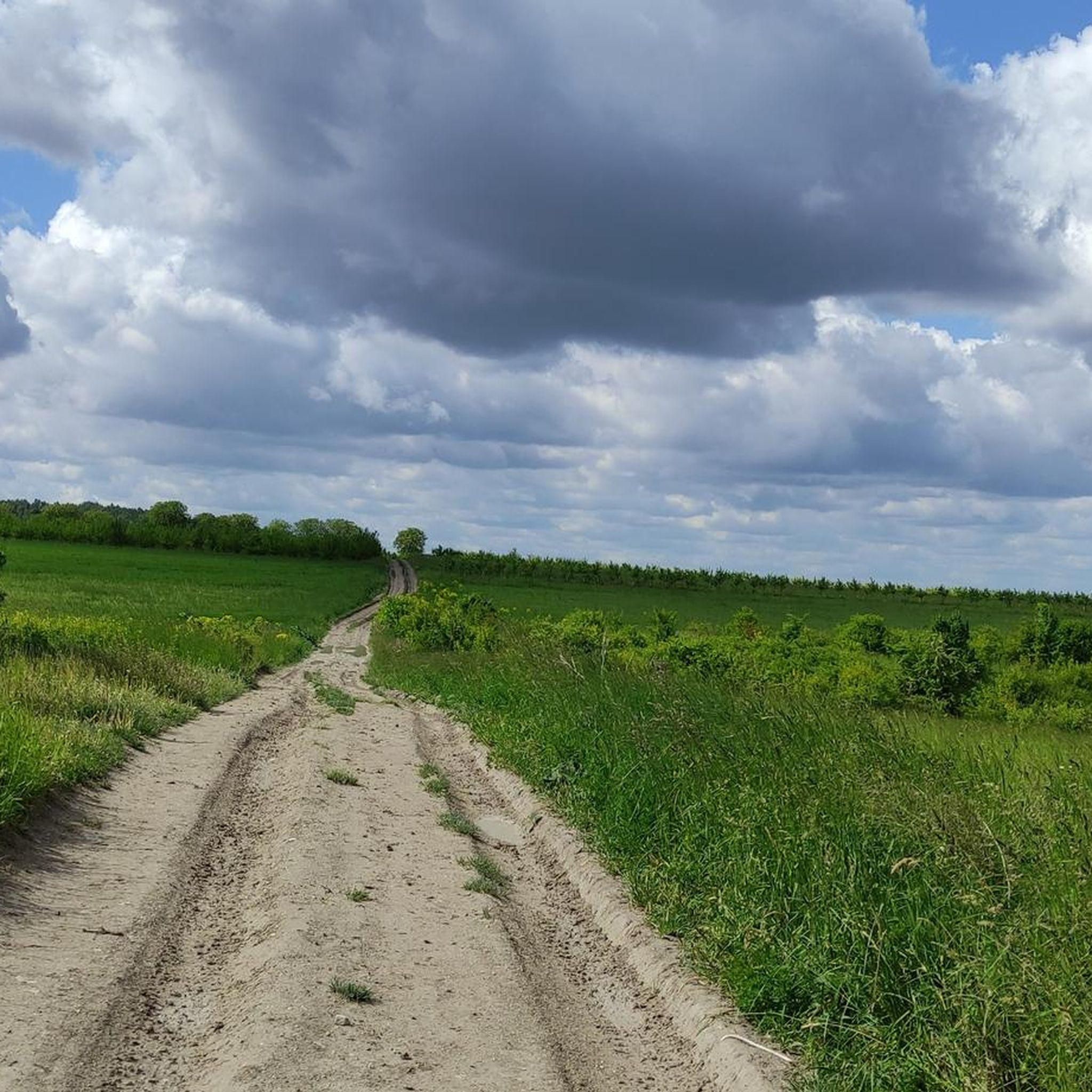
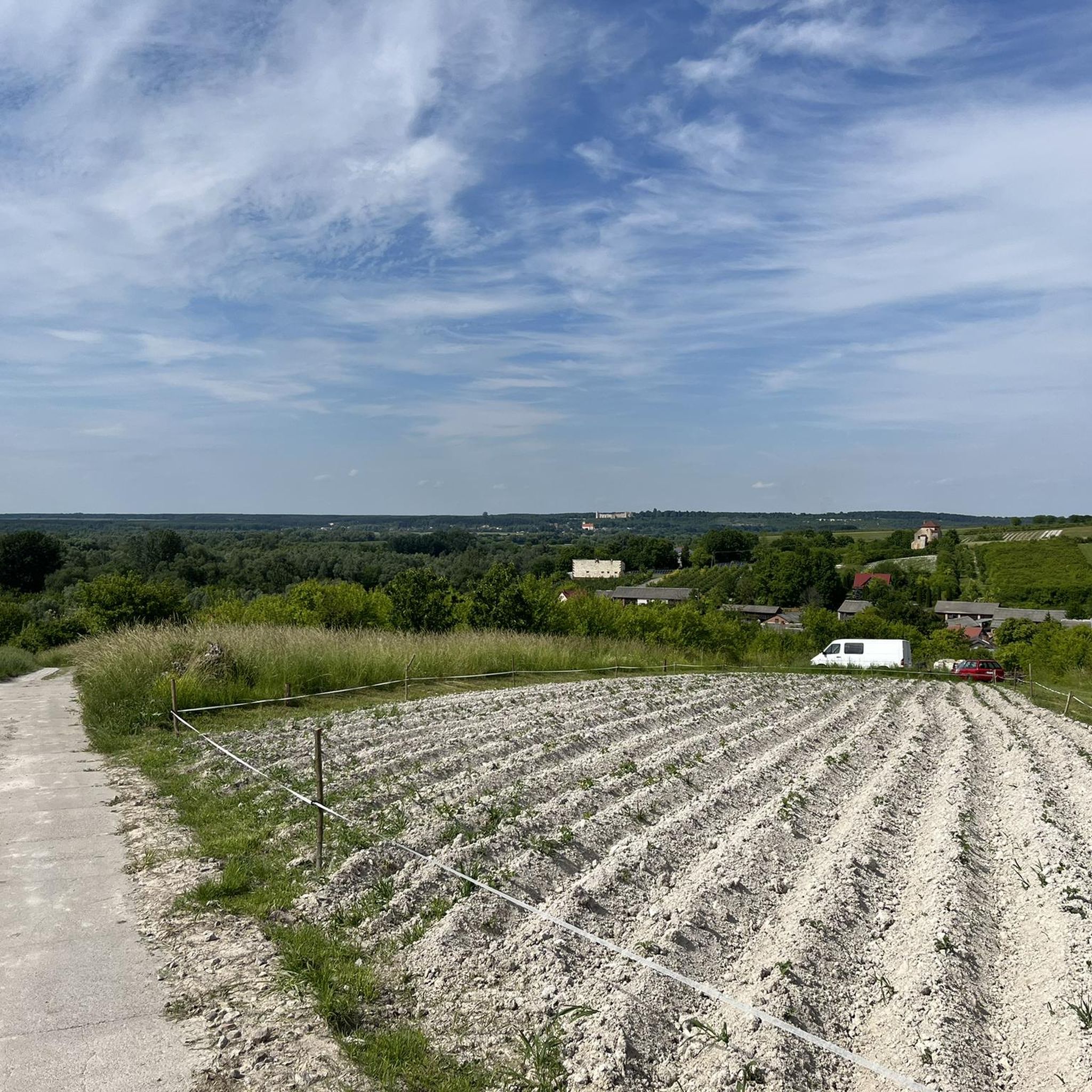
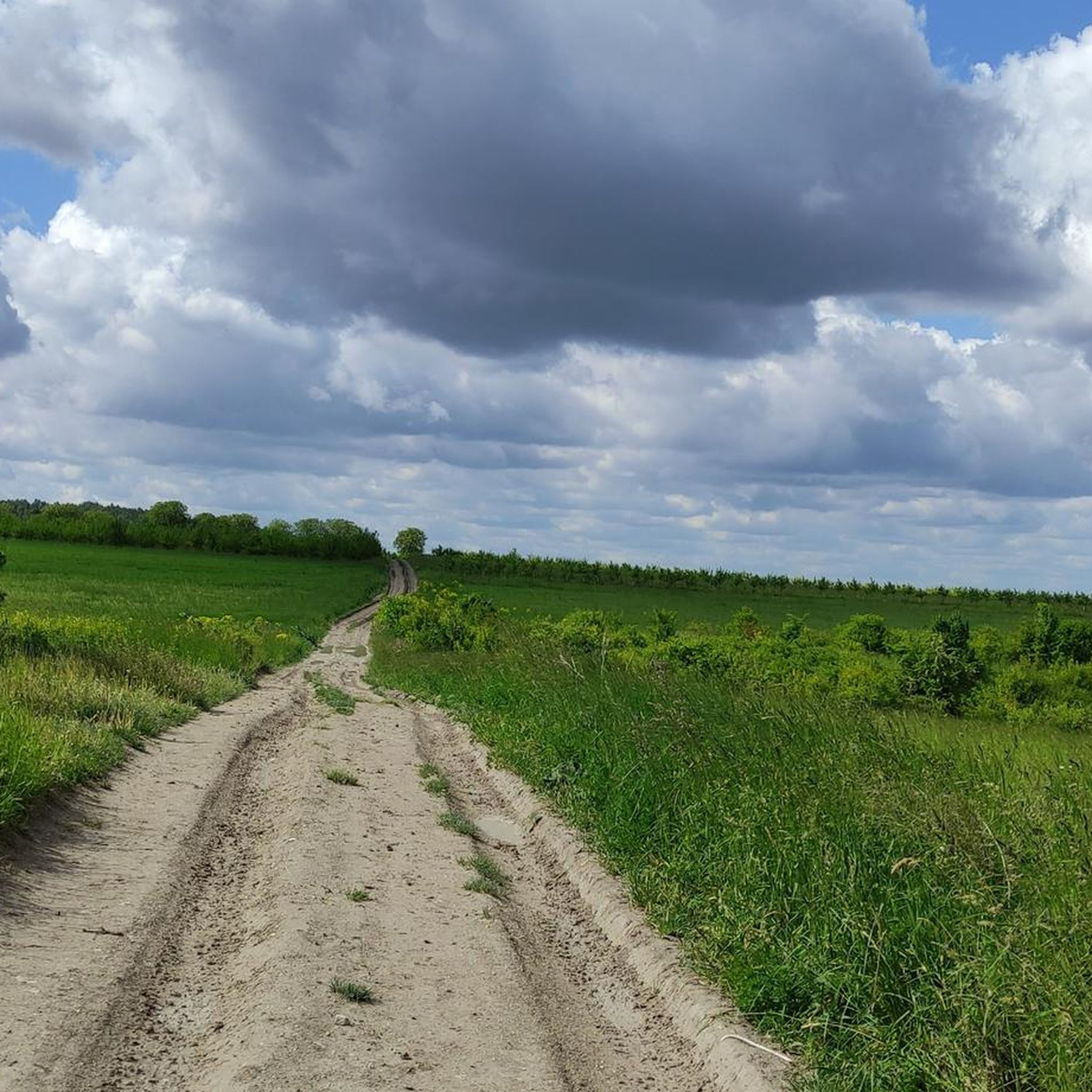
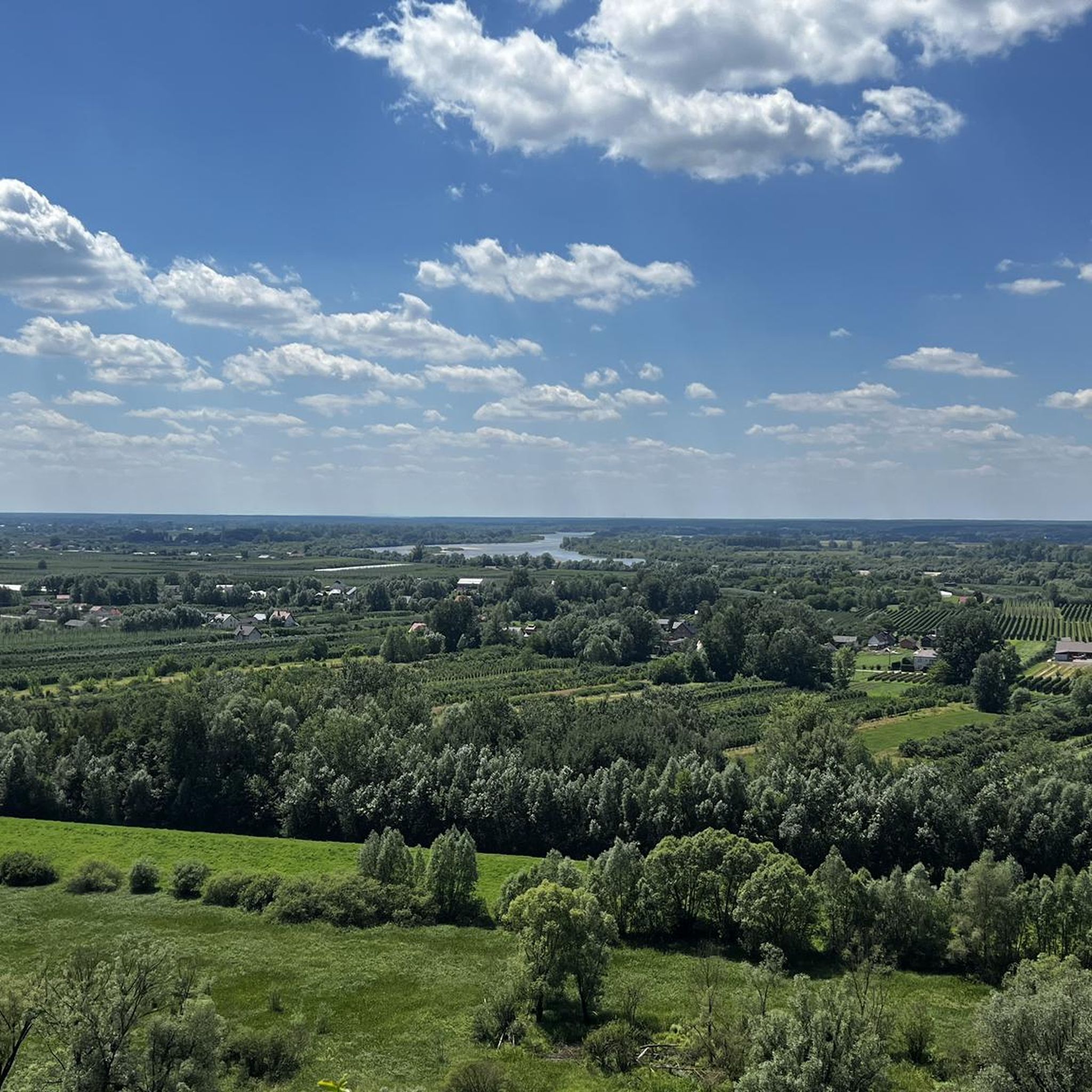

Tips from the Community

The ferry operates during the high tourist season, provided the water level is high enough to allow for crossing. When planning a route that includes a ferry crossing, it's worth having a "Plan B."
0
0

beautiful view over the Weichse valley
0
0

The ferry operates from 8:00 to 18:00 during the summer, and 8:00 to 17:00 for the rest of the year, so plan your trips accordingly to avoid missing the last ride.
0
0

On a Monday morning in December, there is a chance for less crowds. Overall, a cult place. A strong hit on a market day. A must 🔥🔥🔥
1
0

Theoretically last courses at 17.50
0
0

The castle in Kazimierz Dolny is a complex of defensive fortifications from the 13th and 14th centuries, located on Castle Hill. The castle consists of two main parts: the upper castle (also known as the "Baszta" or Łokietek's Tower) and the lower castle. The upper castle is a defensive bergfried tower from the turn of the 13th and 14th centuries, erected at the height of the Vistula River crossing. The tower, with a height of up to 20 meters, originally served as a guardhouse, providing control over the crossing and the collection of customs duties. In later years, it served as a navigation beacon. The entrance to the tower is located six meters above ground level, and its lower storey housed a dungeon. The lower castle was built on the orders of Casimir the Great in the 1340s and was part of a larger defensive complex. Initially built in the Gothic style, built of limestone, it had thick walls and wooden internal buildings. In the 15th century, during the time of the Grot family, the castle was expanded, including a two-storey residential wing and a defensive tower. In the 16th century, the castle underwent another reconstruction in the Renaissance style, thanks to the Firlej family, who added an attic and built the southern wing. During the Swedish Deluge (1655) and a fire in 1663, the castle was seriously damaged. In the 18th century, during the reign of August II the Strong, plans for reconstruction in the palace style were not realized due to the civil war. As a result of further destruction and destruction by the Austrian authorities in 1806, the castle fell into ruin. The castle witnessed historical events, including the Battle of Kazimierz Dolny in 1831 during the November Uprising. In the years 1958-1960, archaeological research was carried out, and the castle was secured and made available to tourists. Today, it is a tourist attraction, preserving the form of a permanent ruin.
1
0
The lower castle in Kazimierz Dolny was built in the mid-14th century on the initiative of Casimir the Great as a Gothic structure. Built of local limestone, it was originally an oval in shape surrounded by massive perimeter walls. It mainly served an administrative function and supported the development of trade on the Vistula. In the 15th century, expanded by the Grot family, it gained new residential wings, a tower and a moat. In the 16th century, during the Firlejs' times, the castle was rebuilt in the Renaissance style according to the design of Santi Gucci, adding, among other things, attics. Destroyed by the Swedes and Rákóczi's troops in the 17th century, it eventually fell into ruin. In the 18th century, there were plans to rebuild it in the palace style, but this did not happen. In the 19th century, it was the site of uprisings, and in the 20th century it was secured as a permanent ruin and opened to the public.
2
0
The market square in Kazimierz Dolny was marked out after the city was founded under Magdeburg law in 1406. It is the central urban point of the city, with an open view of the parish church and the castle ruins. The market square has retained its historical layout with a characteristic undeveloped northern part of the square. For centuries, it has served a commercial and social function. It is currently the tourist heart of Kazimierz, surrounded by historic tenement houses, including Przybyłów, Celejowska and Czarnotów. In its center stands a historic well from the 19th century, one of the symbols of the city.
4
0
Frequently Asked Questions
What natural attractions can I explore in Gmina Wilków?
Gmina Wilków is rich in natural beauty, situated in the picturesque Powiśle region. You can discover the stunning Vistula valley with its steep edges and numerous loess ravines, some several kilometers long and up to 25 meters deep. The Chodelski Protected Landscape Area, encompassing the Chodelka River valley, is known for its clean environment, meadows, and diverse fauna. Don't miss the Skarpa Dobrska Reserve, a cliff over 90 meters high with rare plant species, or the Krowia Wyspa Reserve, a vital breeding ground for numerous bird species.
Are there significant historical sites or cultural landmarks in Gmina Wilków?
Yes, Gmina Wilków boasts a rich history. Notable sites include the Parish Church of Our Lady Queen of Poland in Zagłoba, known for its unique sacral architecture, and the Parish Church of St. Nicholas in Wilków, a Gothic-style church with origins dating back to the 13th century. You can also explore the remnants of 19th-century buildings in Wilków, such as the municipal office and the 'Powiślak' inn, and the Janowiec Castle, a 16th-century ruin with a fascinating history.
What hiking opportunities are available near the attractions in Gmina Wilków?
Gmina Wilków offers over 95 km of renovated tourist trails suitable for hiking. For specific routes, consider the 'Dobre-Podgórz Educational Trail' (7.1 km, easy) or a 'Hiking loop from Kazimierz Dolny' (7.6 km, moderate). You can find more options and detailed information on the Hiking around gmina Wilków guide page.
Can I go cycling around Gmina Wilków's attractions?
Absolutely! The region has extensive cycling trails. Popular routes include the 'Granary on the Vistula – View of Janowiec Castle Ruins loop from Kazimierz Dolny' (26.3 km, moderate) or the longer 'Kazimierz–Janowiec Ferry – Janowiec Castle loop from Kazimierz Dolny' (73 km, moderate). Discover more cycling adventures on the Cycling around gmina Wilków guide page.
Are there family-friendly attractions in Gmina Wilków?
Many attractions in Gmina Wilków are suitable for families. The Kazimierz–Janowiec Ferry is a fun experience for all ages, offering transport across the Vistula. The Historic well on the Market Square in Kazimierz Dolny is also family-friendly, where kids can try the hand pump and hear local legends. The diverse landscapes and numerous trails also provide great opportunities for family outings.
Where can I find the best viewpoints in Gmina Wilków?
For stunning views, head to the Lower castle ruins, which offer a great perspective of the Vistula River. The Janowiec Castle also provides excellent vistas of the surrounding area. Additionally, the steep edge of the Vistula valley and the loess ravines throughout the Powiśle region offer many picturesque spots.
What is the best time of year to visit Gmina Wilków for outdoor activities?
The region is particularly appealing in spring and autumn when the orchards and hop fields are vibrant. These seasons offer pleasant weather for hiking, cycling, and exploring the natural landscapes and historical sites. While summer is also popular, spring and autumn provide a unique charm and comfortable temperatures for outdoor pursuits.
Is there a unique way to cross the Vistula River near Gmina Wilków?
Yes, you can experience the Kazimierz–Janowiec Ferry. This small ferry provides transport across the Vistula River between Kazimierz and Janowiec. It operates regularly and can accommodate pedestrians, cyclists, and cars, offering a scenic and practical way to explore both sides of the river.
What do visitors enjoy most about the attractions around Gmina Wilków?
Visitors frequently praise the picturesque old town atmosphere around the market square in Kazimierz Dolny, especially the Historic well. The scenic views from historical sites like the Lower castle and Janowiec Castle are also highly appreciated. The unique experience of the Kazimierz–Janowiec Ferry is another highlight, offering a charming way to traverse the Vistula.
Are there any religious buildings of note in Gmina Wilków?
Yes, the region has several significant religious buildings. The Parish Church of Our Lady Queen of Poland in Zagłoba is notable for its architectural style and interior design. The Parish Church of St. Nicholas in Wilków is one of the oldest churches in the gmina, with Gothic origins. Additionally, the Church of the Annunciation of the Blessed Virgin Mary in Kazimierz Dolny, founded in the 16th century, features preserved original furnishings and historical elements.
Are there any wheelchair-accessible attractions in Gmina Wilków?
The Historic well on the Market Square in Kazimierz Dolny is noted as wheelchair accessible, allowing visitors to experience this recognizable symbol of the town. While many natural and historical sites may have varied terrain, this specific highlight offers good accessibility.
What kind of unique natural formations can be found in Gmina Wilków?
Gmina Wilków is particularly known for its extensive loess ravines, some stretching for several kilometers and reaching depths of up to 25 meters. These unique geological formations create a distinctive landscape, offering interesting exploration opportunities for hikers and nature enthusiasts.
Most popular routes around gmina Wilków
Most popular attractions around gmina Wilków

Get inspired with the komoot mobile app


Explore more
Still not found the Highlight you’re looking for? See guides of the top attractions in other regions:
