The best walks and hikes around Skierbieszów
4.9
(18)
379
hikers
39
hikes
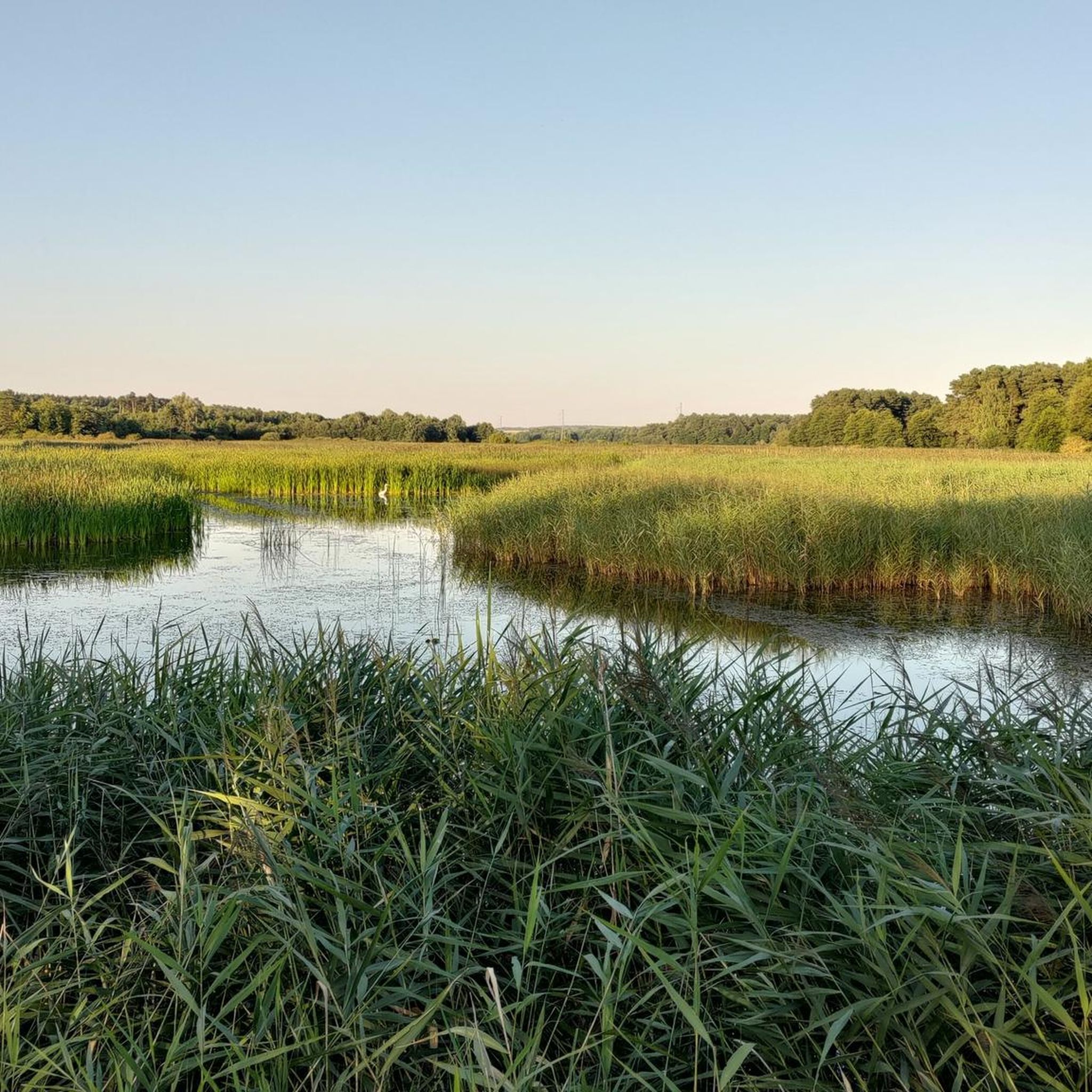
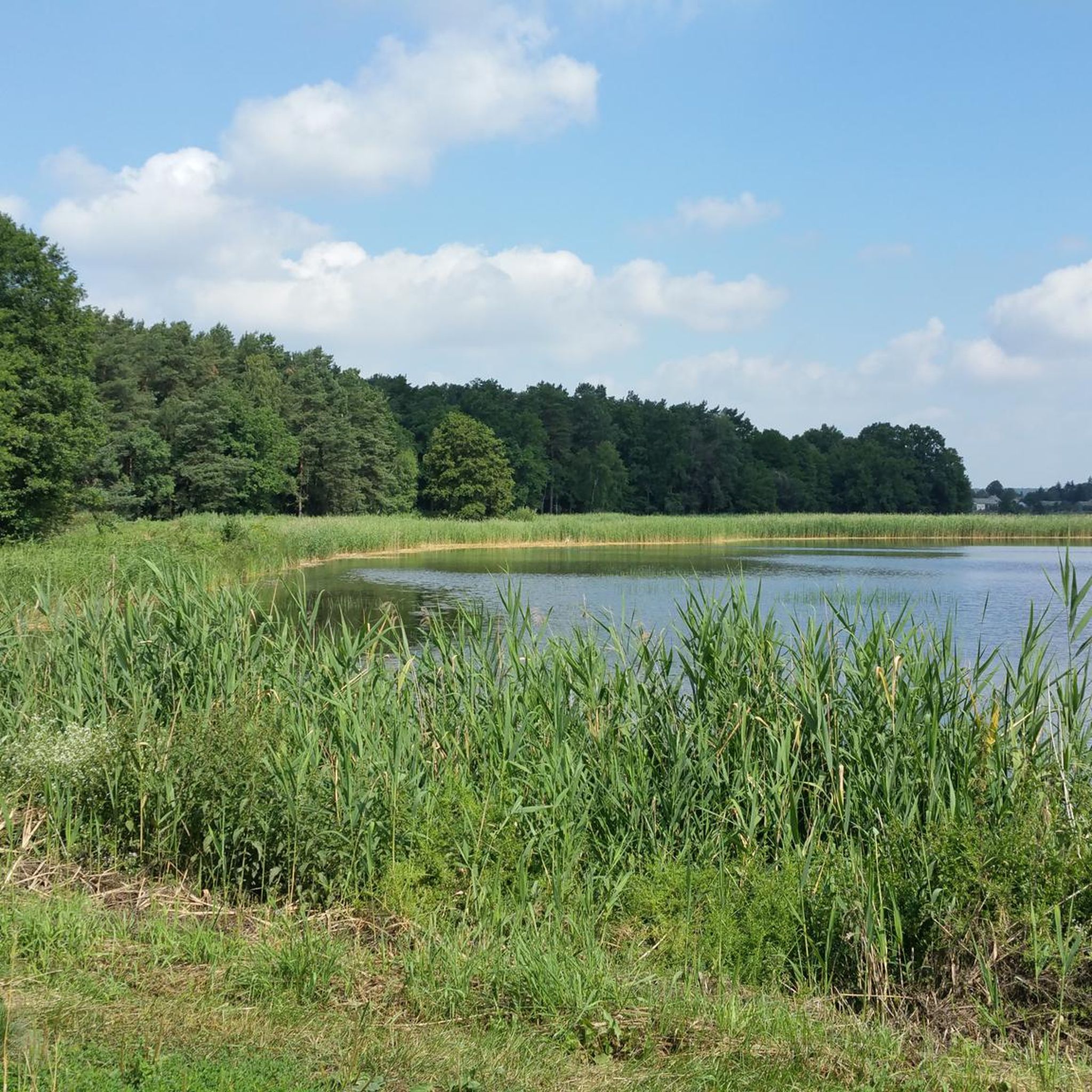
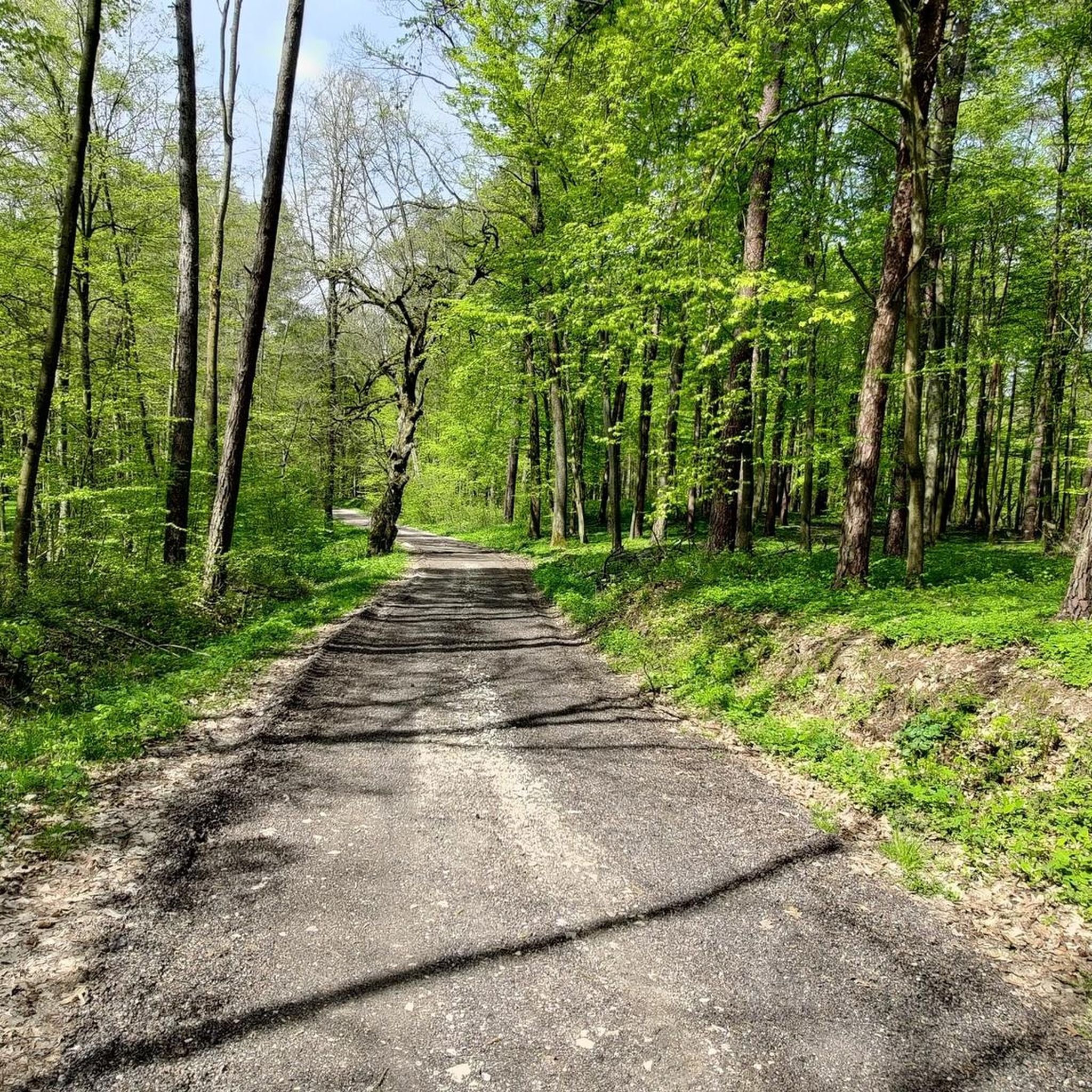
Hiking around Skierbieszów offers diverse terrain within the Skierbieszów Landscape Park, characterized by hilly landscapes and deep ravines carved into loess layers. This region features valuable habitats, including xerothermic grasslands and beech forests, supporting varied flora and fauna. The park encompasses two nature reserves, such as Broczówka Nature Reserve, which protects rare steppe plants and oak-hornbeam forests.
Best hiking trails around Skierbieszów
- The most popular hiking route is Nature and history trail "Stryjowskie Debry" (loop from Stryjowa): Skierbieszowski Landscape Park…
Last updated: May 15, 2026
5.0
(1)
1
hikers
Hard hike. Very good fitness required. Mostly accessible paths. Sure-footedness required.
1
hikers
Moderate hike. Good fitness required. Mostly accessible paths. Sure-footedness required.

Sign up for free
25
hikers
7.84km
02:00
20m
20m
Easy hike. Great for any fitness level. Easily-accessible paths. Suitable for all skill levels.
5.0
(1)
10
hikers
12.1km
03:05
30m
30m
Moderate hike. Good fitness required. Easily-accessible paths. Suitable for all skill levels.
5.0
(1)
6
hikers
2.26km
00:38
50m
50m
Easy hike. Great for any fitness level. Easily-accessible paths. Suitable for all skill levels.
Get access to more routes and recommendations from other explorers.
Sign up for free
Already have an account?
Our route recommendations are based on thousands of hikes, rides, and runs completed by other people on komoot.
Start today with a free account
Your next adventure awaits.
Login or Signup

Tips from the Community

Located in the Szczebrzeska Gate.
0
0
The former Szczebrzeska Gate (known as Floriańska Gate) was built at the beginning of the 17th century, when Zamość was being expanded, as one of the three gates at that time, located at the southern line of the city walls, on the road to the west (currently at Szczebrzeska Street).
0
0
A pleasant, historic place for walking, running and relaxing in nature
0
0
Shoemaker - the title character of a poem by Bolesław Leśmian from the collection of poems "Łąka", 1920 - In the Szczebrzeska Gate A sculpture made by Bartłomiej Sęczawa on the initiative of the Zamość Cultural Center, financed by a grant from the City of Zamość. Unveiling of the sculpture - September 10, 2022
0
0

The Szczebrzeszyn Gate was built according to the design of Bernardo Morando in the years 1603-1605. The gate was placed in the curtain between bastions II and III, it opened towards the Szczebrzeszyn route, through a causeway running above the defensive water reservoir. The gate was rebuilt in the years 1821-1824, giving it the features of classicist architecture. In 1866, after the liquidation of the fortress, the passage was bricked up. At that time, it housed a prison and a guardhouse. After World War II, initially it housed a repatriation office and a radio station, and then in the 1950s and 1960s, the "Staromiejski" hotel. Until the 1990s, it housed a police station.
2
0
The Renaissance church in Zamość's Old Town was built in the late 16th century. It is located on the Lublin Renaissance Trail. The church was founded by the city's founder, Jan Zamoyski, and designed by the Italian architect Bernardo Morando, which is why it draws inspiration from Italian churches of the 15th and 16th centuries. Initially a collegiate church, Zamość fell under the Chełm bishopric. Only in 1992, when the Zamość-Lubaczów diocese was established, was it elevated to a cathedral. After the death of its architect, in the early 17th century, the interior decoration of this church was completed. The church was consecrated in 1637. Significant reconstruction was carried out only during the partition period, in 1824–1826, under the command of General J. Mallet-Malletski, who then directed the expansion and modernization of the Zamość fortress. During this period, the cathedral was lowered, and the façade, among other things, was altered, giving it a more classicist appearance. The inscriptions and coats of arms of the Zamoyski family disappeared, and some interior elements were removed. Further alterations and renovations, some of which resulted in extensive damage, were carried out in the second half of the 19th century and the first half of the 20th century.
0
0
The Renaissance church in Zamość's Old Town was built in the late 16th century. It is located on the Lublin Renaissance Trail. The church was founded by the city's founder, Jan Zamoyski, and designed by the Italian architect Bernardo Morando, which is why it draws on Italian churches of the 15th and 16th centuries. Initially a collegiate church, Zamość fell under the Chełm bishopric. Only in 1992, when the Zamość-Lubaczów diocese was established, was it elevated to a cathedral. After the death of its architect, in the early 17th century, the interior decoration of this church was completed. The church was consecrated in 1637. Significant reconstruction was carried out only during the partition period, in 1824–1826, under the command of General J. Mallet-Malletski, who then directed the expansion and modernization of the Zamość fortress. During this period, the cathedral was lowered, and the façade, among other things, was altered, giving it a more classicist appearance. The inscriptions and coats of arms of the Zamoyski family disappeared, and some interior elements were removed. Further alterations and renovations, some of which resulted in extensive damage, were carried out in the second half of the 19th century and the first half of the 20th century.
1
0
Mannerist-Baroque, the main building in Zamość Old Town. It is located in the northern frontage of Rynek Wielki, on the western side, slightly protruding into the center of the market. It has a 52-meter clock tower and wide, fan-shaped stairs.
0
0
Frequently Asked Questions
What kind of terrain can I expect when hiking in Skierbieszów?
Hiking in Skierbieszów offers a dynamic landscape characterized by hilly terrain intersected by deep ravines, which are carved into loess layers. This creates a picturesque environment with both ascents and descents. You'll also encounter valuable habitats like xerothermic grasslands and beech forests, making for varied and interesting paths.
Are there any easy hiking trails suitable for beginners or families?
Yes, Skierbieszów offers several easy trails. For instance, the Natural Spring loop from Stary Majdan is an easy 2.3 km path that takes about 38 minutes to complete. Another accessible option is the Educational-walking trail Skierbieszów-Dulnik-Zawoda-Broczówka, a moderate 8.7 km loop with mostly accessible paths, suitable for those looking for a slightly longer but still manageable walk.
Can I find circular hiking routes in the Skierbieszów area?
Yes, many of the trails in Skierbieszów are designed as loops. For example, the challenging Nature and history trail "Stryjowskie Debry" is a 20.6 km loop, and the Educational-walking trail Skierbieszów-Dulnik-Zawoda-Broczówka is an 8.7 km loop. The Natural Spring loop from Stary Majdan is also a circular route.
What natural attractions or points of interest can I see while hiking?
The Skierbieszów Landscape Park is rich in natural beauty. You can explore valuable habitats like xerothermic grasslands and beech forests, which are home to rare plant and animal species. The park also contains nature reserves, such as the Broczówka Nature Reserve, which protects unique steppe plants and oak-hornbeam forests. The region's defining feature is its dramatically sculpted loess landscape with deep ravines.
Are there any historical sites or landmarks to visit near the hiking trails?
Beyond the natural beauty, Skierbieszów itself offers historical attractions. You can visit the historic church of St. Assumption of the Blessed Virgin Mary and a World War I cemetery. The broader area, especially along the Green Velo trail, also features numerous historical sites like churches, palaces, and manor houses that can be integrated into longer excursions. For other nearby historical points of interest, consider visiting the Szczebrzeska Gate or the Zamość Fortress Fortifications.
What do other hikers enjoy most about hiking in Skierbieszów?
The hiking routes in Skierbieszów are highly rated by the komoot community, with an average score of 4.8 stars from over 10 reviews. Hikers often praise the diverse terrain, from hilly landscapes to deep ravines, and the opportunity to explore protected natural habitats like xerothermic grasslands and beech forests. The variety of trails catering to different fitness levels is also a frequently appreciated aspect.
Is Skierbieszów a good destination for wildlife spotting?
Yes, the Skierbieszów Landscape Park is known for its rich biodiversity. The valuable habitats, including xerothermic grasslands and beech forests, support rare species of plants and animals. Nature observation is a popular activity here, offering opportunities to spot local wildlife within these protected ecosystems.
Are there any unique activities like geocaching available in the park?
Yes, the Skierbieszów Landscape Park features a long geocaching route called “Szlakiem Ariańskim.” This adds an interactive and adventurous element to exploring the area, allowing you to discover hidden caches while enjoying the natural surroundings.
What is the best time of year to go hiking in Skierbieszów?
While hiking is possible year-round, the spring and autumn months are generally ideal for exploring Skierbieszów. During these seasons, the weather is typically mild, and the natural landscapes, from blooming wildflowers in spring to vibrant foliage in autumn, are particularly beautiful. The loess-rich soil can become muddy after heavy rain, so checking weather conditions is always advisable.
How many hiking trails are available in the Skierbieszów region?
There are over 40 hiking trails available in the Skierbieszów region, offering a wide range of options for different skill levels and preferences. This includes 24 easy routes, 15 moderate routes, and 2 difficult routes, ensuring there's something for everyone.
Are there any trails that pass by a water reservoir?
Yes, the Broczówka Nature Reserve, which safeguards xerothermic communities and forests, has a water reservoir in its vicinity. Trails that explore this area would likely offer views or access to this feature, providing a pleasant addition to your hike.
Most popular attractions around Skierbieszów

Get inspired with the komoot mobile app


Explore more
Browse the best Hikes in other regions.
