Attractions and Places To See around gmina Szczebrzeszyn - Top 20
Attractions and places to see around gmina Szczebrzeszyn blend historical significance with natural beauty. Located in the picturesque Roztocze region, the area features a multicultural past and diverse landscapes. Visitors can explore historical sites, religious buildings, and natural features like the Wieprz River valley and loess gorges. The gmina serves as a gateway to the broader Roztocze region, offering opportunities for outdoor activities.
Best attractions and places to see around gmina Szczebrzeszyn
- The most popular attractions is Zwierzyniec Brewery, a historical site that dates back to the beginning of the 19th century. It has a rich history of beer production and is open to visitors.
- Another must-see spot is Cathedral of the Resurrection and St. Thomas the Apostle, a religious building in Zamość's Old Town. This Renaissance church, designed by Bernardo Morando, is a significant example of the Lublin Renaissance style.
- Visitors also love Szczebrzeska Gate, a historical site built between 1603 and 1605. This gate was part of the Zamość fortress and has served various functions throughout its history.
- gmina Szczebrzeszyn is known for its historical sites, religious buildings, and natural features. The area offers a variety of attractions to see and explore, from ancient ruins to scenic river valleys.
- The attractions around gmina Szczebrzeszyn are appreciated by the komoot community, with more than 280 upvotes and 70 photos shared across 15 highlights.
Last updated: July 1, 2026
Zwierzyniec Brewery
Highlight • Historical Site
Translated by Google •
Tip by

Cathedral of the Resurrection and St. Thomas the Apostle
Highlight • Religious Site
Tip by

Sign up now to discover places like this
Get recommendations on the best single tracks, peaks, & plenty of other exciting outdoor places.
Sign up for free
Zamoyski's Summer Residence in Zwierzyniec
Highlight • Historical Site
Opposite the summer residence, he and his wife Teresa had the church known as Saint-Jean Népomucène built. The residence is today a spa resort. You can taste local beers and rent bikes there.
Translated by Google •
Tip by

Szczebrzeska Gate
Highlight • Historical Site
Translated by Google •
Tip by

Echo Ponds Beach
Highlight • Beach
Translated by Google •
Tip by

Sign up for free to discover even more attractions around gmina Szczebrzeszyn.
Sign up for free
Already have an account?
Start today with a free account
Your next adventure awaits.
Login or Signup
Popular around gmina Szczebrzeszyn
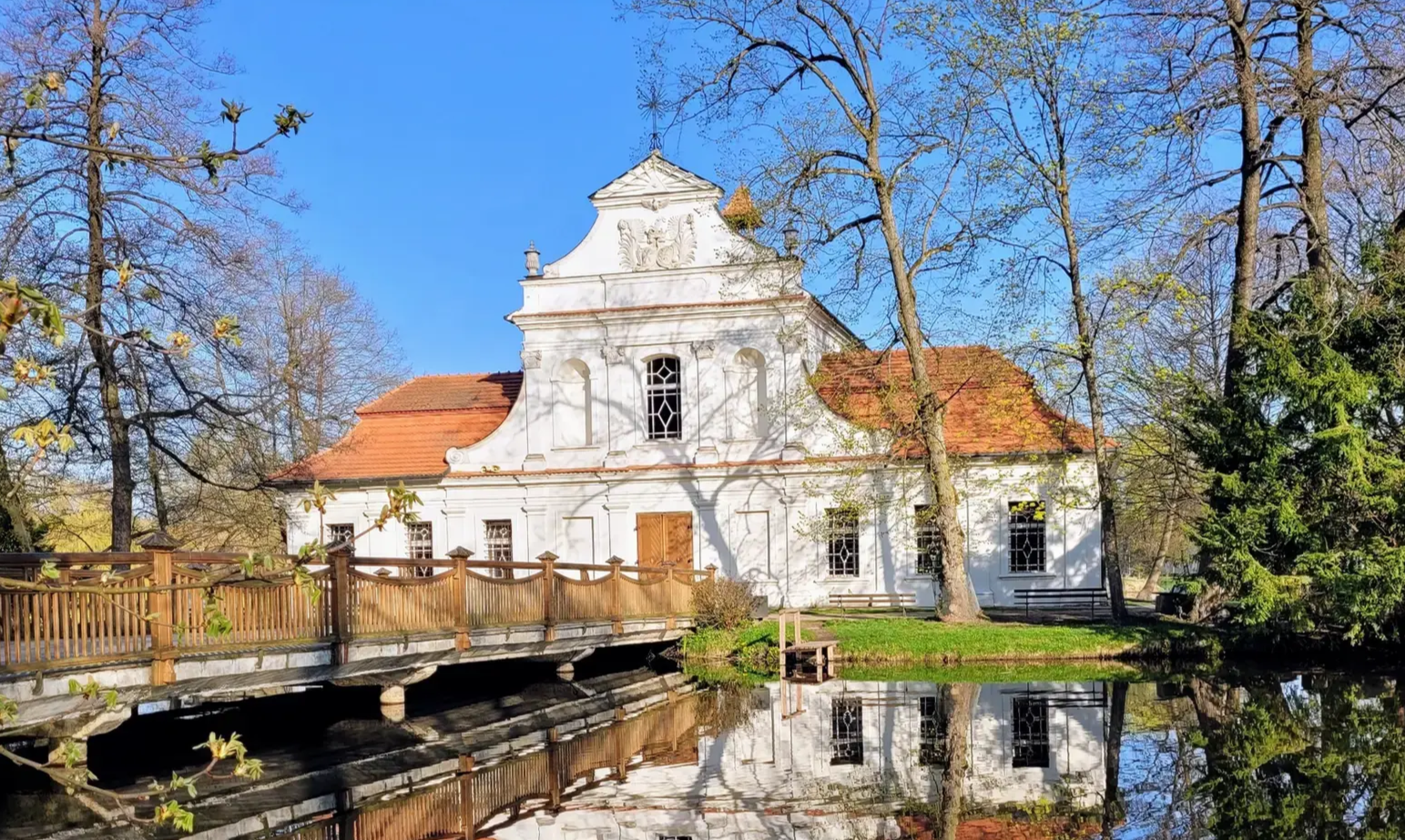
Central Roztocze Trail - beautiful forests and magnificent monuments
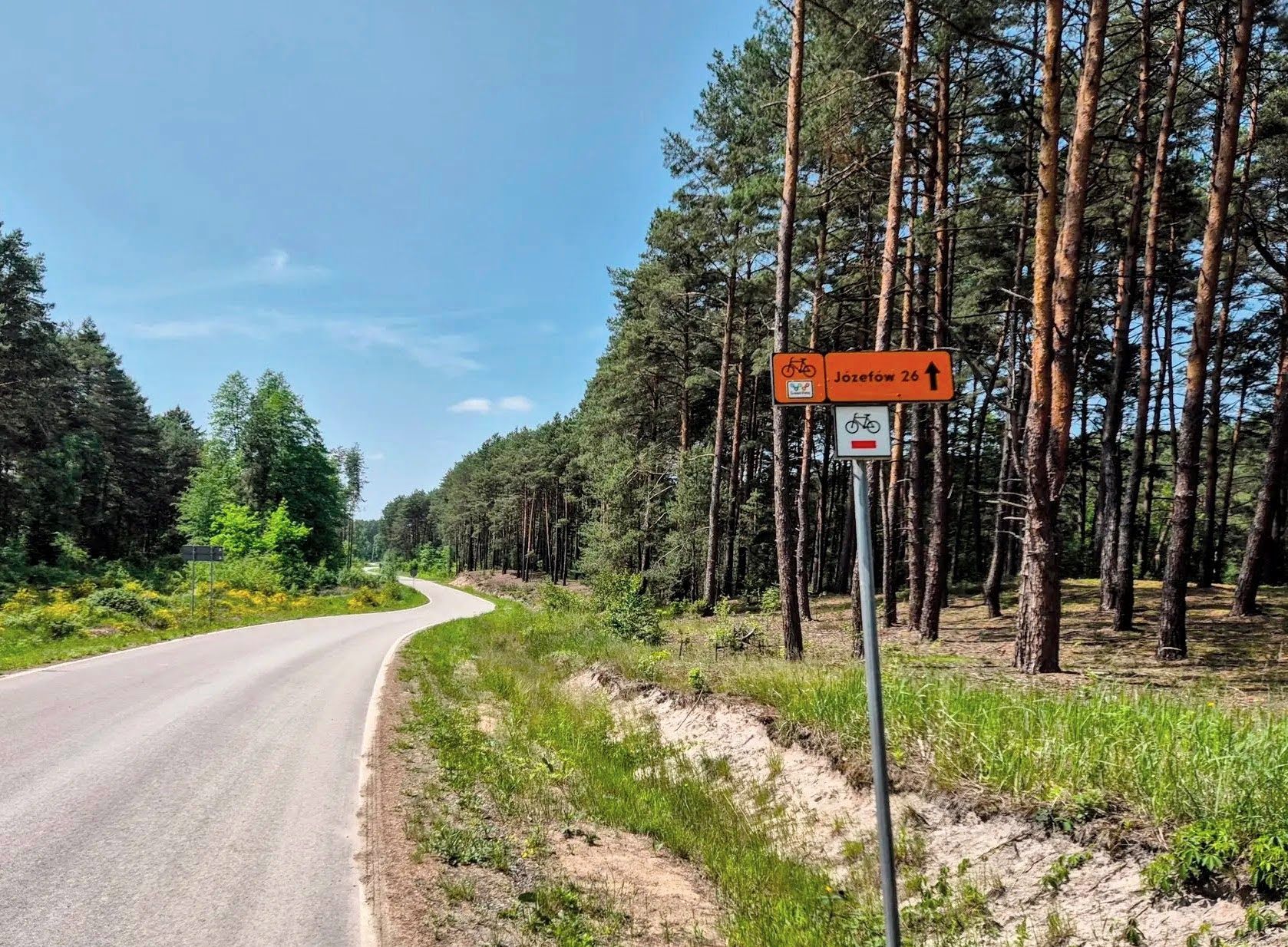
Mosaic of Landscapes and Cultures - Central Cycling Trail Roztocze
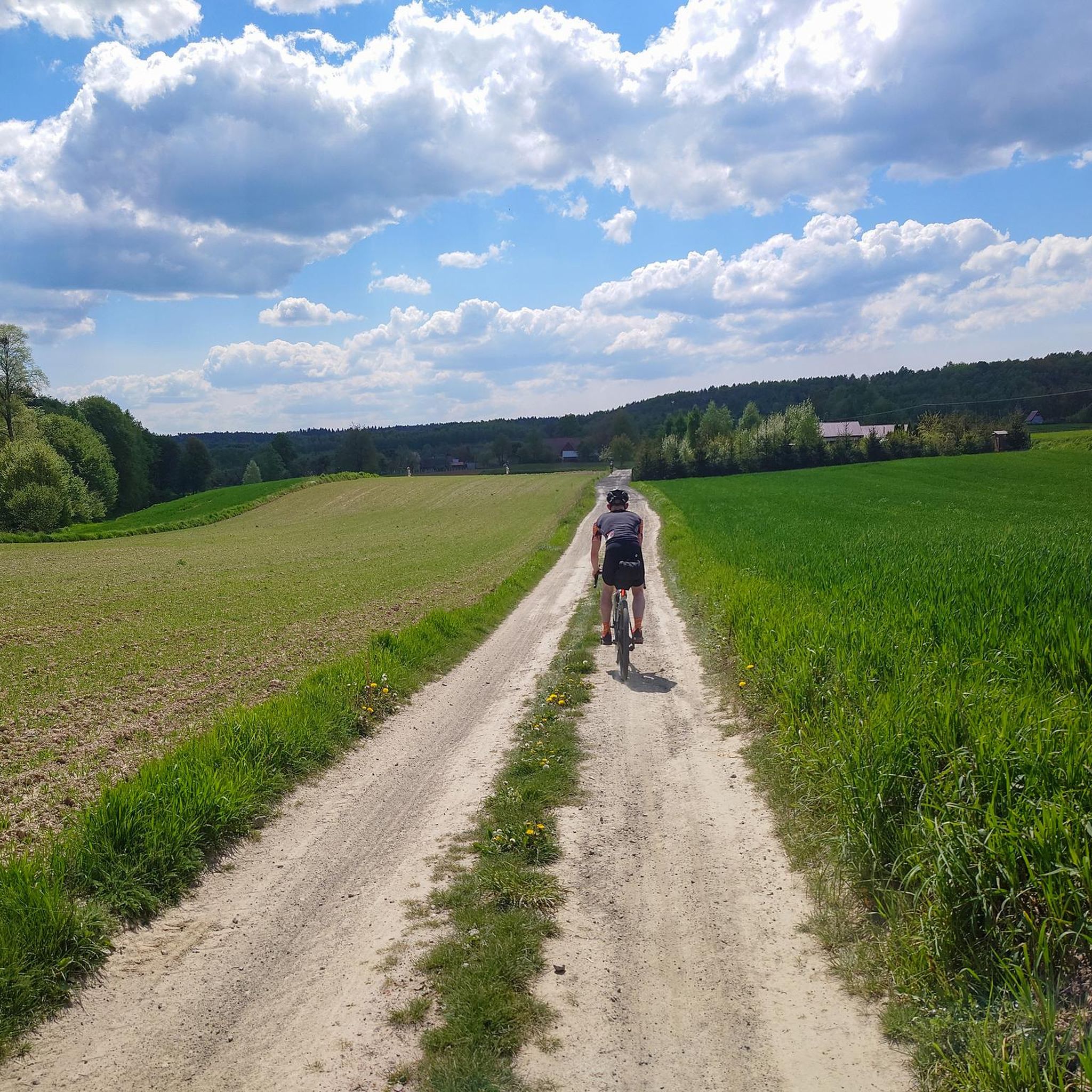
Road Cycling Routes around gmina Szczebrzeszyn
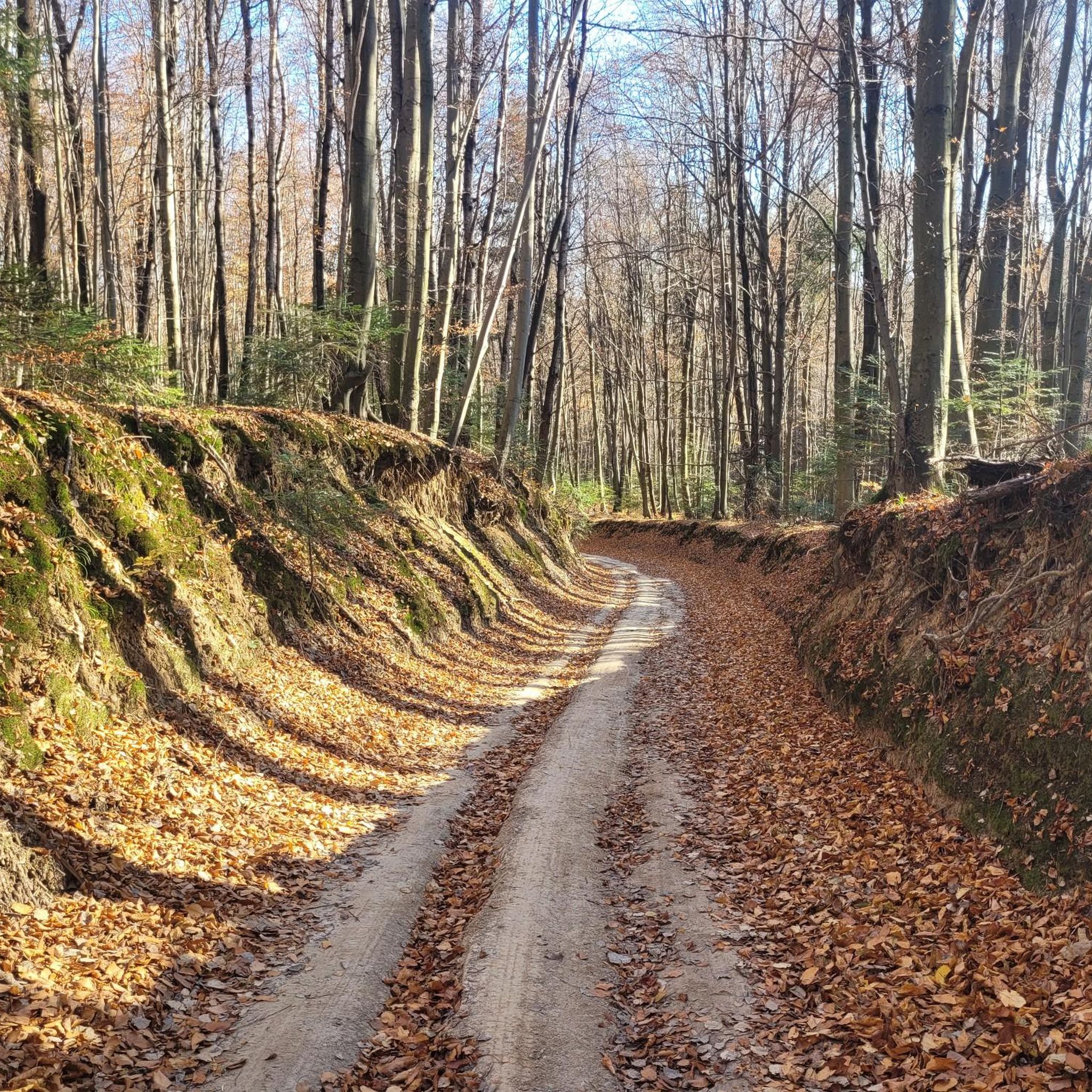
Hiking around gmina Szczebrzeszyn
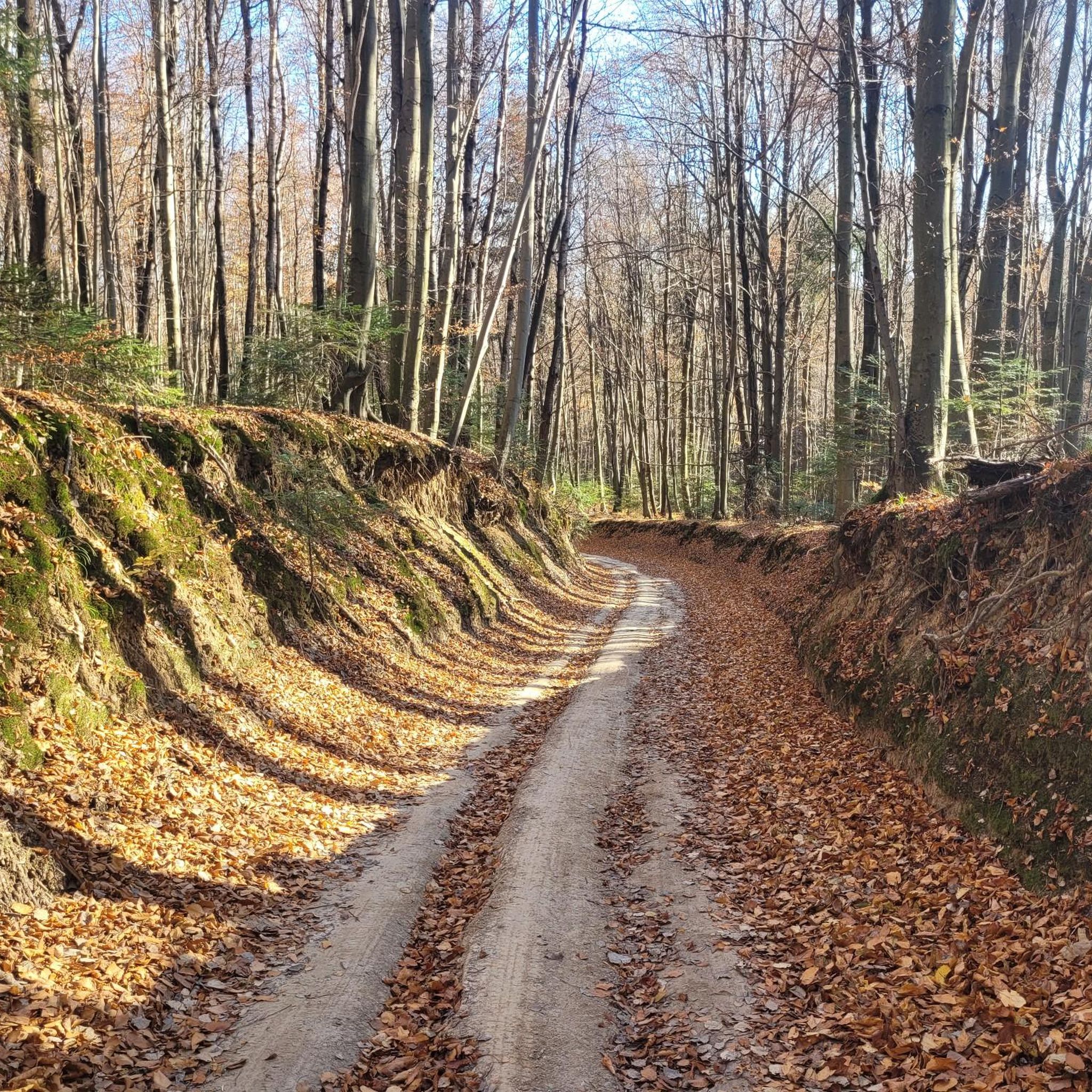
Cycling around gmina Szczebrzeszyn
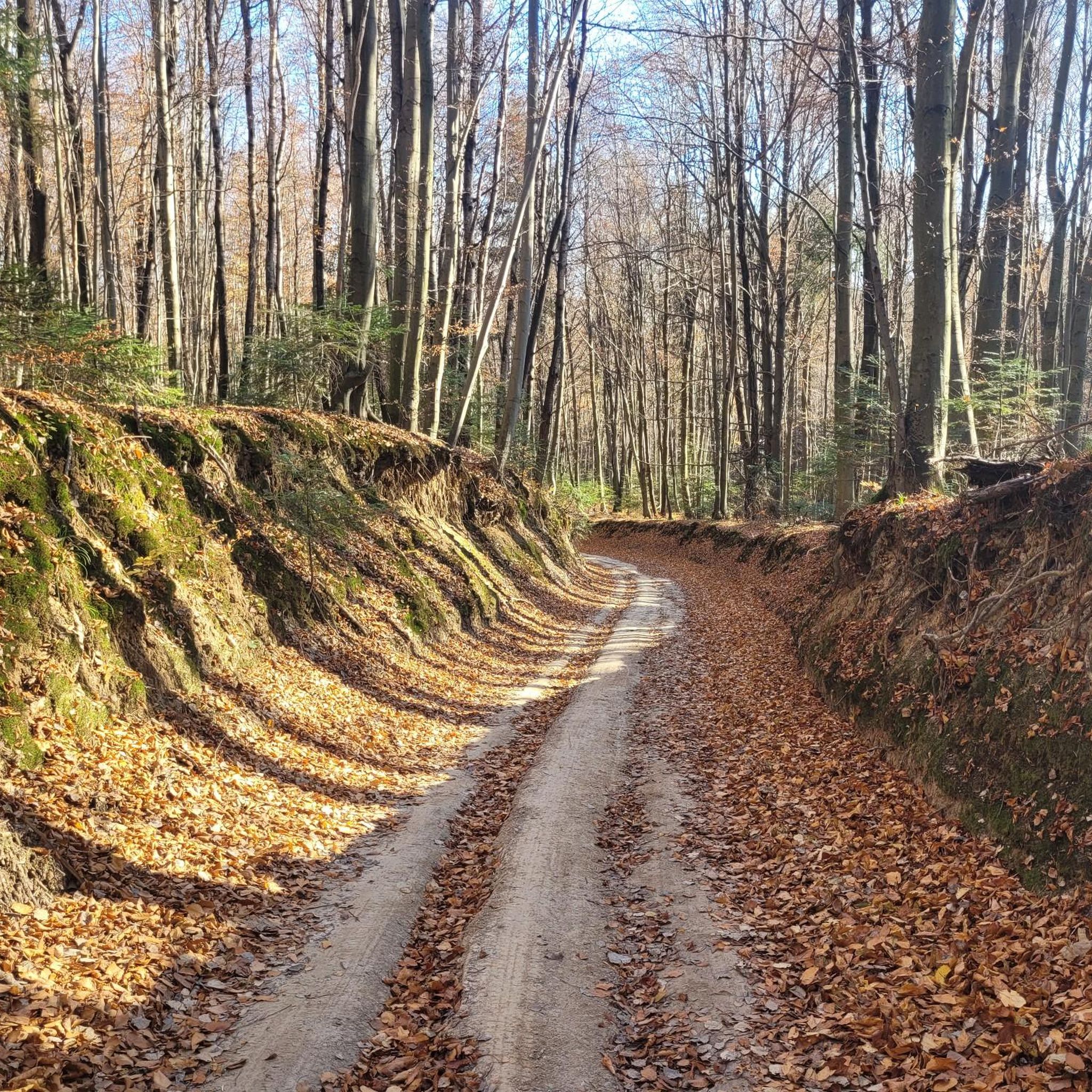
MTB Trails around gmina Szczebrzeszyn
Running Trails around gmina Szczebrzeszyn
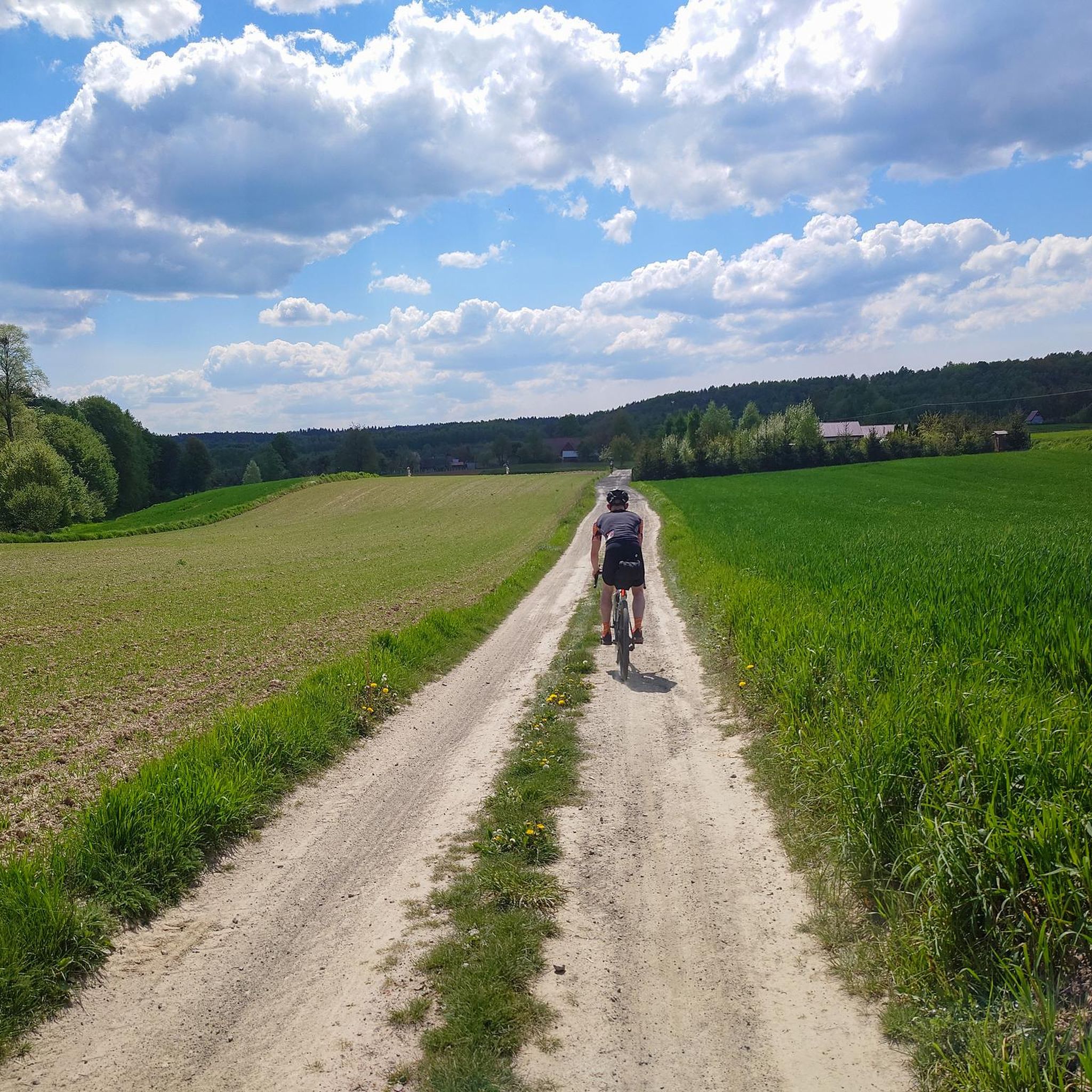
Gravel biking around gmina Szczebrzeszyn


Tips from the Community

The former Szczebrzeska Gate (known as Floriańska Gate) was built at the beginning of the 17th century, when Zamość was being expanded, as one of the three gates at that time, located at the southern line of the city walls, on the road to the west (currently at Szczebrzeska Street).
0
0

In 1593, Jan Zamoyski purchased the Szczebrzeszyn estate. There, near the village of Rudka, in the valley of the Wieprz River and the Świerszcz Stream, in an area covered with forests, he decided to realize the Renaissance idea of a "villa." He built a wooden, larch palace where he hosted distinguished guests and relaxed with his family. Early on, Jan Zamoyski also brought to the area gentle animals such as red deer, roe deer, fallow deer, and wild horses, also known as tarpans. These animals gave rise to Zwierzyńczyk and later Zwierzyniec. The summer palace was demolished due to its age in the mid-19th century and stood in the center of Zwierzyniec between two brick outbuildings – where the Woodworking School is currently located. Opposite their summer residence, Tomasz Antoni Zamoyski and his wife, Teresa Michowska, built a palace-style church in thanksgiving to God for the birth of their long-awaited son, Klemens. The Church of St. John of Nepomuk remains a major tourist attraction in Roztocze National Park.
0
0
The Szczebrzeszyn Gate was built according to the design of Bernardo Morando in the years 1603-1605. The gate was placed in the curtain between bastions II and III, it opened towards the Szczebrzeszyn route, through a causeway running above the defensive water reservoir. The gate was rebuilt in the years 1821-1824, giving it the features of classicist architecture. In 1866, after the liquidation of the fortress, the passage was bricked up. At that time, it housed a prison and a guardhouse. After World War II, initially it housed a repatriation office and a radio station, and then in the 1950s and 1960s, the "Staromiejski" hotel. Until the 1990s, it housed a police station.
2
0
The Renaissance church in Zamość's Old Town was built in the late 16th century. It is located on the Lublin Renaissance Trail. The church was founded by the city's founder, Jan Zamoyski, and designed by the Italian architect Bernardo Morando, which is why it draws inspiration from Italian churches of the 15th and 16th centuries. Initially a collegiate church, Zamość fell under the Chełm bishopric. Only in 1992, when the Zamość-Lubaczów diocese was established, was it elevated to a cathedral. After the death of its architect, in the early 17th century, the interior decoration of this church was completed. The church was consecrated in 1637. Significant reconstruction was carried out only during the partition period, in 1824–1826, under the command of General J. Mallet-Malletski, who then directed the expansion and modernization of the Zamość fortress. During this period, the cathedral was lowered, and the façade, among other things, was altered, giving it a more classicist appearance. The inscriptions and coats of arms of the Zamoyski family disappeared, and some interior elements were removed. Further alterations and renovations, some of which resulted in extensive damage, were carried out in the second half of the 19th century and the first half of the 20th century.
0
0
The Renaissance church in Zamość's Old Town was built in the late 16th century. It is located on the Lublin Renaissance Trail. The church was founded by the city's founder, Jan Zamoyski, and designed by the Italian architect Bernardo Morando, which is why it draws on Italian churches of the 15th and 16th centuries. Initially a collegiate church, Zamość fell under the Chełm bishopric. Only in 1992, when the Zamość-Lubaczów diocese was established, was it elevated to a cathedral. After the death of its architect, in the early 17th century, the interior decoration of this church was completed. The church was consecrated in 1637. Significant reconstruction was carried out only during the partition period, in 1824–1826, under the command of General J. Mallet-Malletski, who then directed the expansion and modernization of the Zamość fortress. During this period, the cathedral was lowered, and the façade, among other things, was altered, giving it a more classicist appearance. The inscriptions and coats of arms of the Zamoyski family disappeared, and some interior elements were removed. Further alterations and renovations, some of which resulted in extensive damage, were carried out in the second half of the 19th century and the first half of the 20th century.
1
0
The Zwierzyniec Brewery is a historic brewery from the early 19th century located in Zwierzyniec. The owner of the plant is the State Treasury, and the lessee – Perła – Browary Lubelskie. The brewery in Zwierzyniec was founded as part of the Zamoyski Family Fee Tariff by Stanisław Kostka Zamoyski at the beginning of the 19th century. The first buildings, which included a single-storey brewing plant, cellars, warehouses, a cooperage and a coach house, were built in 1805–1806 on the site of the former Zamoyski residence. The masonry work was supervised by master Grzegorz Szostakiewicz, and the Scottish brewer John McDonald was responsible for starting beer production. In 1806–1810, English porter-type beer was brewed there. In 1810, the brewery burned down. However, it was quickly rebuilt from the destruction. In 1834–1836, it was expanded and modernized. At that time, it was equipped with a steam engine, and a mill for grinding malt was set up in the new wing. From the 1840s, the plant was leased by the Zamość Estate. In the years 1866–1878, it suspended operations. Most of its equipment was sold. In 1878, after another expansion and the purchase of new equipment, it was reopened.
0
0

The brewery is open to visitors, and you can also grab a tasting ;)
0
0

Frequently Asked Questions
What historical sites can I explore in Gmina Szczebrzeszyn?
Gmina Szczebrzeszyn is rich in history. You can visit the Szczebrzeska Gate, a part of the former Zamość fortress, or explore the ruins on Castle Hill for glimpses into the town's ancient past. The Zamoyski's Summer Residence in Zwierzyniec also offers a look into the region's aristocratic history.
Are there any significant religious buildings to visit?
Yes, the area features several notable religious sites. The Cathedral of the Resurrection and St. Thomas the Apostle in Zamość's Old Town is a prime example of the Lublin Renaissance style. You can also see the Church of St. Nicholas, the Church of the Assumption of the Blessed Virgin Mary (one of Poland's oldest active Orthodox churches), and the St. Isidore's Church in Topólcza, known for its multicultural history as an Orthodox, Uniate, and Catholic church.
What natural attractions can I find in Gmina Szczebrzeszyn?
The region is a gateway to the picturesque Roztocze, offering beautiful landscapes. You can explore unique loess gorges, walk along the scenic Wieprz River Valley, or discover the flora and fauna in the Szczebrzeszyn Landscape Park, including areas like Piekiełko and Brodzka Mountain. Don't miss the famous 'Beetle in the Reeds' monuments, inspired by a Polish poem.
What cultural experiences does Szczebrzeszyn offer, reflecting its multicultural past?
Szczebrzeszyn's multicultural heritage is evident in its sites. The 17th-century Synagogue, now the Szczebrzeszyn Community Cultural Center, provides insight into the Jewish community's history. The town also hosts the Capital of the Polish Language Festival, a multi-day event celebrating Polish language and culture.
Are there opportunities for hiking or cycling near the attractions?
Absolutely. The gmina offers several well-marked tourist trails. For hiking, you can explore routes like the 'Szewnia Dolna - Wojda Loop' or the 'Partisan Trail Loop from Szczebrzeszyn'. Cyclists can enjoy paths like the 'Central Roztocze Bicycle Trail' or the 'Beetle Monument – Rudka Reservoir loop'. You can find more details on these and other routes in the hiking guide, running guide, and road cycling guide for the area.
What are some family-friendly attractions in Gmina Szczebrzeszyn?
Many attractions are suitable for families. The Zwierzyniec Brewery is a historical site that can be interesting for all ages, and the surrounding natural areas like the Wieprz River Valley and Szczebrzeszyn Landscape Park offer gentle paths for family walks. The 'Beetle in the Reeds' monuments are also a fun discovery for children.
Where can I learn about the region's industrial heritage?
You can delve into the industrial past by visiting the Zwierzyniec Brewery, which dates back to the early 19th century and has a rich history of beer production. Other sites include the Klemensów Sugar Factory Director's House and an Old Mill near the Wieprz River, showcasing the area's agricultural and milling traditions.
Are there any museums or art galleries in Szczebrzeszyn?
Yes, the Municipal Cultural Center houses the Museum of Earth and Sea Treasures and the Museum of Old Clocks, featuring private collections of fossils, minerals, and antique timepieces. Additionally, Galerie Roztocze is one of several art galleries showcasing works by local artists and handcrafted items.
What do visitors enjoy most about Gmina Szczebrzeszyn?
Visitors particularly appreciate the blend of historical significance and natural beauty. The historical sites like the Szczebrzeska Gate and the architectural beauty of the Cathedral of the Resurrection are highly rated. The opportunity to explore the picturesque Roztocze region, with its forests, glades, and loess gorges, is also a major draw.
What is the best time to visit Gmina Szczebrzeszyn for outdoor activities?
The spring and autumn months generally offer pleasant weather for outdoor activities like hiking and cycling, with comfortable temperatures and beautiful natural scenery. Summer is also popular, especially for enjoying the Wieprz River and the various walking paths.
Are there any unique local landmarks or points of interest?
Beyond historical buildings, Szczebrzeszyn is famously associated with a Polish poem about a beetle chirping in the reeds. You'll find interesting sculptures of beetles throughout the town, including one with a violin, paying homage to this literary connection and adding a unique charm to your visit.
Most popular routes around gmina Szczebrzeszyn
Most popular attractions around gmina Szczebrzeszyn

Get inspired with the komoot mobile app


Explore more
Still not found the Highlight you’re looking for? See guides of the top attractions in other regions:
