The best cycling routes around Małomice
4.6
(109)
456
riders
22
rides
Touring cycling around Małomice offers diverse landscapes within the Lower Silesian Voivodeship, characterized by forests, river valleys, and unique natural features. The region's terrain includes the picturesque Iławka Valley with its meandering stream and lush greenery, alongside the distinct Kozłowska Desert, featuring exposed sand dunes. Cyclists can expect a mix of country roads and dedicated cycling paths, providing varied experiences across relatively gentle elevations. Historical sites and natural attractions are integrated into the local cycling network.
Best touring cycling routes around Małomice
- The most popular touring cycling route is Nowa Sól–Stypułów Rail Trail – Ciepielów Station Rest Area loop from Małomice, a 48.0 miles (77.2 km) trail that takes 4 hours 26 minutes to complete. This moderate route follows a former rail trail, offering a smooth and scenic journey through the landscape.
- Another top favourite among local touring cyclists is Stypułów Horse Stud – Nowa Sól–Stypułów Rail Trail loop from Małomice, a moderate 34.4 miles (55.4 km) path. This route also incorporates sections of the pleasant rail trail, passing by the Stypułów Horse Stud and offering views of the surrounding countryside.
- Local touring cyclists also love the Żagań Town Hall – Former Town Hall Żagań loop from gmina Małomice, a 20.1 miles (32.4 km) trail leading through historical areas, often completed in about 2 hours 16 minutes.
- Touring cycling around Małomice is defined by the scenic Iławka Valley, the unique Kozłowska Desert, and routes connecting historical sites like Żagań Palace. The network offers options for easy, moderate, and difficult routes, catering to different ability levels.
- The routes in Małomice are highly rated by the komoot community with an average score of 4.5 stars from over 100 reviews. More than 400 touring cyclists have used komoot to explore Małomice's varied terrain.
Last updated: July 4, 2026
4.6
(19)
57
riders
Moderate bike ride. Good fitness required. Mostly paved surfaces. Suitable for all skill levels.
4.5
(8)
39
riders
95.3km
05:37
310m
310m
Hard bike ride. Very good fitness required. Mostly paved surfaces. Suitable for all skill levels.

Sign up for free
4.6
(5)
23
riders
20.4km
01:09
50m
50m
Easy bike ride. Great for any fitness level. Mostly paved surfaces. Suitable for all skill levels.
13
riders
32.6km
02:18
70m
70m
Moderate bike ride. Good fitness required. Mostly paved surfaces. Suitable for all skill levels.
11
riders
34.9km
02:27
80m
80m
Moderate bike ride. Good fitness required. Mostly paved surfaces. Suitable for all skill levels.
Get access to more routes and recommendations from other explorers.
Sign up for free
Already have an account?
Our route recommendations are based on thousands of hikes, rides, and runs completed by other people on komoot.
Start today with a free account
Your next adventure awaits.
Login or Signup
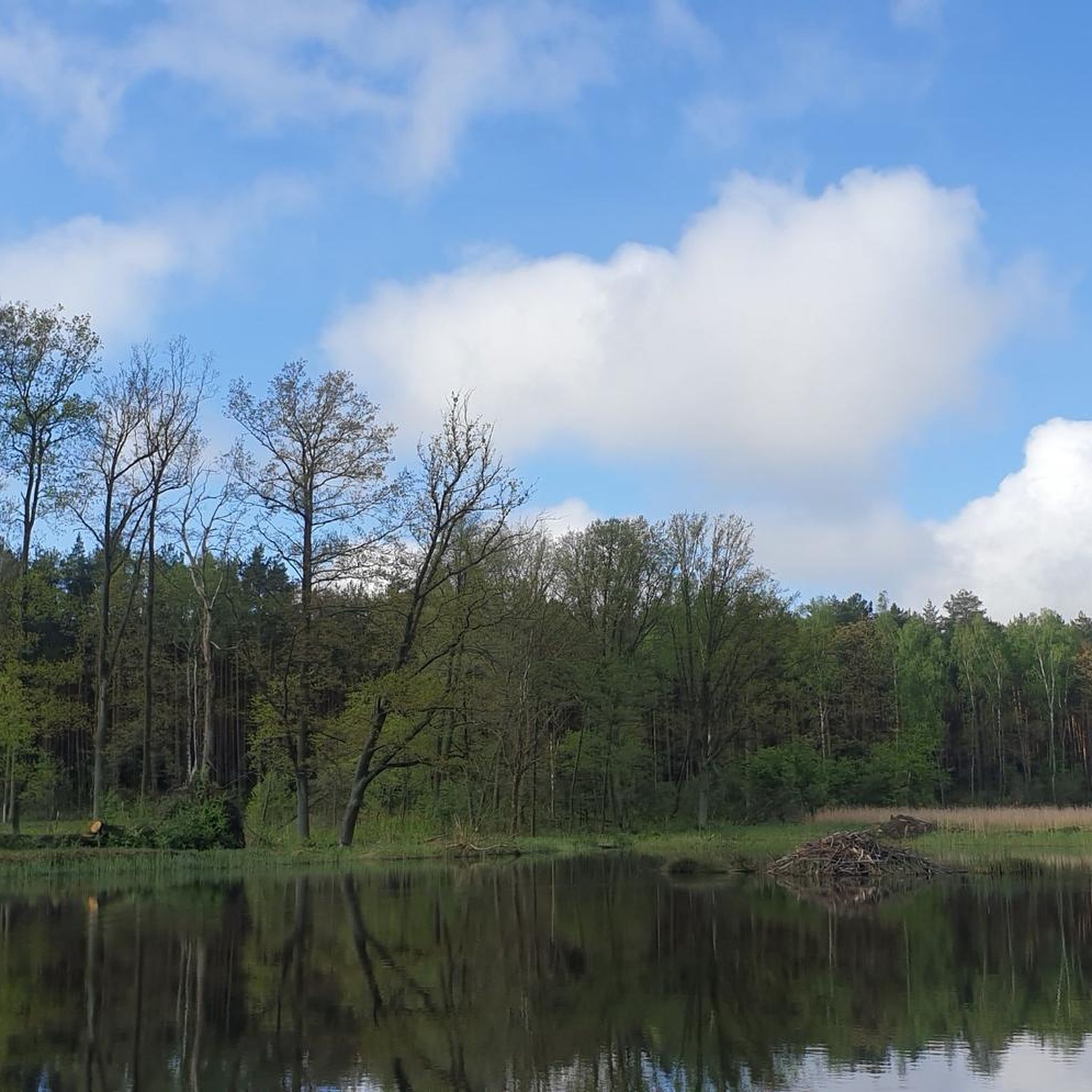
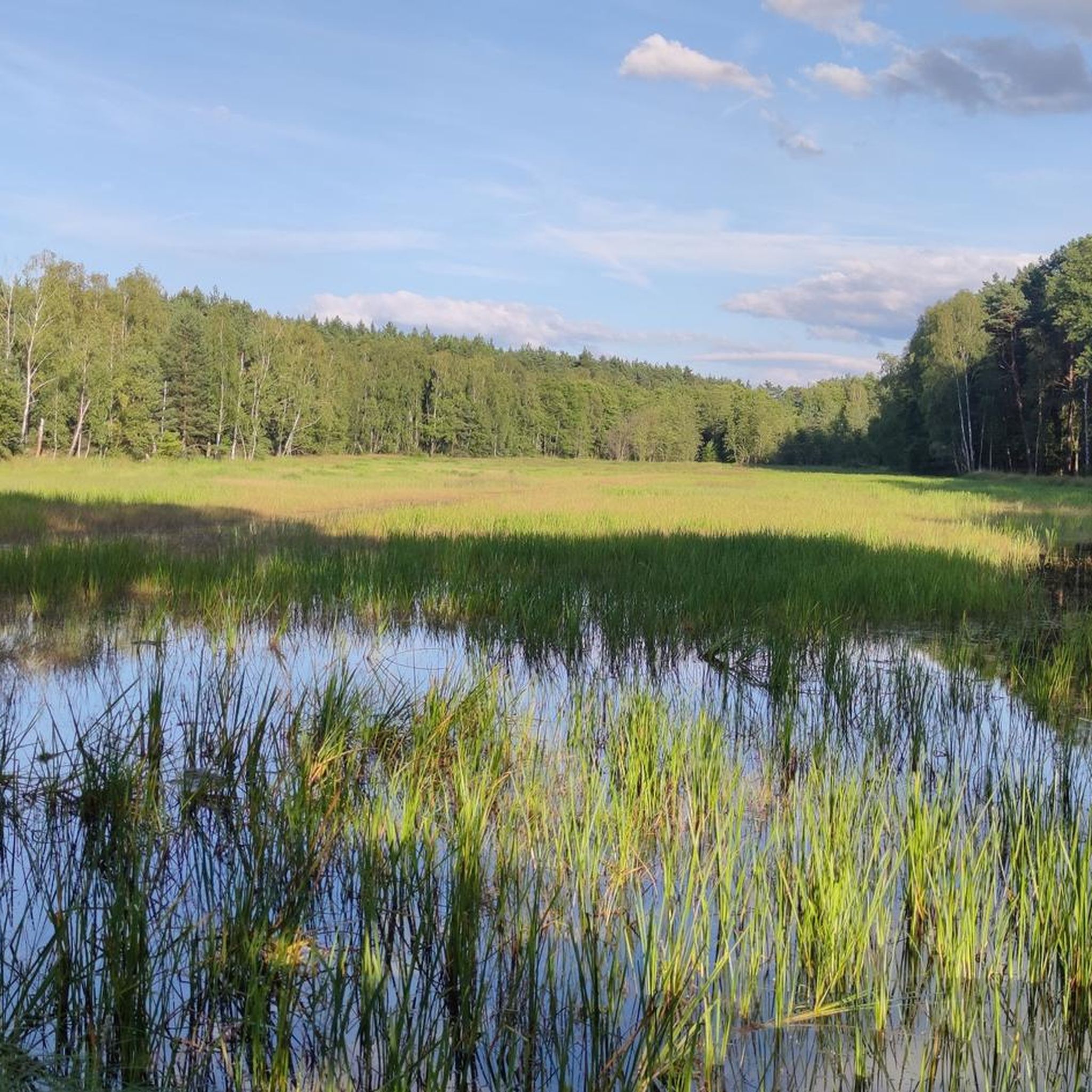
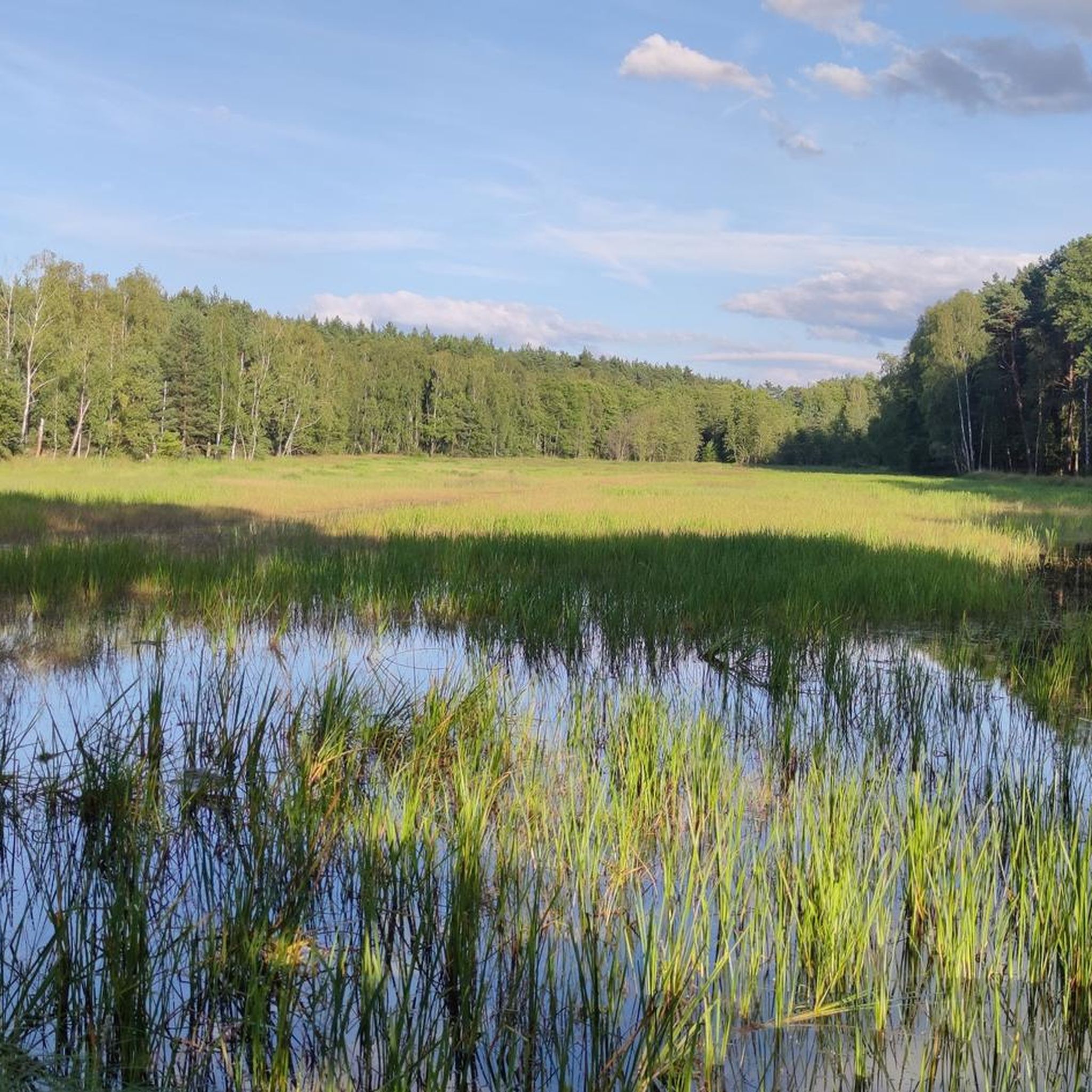
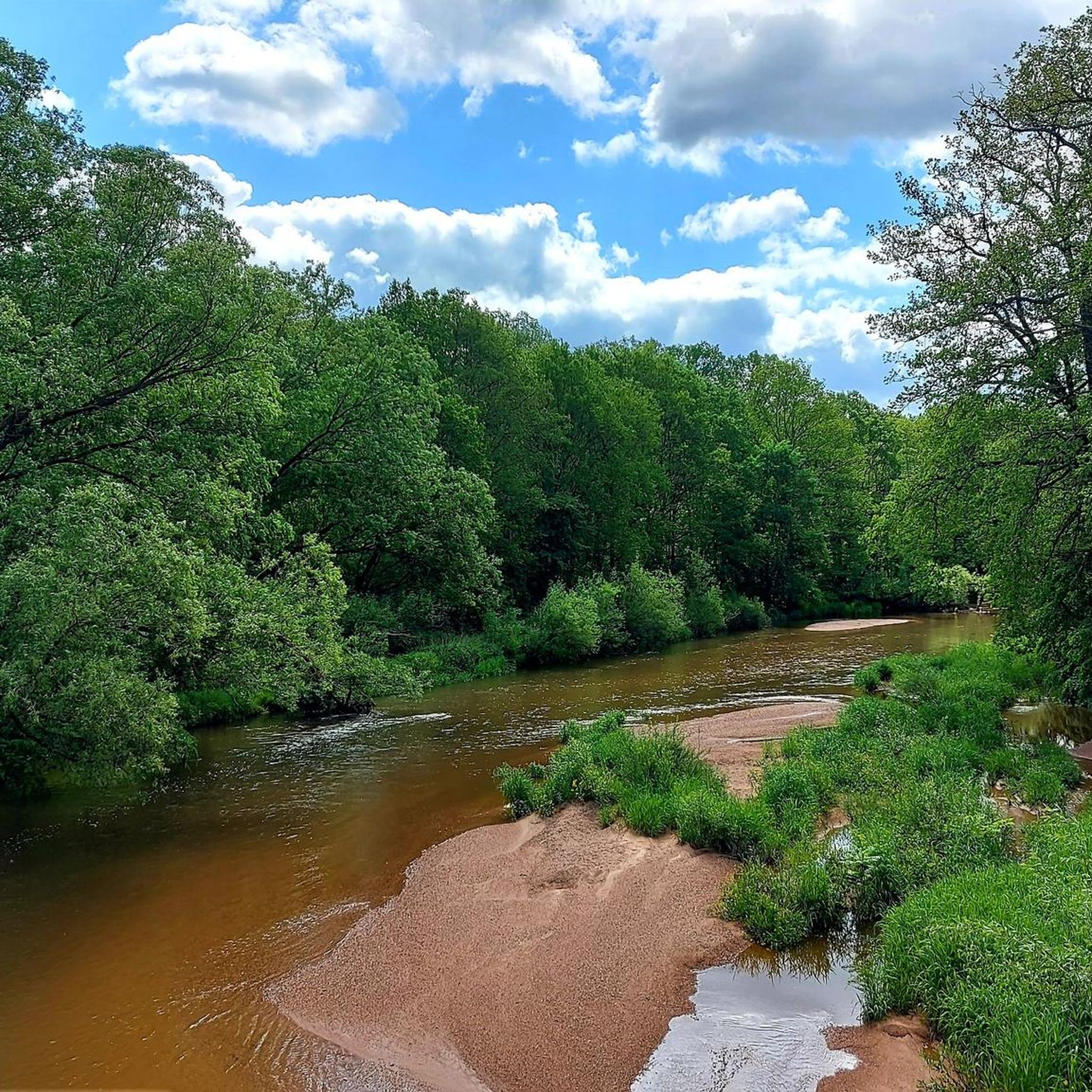

Tips from the Community

A restored railway station, with an on-site café serving delicious "Malinowa chmurka" cake. Right next to the asphalt bike path, this old station is surrounded by smooth, former German cobblestones. Of course, there are also areas where they imitate the famous Roubaix. The cobblestone section is approximately 200 meters long.
1
0


Unfortunately, this cycle path is not completely finished. The final layer of asphalt over the concrete slabs is missing. The cycle path is apparently rarely cleared and cleaned, which means that you have to cycle very slowly in some sections. The connection to the cycle path at the former Stypułów train station leads along an unpaved gravel road.
0
0


VELO SPROTAVIA is a strategic cycling path in the southern Lubusz Voivodeship. It runs vertically through the Szprotawa commune, from the town of Szprotawa to the village of Stypułów. At the former railway station in Stypułów, it connects with the regional RAILWAY TO BIKE path, which runs to Kożuchów, Nowa Sól, Otyń, Konotop, and the border with the Wielkopolska Voivodeship. The total length of VELO SPROTAVIA is 16 km. The route follows the former Szprotawa-Zielona Góra railway line (1911-1955), along the Szprotawa-Kartowice-Witków-Siecieborzyce-Stypułów section. Initially, the path runs parallel to the district road towards Kartowice, a short distance away. We ascend a gentle hill (141 m above sea level), offering a panoramic view of the surrounding area. Under favorable conditions, we can see the Karkonosze and Jizera Mountains from here. The agricultural landscape is only interrupted by a strip of trees growing along the path, with a significant proportion of fruit trees. According to legend, former passengers of the Zielona Góra railway, by throwing fruit pits out of the train windows, contributed to the creation of a linear orchard of plums, apples, pears, and cherries. From the hill, we descend pleasantly all the way to Kartowice itself, where, near the ruins of the village railway station, a cyclist service area (MOR) has been built, complete with a shelter, table, benches, parking spaces, and a bicycle repair module. No one will likely object if we pitch a tent near the shelter if necessary. It's a very atmospheric place. Near the shelter, we'll see a monument to the residents of Kartowice (Kortnitz in German) who died on the front lines of World War I. After a rest in Kartowice, we head further north, towards Witków. Soon, the agricultural landscape will transform into forest. This preservation owes its historical preservation to the fact that since the Middle Ages, this has been an inviolable border between the duchies of Głogów and Żagań. The forest preserves fragments of the famous Silesian Ramparts, built in the 15th/16th centuries, a kind of border barrier. All the preserved sections of the Silesian Ramparts constitute the longest archaeological site in Poland. The Szprotawa Land Museum holds a unique boundary marker from this forest. Nearby, by the district road, we come across a 19th-century stone signpost pointing the way towards Borowina (orig. "nach Hartau"). Old maps show peculiar enclaves in this area, such as Wilczy zaułek (Wilczy Lane), Krowie Bagno (Ciche Hill).
0
0
The Silesian Ramparts are the longest archaeological site in Poland. This medieval structure is considered the equivalent of the famous Great Wall of China. These are the until-recently-mysterious Silesian Ramparts, built in the 14th and 15th centuries on the border of the former Duchy of Głogów. The medieval Szprotawa District (districtus sprotaviensis) bordered the Duchy of Żagań to the west and the Duchy of Jawor to the south. The structure was enormous considering the local conditions. A system of ramparts and ditches was painstakingly constructed over several dozen kilometers, terminating at rivers or marshes. Sometimes the fortifications were so strong that they consisted of up to four adjacent ramparts. Hedges were planted and maintained on their crests to prevent sudden intrusions into the duchy. To give you an idea, at some sites the fortification system was over 40 meters wide with the height of the ramparts being about 2.5 meters!
0
0

A great place to start not only towards Kożuchów or further to Stypułów and Szprotawa. It is also a great junction point towards Kiełcz and further to Trakt Pruski and Bytom Odrzański. From MOR at ul. Przyszłości you can also set off towards Nowe Żabno, Drwalewice, Lasocin or Bielice and further to Nowe Miasteczko.
1
0
Frequently Asked Questions
How many touring cycling routes are available around Małomice?
There are over 20 touring cycling routes around Małomice, catering to various skill levels. You'll find a good mix, including 10 easy routes, 7 moderate routes, and 3 more challenging options for experienced cyclists.
What kind of terrain can I expect on touring cycling routes near Małomice?
The terrain around Małomice is quite diverse, offering a mix of landscapes within the Lower Silesian Voivodeship. You'll encounter forests, picturesque river valleys like the Iławka Valley, and unique natural features such as the Kozłowska Desert. Routes often follow country roads and dedicated cycling paths, generally featuring relatively gentle elevations.
What natural attractions can I discover while cycling around Małomice?
Cyclists can explore unique natural attractions such as the Kozłowska Desert, known for its exposed sand dunes. The region also features the scenic Iławka Valley, characterized by its meandering stream, lush greenery, and diverse birdlife, offering serene routes for nature lovers.
Are there any historical sites or landmarks to visit along the cycling routes?
Yes, the area around Małomice is rich in history. You can cycle past sites like the impressive Żagań Palace, the intriguing Jelenin Palace Ruins, and the historic St. Dorothea Hospital Complex. These offer glimpses into the region's past and make for interesting stops.
What do other touring cyclists enjoy the most about cycling in Małomice?
The touring cycling routes in Małomice are highly rated by the komoot community, with an average score of 4.5 stars from over 100 reviews. Cyclists often praise the varied terrain, the scenic beauty of the Iławka Valley, and the unique experience of cycling near the Kozłowska Desert, as well as the well-maintained paths like the Velo Sprotavia.
Are there family-friendly touring cycling routes in Małomice?
Yes, Małomice offers several easy touring cycling routes suitable for families. These routes typically have lower elevation gains and follow dedicated paths or quiet country roads, providing a pleasant experience for all ages. For example, the Bóbr River at Szprotawa – Szprotawa Town Hall loop from Małomice is an easy option.
Are there any long-distance touring cycling routes available?
For those seeking longer rides, routes like the Nowa Sól–Stypułów Rail Trail – Ciepielów Station Rest Area loop from Małomice cover approximately 77.2 km (48.0 miles) and take around 4 hours 26 minutes. Another option is the Bóbr River at Szprotawa – Chrobry Oak loop from Małomice, which is about 57.9 km (36.0 miles).
Can I find circular touring cycling routes around Małomice?
Many of the touring cycling routes around Małomice are designed as loops, allowing you to start and finish at the same point. This includes popular options like the Stypułów Horse Stud – Nowa Sól–Stypułów Rail Trail loop from Małomice and the Żagań Town Hall – Former Town Hall Żagań loop from gmina Małomice.
Is there dedicated cycling infrastructure in the Małomice area?
Yes, the region benefits from dedicated cycling infrastructure, notably the Velo Sprotavia Cycling Route. This pleasant bicycle path, along with sections of former rail trails, provides safe and enjoyable journeys for touring cyclists.
What is the best time of year for touring cycling in Małomice?
While specific weather data isn't provided, the region's diverse natural landscapes and outdoor attractions suggest that spring, summer, and early autumn would be ideal for touring cycling. The water reservoir in Małomice is popular in summer, indicating pleasant conditions for outdoor activities during this period.
Are there any places to stop for refreshments or relaxation along the routes?
The region offers various villages and towns along its routes where you might find local cafes or pubs. Additionally, the Water Reservoir in Małomice is a popular spot for relaxation, especially during the summer, providing a potential refreshment stop for cyclists.
What are the difficulty levels of the touring cycling routes?
The touring cycling routes around Małomice cater to all abilities. You can choose from 10 easy routes, 7 moderate routes, and 3 more difficult routes, ensuring there's an option whether you're a beginner or an experienced touring cyclist.
Most popular routes around Małomice
Most popular attractions around Małomice

Get inspired with the komoot mobile app


Explore more
Browse the best Cycling routes in other regions.
