Attractions and Places To See around gmina Łukowica - Top 20
Attractions and places to see around gmina Łukowica include a blend of historical landmarks, natural beauty, and cultural points of interest. Located in the southern part of Lesser Poland Voivodeship, the area features the Beskid Wyspowy mountains and the Sądecka Basin, characterized by the valleys of the Łukowica, Słomka, and Jastrzębik streams. Visitors can explore historic wooden churches, manor houses, and mountain peaks. The region offers varied landscapes for outdoor activities.
Best attractions and places to see around gmina Łukowica
…Last updated: July 1, 2026
Poprad River Footbridge
Highlight • Bridge
Translated by Google •
Tip by

Observation Tower
Highlight • Monument
Translated by Google •
Tip by

Sign up now to discover places like this
Get recommendations on the best single tracks, peaks, & plenty of other exciting outdoor places.
Sign up for free
Historic Well on the Market Square
Highlight • Monument
Translated by Google •
Tip by

Velo Dunajec Cycle Route
Highlight (Segment) • Cycleway
Translated by Google •
Tip by

Amphitheater of Strzelecki Park
Highlight • Structure
Translated by Google •
Tip by
Sign up for free to discover even more attractions around gmina Łukowica.
Sign up for free
Already have an account?
Start today with a free account
Your next adventure awaits.
Login or Signup
Tips from the Community


Park Strzelecki in Nowy Sącz is a green oasis close to the city center, ideal for a short break during a bike ride through Sądecczyzna. There is plenty of shade, well-kept paths, benches and a pond with a fountain. The park also houses the Roman Sichrawa amphitheater, which hosts concerts and cultural events. An ideal place for a quiet walk or a picnic on the way.
3
0
The footbridge over the Poprad in Stary Sącz is a modern pedestrian and bicycle crossing that connects the city with the EuroVelo 11 route and the Velo Dunajec trail. It offers a beautiful view of the river and the surrounding meadows and the Sądecki Beskids. The bridge facilitates access to the charming Galician Town and the historic center of Stary Sącz.
2
0

Even if your legs are tired, it is worth climbing the tower, because the views of the surrounding area are amazing.
1
0

Convenient ride over the Poprad. Not far from the mouth of the Dunajec.
1
2

Mogielnica is the highest peak in the Beskid Wyspowy, at an altitude of 1170m. There is a relatively new observation tower here, which is definitely worth climbing. The most popular trail to Mogielnica (green) is from Przełęcz Rydza-Śmigłego.
3
0

There is a cast iron well right under the beautiful lime trees planted in the market square around 1877. It was originally located next to the town hall, which was never rebuilt in a fire in 1795. The state in which we find the well dates back to 1848. The well was renovated in 2007.
1
0
The market square development is an example of medieval architecture. Until 1795, there was a town hall on the market square, but it burned down and was never rebuilt. The 17th-century burghers' house, known as the "House on the Dołkach", which survived the fire, houses a regional museum. The seat of the commune authorities is located in the farm building of the former Franciscan monastery. Due to the preserved medieval buildings of the town, in 1954 Stary Sącz was declared an urban reserve. The first mention of Stary Sącz dates back to 1257, when the Duke of Kraków-Sandomierz, Bolesław the Chaste, granted the Hungarian princess Kinga the Sącz land, which included the areas in the triangle: Biecz - Limanowa - Podoliniec (currently Slovakia) as a pledge for a dowry brought to Poland. Kinga enfranchised the Stary Sącz monastery of the Poor Clares that she had founded with the estates she received (including the city of Stary Sącz). At the same time, the seat of local authorities was moved from Podegrodzie to Stary Sącz. In 1358, Casimir III the Great allowed Stary Sącz to be incorporated under Magdeburg law, and at the same time exempted the city from tributes. In 1410, the city was burned down by the troops of Sigismund of Luxembourg led by Scibor of Sciborzyce. In 1679, a unique organ was built in the Church of St. Elizabeth, which was reconstructed in 2021–2023. the rebuilt organ of Jan Głowiński (1679) in the Church of St. Elizabeth of Hungary in Stary Sącz In 1683, King Jan III Sobieski, after the Battle of Vienna, visited the city on his way back to Warsaw to pay homage to the remains of Princess Kinga. He supported the efforts to beatify Kinga, and in 1690 Pope Alexander VIII declared Kinga blessed. More details: https://pl.wikipedia.org/wiki/Stary_S%C4%85cz https://it.wstarymsaczu.pl/starosadec-rynek/
1
0
Frequently Asked Questions
What are the best natural features and viewpoints to explore in Gmina Łukowica?
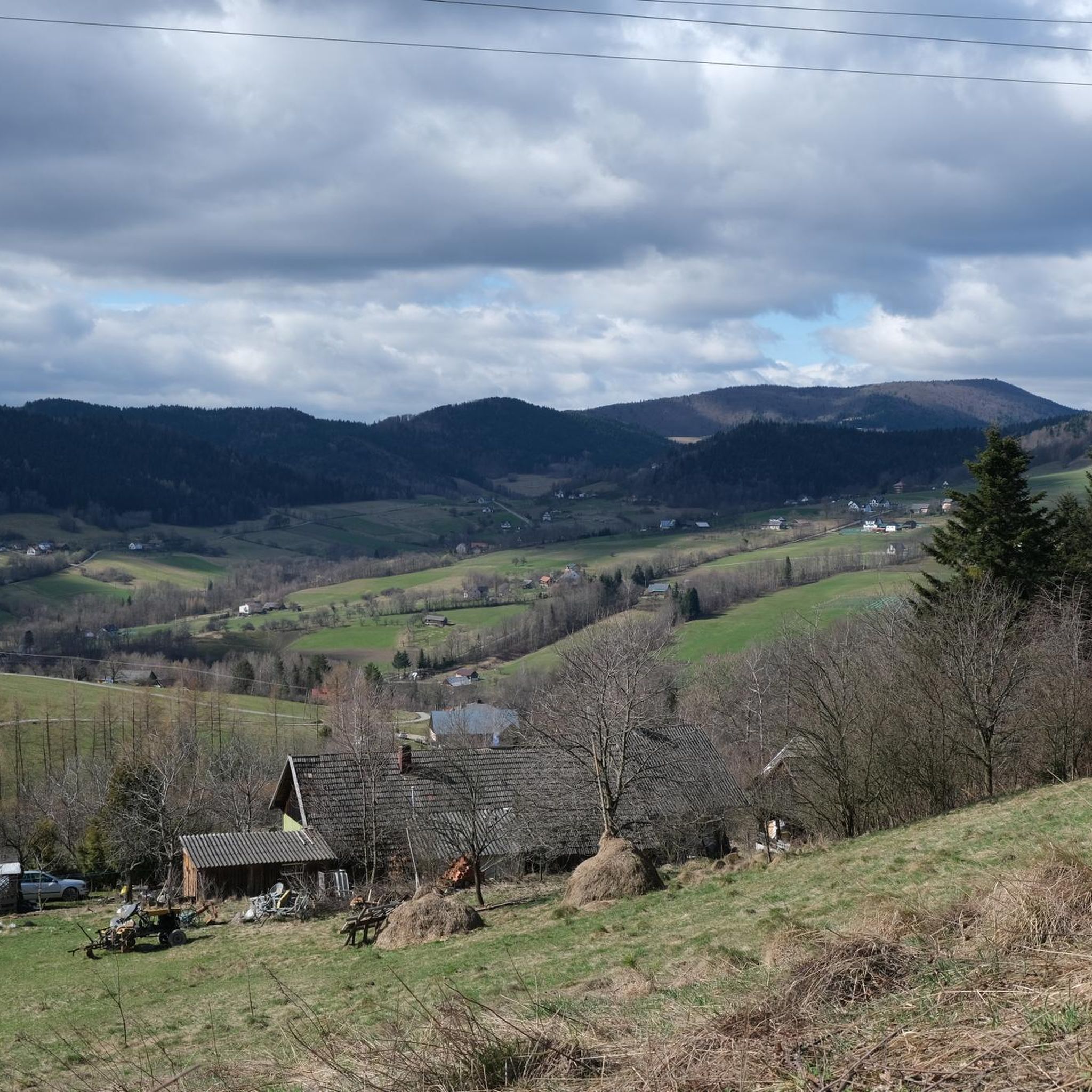
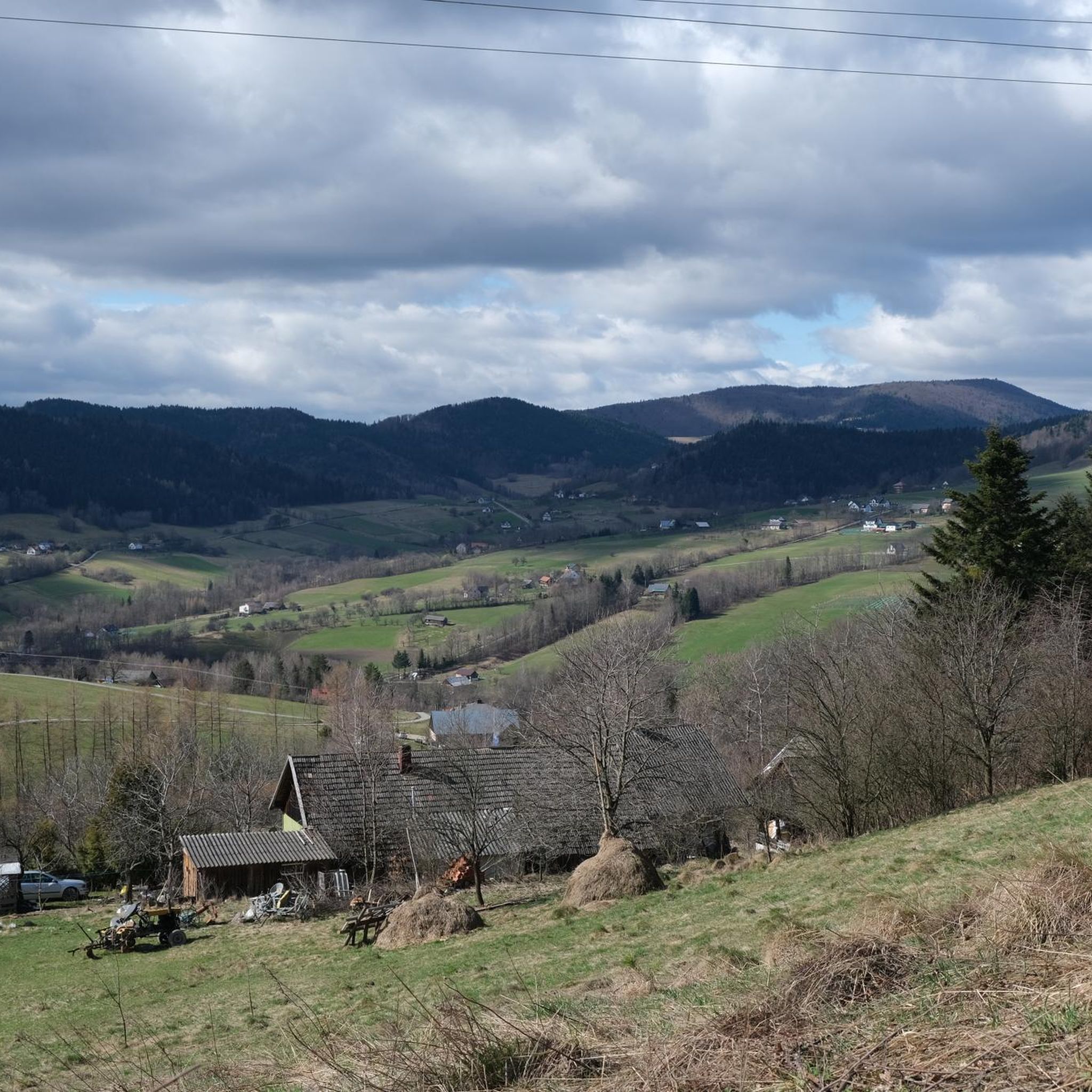
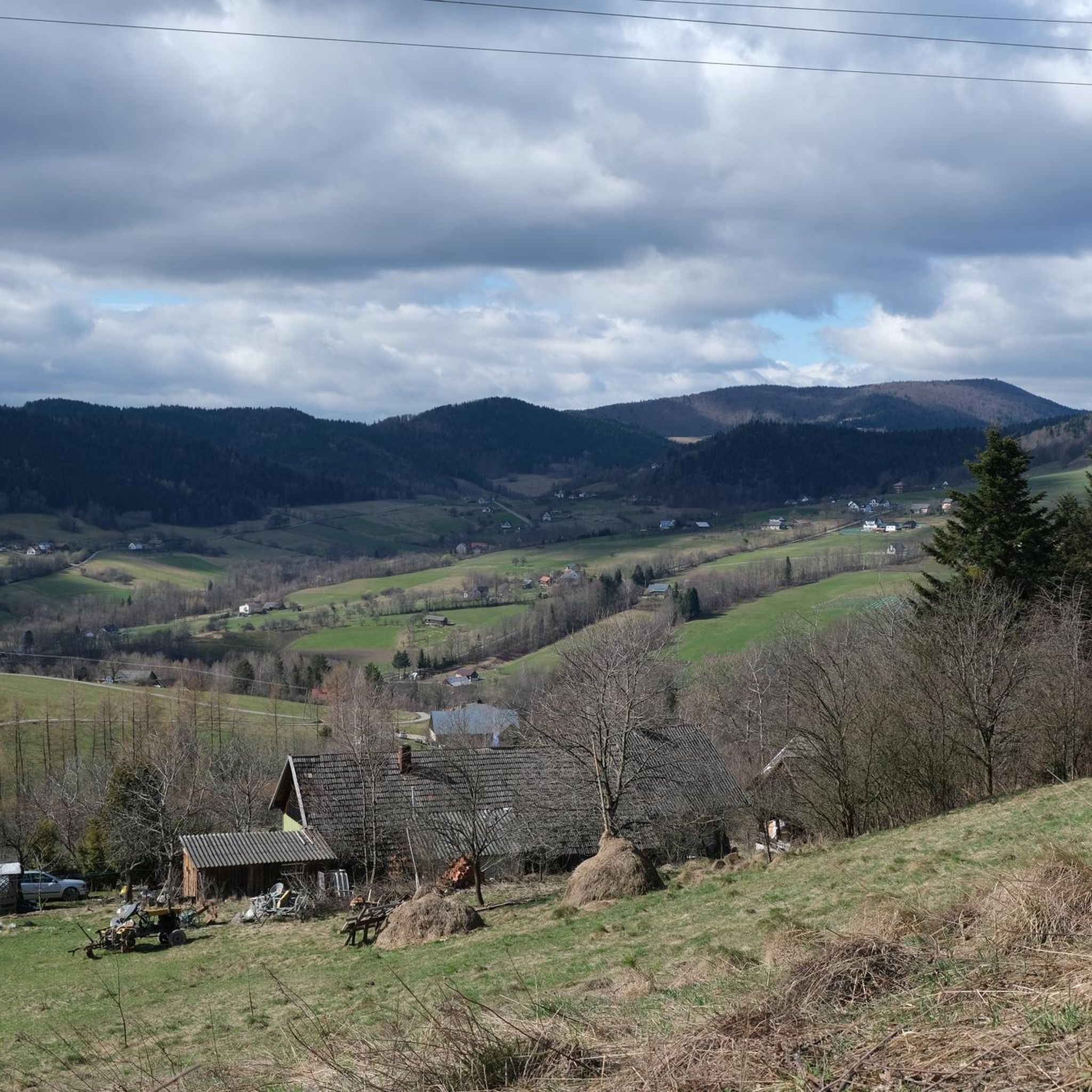
Gmina Łukowica is nestled within the Beskid Wyspowy mountains, offering numerous natural attractions. A prominent feature is the Observation Tower on Mogielnica, the highest peak at 1170m, providing panoramic views. Other peaks like Modyn (1029m), Jeżowa Woda (888m), Łyżka (807m), and Szkiełek (753m) also offer hiking opportunities and scenic vistas. The region is also known for its picturesque apple and plum orchards, and the valleys of the Łukowica, Słomka, and Jastrzębik streams.
Are there any historical or cultural sites worth visiting in Gmina Łukowica?
Yes, the area boasts a rich history. You can visit the historic 16th-century wooden Church of St. Andrew the Apostle in Łukowica, part of the Lesser Poland Wooden Architecture Trail. Another notable site is the 18th-century Historic Manor House in Świdnik, known for its unique architecture. The Neogothic Church in Przyszowa houses a valuable 14th-century Gothic figurine of the Madonna of Przyszowa. Additionally, the area has archaeological sites with evidence of prehistoric settlements and ancient trade routes.
What kind of outdoor activities can I do near the attractions in Gmina Łukowica?
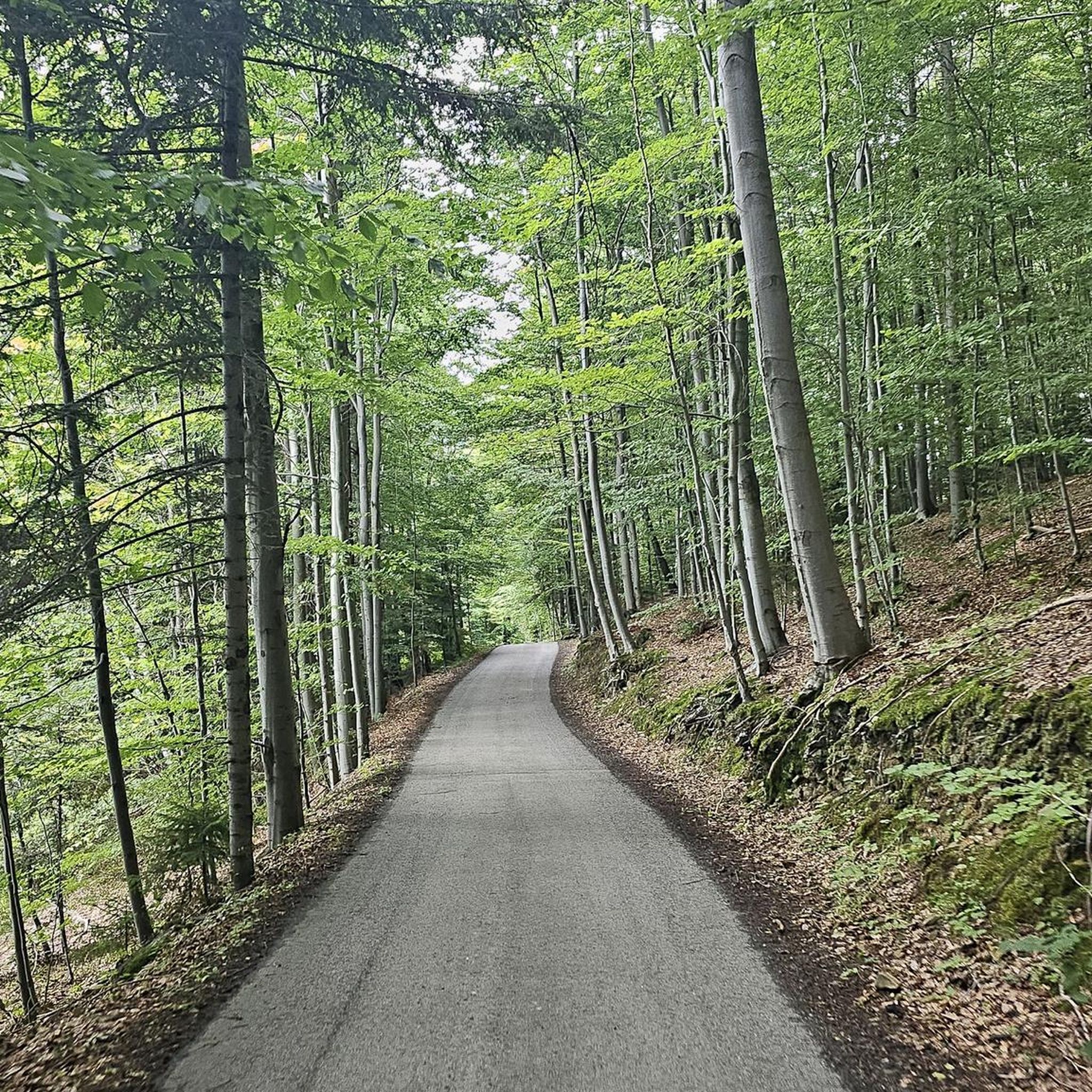
The region is excellent for outdoor enthusiasts. You can enjoy mountain hikes, with trails leading to peaks like Mogielnica, Modyn, and Łyżka. For cycling, the Velo Dunajec Cycle Route offers picturesque sections along the Dunajec river with low car traffic. The Poprad River Footbridge also connects to the EuroVelo 11 route. You can find various mountain hikes, running trails, and cycling routes in the wider area.
Are there family-friendly attractions in Gmina Łukowica?
Yes, several attractions are suitable for families. The Poprad River Footbridge is a modern pedestrian and bicycle crossing offering pleasant views and access to trails. The Velo Dunajec Cycle Route has sections that are enjoyable for family bike rides. In nearby Nowy Sącz, the Amphitheater of Strzelecki Park provides a green oasis with paths and a pond, ideal for a relaxing family outing.
What is the best time of year to visit Gmina Łukowica?
Gmina Łukowica offers attractions year-round. The Beskid Wyspowy mountains provide excellent conditions for summer sports like hiking and cycling, as well as winter sports. Spring and autumn are particularly beautiful for enjoying the natural landscapes, especially the apple and plum orchards, and for hiking in milder weather. The region's cultural sites are accessible throughout the year.
What are some popular hiking trails in the Gmina Łukowica area?
The area around Gmina Łukowica, particularly the Beskid Wyspowy mountains, features numerous marked hiking trails. Popular routes include those leading to the Observation Tower on Mogielnica. You can find various trails of different difficulties, such as moderate loops from Limanowa County or Hala, and easier options like the Modynia Observation Tower loop from Cichoń. For more details, explore the Mountain Hikes around gmina Łukowica guide.
Are there any historical landmarks in Stary Sącz near Gmina Łukowica?
Yes, Stary Sącz is a historic town with medieval architecture. You can visit the Historic Well on the Market Square, which dates back to 1848 and is surrounded by beautiful lime trees. The market square itself is an example of medieval urban development. The town also has a regional museum in the 17th-century burghers' house, known as the 'House on the Dołkach'.
What cycling opportunities are available in the region?
The region is well-suited for cycling. The Velo Dunajec Cycle Route is a highlight, offering scenic rides along the Dunajec river with minimal car traffic. The Poprad River Footbridge provides access to the EuroVelo 11 route. There are various cycling routes, including moderate to difficult options, such as the Velodunajec Bridge loop from Łącko or the View of the Dunajec River loop from Wysokie.
What do visitors enjoy most about the attractions around Gmina Łukowica?
Visitors particularly appreciate the blend of historical landmarks, mountain landscapes, and river valleys. The panoramic views from the Observation Tower on Mogielnica are highly rated. The picturesque sections of the Velo Dunajec Cycle Route and the scenic views from the Poprad River Footbridge are also very popular. The region's charm lies in its natural beauty and opportunities for outdoor activities.
Are there any specific cultural traditions or heritage aspects in Gmina Łukowica?
The local population is ethnographically classified as Sącz Lachowie, known for their strong agricultural culture and traditional costumes. The region also has a historical connection to Arian activity in the 16th and 17th centuries. It is also the birthplace of notable figures like Polish historian Ludwik Kubala and alchemist Michael Sendivogius, adding to its rich cultural tapestry.
Can I find easy hiking trails in Gmina Łukowica?
Yes, while there are challenging mountain hikes, you can also find easier options. For example, the Modynia Observation Tower loop from Cichoń is rated as an easy mountain hike. Many of the trails through the valleys and orchards offer less strenuous walking opportunities, perfect for a leisurely stroll to enjoy the scenery. Always check the trail difficulty before heading out.
What kind of archaeological discoveries have been made in Gmina Łukowica?
The Gmina Łukowica area has a rich archaeological history, with evidence of settlement dating back to prehistoric times. Discoveries include a Neolithic stone axe in Wolica, ceramics from the Neolithic, Bronze, and early Iron Ages found on Łyżka mountain, and bronze ornaments from the Lusatian culture. Prehistoric burial grounds have been identified in Świdnik, and Roman coins suggest an ancient trade route passed through the area. Traces of defensive structures also exist on Gródek mountain and in Przyszowa.
Most popular routes around gmina Łukowica
Most popular attractions around gmina Łukowica

Get inspired with the komoot mobile app


Explore more
Still not found the Highlight you’re looking for? See guides of the top attractions in other regions:
