Attractions and Places To See around Grudusk - Top 13
Attractions and places to see around Grudusk offer a blend of historical landmarks, cultural sites, and natural features. This village in east-central Poland, once a medieval stronghold, presents a rich past evident in its various sites. Visitors can explore historical buildings, religious structures, and significant natural landscapes. The area provides opportunities to discover both man-made monuments and natural monuments.
Best attractions and places to see around Grudusk
- The most popular attractions is Orangery in the Park Complex in Poland,…
Last updated: July 1, 2026
Orangery in the Park Complex in Poland
Highlight • Monument
Translated by Google •
Tip by

Opinogóra Park
Highlight • Historical Site
Tip by

Sign up now to discover places like this
Get recommendations on the best single tracks, peaks, & plenty of other exciting outdoor places.
Sign up for free
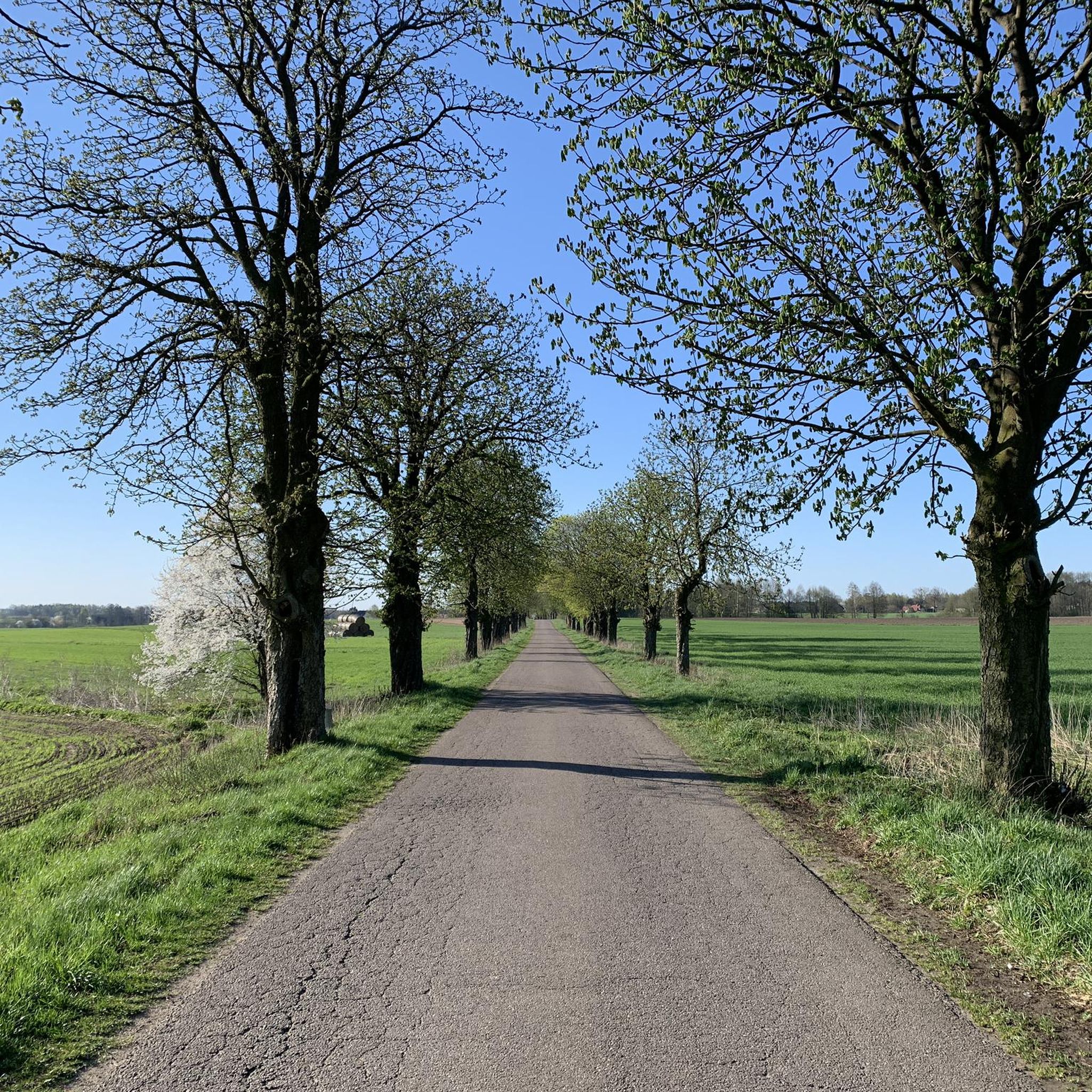
Bike path between Ciechanów and Opinogóra Górna
Highlight (Segment) • Cycleway
Translated by Google •
Tip by

Parish Church of Saint Stanislaus the Bishop and Martyr in Czernice Borowe
Highlight • Religious Site
Translated by Google •
Tip by

Church of the Transfiguration and Saint Stanislaus in Ciechanów
Highlight • Religious Site
Translated by Google •
Tip by

Sign up for free to discover even more attractions around Grudusk.
Sign up for free
Already have an account?
Start today with a free account
Your next adventure awaits.
Login or Signup
Popular around Grudusk

Tips from the Community

In the park there is a restaurant, Gościniec Ogrodnika, with very good food and coffee, I recommend it.
0
0

The parish church, which "in the Gothic style, [was] built by Jakub Poczta, castellan of Ciechanów, in 1398. The legend says that Jakub Poczta, hunting in the place where the present church is, killed a deer and found a cross fused from horn bone between the antlers and in memory built at first a statue, later a chapel and a church. These antlers still hang in the church and are exceptionally large [Currently, there are no antlers in the church, because they burned down in 1915 during a church fire]. The church is now in good condition, brick and large, renovated in 1856, stands on a hill opposite the palace and windmill, also built on the mountains. Since all three mountains stand in one line, they assume that they were artificially built. https://www.parafiaczerniceborowe.pl/historia/
2
0

A beautiful palace in a well-kept park.
0
0

Due to its historical and natural values, the historic park in Opinogóra is entered into the register of monuments and is subject to legal conservation protection.
0
0
The Orangery building operated in the Park Complex until the end of the 19th century. In the 1960s, actions were taken to recreate the building in a form referring to the facilities located in the Park Complex. Fragments of design documentation found in the castle's basement provided the basis for developing materials that would allow the project to be implemented. The construction works were preceded by archaeological research, which revealed the shape and form of the 19th century building. The exposed basements of the building made it possible to determine in detail the size of the historic building and adapt its contemporary form to the conservation requirements and park assumptions.
1
0
The Church of the Transfiguration and Saint Stanislaus from the second half of the 18th century is a branch church of the parish church of St. Stanislaus. Joseph in Ciechanów. This temple is unique in the scale of the entire Mazovia. The church is small. The nave is wider than it is long and inside the walls have not been boarded so that you can clearly see the connection of the logs on the so-called dovetail. The roof is covered with shingles and topped with a turret. The most interesting element of the furnishings is the baroque main altar with the image of St. Stanislaus Bishop Martyr. The pulpit dates from the 18th century, and a 17th-century crucifix is placed on the rood beam.[7] In front of the church, you can see the grave of soldiers of the 203rd Volunteer Cavalry Regiment, who died in the war with the Bolsheviks in 1920.
0
0
pw. Transfiguration and St. Stanisław
0
0

Majestic brick gothic church which dates back to 16th century, located on a small hill. Huge bell tower next to it.
0
0
Frequently Asked Questions
What historical sites can I explore around Grudusk?
Grudusk and its surroundings offer a rich history. You can visit the Orangery in the Park Complex in Poland, a recreated man-made monument based on historical documentation and archaeological research. Another significant site is the Parish Church of Saint Stanislaus the Bishop and Martyr in Czernice Borowe, a majestic brick Gothic church from the 16th century. The Church of the Transfiguration and Saint Stanislaus in Ciechanów, dating from the second half of the 18th century, is also notable for its unique wooden construction and historical furnishings. Additionally, the village itself holds historical significance with a local cemetery containing graves of soldiers from both World Wars and the Polish-Bolshevik War, and a manor house from the 1920s.
Are there any natural attractions or parks to visit near Grudusk?
Yes, the area features several natural attractions. Opinogóra Park is an English-type landscape park spanning 22 hectares, home to over a thousand old trees including maples, oaks, and linden. It's recognized for both its historical and natural values. Beyond the park, Zielona Góra (Green Mountain) is a prominent natural feature and was historically important as a trade route. The wider Gmina Grudusk area also boasts natural monuments like a large glacial erratic in Stryjewo Wielkie and impressive oak-fir stands within the Grudusk forest complex.
What cycling opportunities are available around Grudusk?
For cyclists, there's a dedicated Bike path between Ciechanów and Opinogóra Górna, which is ideal for visiting Opinogóra Park. If you're looking for more routes, you can explore various options in the region. For road cycling, check out the Road Cycling Routes around Grudusk, which include easy loops from Grzybowo and Leśniewo Dolne, as well as moderate routes like the 'Scenic Climb in Mazovia loop'. For general touring, the Cycling around Grudusk guide offers easy routes such as 'Pond in Opinogóra – View of Lipa Countryside loop' and 'New Bike Path – Wayside shrine loop'.
Are there family-friendly activities or attractions in the Grudusk area?
Absolutely. Several attractions are suitable for families. Orangery in the Park Complex in Poland and Opinogóra Park are both categorized as family-friendly, offering pleasant environments for walks and exploration. The Bike path between Ciechanów and Opinogóra Górna provides a safe and enjoyable cycling experience for all ages. The Archaeological Open-Air Museum on Zielona Góra, with its recreated medieval huts and warrior figures, can also be an engaging educational experience for children.
What is the best time of year to visit Grudusk for outdoor activities?
The best time to visit Grudusk for outdoor activities is generally during the warmer months, from late spring to early autumn (May to September). During this period, the weather is most favorable for cycling, exploring parks like Opinogóra Park, and visiting historical sites. The natural features, including the forest complexes and Zielona Góra, are also at their most vibrant.
Where can I find religious buildings of interest near Grudusk?
The region is home to several historically significant religious buildings. The Parish Church of Saint Stanislaus the Bishop and Martyr in Czernice Borowe is a notable brick Gothic church dating back to the 16th century, located on a small hill. Another unique site is the Church of the Transfiguration and Saint Stanislaus in Ciechanów, an 18th-century wooden church known for its distinctive architecture and historical interior elements like a Baroque altar and 17th-century crucifix.
What are some unique natural features or 'hidden gems' in the Grudusk area?
Beyond the well-known parks, the Grudusk area holds some unique natural features. One such 'hidden gem' is a large glacial erratic (granite boulder) with a circumference of 1175 cm, located in the village of Stryjewo Wielkie. Additionally, the Grudusk forest complex contains impressive 60-year-old oak-fir stands and 130-year-old sessile oak stands, which are notable for their size and age, offering a glimpse into the region's ancient woodlands.
Are there any walking or hiking trails around Grudusk?
While specific hiking trails are not detailed in the provided data, the natural areas around Grudusk, such as Opinogóra Park and the Grudusk forest complex, offer opportunities for walking and exploring. The historical site of Zielona Góra, where the Archaeological Open-Air Museum is located, also provides a scenic area for walks. For more structured outdoor activities, consider the cycling routes which can often be adapted for walking in certain sections.
What do visitors particularly enjoy about the attractions near Grudusk?
Visitors appreciate the blend of historical and natural beauty. For instance, the Orangery in the Park Complex in Poland is noted for its beautiful palace set within a well-kept park. Opinogóra Park is loved for its extensive landscape, old trees, and the fact that cycling is officially allowed. The Parish Church of Saint Stanislaus the Bishop and Martyr in Czernice Borowe is admired for its majestic Gothic architecture and historical significance.
Is there public transport available to reach attractions near Grudusk?
While direct public transport details to every specific attraction in Grudusk are not extensively covered, larger nearby towns like Ciechanów often serve as transport hubs. From Ciechanów, you might find local bus services or taxis to reach attractions like Opinogóra Park or the starting points of the Bike path between Ciechanów and Opinogóra Górna. Planning your journey in advance is recommended.
Are there any specific architectural styles or historical periods represented in Grudusk's buildings?
Grudusk showcases a range of architectural styles and historical periods. The Parish Church of Saint Stanislaus the Bishop and Martyr in Czernice Borowe is a prime example of late Gothic brick architecture, erected after 1514. The Church of the Transfiguration and Saint Stanislaus in Ciechanów represents 18th-century wooden church construction, unique in Mazovia. Additionally, the village features a manor house built in the 1920s for the Bojanowski family, reflecting Polish architectural styles of that era.
Most popular routes around Grudusk

Get inspired with the komoot mobile app


Explore more
Still not found the Highlight you’re looking for? See guides of the top attractions in other regions:
