The best road cycling routes around Ojrzeń
4.8
(73)
483
riders
61
rides
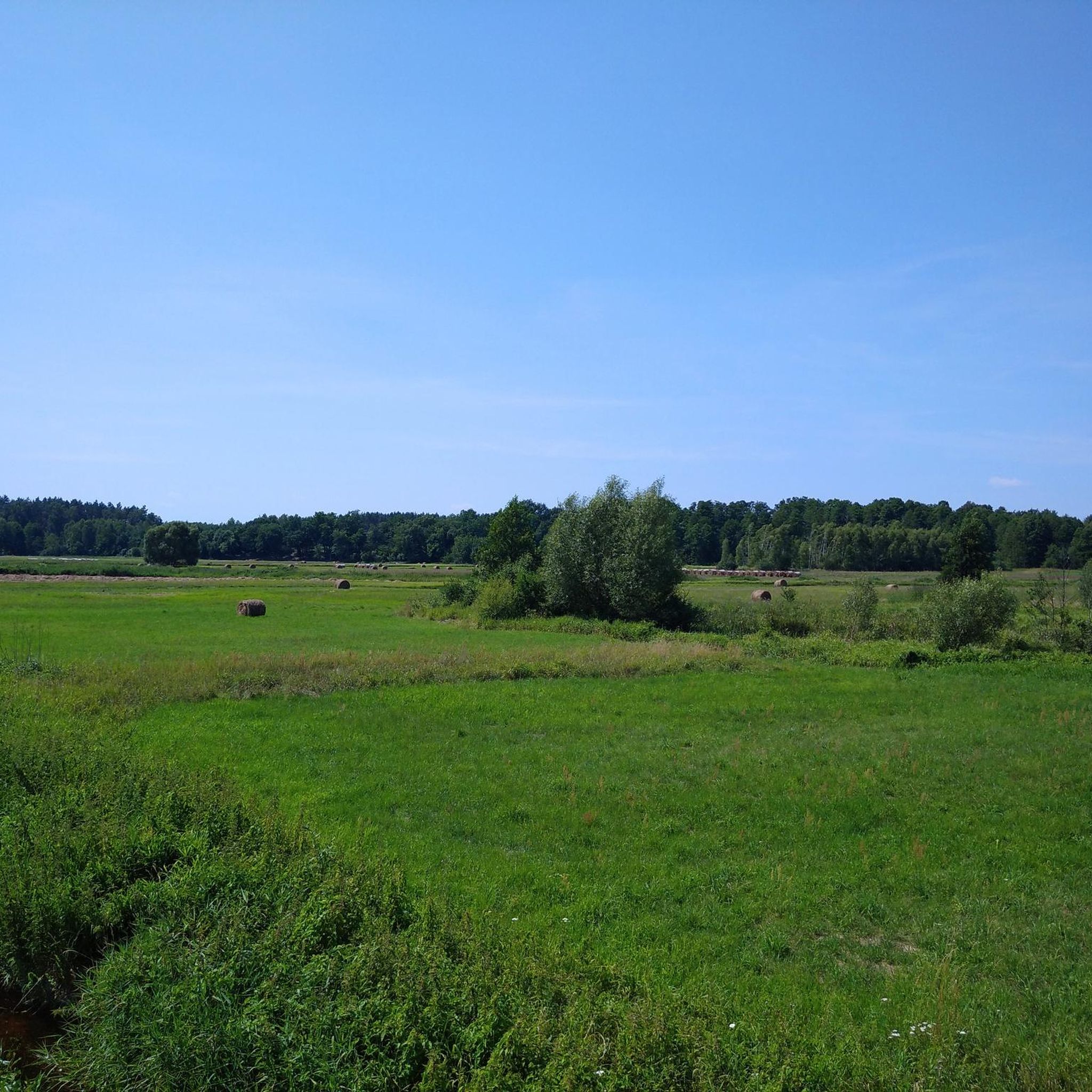
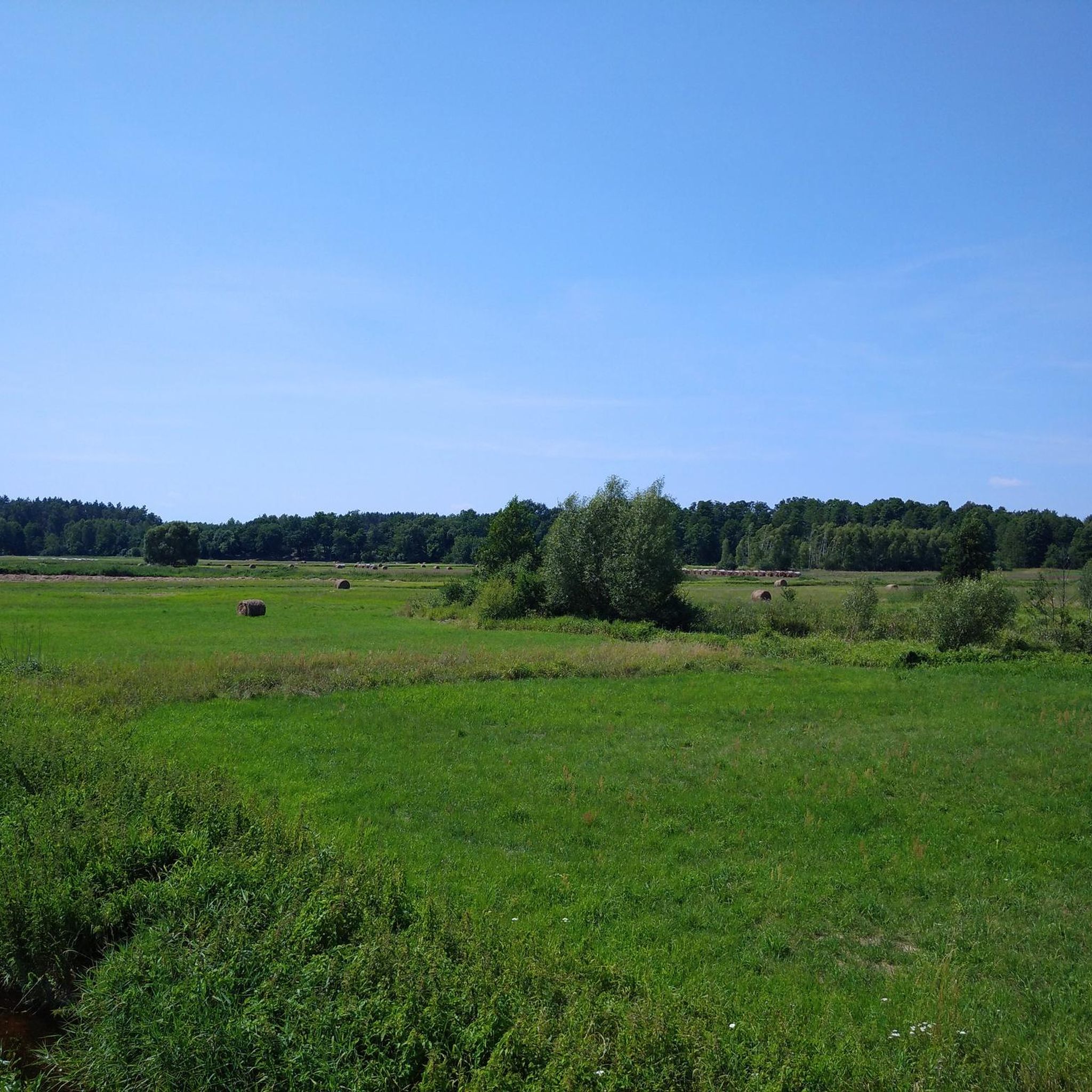
Road cycling around Ojrzeń, located within Poland's Mazovia region, offers diverse landscapes suitable for various skill levels. The terrain features a mix of fields, forests, and gentle hills, providing varied and scenic routes. Many roads are paved, making them suitable for road bikes, and the area benefits from a developing network of cycling paths. This rural environment is characterized by low car traffic, allowing for tranquil cycling experiences amidst natural beauty.
Best road cycling routes around Ojrzeń
- The most popular road cycling route is Ciechanów Water Tower loop from Ciechanów, a 9.2 miles (14.8 km) trail that takes 37 minutes to complete. This easy route features gentle gradients and passes by the historic Ciechanów Water Tower.
- Another top favourite among local road cyclists is Ciechanów Water Tower – Mamut Strzegowo loop from Ciechanów Przemysłowy, a moderate 34.8 miles (56.0 km) path. This route leads through expansive fields and forests, offering views of the rural landscape.
- Local road cyclists also love the Ciechanów Water Tower loop from Ciechanów Przemysłowy, a 26.8 miles (43.2 km) trail leading through varied countryside, often completed in about 1 hour 42 minutes.
- Road cycling around Ojrzeń is defined by expansive fields, forests, and a peaceful rural environment. The network offers options for different ability levels, from easy loops to moderate longer rides.
- The routes in Ojrzeń are highly rated by the komoot community with an average score of 4.8 stars from over 60 reviews. More than 400 road cyclists have used komoot to explore Ojrzeń's varied terrain.
Last updated: October 14, 2026
4.8
(5)
30
riders
45.0km
01:48
190m
190m
Easy road ride. Great for any fitness level. Mostly well-paved surfaces and easy to ride.
5.0
(3)
19
riders
57.5km
02:21
210m
210m
Moderate road ride. Good fitness required. Mostly well-paved surfaces and easy to ride.

5.0
(2)
19
riders
43.1km
01:43
140m
140m
Easy road ride. Great for any fitness level. Mostly well-paved surfaces and easy to ride.
5.0
(2)
11
riders
69.8km
02:48
210m
210m
Moderate road ride. Good fitness required. Mostly well-paved surfaces and easy to ride.
11
riders
44.3km
01:52
170m
170m
Moderate road ride. Great for any fitness level. Some segments of this route may be unpaved and difficult to ride.
Get access to more routes and recommendations from other explorers.
Already have an account?
Our route recommendations are based on thousands of hikes, rides, and runs completed by other people on komoot.
Start today with a free account
Your next adventure awaits.



Tips from the Community


The driving ban does not apply to bicycles
0
0

Church of Saint Stanislaus in Leków - a wooden Roman Catholic parish church from the 18th century belonging to the parish of the same name (Ciechanów West deanery of the Płock diocese), entered into the register of immovable monuments of the Mazovian province. It is a temple erected in 1772. It was built thanks to the efforts of priest Józef Kawczyński. It was renovated in the years 1824-1827 and in 1843. The building was rebuilt in 1870 with the addition of towers and porches. The church was renovated again in the years 1908-1810, 1954, 1924-1927 and 1975-1976[
0
0
Church of Our Lady of Częstochowa in Chotum - Roman Catholic branch church belonging to the parish of St. Nicholas in Sulerzyż (Ciechanów Western Deanery of the Płock Diocese). This is a temple built around the mid-17th century, probably in 1644. The date of construction is also given: 1715. The church was renovated in 1900, 1924 and 1953, as well as in the years 2011-2013. The building is wooden, single-nave, built in a log construction. The temple is oriented. Its presbytery is smaller in relation to the nave, closed on three sides with a sacristy added at an angle. The church is covered with a double-ridge roof, covered with shingles, above the presbytery there is an octagonal turret with a bell tower. It is topped with a tin onion-shaped helmet roof with a lantern. The second quadrangular turret is situated above the nave. It is topped with a pyramidal roof with a helmet. The interior is covered with a flat ceiling with ornamental polychrome. The choir is supported by two columns. The floor is made of wooden planks. The main altar and the pulpit represent the late Baroque style and were created in the first half of the 18th century. The Gothic-style stoup made of granite dates back to the turn of the 15th and 16th centuries[2].
0
0
The Vistula railway line ran through Gąsocin, which was formerly called a railway settlement. It led from Warsaw through Ciechanów (Gąsocin was located on this section), Mława and further into East Prussia. Right next to the tracks in 1877, a railway station building was erected. The wooden station, built according to 19th-century Russian architecture, began to attract people's attention. The news spread so far that many famous people from Polish literature, such as Bolesław Prus, Maria Dąbrowska, Stefan Żeromski, Henryk Sienkiewicz, came to Gąsocin to see the elegant building for those times. The Gąsocin station plays the role of the station in the Cisy health resort in the film Dr Judym. It features several shots from the side of the tracks and the village, as well as the interior of the station, where in 1975 there was a fairly large restaurant, typical of a railway station.
0
0
Natural monument 800-year-old Uparty Mazur oak – protected as a natural monument, a pedunculate oak tree growing in the village of Młock near Ciechanów, in the Mazovian Voivodeship. The oak is one of the largest trees of this species in Poland (seventh or eighth thickest). In 2014, its trunk had a circumference of 900 cm, while its height was 28 m. The wide and healthy crown is also characteristic (32 x 27 m)
1
0

The oak is called "Uparty Mazur" in memory of the people who used to live here. You may not all know that the inhabitants of northern Mazovia were called Mazurs. Although today this term refers to the people living in the land of lakes. The oak has a circumference of over 10 meters, is 28 meters high, has very spreading branches, it is difficult to encompass them with the lens. The trunk is straight, stocky, its mossy branches from a distance resemble chain mail, ancient armor. Its powerful silhouette makes you want to hug it, unfortunately it is surrounded by a small fence. It is such a special experience to get close to a tree that remembers the Battle of Grunwald and has the potential to outlive our great-great-grandchildren. This natural monument grows about 20 kilometers from Ciechanów, far from popular tourist trails, it is not easy to get to it, fortunately navigation will take us there. It grows just behind the village of Młock on the edge of the Łydynia river valley, a mighty pedunculate oak with a healthy appearance for its 800 years. This is what is written on the plaque next to the tree, funded by the Society of Friends of the Ciechanów Land and the residents of Młock. https://muzeumciechanow.pl/niemy-swiadek-historii-polnocnego-mazowsza-uparty-mazur-spod-mlocka/
3
0
Frequently Asked Questions
How many road cycling routes are available around Ojrzeń?
There are over 60 road cycling routes available around Ojrzeń, offering a variety of options for different skill levels and preferences. These routes are highly rated by the komoot community, with an average score of 4.8 stars.
What kind of terrain can I expect when road cycling in the Ojrzeń area?
The Ojrzeń area, situated within Poland's Mazovia region, offers diverse terrain featuring a mix of expansive fields, forests, and gentle hills. Many roads are well-paved and suitable for road bikes, providing scenic and varied routes. The region is known for its peaceful rural environment with low car traffic, ideal for tranquil cycling.
What is the general difficulty level of road cycling routes in Ojrzeń?
Road cycling routes around Ojrzeń cater to various abilities. You'll find approximately 20 easy routes, perfect for beginners or leisurely rides, and around 40 moderate routes for those seeking a bit more challenge. There are no routes currently classified as difficult, making the area accessible for most road cyclists.
Are there routes suitable for beginners or less experienced road cyclists?
Yes, there are plenty of options for beginners. Approximately 20 easy routes are available, featuring gentle gradients and shorter distances. For example, the Ciechanów Water Tower loop from Ciechanów is an easy 9.2-mile (14.8 km) trail that takes about 37 minutes to complete, passing by the historic Ciechanów Water Tower.
What natural features or landscapes will I see while cycling around Ojrzeń?
Cyclists in the Ojrzeń area can enjoy picturesque views of rural Poland, including expansive fields and forests. The region's natural beauty is characterized by its peaceful, unspoiled environment, offering a chance to cycle amidst diverse flora and fauna, especially within areas like the Mazovian Landscape Park.
Are there any historical sites or landmarks to explore along the routes?
Yes, several routes pass by or offer access to historical and cultural sites. For instance, the Opinogóra – Ciechanów Castle loop from Ciechanów Przemysłowy offers views of rural landscapes and historical sites like Ciechanów Castle. Other notable attractions include the Wooden Church of Our Lady of Częstochowa and the Old Gąsocin Railway Station.
Are there loop routes available for road cycling in Ojrzeń?
Yes, many of the road cycling routes around Ojrzeń are designed as loops, allowing you to start and finish in the same location. Examples include the Ciechanów Water Tower loop from Ciechanów and the Ciechanów Water Tower – Mamut Strzegowo loop from Ciechanów Przemysłowy, which leads through expansive fields and forests.
What is the best time of year for road cycling in the Ojrzeń region?
The Mazovia region, where Ojrzeń is located, is generally favorable for road cycling from spring through early autumn. These seasons offer pleasant temperatures and lush landscapes. While specific seasonal considerations can vary, the rural setting ensures a peaceful experience away from heavy traffic for much of the year.
Is the Ojrzeń area suitable for family-friendly road cycling?
Yes, the Ojrzeń area can be suitable for family-friendly road cycling, especially on the easier routes and those with low car traffic. The peaceful rural environment, characterized by quiet local roads and developing cycling paths like the Ciechanów–Gołotczyzna Bike Path, makes it a good option for families looking for tranquil rides.
What do other cyclists say about road cycling in Ojrzeń?
The road cycling routes around Ojrzeń are highly rated by the komoot community, with an impressive average score of 4.8 stars from over 60 reviews. More than 400 road cyclists have used komoot to explore the varied terrain, often praising the peaceful rural environment, diverse landscapes, and the network of suitable roads.
Can I find cafes or places to rest along the road cycling routes?
While Ojrzeń itself is a quiet rural village, the broader Mazovia region and nearby towns often have cafes, pubs, and restaurants where cyclists can rest and refuel. Planning your route to pass through larger villages or towns will increase your chances of finding suitable stops.
Are there any longer distance road bike routes near Ojrzeń?
Yes, for those looking for longer rides, the area offers several moderate routes that extend further into the Mazovia region. For example, the Ciechanów Water Tower – Mamut Strzegowo loop from Ciechanów Przemysłowy is a 34.8-mile (56.0 km) trail, and the Scenic Climb in Mazovia – Opinogóra loop from Ciechanów Przemysłowy covers 53.7 km, offering more extensive exploration.
Most popular attractions around Ojrzeń

Get inspired with the komoot mobile app


Explore more
Browse the best Road cycling routes in other regions.
