The best walks and hikes around Karniewo
4.8
(11)
94
hikers
13
hikes
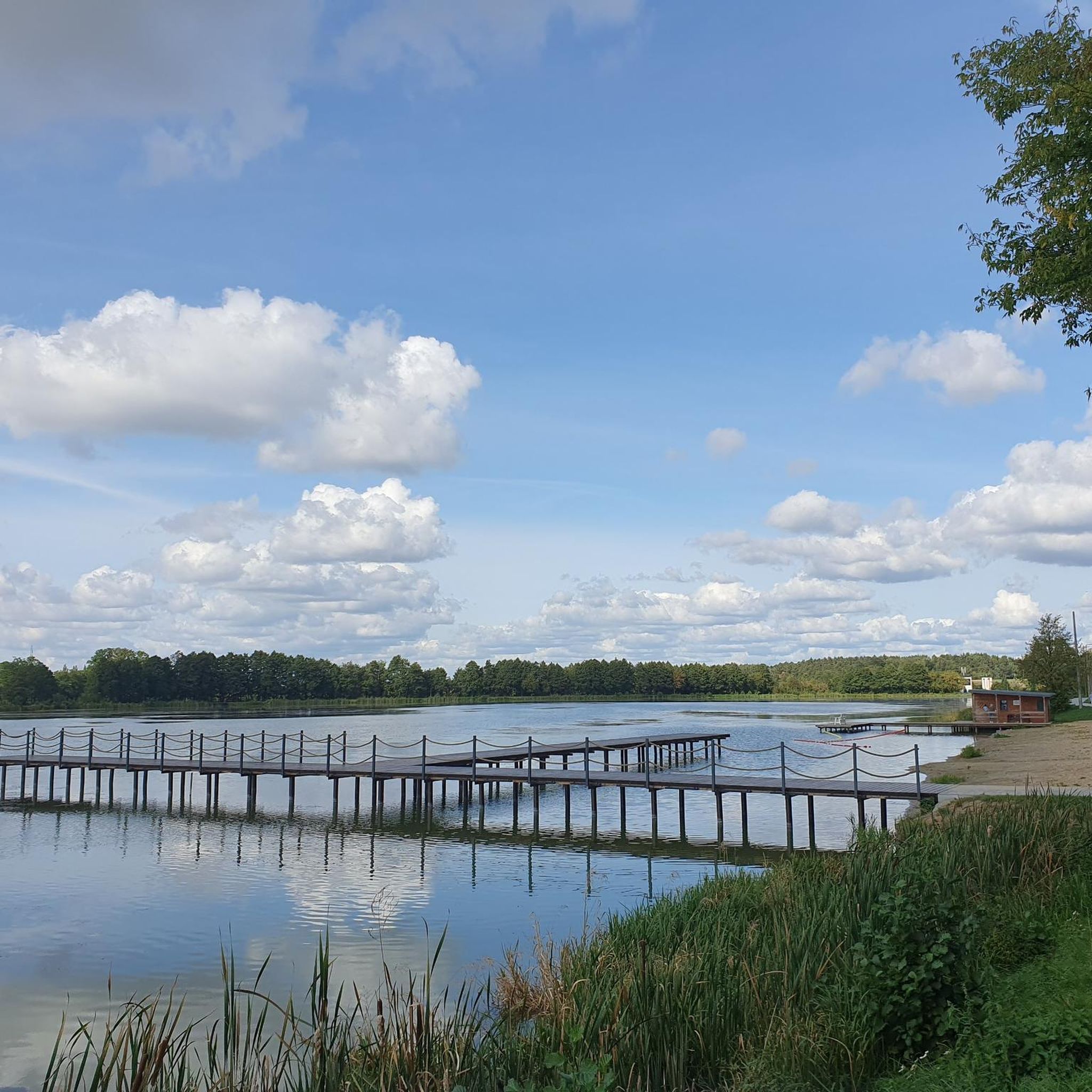
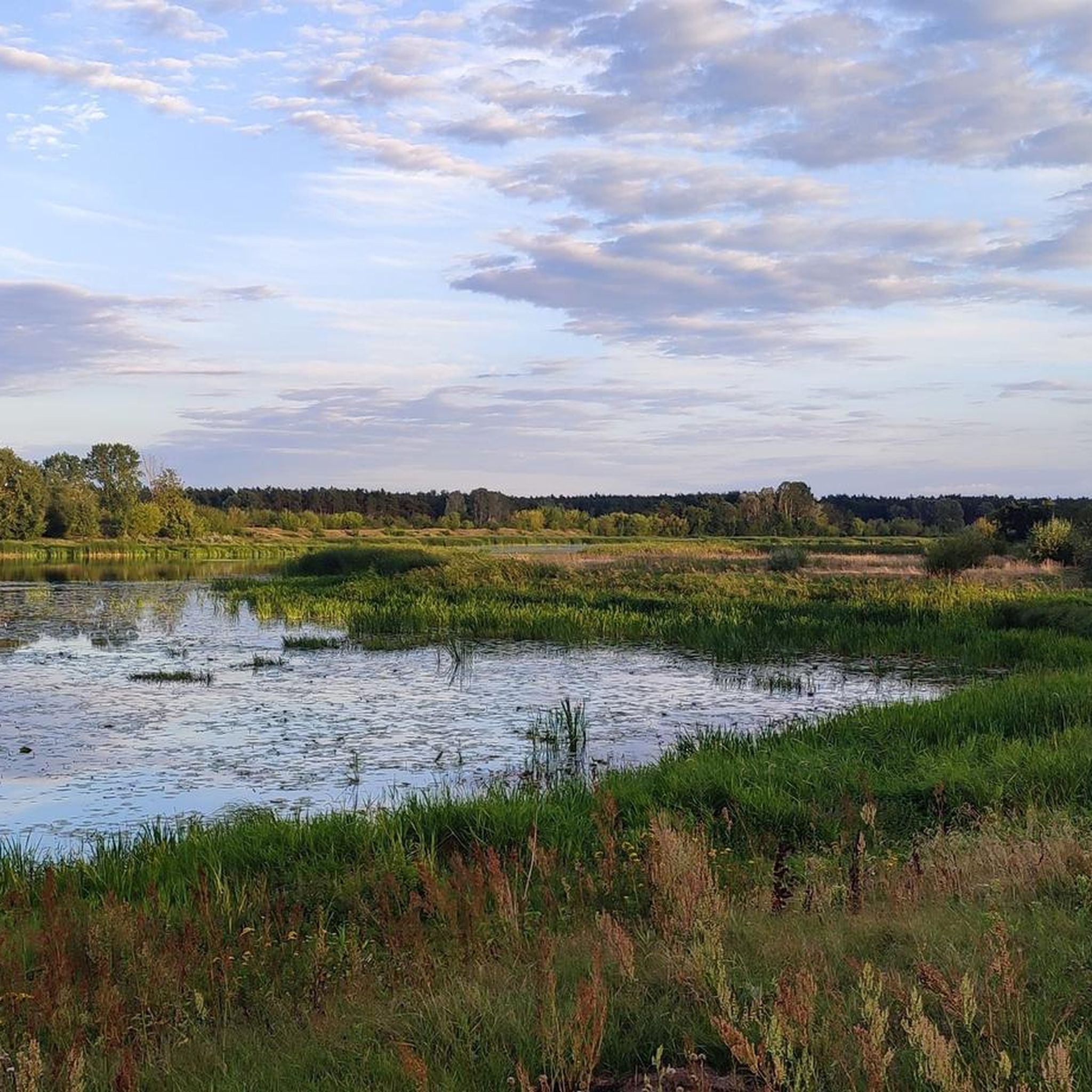
Hiking around Karniewo offers access to the Narew River Valley, a distinctive wetland environment often referred to as "Polish Amazonia." This region is characterized by its anastomosing river system, extensive marshy areas, and floodwaters, providing a unique natural landscape. The terrain is generally flat, with minimal elevation changes, making it suitable for accessible walks. The area is also notable for its rich biodiversity, particularly its birdlife.
Best hiking trails around Karniewo
- The most popular hiking route is Dawny basen kąpielowy…
Last updated: June 27, 2026
4.7
(3)
25
hikers
6.32km
01:37
20m
20m
Easy hike. Great for any fitness level. Easily-accessible paths. Suitable for all skill levels.
7
hikers
2.35km
00:37
10m
10m
Easy hike. Great for any fitness level. Easily-accessible paths. Suitable for all skill levels.

Sign up for free
5.0
(1)
7
hikers
Easy hike. Great for any fitness level. Easily-accessible paths. Suitable for all skill levels.
5.0
(2)
8
hikers
7.99km
02:03
30m
30m
Moderate hike. Good fitness required. Easily-accessible paths. Suitable for all skill levels.
4
hikers
Easy hike. Great for any fitness level. Easily-accessible paths. Suitable for all skill levels.
Get access to more routes and recommendations from other explorers.
Sign up for free
Already have an account?
Our route recommendations are based on thousands of hikes, rides, and runs completed by other people on komoot.
Start today with a free account
Your next adventure awaits.
Login or Signup
Popular around Karniewo
Tips from the Community


"The history of the town hall dates back to the early 15th century. Bishop Jakub of Płock is said to have funded the seat of the town authorities in 1405. The Gothic tower added to the town hall fulfilled both judicial and penitentiary functions as well as defense. Initially, it reached a height of 15 m and was built on a rectangular plan. During the 15th and 16th centuries, it was gradually raised, with additional storeys built on an octagonal plan. A new town hall was also built - lower, more modern - in the Renaissance style, topped with a crested attic. The 30-meter tower at that time gained a domed spire with a lantern, and a clock was also ordered for it. During the wars in the 17th and 18th centuries, the town hall burned down several times. In 1728, it was rebuilt with funds from Bishop Andrzej Stanisław Kostka Załuski. The two-bay building surrounded the tower in a horseshoe shape from the east. The entrance was located on the north and covered with a wooden arcade. The tower roof was changed to an octagonal one, and the clock was abandoned. In this form, the town hall survived until the end of the 19th century. At that time, in addition to the city authorities, the army was quartered here, and there was a prison and even warehouses for Pułtusk merchants. At the end of the 19th century, a shelter was organized in the ruined building, and from 1880, the ground floor and the tower were put into use by the Volunteer Fire Department. After 1902, a new, smaller building was erected on the site of the former building, in the neo-Gothic style, only for the use of the fire department. The tower was deprived of its roof, replacing it with an uncovered platform. It turned out to be completely non-functional and the original roof covering of the tower top was quickly restored. Also at that time, a clock was placed on the north side, on the seventh floor." Source: https://arch.pultusk.pl/wieza-dawnego-ratusza-gotycko-renesansowa/
1
0


Opposite is a bar-cafe. You can eat and drink coffee. In the summer, good ice cream with a view of the locals who meet on the benches nearby.
0
0

In the 14th century, there was a stronghold on the castle hill, which was moved and construction began on the castle in Pułtusk, which became the seat of the bishops of Płock. The first castle buildings were wooden, at the beginning of the 15th century, brick buildings began to be built, probably after the destruction during the Lithuanian invasions. The most important expansion took place in the 6th century, when the castle was given the character of a Renaissance residence. The bishop's castle was modernized and decorated by artists, but it was destroyed during the Swedish Deluge. The castle was rebuilt at the end of the 17th century, the north-west wing was added. At that time, the castle acquired its current shape of a horseshoe - several connected buildings around the courtyard. An arcaded bridge and a gate building lead to the castle. The castle was devastated during the Napoleonic Wars, and suffered the greatest damage in 1945. Rebuilt after the war, later rebuilt for hotel purposes as the House of Polonia. Being in Pułtusk at the castle, we will definitely come across a huge and long Market Square - at one end the castle, at the other the Collegiate Basilica of the Annunciation of the Blessed Virgin Mary. It is worth walking through the old streets, visiting several old churches, and all of this is basically within the old town, on an island surrounded by branches of the Narew River. https://discover.pl/zamek-biskupi-w-pultusku/
3
0

Coffee and cake next to the town hall
0
0
everywhere there are cobblestones, if not for the view I wouldn't recommend it
0
1

The city fountain, located on the market square in Pułtusk, at the foot of the castle, is not only an element of architecture. From June 23, 2022, there are WATER - LIGHT - SOUND SHOWS.
0
0
Frequently Asked Questions
What kind of natural landscape can I expect when hiking around Karniewo?
Hiking around Karniewo offers a unique experience within the Narew River Valley, often called the 'Polish Amazonia'. This region is characterized by an intricate system of river channels, extensive marshy areas, and floodwaters, creating a distinctive wetland environment. It's a flat landscape, ideal for accessible walks.
Are there any specific trails that showcase the Narew River's unique features?
Yes, the Narew Riverside Trail is a key attraction, allowing hikers and cyclists to explore quiet roads along the Narew River with views of its backwaters. Additionally, within the Narew National Park, educational footbridges like the Waniewo-Śliwno footbridge offer access to marshy areas, including interactive crossings over river beds using floating piers.
What kind of wildlife can be observed on the hiking trails near Karniewo?
The Narew River Valley is a significant area for wildlife, especially birds. The Narew National Park is a refuge for approximately 200 species of birds, with over 150 nesting there, many of which are rare or endangered. Ornithological observatories and lookout towers along footbridges enhance birdwatching opportunities.
Are there any historical or cultural attractions near the hiking routes?
Yes, the nearby town of Pułtusk offers several historical sites. You can explore the Basilica of the Annunciation of the Blessed Virgin Mary, known for its Renaissance polychromes, and the Pułtusk Town Hall Tower, located in what is considered the longest market square in Europe. A popular route that visits these landmarks is the Pułtusk Castle – Pułtusk Town Hall Tower loop from Pułtusk.
Are there any easy hiking trails suitable for beginners or families?
Yes, many trails around Karniewo are suitable for easy walks due to the generally flat terrain. For example, the Pułtusk Bus Station – Bishop's Castle in Pułtusk loop from Old Town is an easy 4.1 km path, perfect for a relaxed outing.
What is the general difficulty level of hikes around Karniewo?
The hiking routes around Karniewo are predominantly easy to moderate. The terrain is generally flat with minimal elevation changes, making it accessible for a wide range of hikers. There are currently 3 easy and 2 moderate routes listed.
Are there any circular hiking routes available?
Yes, several circular routes are available. For instance, the Dawny basen kąpielowy loop from Osiedle Ciechanowska is a moderate 8.4 km circular trail that takes about 2 hours 9 minutes to complete. Another option is the Bishop's Castle in Pułtusk – Pułtusk Town Hall Tower loop from gmina Pułtusk, an easy 6.5 km loop through the historical town center.
What do other hikers say about the trails in Karniewo?
The hiking routes in Karniewo are highly rated by the komoot community, with an average score of 4.7 stars from more than 5 reviews. Hikers often appreciate the unique wetland landscapes and the historical charm of nearby Pułtusk.
Is public transport available to reach hiking trailheads in Karniewo?
While specific public transport details for every trailhead are not available, the town of Pułtusk, which serves as a starting point for several routes, has a bus station. The Pułtusk Bus Station – Bishop's Castle in Pułtusk loop from Old Town is an example of a route starting directly from the bus station.
What is the best time of year to go hiking in Karniewo?
The Narew River Valley's unique wetland environment is particularly vibrant during spring and autumn, offering lush greenery and spectacular birdwatching opportunities. Summer is also popular, but be prepared for potentially warmer weather. Winter hiking is possible, but conditions can be challenging due to snow and ice.
Can I find information about the Narew National Park?
Yes, the Narew National Park encompasses much of the Narew River Valley and is crucial for its biodiversity. For official information regarding the park, including visitor guidelines and conservation efforts, you can visit the Narew National Park website.
Most popular routes around Karniewo
Most popular attractions around Karniewo

Get inspired with the komoot mobile app


Explore more
Browse the best Hikes in other regions.
