Attractions and Places To See around Wąsewo - Top 20
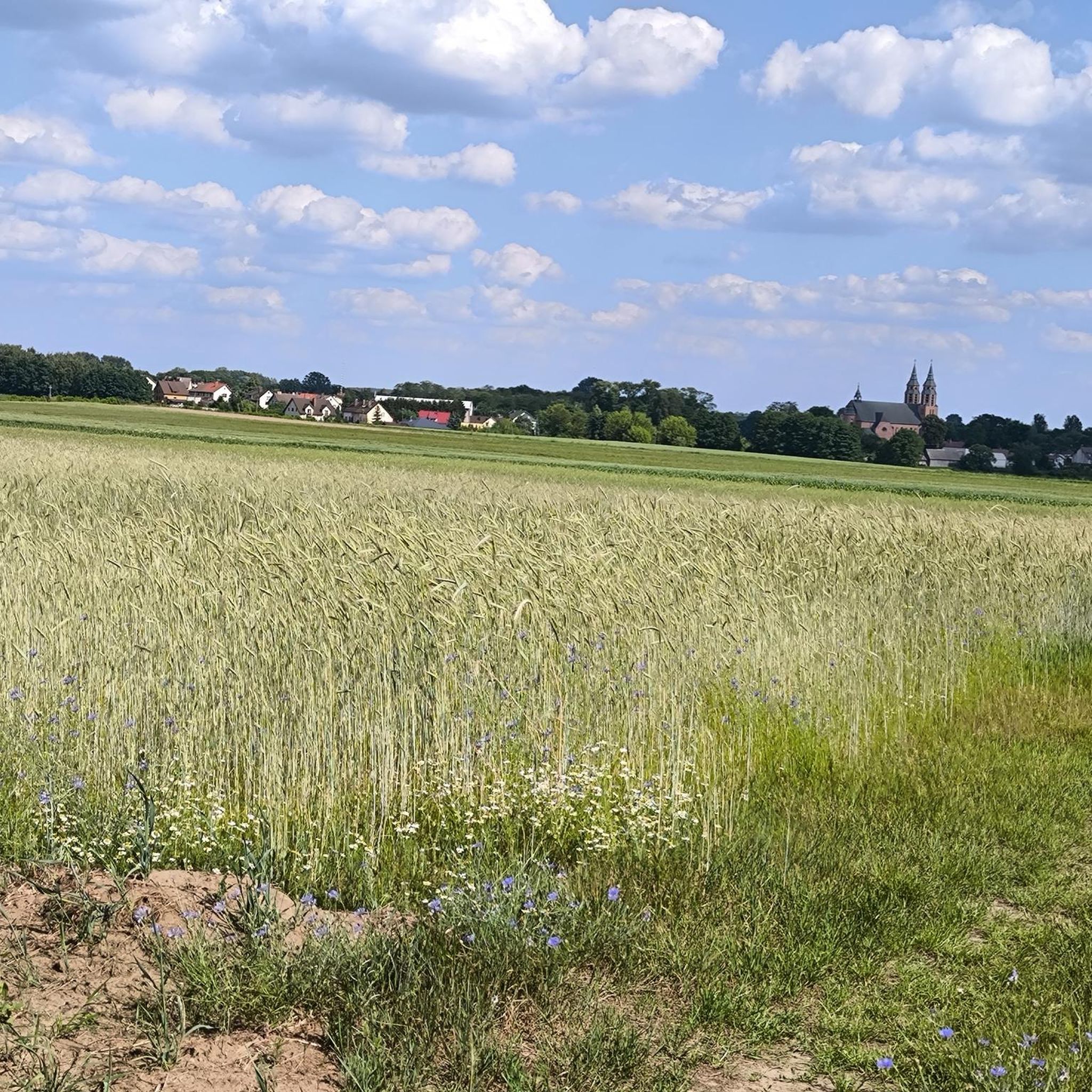
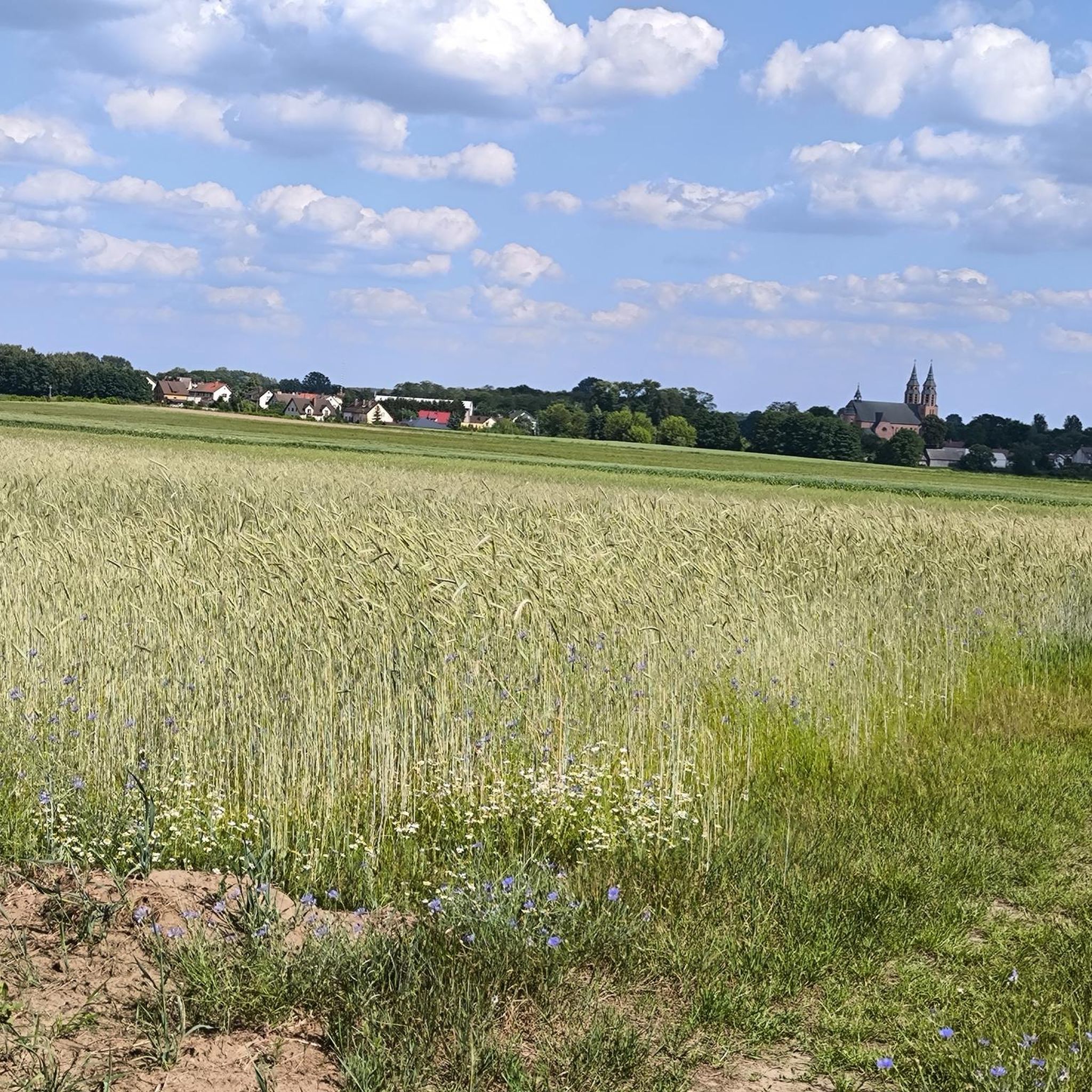
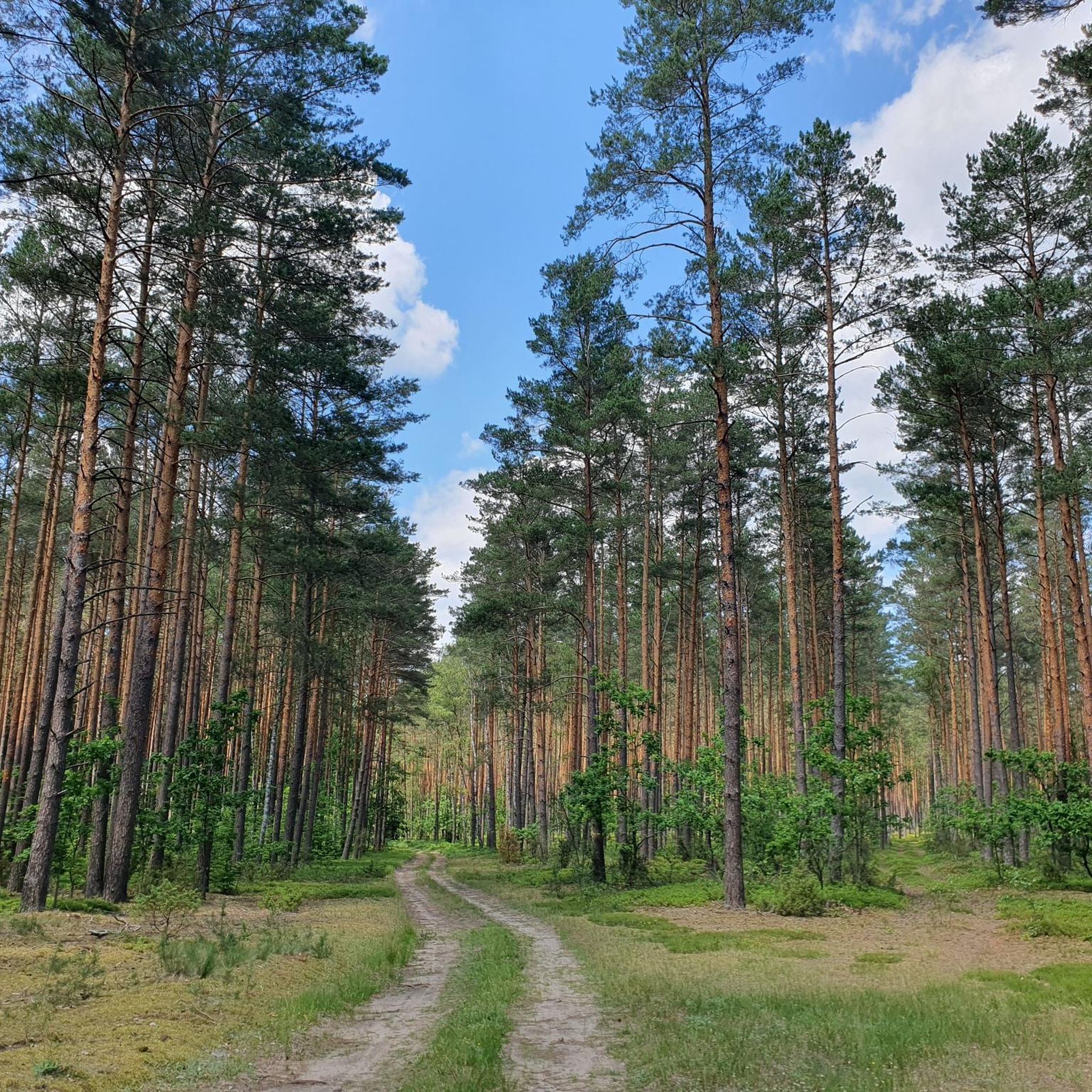
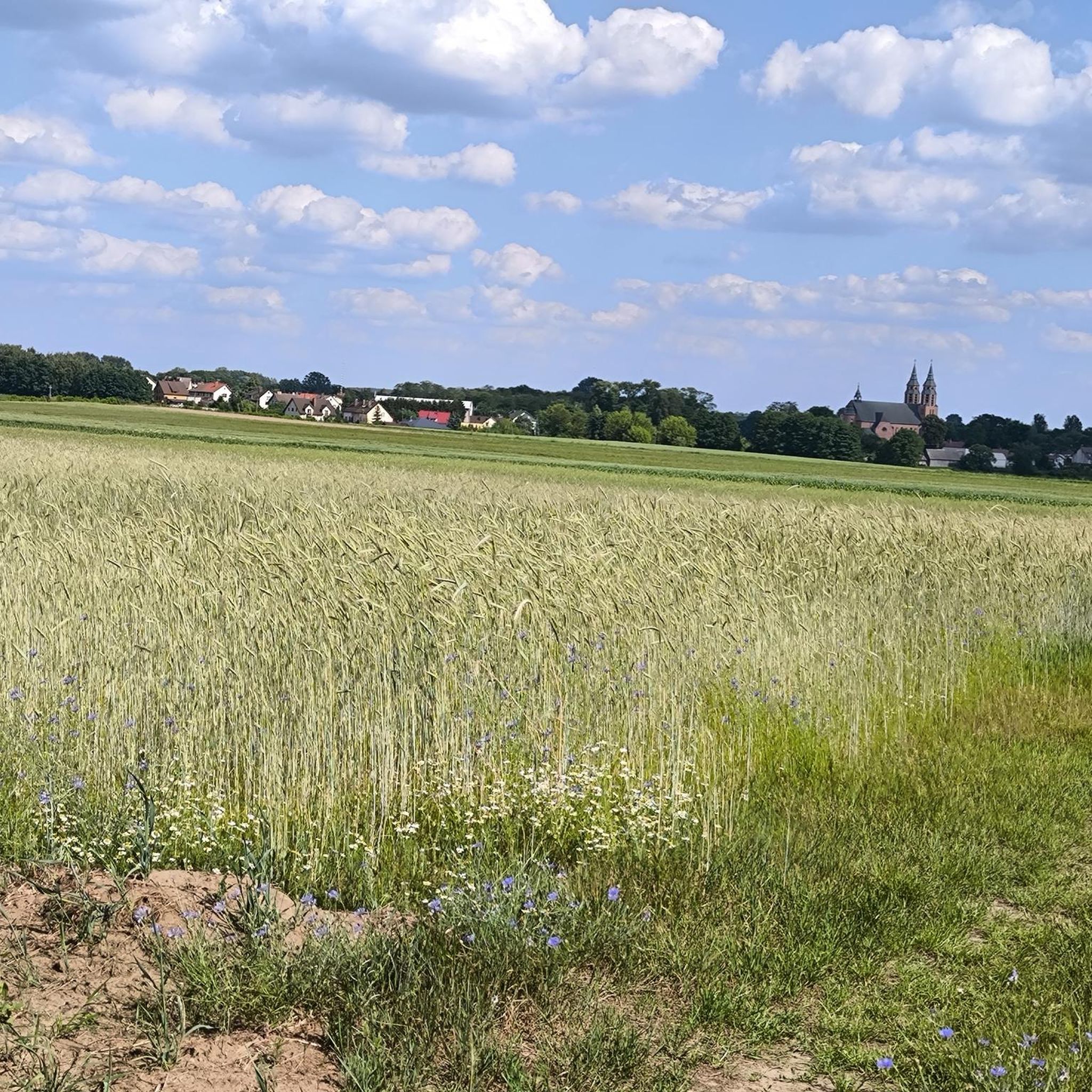
Best attractions and places to see around Wąsewo include historical sites and natural features in this village in east-central Poland. Wąsewo serves as the seat of the Gmina Wąsewo administrative district in Ostrów County, Masovian Voivodeship. The area features fresh coniferous forests with pine and birch trees, along with meadows and pastures. It offers opportunities for exploring the natural landscape through cycling and hiking routes.
Best attractions and places to see around Wąsewo
- The most popular attractions is Church of…
Last updated: August 25, 2026
Church of the Nativity of the Blessed Virgin Mary
Highlight • Religious Site
Translated by Google •
Tip by

Church of the Assumption of the Blessed Virgin Mary in Długosiodło
Highlight • Religious Site
Translated by Google •
Tip by
Sign up now to discover places like this
Get recommendations on the best single tracks, peaks, & plenty of other exciting outdoor places.
Sign up for free
Ostrów Mazowiecka Town Hall
Highlight • Monument
Translated by Google •
Tip by

Monument to the Battle of Pecynka
Highlight • Monument
Translated by Google •
Tip by

singletrack along the road
Highlight (Segment) • Cycleway
Translated by Google •
Tip by

Sign up for free to discover even more attractions around Wąsewo.
Sign up for free
Already have an account?
Start today with a free account
Your next adventure awaits.
Login or Signup
Tips from the Community

A beautiful road slightly set back from the asphalt.
0
0
Beautiful brick church. In the back there is a huge oak tree, almost 550 years old.
0
0

The construction of the brick temple started in 1908 thanks to the efforts of pastor Antoni Dąbrowski. Construction was completed in 1912. The church was built in the Vistula Gothic style according to the plans of architect Professor Jozef Pius Dziekoński with two towers, three naves and two side chapels (Translated from Wikipedia).
4
0
The current neo-Gothic style church was built between 1912 and 1920 on the site of an earlier late 18th century church. It was designed by architect Jozef Pius Dziekoński. The building is aligned. During World War II, in 1944, the church was partially destroyed. In 1946 the damaged facade and presbytery were rebuilt. In 1947 the roof of the nave was uncovered. In the 1950s, the frescoes designed by Professor Edwarda Przeorska were made, and in 1980 the towers were completed (Translated from Wikipedia).
4
0

Currently, the seat of the municipal authorities of the Municipal Office and the Registry Office
2
0
Town Hall in Ostrów Mazowiecka - a building erected in the neo-baroque style in 1927. It is located at the Duchess Anna Mazowiecka square. The initiator of the construction of the town hall was the mayor of Ludwik Mieczkowski, and the designer was the architect Stefan Zwolanowski. Destroyed during World War II and rebuilt.
2
0

there is also a separate part or asphalt road. a lot of such a cool solution in these surroundings. it should be like that in every commune.
0
0

At the end of August 1944, the Germans launched an operation against the soldiers of the Home Army - "Opocznik" District, directing the Wehrmacht forces, gendarmerie and SS units to fight with partisan units. The decisive fights took place on August 31 in the vicinity of Leśniczówka Pecynka, where the unit under the command of 2nd Lt. Alfred Wieczorek, "Tatar" in the strength of about 150 men, surrounded by the German army, fought a several-hour-long fight to get out of the encirclement. On the Polish side, about 60 partisans (over 30% of the fighting unit) were killed. It was the largest guerrilla battle in the Biała Forest and one of the largest in Poland. Wounded and captured, they were shot on the spot and buried in a mass grave. Only one soldier survived the massacre - Antoni Deptuła. After the war, the bodies of the fallen Home Army soldiers were exhumed and moved to the parish cemetery in Ostrów Mazowiecka. source: http://klubakradzymin.pl/akcja-burza-bitwa-pecynka/
0
0
Frequently Asked Questions
What historical sites can I visit in and around Wąsewo?
Wąsewo and its surroundings offer several historical sites. The most prominent is the Church of the Nativity of the Blessed Virgin Mary, a neo-Gothic brick church built between 1912 and 1920, which houses the revered painting of Our Lady of Wąsewo. Another significant site is the Church of the Assumption of the Blessed Virgin Mary in Długosiodło, known for its Vistula Gothic style. You can also find a Wooden Cemetery Chapel from the 19th century and a monument dedicated to Piotr Zieliński, a local historical figure believed to be involved in the January Uprising. Further afield, the Ostrów Mazowiecka Town Hall is a notable neo-baroque building, and the Zawołani po Imieniu Memorial commemorates Poles who saved Jews during World War II.
Are there opportunities for cycling around Wąsewo?
Yes, the region around Wąsewo provides beautiful routes for cycling. A popular option is the singletrack along the road, which offers a separate, pleasant path set back from the main asphalt road. For more cycling adventures, you can explore various routes listed in the Cycling around Wąsewo guide, which includes easy loops like the 'Bike loop from Komorowo' and the 'Romanowski Bakery and Confectionery – Scenic Unpaved Road loop from gmina Długosiodło'.
What natural features can I explore in the Wąsewo area?
The Gmina Wąsewo is characterized by 'fresh coniferous forests' with pine and birch trees, providing a habitat for various wildlife such as wild boars, deer, foxes, and numerous bird species. The area also features extensive meadows and pastures. Wąsewo is located within Ostrów County, which includes protected areas like Natura 2000 sites, highlighting its commitment to preserving the natural environment. These natural settings offer excellent opportunities for hiking and wildlife observation.
What kind of hiking trails are available near Wąsewo?
You can find several hiking trails around Wąsewo, primarily easy loops suitable for various fitness levels. For example, the Hiking around Wąsewo guide features routes like the 'Ostrów Mazowiecka Town Hall loop from Ostrów Mazowiecka' and a 'Hiking loop from Ostrów Mazowiecka', both offering easy walks to explore the local area.
Are there any family-friendly attractions or activities in Wąsewo?
Yes, Wąsewo offers family-friendly options. The Church of the Assumption of the Blessed Virgin Mary in Długosiodło is listed as family-friendly, and its impressive architecture and nearby ancient oak tree can be interesting for all ages. The singletrack along the road provides a safe and enjoyable cycling path for families. Exploring the local forests and meadows also offers a chance for outdoor family adventures and wildlife spotting.
When is the best time to visit Wąsewo for outdoor activities?
The best time to visit Wąsewo for outdoor activities like cycling and hiking is generally during the warmer months, from spring to early autumn. During this period, the weather is most favorable for exploring the region's forests, meadows, and cycling routes. The natural landscapes are vibrant, and conditions are ideal for enjoying the outdoors.
Are there any wheelchair-accessible historical sites near Wąsewo?
Yes, there are a couple of historical sites near Wąsewo that are noted as wheelchair accessible. These include the Ostrów Mazowiecka Town Hall, a neo-baroque building, and the Zawołani po Imieniu Memorial, which commemorates historical events. These locations aim to provide accessibility for all visitors.
What kind of wildlife can be found in the forests around Wąsewo?
The 'fresh coniferous forests' around Wąsewo are home to a variety of wildlife. You might encounter wild boars, deer, foxes, squirrels, hares, martens, and hedgehogs. The area also hosts reptiles such as sand lizards, grass snakes, and slow worms, making it an interesting spot for nature observation.
What do visitors appreciate most about the attractions around Wąsewo?
Visitors to Wąsewo particularly appreciate the blend of historical sites and natural beauty. The neo-Gothic architecture of the Church of the Nativity of the Blessed Virgin Mary and the Vistula Gothic style of the Church of the Assumption of the Blessed Virgin Mary in Długosiodło are often highlighted. The cycling paths, such as the singletrack along the road, are also popular for their pleasant and safe routes through the scenic surroundings.
Can I find road cycling routes near Wąsewo?
Yes, there are several road cycling routes available in the vicinity of Wąsewo. The Road Cycling Routes around Wąsewo guide offers options ranging from easy to moderate difficulty. Examples include the 'View of the Bug River – Bridge over the Bug River loop from Ostrów Mazowiecka' and the 'USB Charging Station – Romanowski Bakery and Confectionery loop from gmina Długosiodło'.
Are there any unique cultural artifacts or art pieces to see in Wąsewo?
Within the Church of the Nativity of the Blessed Virgin Mary, you can find the revered painting of Our Lady of Wąsewo, which dates from the first half of the 18th century. The church also contains approximately 30 votive tablets from the 18th and early 19th centuries, offering a glimpse into local religious history and artistry.

Get inspired with the komoot mobile app


Explore more
Still not found the Highlight you’re looking for? See guides of the top attractions in other regions:
