Attractions and Places To See around Mokobody - Top 20
Best attractions and places to see around Mokobody are concentrated within the surrounding Gmina Mokobody and nearby regions in Poland. This area offers a mix of historical, cultural, and natural sites for exploration. Visitors can find historical landmarks, museums, and opportunities to engage with the natural landscape. The region provides diverse points of interest for those exploring the Mazovian-Podlasie borderland.
Best attractions and places to see around Mokobody
- The most popular attractions is Liw Castle and Armory Museum, a…
Last updated: July 1, 2026
Liw Castle and Armory Museum
Highlight • Castle
Tip by

Reymontówka Creative Work House in Chlewiska
Highlight • Historical Site
Translated by Google •
Tip by

Sign up now to discover places like this
Get recommendations on the best single tracks, peaks, & plenty of other exciting outdoor places.
Sign up for free
Ruins of Twarowskis Palace
Highlight • Historical Site

Church of the Assumption of the Blessed Virgin Mary, Niwiski
Highlight • Religious Site
Translated by Google •
Tip by

Museum of Wooden Architecture of the Siedlce Region
Highlight • Historical Site
Tip by

Sign up for free to discover even more attractions around Mokobody.
Sign up for free
Already have an account?
Start today with a free account
Your next adventure awaits.
Login or Signup
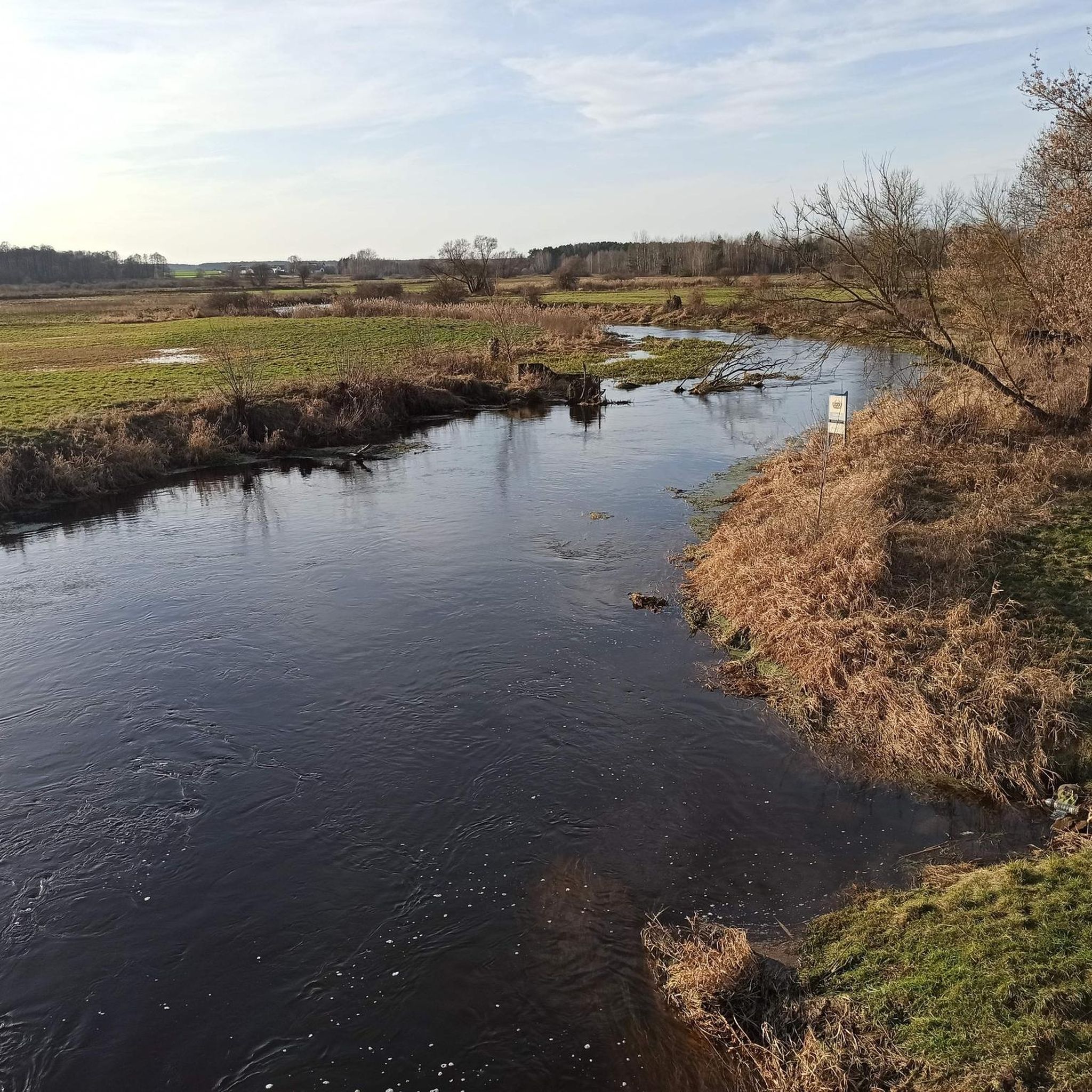
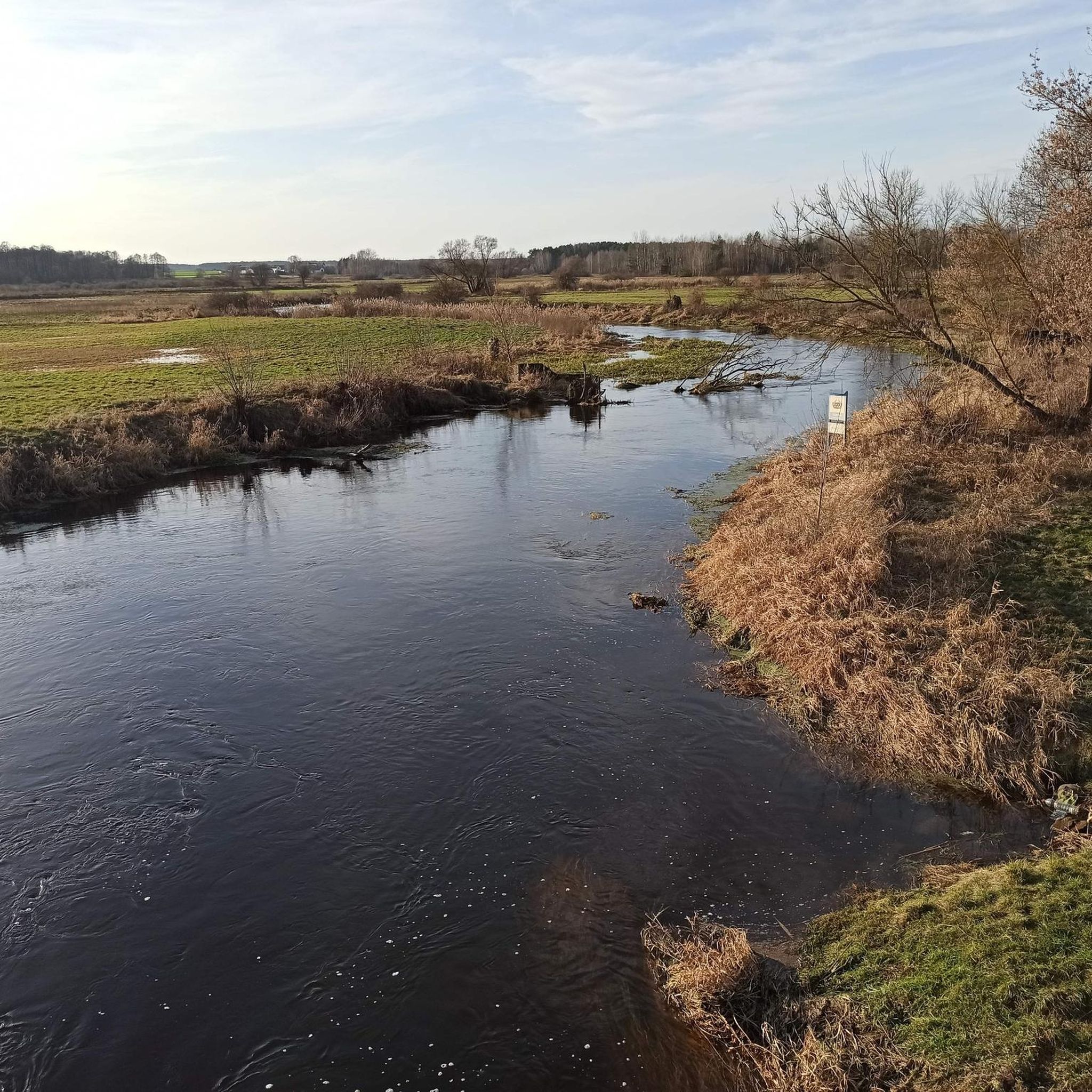
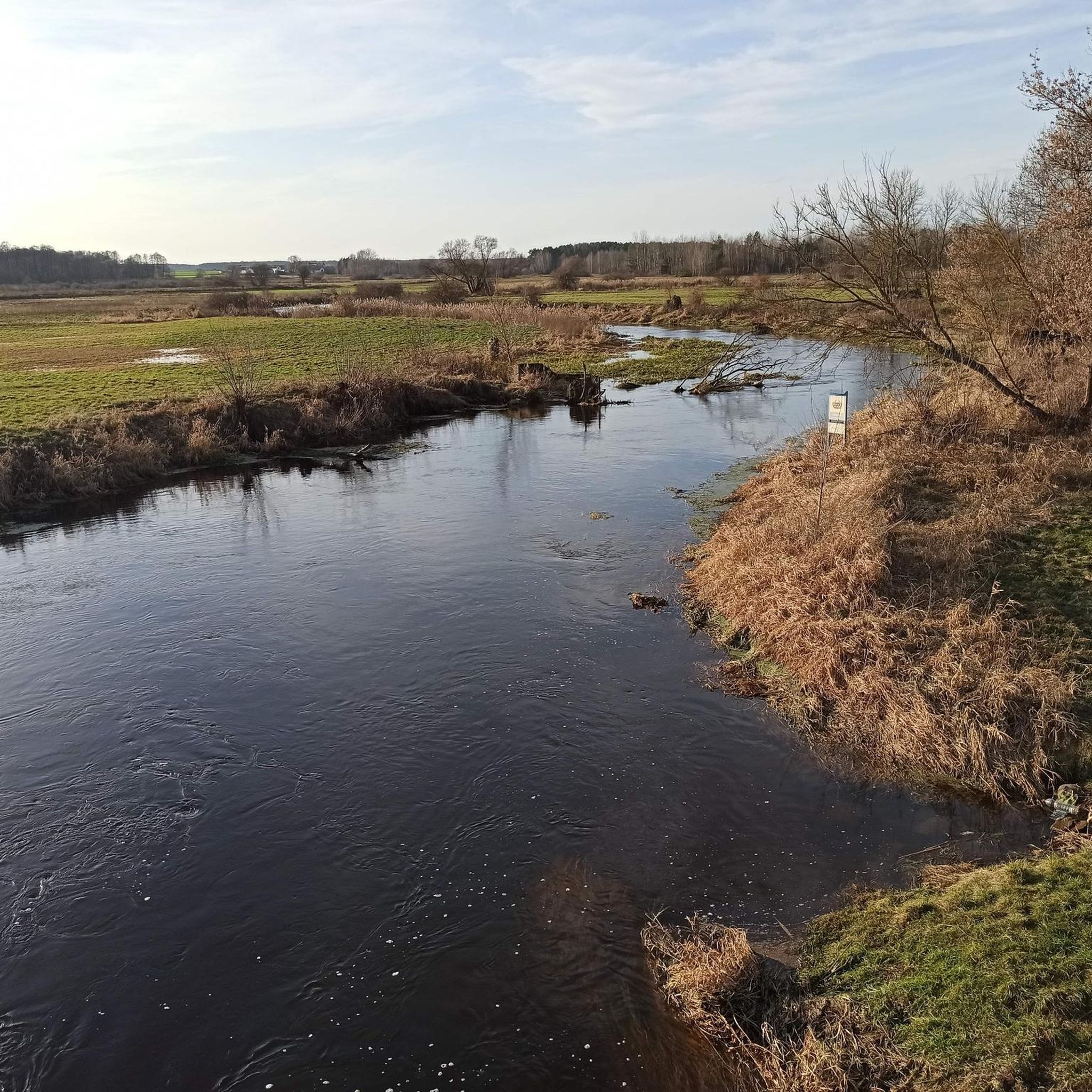
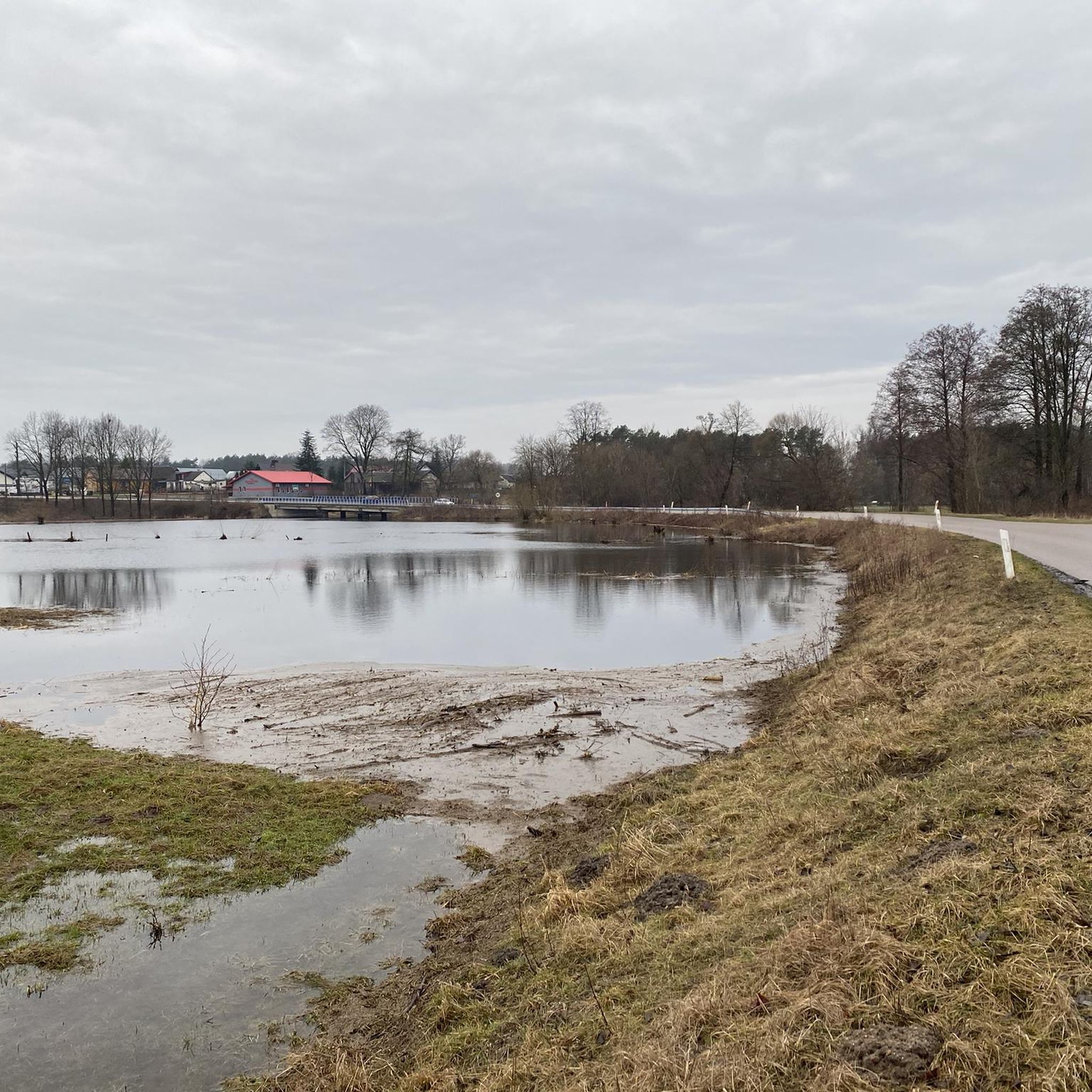
Tips from the Community

The Church of the Assumption of the Blessed Virgin Mary in Niwiska is a classicist church from 1787, founded by Kazimierz Ossoliński, chamberlain of Mielnik. Built as a single-nave hall building, it was consecrated in 1904 by the Bishop of Lublin, Franciszek Jaczewski. Located in the center of the village, at ul. Rynek 5, it is an important point on the bicycle route through Mazovia. For road cyclists, access is convenient, and the area offers quiet roads with little traffic. It is worth taking a bike lock to safely visit the interior of the church and relax in the nearby market square.
0
0

In Chlewiska there is a complex of the House of Creative Work "Reymontówka". The focal point is a historic manor house, built in the mid-19th century for the Różański family on the foundations of the previous one, dated 1807. The next owner of the estate was the famous ichthyologist Józef Helbich, who established fish ponds here. In 1926, the manor house together with 300 ha of land was bought by Władysław Reymont's widow, Aurelia, who allocated part of the money from the Nobel Prize that the writer received for the novel Chłopi (The Peasants) for this purpose. During her time, Chlewiska experienced the period of greatest splendor, including the addition of the eastern part of the manor house, a gardener's cottage and a new entrance gate with a fence in the Podhale style. On the orders of Aurelia Reymontowa, the park and garden were also tidied up, and a People's House for peasants was created in one of the buildings. In 1939, the manor house and its estate were bought by Feliks Tymieniecki, president of the coal company "Węgloblok". After several changes of ownership, the manor and park complex was purchased in 1981 by the Voivodeship Office in Siedlce. A House of Creative Work was established here, which is currently owned by the District Office in Siedlce. On May 20, 2007, "Reymontówka" celebrated the 200th anniversary of the manor house. On this occasion, a bust of Władysław Reymont was unveiled, designed by Jerzy Necl.
1
0
The palace was composed of neo-Gothic, neo-Romanesque, and oriental elements. Built of brick and plastered, set on an irregular, elongated plan with an irregular shape. The building has a basement, two-storey in part with a residential attic covered with a hipped roof with sheet metal surfaces. The palace's body is strongly segmented and consists of cuboid elements. The building is dominated by a three-storey tower topped with a battlement and a Lombard frieze placed under the crowning cornice. Basically, the body consists of six juxtaposed bodies. The body most protruding to the front is also the main axis placed asymmetrically. It is preceded by a massive porch pierced by a Tudor arch, which houses the main entrance to the palace. Above it is an open terrace surrounded by a stone balustrade. Terrace doors finished with a pointed arch and tracery decoration. All the elements were composed as pseudo-towers. They were flanked on two sides by smooth corner pilaster strips and topped with a prominent crowning cornice, under which a Lombard frieze runs, above which a battlement was placed. On one of the side elevations, a pillared portico of the side entrance was squeezed between two tower masses. Window openings of various sizes and shapes.
0
0
The Cisie-Zagrudzie park and palace complex. The house was built at the turn of the 19th and 20th centuries at the behest of the Twardowski family. The estate, originally called Cisie, was owned in 1783 by Dominik Przeździecki, the starost of Mińsk. In the 19th century, the estate passed into the possession of the family of the founders of the palace, and in 1909 it belonged to priest Stanisław Szaniawski. In the interwar years, the estate was in the possession of Jerzy Konopka. In the late 1920s, the estate belonged to Stanisław Klawe and the land amounted to 160 hectares. In 1927, the next owner was Józef Maria Mielżyński, who two years later passed it to Jerzy Konopka. Baron Jerzy Konopka (1887-1954) of the Nowina coat of arms, married since July 1914 to Maria Ludwika Sokołowska (1890-1944) of the Korab coat of arms, was the last pre-war owner of the Cisień estate and lived here in the years 1929-1944. After the end of World War II, a primary school and then teachers' apartments were placed in the palace. The palace was abandoned in the 1980s. In 1999, the building was taken over by a private owner. Currently, the house remains abandoned and is in poor technical condition. Around it are the remains of a park, in fairly good condition.
0
0
They are constantly stunning. The better the lighting, the better they look.
0
0

a large part of the castle is accessible without tickets
1
0
Architectural gems decaying due to lack of funding.
1
0
Some of the facilities are payable, but the place is worth seeing!
0
0
Frequently Asked Questions
What historical sites can I explore near Mokobody?
The region around Mokobody is rich in history. You can visit the Liw Castle and Armory Museum, which features the ruins of a 15th-century Gothic brick castle and an 18th-century Baroque manor house. Another significant historical site is the Reymontówka Creative Work House in Chlewiska, a historic manor house with ties to Nobel laureate Władysław Reymont. Additionally, the Museum of Wooden Architecture of the Siedlce Region showcases the area's unique architectural heritage.
Are there any museums to visit near Mokobody?
Yes, there are two notable museums. The Liw Castle and Armory Museum houses an exhibition of arms and weapons from various periods. You can also explore the Museum of Wooden Architecture of the Siedlce Region, located in the village of Sucha, which features a 1743 larch wood manor house and other historic wooden buildings.
What kind of outdoor activities can I do around Mokobody?
The area offers various outdoor activities, particularly around the Liwiec River, which is popular for kayaking. For cycling enthusiasts, there are several routes, including road cycling routes that take you along the Liwiec River. Mountain biking is also an option with MTB trails around Mokobody.
Are there hiking trails suitable for families near Mokobody?
Yes, there are several easy hikes around Mokobody that are suitable for families. These include routes like the 'Pier at Zalew nad Muchawką loop' and the 'Zalew nad Muchawką loop', offering pleasant walks in natural settings.
Can I find family-friendly attractions in the Mokobody area?
Absolutely. Many attractions are suitable for families. The Liw Castle and Armory Museum offers an engaging historical experience. The Reymontówka Creative Work House in Chlewiska and the Museum of Wooden Architecture of the Siedlce Region also welcome families. Additionally, religious sites like the Church of the Assumption of the Blessed Virgin Mary, Niwiski and the Basilica of the Assumption of the Blessed Virgin Mary in Węgrów are open to visitors of all ages.
What religious buildings are worth visiting near Mokobody?
You can visit the historic Church of the Assumption of the Blessed Virgin Mary in Niwiski, a classicist church from 1787. Another significant site is the Basilica of the Assumption of the Blessed Virgin Mary in Węgrów, a 16th-century church known for its baroque interior and a legendary mirror associated with Master Twardowski.
Are there any wheelchair-accessible attractions in the area?
Yes, the Basilica of the Assumption of the Blessed Virgin Mary in Węgrów is noted as being wheelchair accessible, making it a welcoming historical and religious site for all visitors.
Where can I find scenic views around Mokobody?
The Liw Castle and Armory Museum offers nice views of the Liwiec River. Additionally, Lookout Mountain Sowia, located about 11.8 km from Mokobody in Wegrow County, is known for providing scenic views of the surrounding landscape.
What is the best way to experience the Liwiec River near Mokobody?
The Liwiec River is ideal for kayaking, offering a unique way to experience the natural beauty of the area. You can also enjoy views of the river from the grounds of the Liw Castle and Armory Museum. For cyclists, there are road cycling routes that follow the river's course.
Are there places to eat or stay near the attractions?
Near the Liw Castle and Armory Museum, there is an inn across the road that serves Polish cuisine. For accommodation, the area offers various options, including a decent campsite near Liw Castle. More cafes, pubs, and restaurants can be found in nearby towns like Siedlce.
What do visitors particularly enjoy about the attractions around Mokobody?
Visitors appreciate the blend of history, culture, and nature. The Liw Castle is highly regarded for its historical significance and scenic river views. The Reymontówka Creative Work House offers a glimpse into Polish literary history, while the Museum of Wooden Architecture provides insight into regional heritage. The komoot community has contributed over 70 photos and more than 40 upvotes, highlighting the visual appeal and overall positive experience of these sites.
How long should I plan for visiting the main attractions?
To fully appreciate the main attractions like the Liw Castle and Armory Museum, the Reymontówka Creative Work House, and the Museum of Wooden Architecture, it's recommended to allocate at least half a day to a full day. This allows for exploration of the sites themselves and travel time between them, as they are spread across the broader Gmina Mokobody region.
Most popular attractions around Mokobody

Get inspired with the komoot mobile app


Explore more
Still not found the Highlight you’re looking for? See guides of the top attractions in other regions:
