Attractions and Places To See around gmina Szydłowiec - Top 20
Best attractions and places to see around gmina Szydłowiec include a mix of historical landmarks, unique natural features, and cultural sites. This region in Poland is characterized by its well-preserved urban layout in Szydłowiec town and significant natural areas like the Przysucha-Szydłowiec Forest Complex. Visitors can explore ancient rock formations, historical buildings, and protected nature reserves. The area's natural features near Szydłowiec include forests, rivers, and former quarries now filled with water.
Best attractions and places to see around gmina…
Last updated: October 18, 2026
Aga's Cave — Piekło pod Niekłaniem rock formations
Highlight • Cave
Translated by Google •
Tip by

Szydłowiec - Castle
Highlight • Castle
pl.wikipedia.org/wiki/Zamek_w_Szyd%C5%82owcu
Translated by Google •
Tip by

Sign up now to discover places like this
Get recommendations on the best single tracks, peaks, & plenty of other exciting outdoor places.
Dinosaur Footprints at the Gagaty Sołtykowskie Reserve
Highlight • Natural Monument
Translated by Google •
Tip by
Teodor Zieliński Memorial Boulder
Highlight • Monument
Translated by Google •
Tip by

Lakeside Path at Rejowskie Lake
Highlight (Segment) • Lake
Translated by Google •
Tip by

Sign up for free to discover even more attractions around gmina Szydłowiec.
Already have an account?
Start today with a free account
Your next adventure awaits.
Tips from the Community

The Castle in Szydłowiec, also known as the Castle of the Szydłowiecki and Radziwiłł families, is a historic residence with a rich history. The Castle in Szydłowiec was built between 1470–1480 by Stanisław Szydłowiecki on the site of a former knightly stronghold. Between 1515 and 1526, it underwent a significant reconstruction in the Renaissance style, carried out by Mikołaj Szydłowiecki. The final reconstruction took place between 1619 and 1629, when Albrycht Władysław Radziwiłł added late Renaissance and Baroque elements, giving the castle a unique character. The castle is situated on an artificial island, surrounded by a moat and a beautiful park, known as Radziwiłłowski Park. Its architecture is characterized by the maximum use of natural obstacles, which increased its defensibility. The structure consists of three basement wings with an inner courtyard, and its form is distinguished by a two-story loggia and a gate tower. The Castle in Szydłowiec is one of the most important monuments in the region and is a significant point on Poland's cultural map. Inside, you will find the Museum of Folk Musical Instruments, which presents rich collections and organizes various cultural events. The castle is open for visits, and its surroundings are conducive to walks and relaxation.
0
0

An inanimate nature reserve in the Konecko-Łopuszniański Protected Landscape Area in the Stąporków commune, in the Konecki district, in the northern part of the Świętokrzyskie province, near the town of Niekłań Wielki. The rocks stretch for about 1 kilometre, their height reaches 8 metres. The Skałki Piekło nature reserve under Niekłaniem is the starting point of the black tourist trail of the black tourist trail leading to the town of Wólka Plebańska. The blue tourist trail from Skarżysko-Kamienna (Pogorzałe) to Kuźniaki passes through the reserve. It is also a point on the Piekielny Szlak.
0
0

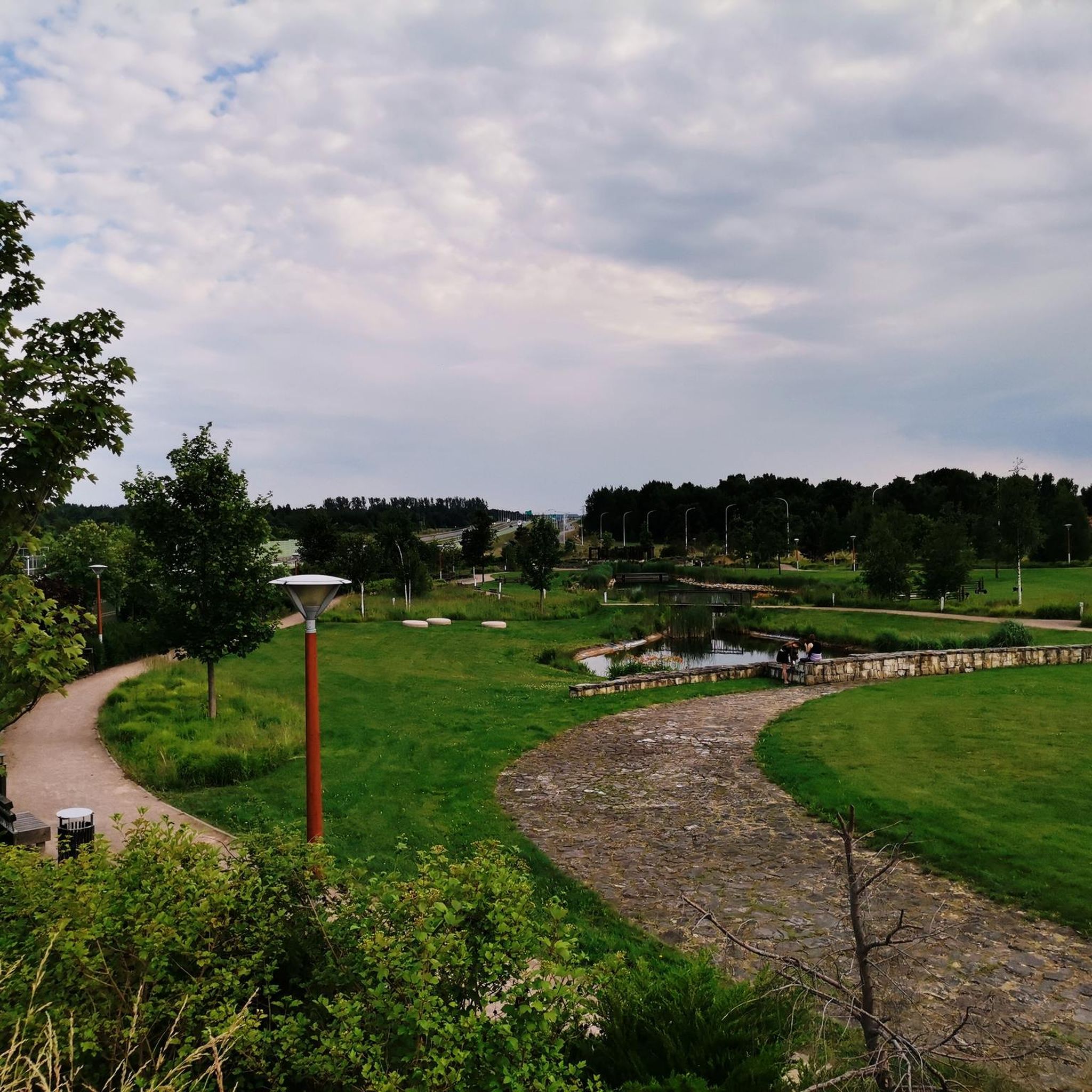
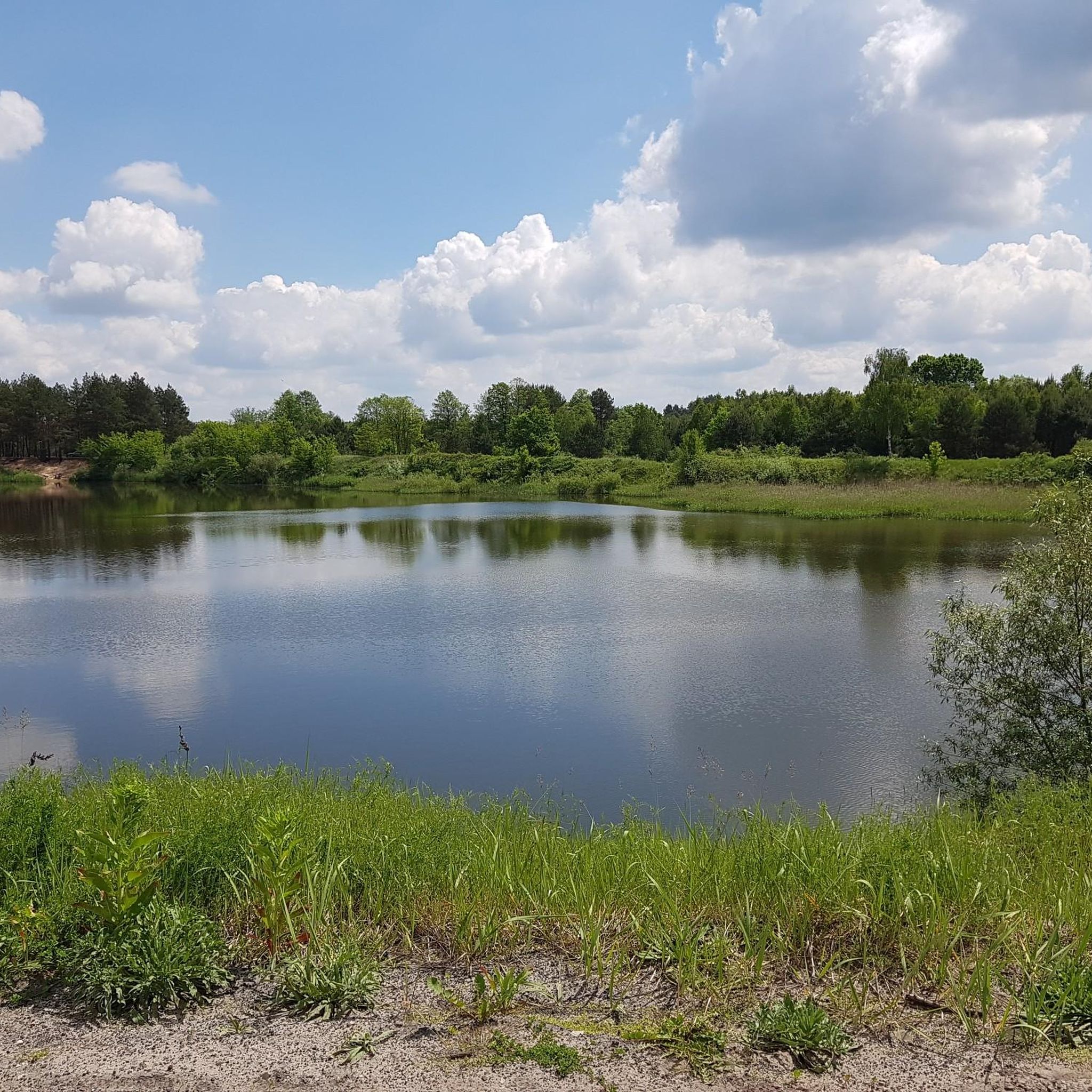
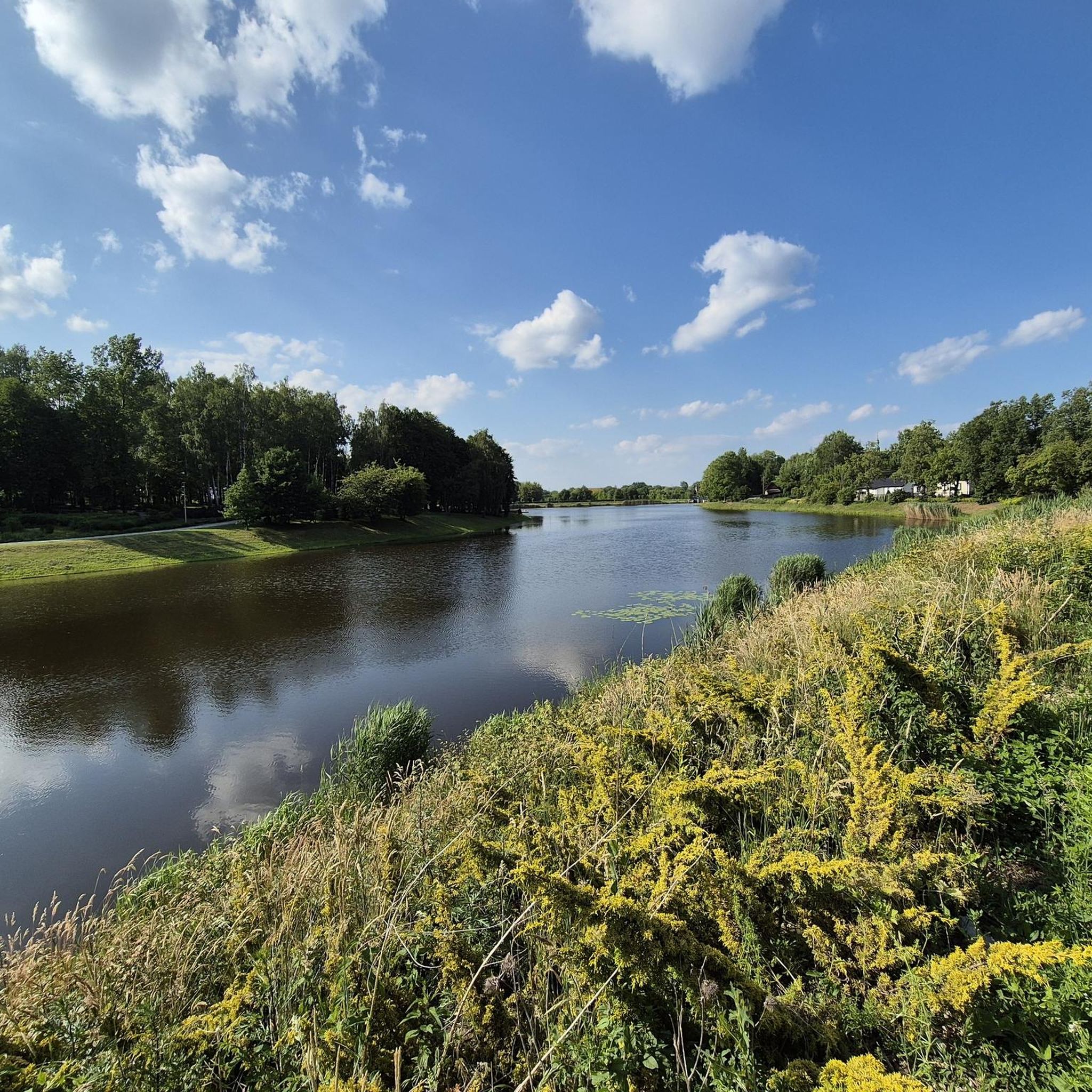
The reservoir was built at the beginning of the 19th century. It was destroyed during World War I, but in 1925 it was rebuilt and in this condition it survived until 1939, when it was destroyed again. After World War II, it was once again rebuilt by the Armament Factory in order to meet the water needs of the later Zakłady Metalowe MESKO located in Skarżysko-Kamienna. At present, it serves as an equalizing reservoir and a recreational place
1
0

The "Skałki Piekło pod Niekłaniem" nature reserve was established on April 1, 1959, in order to preserve, for scientific and didactic reasons, the peculiar forms of sandstone rocks formed by wind erosion and the northern parrot fern (Asplenium Septentrionale) living in rock crevices, on the initiative of Eng. Teodor Zielinski. It is the oldest nature reserve operating in the Stąporków Forest District.
2
0

A great place, a must to visit whenever you are nearby. The reserve was established in 1997. It covers an area of 13.33 hectares and is called "Gagaty Sołtykowskie". The middle-forest gravel road will lead us to the car park, from where the trail is quite well marked with boards and will lead us to the reserve. It is an old closed clay pit where in the mid-70s of the last century one of the major geological curiosities of the region was found - jet. The jet occurred as a fossil accompanying the basic mineral which was ceramic clays. There is a bit of a conflict here with the classification of the jet. One thing you have to admit - he's definitely a rock. And the term fossil probably comes from the fact that it perfectly reproduces the shape and structure of the wood from which it was made.
1
0

Footprints of dinosaurs imprinted on the bank of the prehistoric river. Access / access on the platforms above the swampy area.
1
0
The reserve was established in 1959 to preserve peculiar rock forms. The rocks in question were carved thanks to erosive processes in the Triassic and Lower Jurassic sandstones. Thanks to this, they stand out beautifully with yellow and orange, but also with a dark color against the green of the forest. At a length of several hundred meters, the rocks form two separate clusters. Following the blue trail from the parking lot, first we reach lower and darker rock formations, then we reach more colorful and magnificent, up to 8 m high inselbergs. These are rocks with extremely unusual shapes, such as mushrooms, chimneys, pulpits (pulpit), or… what your imagination will tell you.
4
0
This is an old, inactive clay pit where in the mid-1970s one of the greatest geological curiosities of the region was found - jet. The jet occurred as a fossil accompanying the basic mineral, which was ceramic clay. Here, the classification of jet is slightly at odds with each other. One thing must be admitted - it is definitely a rock. And the term fossil probably comes from the fact that the shape and structure of the wood from which it was made are perfectly reproduced. A phenomenon on a global scale is the preservation of both adult and juvenile tracks walking side by side. They were left by herbivorous sauropods and this is evidence of their gregarious life. One of the largest (60 centimeters) tracks of a predatory allosauropoid in Poland was also discovered in the reserve. As a curiosity, it should be noted that in the Gagaty Sołtykowskie reserve there is a site of an equally "predatory" sundew.
4
0
Frequently Asked Questions
What historical sites can I visit in Gmina Szydłowiec?
Gmina Szydłowiec is rich in history. You can explore the Gothic-Renaissance Szydłowiec Castle, which houses the Museum of Folk Musical Instruments. Another significant site is St. Sigismund's Church (Fara), dating back to 1401, with its impressive late Gothic exterior and rich Renaissance interior. The 17th-century Renaissance Szydłowiec Town Hall in the Great Market Square is also a must-see, offering panoramic views from its tower.
Are there any unique natural features to explore in the region?
Absolutely. The region boasts several unique natural features. Don't miss the Aga's Cave — Piekło pod Niekłaniem rock formations, where erosion has carved peculiar shapes resembling mushrooms and chimneys in Triassic and Lower Jurassic sandstones. You can also find the Przysucha-Szydłowiec Forest Complex, home to nature reserves protecting ancient yew and larch trees, and the Altana Massif with its significant natural cluster of Polish larch.
What family-friendly attractions are available in Gmina Szydłowiec?
Families will enjoy the Dinosaur Footprints at the Gagaty Sołtykowskie Reserve, where you can see preserved footprints of herbivorous sauropods and predatory allosauropoids. The Lakeside Path at Rejowskie Lake offers a pleasant recreational area with scenic views, perfect for a family stroll. Additionally, the Museum of Folk Musical Instruments inside Szydłowiec Castle can be an engaging experience for all ages.
Where can I find hiking trails near these attractions?
There are several hiking opportunities. The blue tourist trail passes through the Skałki Piekło pod Niekłaniem reserve. For more options, explore the easy hikes available in the region, such as the Trail to Gagaty Sołtykowskie Reserve or the Spring in Niekłań Wielki loop. You can find detailed routes and guides on the Easy hikes around gmina Szydłowiec page.
Are there cycling routes suitable for different skill levels?
Yes, Gmina Szydłowiec offers various cycling routes. You can find easy loops like the Park Landscape – Szydłowiec Town Hall loop or the Bike loop from Barak. For those seeking a moderate challenge, consider the Forest Asphalt Road – Piekieł Quarry Pond loop. Explore more options on the Cycling around gmina Szydłowiec guide page.
What is the significance of the local sandstone in Szydłowiec?
The local sandstone has played a crucial role in Szydłowiec's history and architecture. It was a vital resource used in the construction of many historical buildings within the town, such as the Szydłowiec Town Hall, and even beyond. This tradition of stonework continues to this day, making it a distinctive feature of the region's heritage.
Can I visit any former quarries in the area?
Yes, the region has former sandstone quarries that are now popular spots. The Pikiel and Podkowiński quarries, inactive since the 1960s, are now filled with water and attract tourists. These sites offer a glimpse into the area's geological past, with sandstone dating back to the Lower Jurassic period.
What cultural institutions are there besides the castle museum?
Beyond the Museum of Folk Musical Instruments in Szydłowiec Castle, the town itself retains a significant cultural heritage through its well-preserved urban layout. The historic center, with its three market squares (Wielki Rynek, Rynek Skałeczny, and Rynek Składowy), offers a unique cultural experience. The gmina is also home to several active folklore ensembles, preserving local traditions.
What do visitors enjoy most about Gmina Szydłowiec?
Visitors particularly appreciate the blend of historical landmarks and unique natural beauty. The Lakeside Path at Rejowskie Lake is highly rated for its scenic views, while the Piekło pod Niekłaniem rock formations captivate with their peculiar shapes. The Dinosaur Footprints at the Gagaty Sołtykowskie Reserve also stand out as a fascinating and popular attraction.
Are there any memorials or significant historical markers in the area?
Yes, you can find the Teodor Zieliński Memorial Boulder at the entrance to Skałki Piekło pod Niekłaniem, commemorating his contributions to forestry and nature conservation. Additionally, the Jewish Cemetery on Wschodnia Street, one of Poland's largest, features a monument erected in 1967 to commemorate Jews murdered during World War II.
What is the best time to visit Gmina Szydłowiec for outdoor activities?
The region is enjoyable throughout the warmer months for outdoor activities. Spring and autumn offer pleasant temperatures for hiking and cycling, with the changing foliage adding to the scenic beauty. Summer is ideal for enjoying the recreational areas like Rejowskie Lake. Always check local weather conditions before your visit.
Are there any other notable rock formations besides Piekło pod Niekłaniem?
Yes, beyond the well-known Piekło pod Niekłaniem, you can also explore the Piekło Dalejowskie Rock Formations. This natural monument features numerous rock formations made of Triassic sandstones, including walls, cliffs, and rock blocks forming a gorge, with several small caves and beautiful ferns creating 'hanging gardens'.
Most popular routes around gmina Szydłowiec
Most popular attractions around gmina Szydłowiec

Get inspired with the komoot mobile app


Explore more
Still not found the Highlight you’re looking for? See guides of the top attractions in other regions:
