The best road cycling routes around Pawłosiów
4.7
(94)
918
riders
176
rides
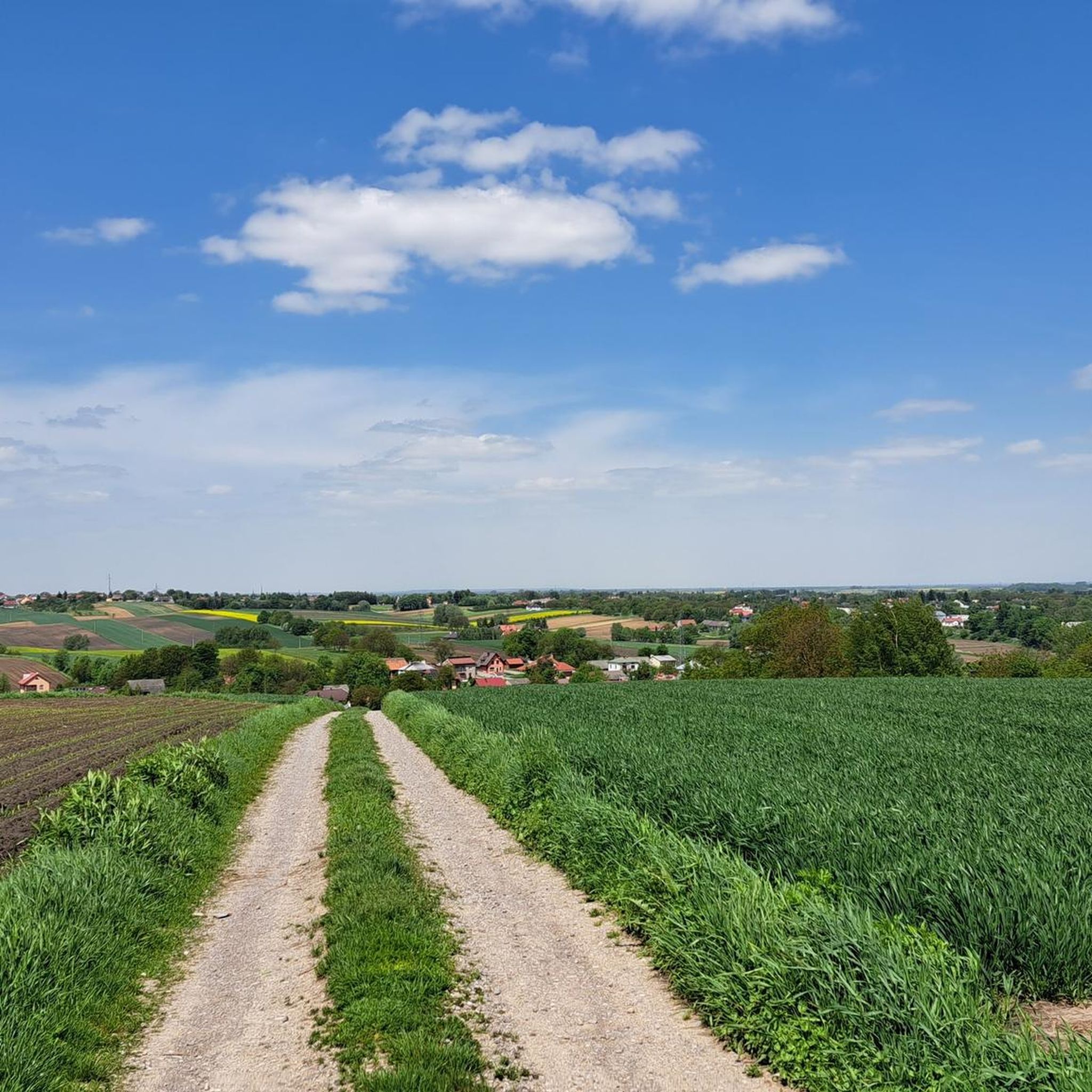
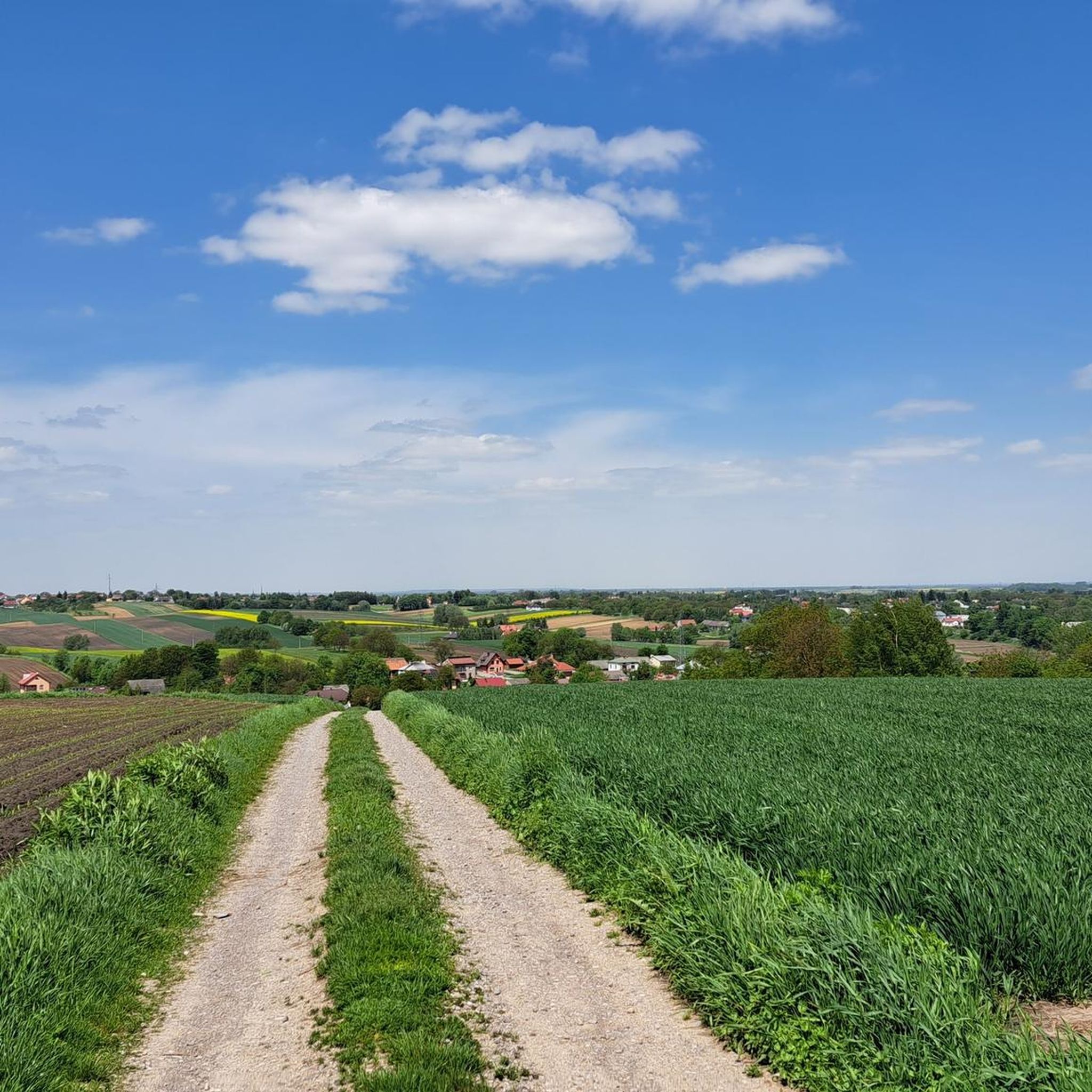
Road cycling routes around Pawłosiów traverse the serene rural landscapes of Jarosław County in Poland's Subcarpathian Voivodeship. The region is characterized by open fields, agricultural vistas, and scattered woodlands, offering a peaceful environment for cyclists. Terrain generally features gentle undulations, providing engaging rides without significant climbs. This setting makes Pawłosiów suitable for road cyclists seeking quiet roads and scenic countryside.
Best road cycling routes around Pawłosiów
- The most popular road cycling route is Pub Rukola, Sieniawa – Old Town Square…
Last updated: July 10, 2026
3.7
(3)
28
riders
Moderate road ride. Good fitness required. Some segments of this route may be unpaved and difficult to ride.
4.5
(2)
20
riders
Moderate road ride. Good fitness required. Mostly well-paved surfaces and easy to ride.

Sign up for free
4.7
(3)
17
riders
31.7km
01:25
240m
240m
Easy road ride. Great for any fitness level. Mostly well-paved surfaces and easy to ride.
5.0
(3)
14
riders
27.5km
01:14
180m
180m
Easy road ride. Great for any fitness level. Mostly well-paved surfaces and easy to ride.
13
riders
Easy road ride. Great for any fitness level. Mostly well-paved surfaces and easy to ride.
Get access to more routes and recommendations from other explorers.
Sign up for free
Already have an account?
Our route recommendations are based on thousands of hikes, rides, and runs completed by other people on komoot.
Start today with a free account
Your next adventure awaits.
Login or Signup

Tips from the Community


The fortifications of Sieniawa were built as a result of the decision of the Sejmik of Wiśnicz in 1651 to build border fortifications to defend the country against the Tatar invasion. In 1672, the Sejmik of Wiśnicz was informed about the start of the construction of the fortress by Mikołaj Sieniawski, whom he intended to name Sieniawa. In 1676, the Sejm passed the so-called "libertation" in relation to the newly founded Sieniawa. Presumably, there were several reasons for the construction of the fortifications, both as the owner's response to parliamentary appeals and as a purpose of protecting the private property of a family of significant social standing. Inside the fortifications, a manor house was naturally built, referred to in archival materials sometimes as a manor, sometimes as a castle. South of the fortifications, an ornamental quarter garden was established. The complex of fortifications, manor, and garden formed a unified organism connected to the urban structure. The fortifications were laid out on a rectangular plan, close to a square, along the north-south axis, measuring 200x250 cubits, with four brick-and-earth bastions at the corners and curtain walls about 90 m long. The southern bastions were larger and housed casemates. The manor house was demolished after 1772 and the area was tidied up, and the manor's fortifications were demolished before 1781. The creation of a residence with a park on the south side (the present-day palace complex) and changes in the communication system contributed to the demolition of the manor.
1
0
Commemorative plaque for Wiktoria and Mateusz Stawarski – residents of the town who during World War II were murdered by the German occupiers for helping the Jewish Singer family.
1
0

The former Jesuit church of St. John. Originally a Renaissance structure, it has been rebuilt many times. It is now the oldest former Jesuit church in Poland. It's truly worth it—a beautiful sight.
1
0

The interesting history of the church from 1798, handed over to the Greek Catholics, consecrated as the Church of St. Onuphrius, returned to the Catholics after 1945.
0
0

The chapel is situated on the eastern side of the access road to the palace. It was built of brick on a rectangular plan with a niche, as a single-storey building topped with a stepped gable. The front elevation is decorated with a niche with a pointed arch portal carved with glyphs with three semi-columns, the stepped gable is decorated with pinnacles and topped with a stone cross. Inside the chapel there is a figure of Our Lady of the Immaculate Conception on a pedestal with the date 1884 carved in.
1
0
The ruins of the forge are located opposite the eastern entrance gate to the palace complex, with the front elevation - western by the road. The forge was built of brick on an irregular plan, consisting of a rectangular body and small parts from the east and south, as a two-story building, probably partially basemented. It has been preserved in the form of a ruin, without a roof, ceilings and woodwork, with traces of old decoration in the form of remnants of cornices and window frames. According to legend, it was in this place that King Jan III Sobieski ordered horses to be shod when setting off to the relief of Vienna.
2
0
Collegiate Church of Corpus Christi.
0
0
Frequently Asked Questions
What kind of terrain can I expect on road cycling routes around Pawłosiów?
Road cycling routes around Pawłosiów primarily feature serene rural landscapes with open fields, agricultural vistas, and scattered woodlands. The terrain generally includes gentle undulations, providing engaging rides without significant climbs, making it suitable for cyclists seeking quiet roads and scenic countryside.
How many road cycling routes are available in the Pawłosiów area?
There are over 150 road cycling routes available around Pawłosiów. These routes cater to various ability levels, from easy loops to more moderate distances, ensuring options for every cyclist.
Are there any easy road cycling routes suitable for beginners or casual rides?
Yes, Pawłosiów offers a good selection of easy road cycling routes. For example, the Old Town Square in Jarosław – Collegiate Church of the Holy Cross. Corpus Christi loop from Jarosław is an easy 40.3 km path that explores historical landmarks within Jarosław.
What historical landmarks or attractions can I see along the road cycling routes?
The region around Pawłosiów offers several historical sites and attractions. You might encounter the Lubomirski Palace, the Kellermann Palace, or the Gorzyce World War I Cemetery, which provides a contemplative stop during a ride.
Are there any circular road cycling routes in Pawłosiów?
Yes, many routes around Pawłosiów are designed as loops. A popular moderate option is the Pub Rukola, Sieniawa – Old Town Square in Jarosław loop from Jarosław, a 50.7 km trail connecting a local pub with the historical Old Town Square.
What do other road cyclists say about the routes in Pawłosiów?
The routes in Pawłosiów are highly rated by the komoot community, with an average score of 4.7 stars from over 80 reviews. Cyclists often praise the quiet rural roads, open agricultural fields, and gentle rolling terrain that define the area's cycling experience.
Are there any routes that offer a more challenging elevation gain?
While the region generally features gentle undulations, some routes offer more significant elevation. For instance, the Old Barn with Grazing Cows – Old Town Square in Jarosław loop from Jarosław includes an elevation gain of over 440 meters, providing a more demanding ride.
Is there a good time of year to go road cycling in Pawłosiów?
The best time for road cycling in Pawłosiów is typically during the spring, summer, and early autumn months when the weather is most favorable. These seasons offer pleasant temperatures and lush scenery, ideal for exploring the rural landscapes.
Are there any family-friendly cycling options or places for kids to ride?
While the road cycling routes are generally suitable for various skill levels, for a dedicated family-friendly cycling experience or for children to practice bike skills, a local Pumptrack is available in the vicinity, offering a dedicated facility for fun.
Where can I find parking for road cycling routes in Pawłosiów or nearby Jarosław?
Many road cycling routes around Pawłosiów start from Jarosław, which is a larger town. It is advisable to look for public parking facilities in Jarosław, especially near the Old Town Square, which serves as a common starting point for several routes.
Can I reach Pawłosiów or the starting points of routes by public transport with my bike?
While specific details on bike transport on local public transport are not readily available, Jarosław, being a regional hub, likely offers better public transport connections. It's recommended to check local bus or train services for their bike carriage policies when planning your trip to the starting points.
Are there any routes that take me through particularly scenic countryside?
Absolutely. The Old Town Square in Jarosław – Cycling Route loop from Jarosław is a 52.8 km trail that leads directly through the local countryside, offering picturesque views of open fields and agricultural lands characteristic of the region.
Most popular attractions around Pawłosiów

Get inspired with the komoot mobile app


Explore more
Browse the best Road cycling routes in other regions.
