Attractions and Places To See around Grajewo - Top 20
Best attractions and places to see around Grajewo, a town in northeastern Poland, offer a mix of historical, cultural, and natural points of interest. Located in the Podlaskie Voivodeship, the area is known for its position at the intersection of historical regions and its proximity to significant natural landscapes. The region is considered part of the "Green Lungs of Poland," with forests and lakes contributing to its appeal. Grajewo also has a strong dairy industry, reflected in its cultural institutions.
Best attractions and places to see around Grajewo
- The most popular attractions is Lake Toczyłowo, a lake that serves as a popular spot for recreation. It features a picnic shelter, a bonfire area, a small beach, and sports equipment for children.
- Another must-see spot is Tripoint of the Borders of Ducal Prussia, the Kingdom of Poland, and the Grand Duchy of Lithuania, a man-made monument. This historic site marks the confluence of three historical borders and features a valuable border post from 1545, resembling a brick chapel.
- Visitors also love Ostrykół Wooden Church, a religious building. This wooden temple, originally from 1667, features baroque elements, including galleries, a choir, twisted columns, and an 18th-century organ.
- Grajewo is known for historical sites, natural lakes, and religious buildings. The area offers a variety of attractions to see and explore, from ancient border markers to recreational lakes and historic churches.
- The attractions around Grajewo are appreciated by the komoot community, with more than 20 upvotes and 10 photos shared by visitors.
Last updated: July 1, 2026
Ostrykół Wooden Church
Highlight • Religious Site
powiat.elk.pl/atrakcje/467/strona/1/kosciol-w-ostrymkole-
Translated by Google •
Tip by

Translated by Google •
Tip by
Sign up now to discover places like this
Get recommendations on the best single tracks, peaks, & plenty of other exciting outdoor places.
Sign up for free
Bridge over the Ełk River
Highlight • Bridge
Translated by Google •
Tip by
Bogusze Border Marker (1545)
Highlight • Monument
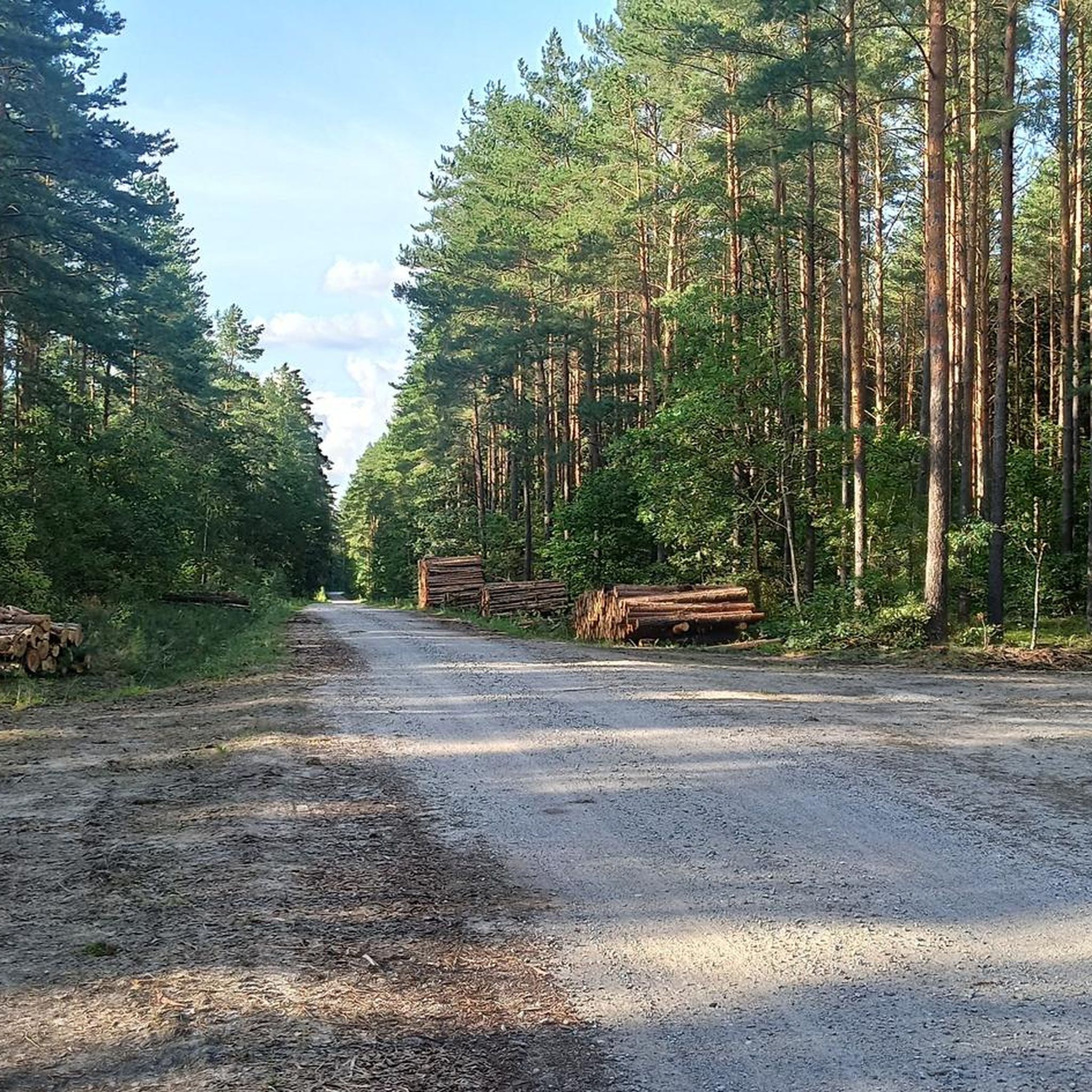
The pole is located on the left bank of the Ełk River, at the top of the riverside escarpment, deep in the forest. A forest alley leads to it from the main road. Made of brick, plastered, cuboid in shape with an almost square base (1.75 m x 1.80 m), with a high plinth at the base and a crowning, profiled cornice. The upper part has a triangular gable and a gable roof, covered with ceramic tiles.
zabytek.pl/pl/obiekty/bogusze-slup-graniczny
Translated by Google •
Tip by
Lake Toczyłowo
Highlight • Lake
Translated by Google •
Tip by

Sign up for free to discover even more attractions around Grajewo.
Sign up for free
Already have an account?
Start today with a free account
Your next adventure awaits.
Login or Signup

Tips from the Community

As you can see in the photos, the temple is wooden, three-naved, with a fairly wide main nave and two side naves, formed by pillars supporting balconies. In the presbytery there is a baroque altar from 1683. In its nave there is a cross with a figure of the crucified Christ from 1839. At the altar there are two figures of angels: standing and flying, and on their sides two brass candlesticks from the 17th century. Also characteristic are the twisted columns in the altar, with Corinthian capitals. Particularly valuable are the galleries built into this church on both sides of the nave. The entire presbytery is separated from the rest of the church by wooden balustrades. In the church there is a ten-voice organ from 1799. On the choir there is a historic deer antler. https://mojemazury.pl/8712,Ostrykol-drewniany-kosciol.html
3
0
In the village of Ostrykół there is one of the few in Masuria, a former Evangelical wooden church from 1667. Until 1945 the church belonged to the Evangelical community. After World War II it became a Roman Catholic church. https://mazury.com.pl/atrakcje/zabytkowy-drewniany-kosciol-ostrykol-k-prostek/
3
0

It is worth reading the information on the board next to it. It is a very old pole from the times of the Principality.
0
0
Wild small beach with good view. Nice sunsets.
0
0

The historic border triangle between Ducal Prussia, the Kingdom of Poland, and the Grand Duchy of Lithuania.
0
0

The church was built on the site of an Evangelical church burned down by the Tatars in 1656.
1
0
The church was built on the site of an evangelical temple burned by the Tatars in 1656. Today's baroque appearance comes from the time of the reconstruction of the church, i.e. in 1667. This wooden temple, currently Roman Catholic, hides many interesting facts in its structure. Particularly valuable are the galleries built on both sides of the nave, the choir, twisted columns in the Baroque main altar, Corinthian capitals, the pulpit from 1690, the Baroque organ from 1799 and the 18th-century baptismal angel. There is also a plaque in the church from 1700 commemorating the beginning of the Evangelical faith in the area of the current Prostki commune. Another interesting feature is a candlestick with a deer's head. https://powiat.elk.pl/atrakcje/467/strona/1/kosciol-w-ostrymkole-
4
0
In the 16th century, on the forest-covered southern edge of Ducal Prussia, due to the intensification of settlement, it was necessary to precisely demarcate the border. There were several attempts to achieve this, with unsuccessful efforts made in 1529, 1532 and 1540. In 1545, Prince Albrecht of Prussia asked the Polish king and the Grand Duke of Lithuania, Sigismund Augustus, to appoint a border commission. By an act of March 19 this year, the Polish King consented to the commencement of work. In August 1545, the Prussian and Lithuanian commissions met near the present-day village of Bogusze, at the tripoint of the borders of Prussia, Lithuania and the Crown, marking the border between the countries. In memory of this meeting, a border post was erected with the coats of arms of Lithuania and Prussia and a commemorative inscription in Latin, authored by Jerzy Sabinus, rector of the University of Königsberg. In 1907, the coat of arms boards were moved to the Königsberg open-air museum and their copies were placed on a pole. The pole is located on the left bank of the Ełk River, at the top of the riverside escarpment, deep in the forest. A forest alley leads to it from the main road. Made of brick, plastered, cuboid in shape with an almost square base (1.75 m x 1.80 m), with a high plinth at the base and a crowning, profiled cornice. The upper part has a triangular gable and a gable roof, covered with ceramic tiles. https://zabytek.pl/pl/obiekty/bogusze-slup-graniczny
1
0
Frequently Asked Questions
What historical sites can I visit around Grajewo?
Grajewo and its vicinity are rich in history. You can explore the significant Tripoint of the Borders of Ducal Prussia, the Kingdom of Poland, and the Grand Duchy of Lithuania, marked by a valuable border post from 1545. Another notable site is the Ostrykół Wooden Church, a beautiful temple dating back to 1667 with baroque elements. Don't miss the Bogusze Border Marker (1545), which commemorates the precise demarcation of borders in the 16th century.
Are there any natural attractions or lakes for recreation near Grajewo?
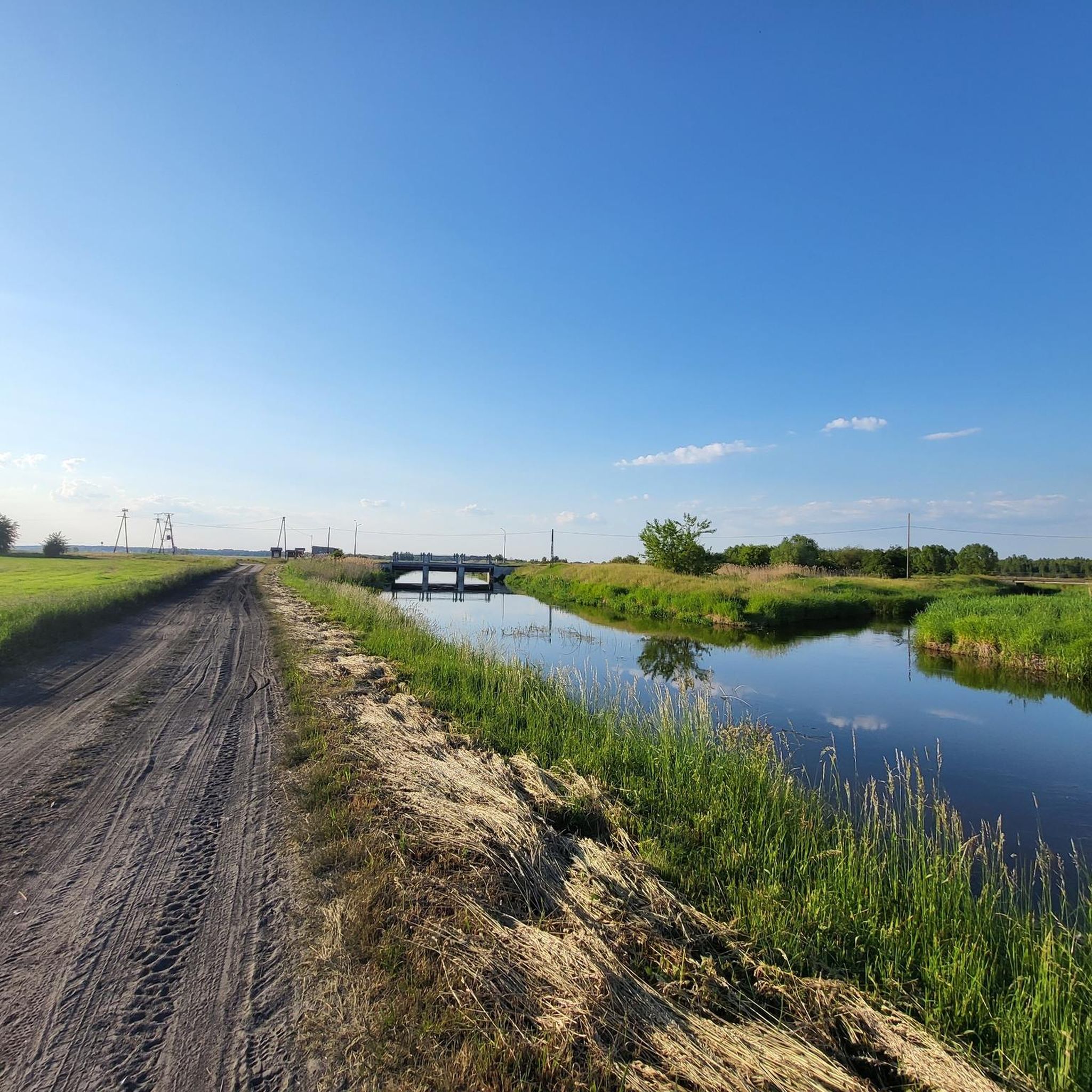
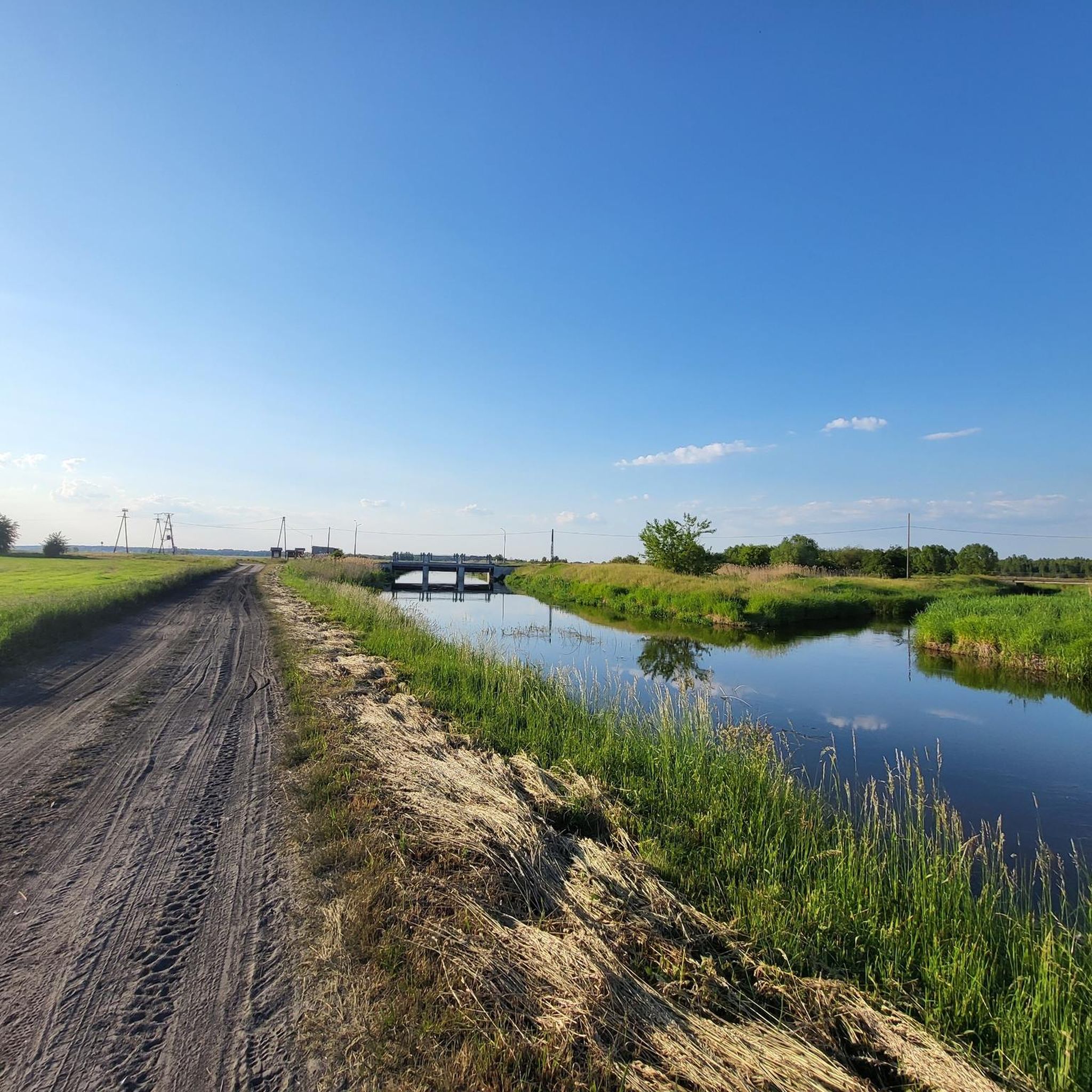
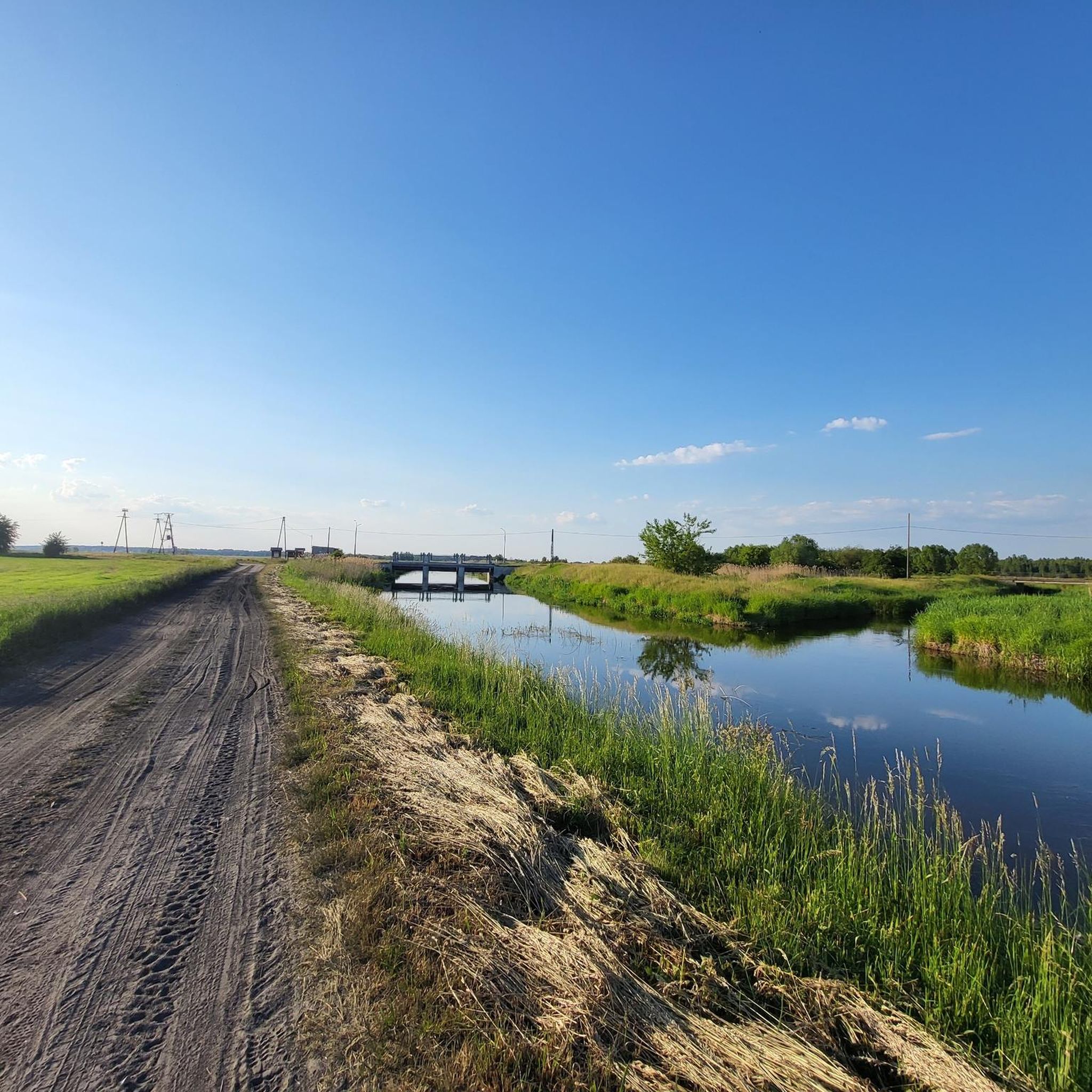
Yes, the region offers several natural spots for relaxation and outdoor activities. Lake Toczyłowo is a popular recreational area featuring a picnic shelter, bonfire area, small beach, and sports equipment. The Bridge over the Ełk River offers scenic views and access to kayaking opportunities. You can also find Lake Brajmura within the city, known for its extensive reed beds, and the Kuwasy Canal, which is part of the EuroVelo 11 trail and great for cycling or walking.
What cultural institutions are unique to Grajewo?
Grajewo has a strong connection to its dairy industry, which is celebrated at the Centrum Tradycji Mleczarstwa - Muzeum Mleka (Center of Dairy Tradition - Milk Museum), Poland's first Milk Museum. Additionally, the Grajewska Izba Historyczna (Grajewo Historical Chamber) preserves and exhibits the local historical and cultural heritage.
What outdoor activities can I do around Grajewo?
The area around Grajewo is excellent for various outdoor pursuits. You can find numerous routes for cycling, including those around Lake Toczyłowo and along the Kuwasy Canal. For hiking, there are easy trails available, such as the 'Railway Overpass in Grajewo' loop. Mountain biking enthusiasts can explore routes like the 'Bogusze Border Marker (1545)' loop. For more detailed routes, check out the guides for Easy hikes around Grajewo, MTB Trails around Grajewo, and Cycling around Grajewo.
Are there any family-friendly attractions in the Grajewo area?
Absolutely! Lake Toczyłowo is a fantastic spot for families, offering a beach, picnic areas, and sports equipment for children. The Military Equipment Park in Grajewo provides an interesting, brief stop with military exhibits and a playground. Additionally, local parks like Park Wojsko Polskie and Park Solidarności offer green spaces for children to play.
What is the significance of the Tripoint of the Borders monument?
The Tripoint of the Borders of Ducal Prussia, the Kingdom of Poland, and the Grand Duchy of Lithuania is a historically significant site. It marks the exact location where the borders of these three powerful entities converged in 1545. The monument, resembling a brick chapel, features a valuable border post from that era, making it a unique historical landmark.
Can I go kayaking near Grajewo?
Yes, the Ełk River, which flows near Grajewo, offers opportunities for kayaking. The area around the Bridge over the Ełk River in Lipińskie Małe is known to have spots where you can launch kayaks. While some are private, there are also public access points for getting in and out of the water.
What is the best way to experience the natural beauty of the region?
To fully appreciate the natural beauty, consider exploring the area by bike or on foot. The Kuwasy Canal, part of the EuroVelo 11 trail, offers a scenic gravel road perfect for cycling or walking. For a more extensive natural experience, the renowned Biebrza National Park is a significant nearby point of interest, offering vast natural landscapes and opportunities for wildlife observation.
What do visitors enjoy most about Lake Toczyłowo?
Visitors particularly enjoy Lake Toczyłowo for its peaceful atmosphere and recreational facilities. It's praised for its small, wild beaches, offering quiet spots and beautiful sunsets. The gravel road next to the lake is also appreciated, providing a refreshing breeze on hot days and opportunities for a quick dip in the water.
Are there any religious sites of interest in the Grajewo area?
Yes, the region is home to several significant religious sites. The Ostrykół Wooden Church, originally from 1667, is a Roman Catholic church with remarkable baroque elements and historical significance. Another important site is the Sanctuary of Our Lady of Wąsocka, Queen of Families, a historic sanctuary dating back to 1605, formerly a Carmelite church, known for its beautiful old building and religious importance.
What kind of cycling routes are available around Grajewo?
Grajewo offers a variety of cycling routes suitable for different preferences. You can find easy routes like the 'Lake Toczyłowo – Toczyłowskie Lake loop' from Grajewo, which covers about 25 km. For those looking for moderate challenges, there are routes such as the 'Historic Post in Kosiły – Bridge over the Ełk River' loop, extending almost 40 km. The Kuwasy Canal also provides a fast, scenic gravel road ideal for cycling. Explore more options in the Cycling around Grajewo guide.
What is the historical background of the Ostrykół Wooden Church?
The Ostrykół Wooden Church has a rich history, originally built in 1667 on the site of an earlier evangelical temple. Its current baroque appearance stems from its reconstruction. Until 1945, it served the Evangelical community before becoming a Roman Catholic church. Inside, you can find valuable features like galleries, a choir, twisted columns in the main altar, a pulpit from 1690, and an 18th-century organ.
Most popular attractions around Grajewo

Get inspired with the komoot mobile app


Explore more
Still not found the Highlight you’re looking for? See guides of the top attractions in other regions:
