Attractions and Places To See around gmina gmina Mielnik - Top 20
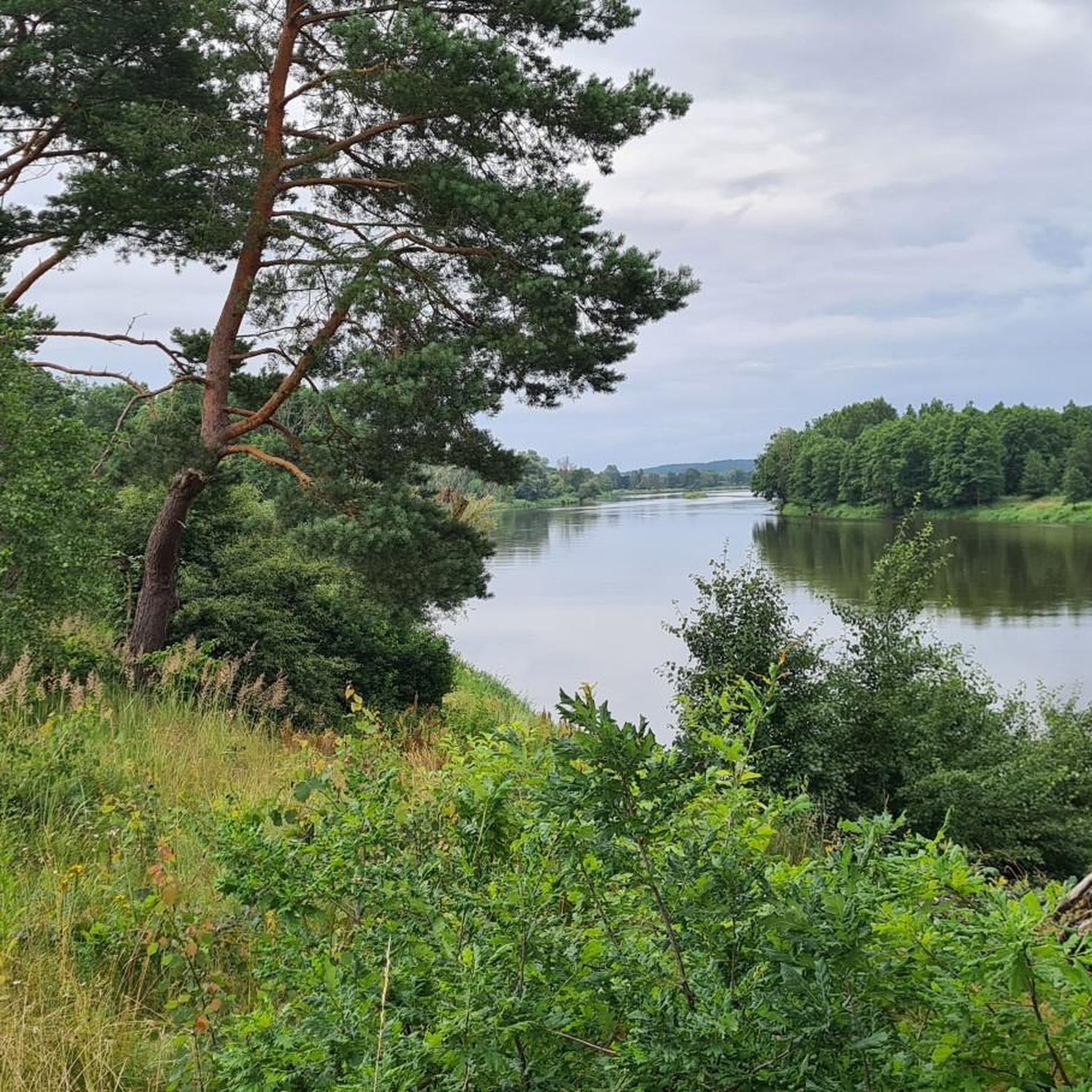
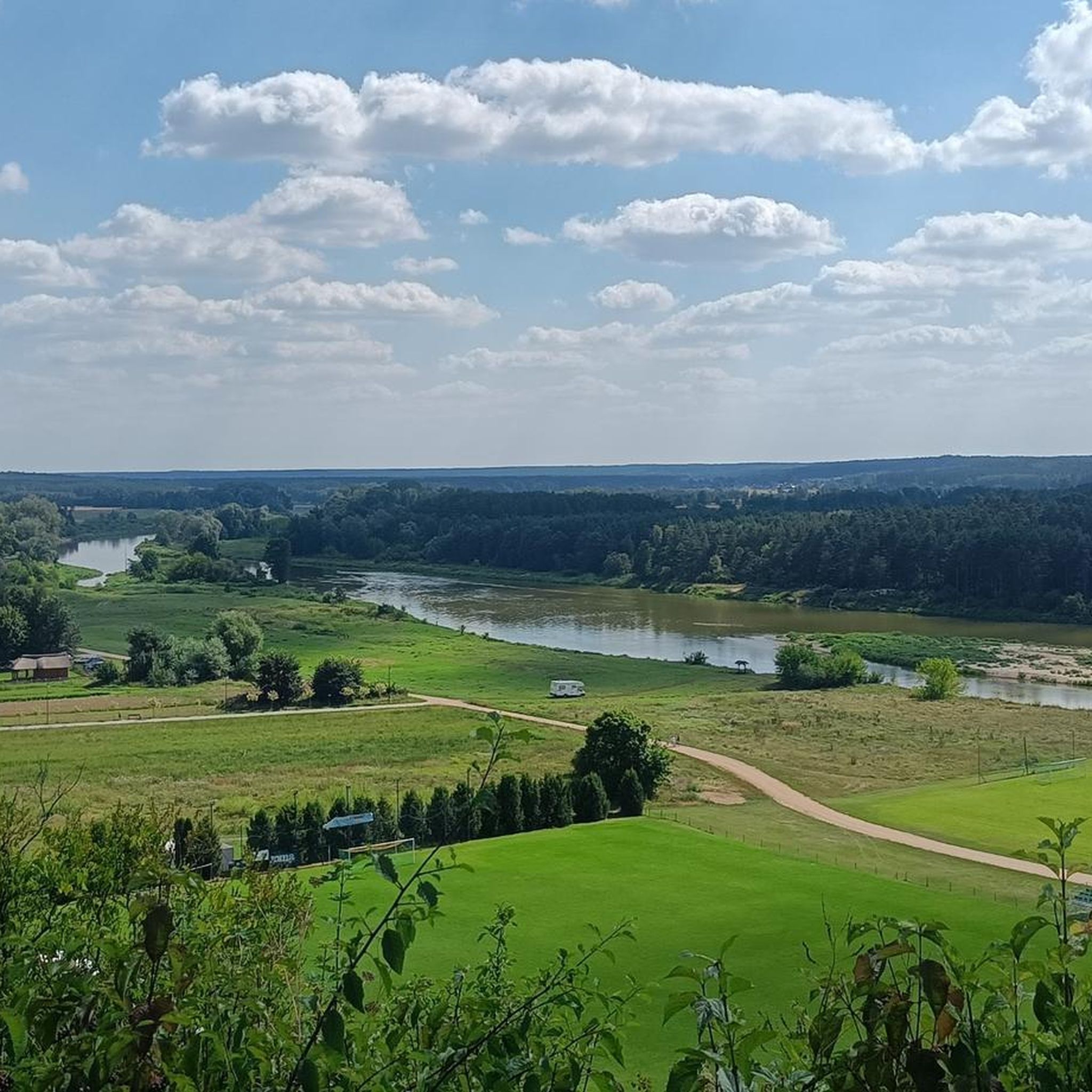
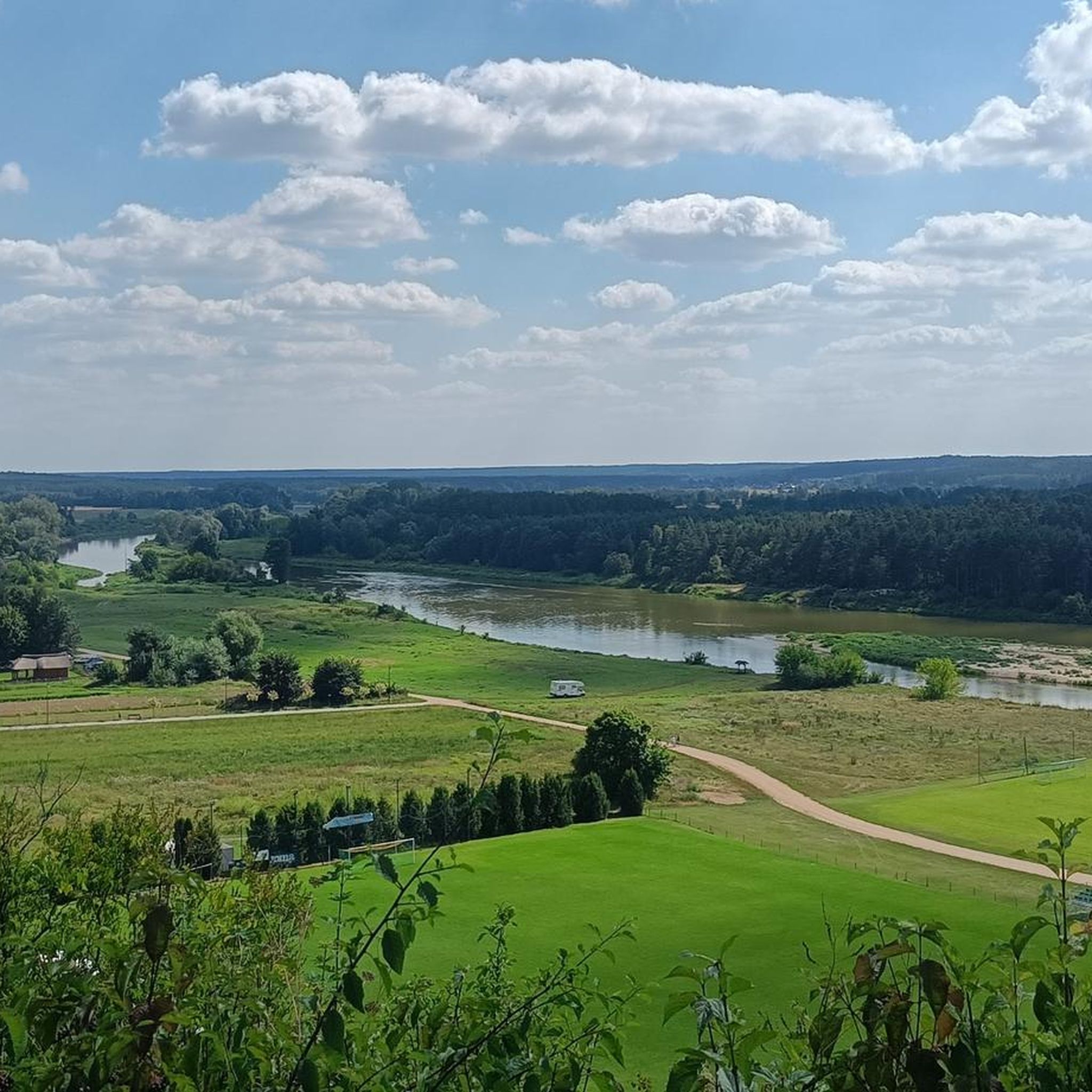
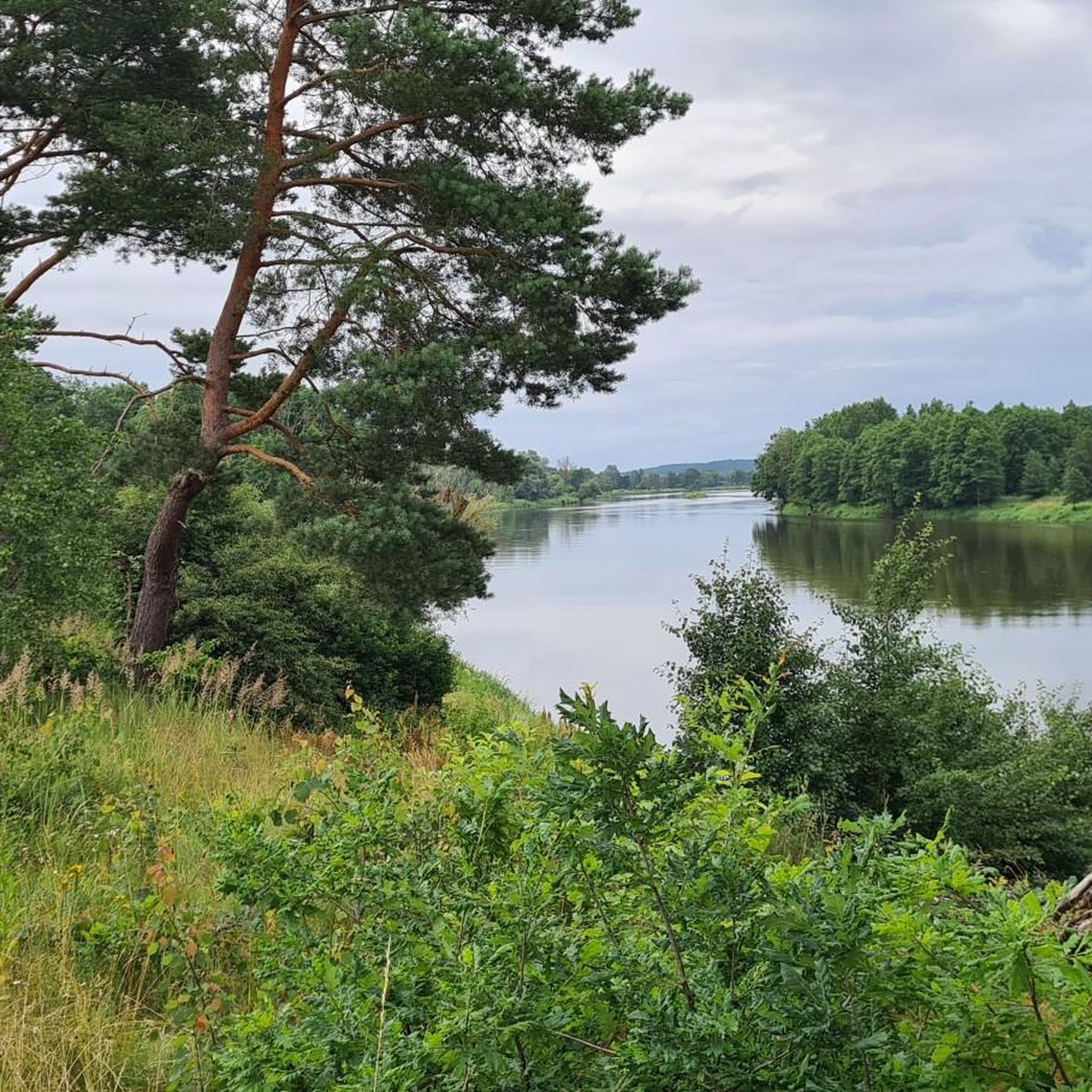
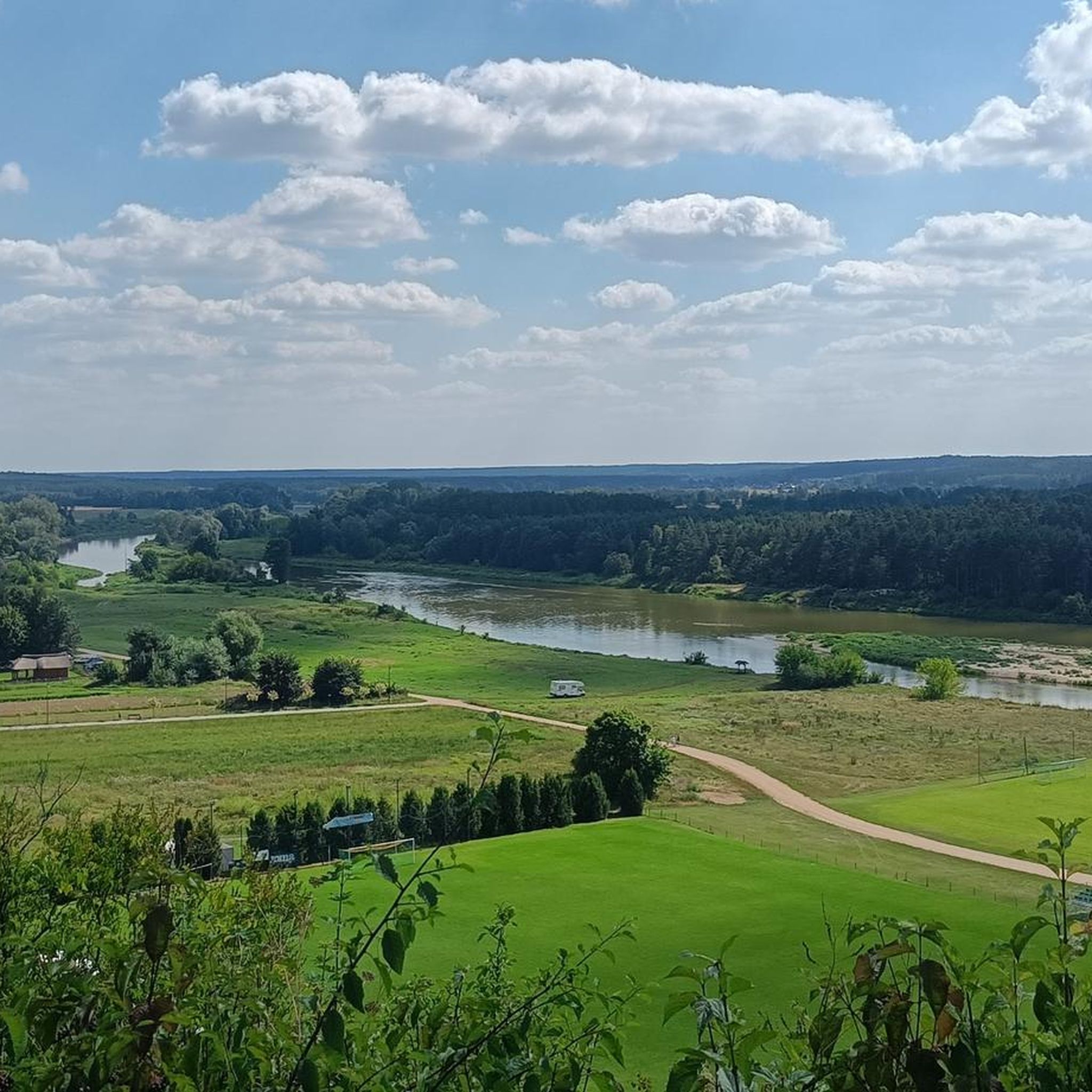
Best attractions and places to see around gmina gmina Mielnik are located in the Podlaskie Voivodeship, a region defined by its position along the Bug River. This area features a mix of historical sites, cultural points of interest, and natural landscapes. Visitors can explore ancient ruins, significant religious buildings, and unique geological formations. The gmina offers opportunities for outdoor activities within its picturesque river valley.
Best attractions and places to see around gmina gmina Mielnik
- The most popular attractions is Holy Mount Grabarka (Święta Góra Grabarka), a religious building that serves as an important Orthodox pilgrimage site. It is known as the "Hill of Crosses," where the faithful bring votive crosses.
- Another must-see spot is Church of the Icon of the Mother of God 'Joy of All Who Sorrow' in Koterka, a religious building. This temple dates from 1912 and stands on the site of a Marian apparition from 1852.
- Visitors also love Winnica Korol Winery, an other man-made attraction. This local winery is located in Mielnik, a village with a history as a former city on the Bug River.
- Gmina gmina Mielnik is known for its historical sites, religious buildings, and natural features. The region offers a variety of attractions to see and explore, from ancient fortifications to scenic river views.
- The attractions around gmina gmina Mielnik are appreciated by the komoot community, with 43 upvotes and 113 photos shared by visitors.
Last updated: July 1, 2026
Holy Mount Grabarka (Święta Góra Grabarka)
Highlight • Religious Site
Translated by Google •
Tip by

Church of the Icon of the Mother of God 'Joy of All Who Sorrow' in Koterka
Highlight • Religious Site
Translated by Google •
Tip by

Sign up now to discover places like this
Get recommendations on the best single tracks, peaks, & plenty of other exciting outdoor places.
Sign up for free
Molotov Line Bunkers
Highlight • Historical Site
Translated by Google •
Tip by

Holy Mountain Chapel and Spring
Highlight • Religious Site
In 1910, on the bicentennial of the miracle, a round roof was built over the spring. Currently, the well is surrounded by a new chapel from 2001.
According to Orthodox tradition, water is blessed several times a year. The Great Consecration takes place on the eve and on the feast of the Baptism of the Lord itself. The Little Consecration traditionally takes place on parish feast days (here: the Transfiguration of the Lord, the 10th Friday after Easter, the feast of the icon of the Mother of God "Joy of All Who Sorrow"), as well as on other days designated by the liturgical calendar (e.g. the feast of the icon of the Mother of God "Life-giving Source", half of the period of Pentecost).
Translated by Google •
Tip by

Winnica Korol Winery
Highlight • Structure
Mielnik was a city for almost 500 years - it obtained the charter in 1440, and was demoted in 1934. In the years 1975–1998, the town was located in the Białystok Voivodeship. It was a royal city of the Crown of the Kingdom of Poland[7] in the Mielnik starosty in the Mielnik land of the Podlaskie Voivodeship in 1795[8].
The town is the seat of the Mielnik commune, the Roman Catholic parish of the Transfiguration of the Lord and the Orthodox parish of the Nativity of the Blessed Virgin Mary.
pl.wikipedia.org/wiki/Mielnik_(wojew%C3%B3dztwo_podlaskie)
Translated by Google •
Tip by

Sign up for free to discover even more attractions around gmina gmina Mielnik.
Sign up for free
Already have an account?
Start today with a free account
Your next adventure awaits.
Login or Signup

Tips from the Community

Holy Mount Grabarka is the most important Orthodox center in Poland, located in the Podlaskie Voivodeship, near Siemiatycze. It is a pilgrimage site known as the "Hill of Crosses" because for centuries the faithful have brought votive crosses here, symbolizing prayers and thanksgiving. The complex includes the Saints Martha and Mary Monastery and three Orthodox churches.
1
0

A beautiful and magical place. It's impossible to describe, it must be seen.
1
0

Most of the "Molotov Line" bunkers along the Bug River are in very poor condition.
0
0
The Bug Valley tempts with picturesque views, but this is not the only attraction of this area. History enthusiasts flock here to discover the remains of one of the most famous fortifications of World War II. Around 1,900 structures of various purposes, over 150,000 soldiers and civilians working on their construction in 1940, over 1,000 km long – the scale of this undertaking is still admirable today. And all this in order to separate themselves from the German ally, with whom Minister Molotov had signed a friendship treaty just a few months earlier. However, Stalin knew that an alliance with Germany was as fleeting as the smoke from his favorite pipe. Hence the construction of large-scale fortifications, which were to stop the aggressor, enable mobilization in the event of war and support offensive operations. The Molotov Line, like its French “cousin” – the Maginot Line, did not live up to the hopes placed in it. The German attack surprised the Russians, some of the bunkers were not even occupied, others did not resist for long. Abandoned almost without a fight, some turned into a pile of rubble, after the war they became a treasure trove of engines and generators for the local population.
0
0
Large reinforced concrete shells of combat bunkers hide from the view of outsiders in the forest shade or grow from the tops of the Bug River hills. Overgrown with grass and bushes, covered with thick moss, they are beginning to resemble more and more the creations of nature, not human hands. The memory of them is slowly fading away along with their outlines. And yet eighty years ago, Soviet staff officers proudly referred to them as... Stalin's fangs. They were supposed to bite all those who dared to raise their hands against the Soviet Union. The belt of famous Soviet fortifications stretches across a significant part of the southern and western edges of the Podlaskie Voivodeship. The Molotov Line, because that is the name under which they are currently best known, is a real treat for lovers of military equipment and military architecture.
0
0
At the foot of the Mountain there is a miraculous spring. It was those who washed themselves here and drank the water that were saved from the cholera epidemic in 1710. To this day, people come here and wash their sick and sore places, drink water from the well and take it home. In 1910, on the bicentennial of the miracle, a round roof was built over the spring. Currently, the well is surrounded by a new chapel from 2001. According to Orthodox tradition, water is blessed several times a year. The Great Consecration takes place on the eve and on the feast of the Baptism of the Lord itself. The Little Consecration traditionally takes place on parish feast days (here: the Transfiguration of the Lord, the 10th Friday after Easter, the feast of the icon of the Mother of God "Joy of All Who Sorrow"), as well as on other days designated by the liturgical calendar (e.g. the feast of the icon of the Mother of God "Life-giving Source", half of the period of Pentecost).
2
0
The Orthodox Church of the Icon of Our Lady of All Sorrows Joy in Koterka is located in a remote area surrounded by forest, approx. 1.5 km south of the village centre. An interesting story is connected with the construction of the church. According to it, on 19 May 1852, a woman appeared to a resident of these areas - Eufrozyna Iwaszczuk - ordering a prayer of atonement. In 1855, when an epidemic of plague air broke out, the Mother of God ordered Eufrozyna that the priest and the parishioners should pray for God's mercy. After this event, the parish priest - Szymon Budziłowicz decided to erect a cross at the site of the apparition. The area quickly became a popular place spontaneously visited by pilgrims, who miraculously experienced healing there. Later, a spring appeared in the place of the cross, and with it pilgrimages and further healings. In 1906, permission was obtained to build the church. On July 29, 1912, the church was consecrated. During its construction, many healings occurred. During World War I, the bells were removed from the church, which were taken down by the Germans, and the entire clergy were evacuated to Russia. During this period, the entire fence was also destroyed, as well as liturgical vestments, banners and candlesticks. A new fence was erected in 1925, while three new bells were acquired in 1931. The church is a building built on a cross plan, with a narrower chancel closed on three sides and two rectangular sacristies. The church is oriented, has a single-space interior layout divided into three parts. Next to the church there is a well over a spring in the form of a hexagonal arbor. Renovation and conservation works were carried out in 1996. In the summer of 2012, the church in Koterka celebrated the important ceremony of the 100th anniversary of the consecration of the church. The jubilee was celebrated with great pomp by the parishioners, but also by the inhabitants of the entire Mielnik commune and the surrounding area. On this occasion, a polychrome was also made inside the church, designed and executed by Jarosław Wiszenko. To this day, the church and the miraculous icon located in it are a place of pilgrimage for Orthodox believers.
0
0
Frequently Asked Questions
What historical sites can I explore in Gmina Mielnik?
Gmina Mielnik is rich in history. You can explore the Molotov Line Bunkers, a significant World War II fortification system along the Bug River. Additionally, the area features the historic Mielnik Castle Hill (Grodzisko) and the ruins of the Castle Church, which offer insights into the region's ancient past. The Ośrodek Dziejów Ziemi Mielnickiej (Center for the History of Mielnik Land) also provides exhibitions on local history.
Are there any significant religious sites to visit in Gmina Mielnik?
Yes, the region is home to several important religious sites. The most prominent is Holy Mount Grabarka (Święta Góra Grabarka), a major Orthodox pilgrimage site known as the "Hill of Crosses." Another notable site is the Church of the Icon of the Mother of God 'Joy of All Who Sorrow' in Koterka, built on the site of a Marian apparition. You can also visit the Holy Mountain Chapel and Spring, believed to have miraculous properties.
What natural attractions are there in Gmina Mielnik?
The gmina is nestled within the picturesque Bug River Valley, part of the Podlaski Bug Gorge Landscape Park, offering scenic walks along the riverbanks. You can also visit the unique Open-pit Chalk Mine in Mielnik, which exposes Upper Cretaceous rock deposits, or explore the "Uszeście" Nature Reserve. The Rowska Mountain Viewpoint provides panoramic views of the surrounding landscape.
Are there opportunities for hiking in Gmina Mielnik?
Yes, Gmina Mielnik offers various hiking opportunities. You can find easy trails suitable for a leisurely walk, such as the 'Hiking loop from Mielnik' or the 'Saint Roch's Hill loop from Mielnik'. The Kalinik Nature Trail, part of the Podlaski Przełom Bugu Landscape Park, also allows for walks along the Bug River. For more options, explore the Easy hikes around gmina gmina Mielnik guide.
Can I go cycling in Gmina Mielnik?
Absolutely. Gmina Mielnik is well-suited for cycling, featuring sections of the Green Velo cycling route. There are various routes available, including easy MTB trails like the 'Flock of Sheep on Góra Rowska – Mielnik Chalk Quarry loop from Mielnik'. For more detailed routes, check out the Cycling around gmina gmina Mielnik and MTB Trails around gmina gmina Mielnik guides.
Are there family-friendly attractions in Gmina Mielnik?
Yes, Gmina Mielnik offers attractions suitable for families. The Church of the Icon of the Mother of God 'Joy of All Who Sorrow' in Koterka and the Holy Mountain Chapel and Spring are listed as family-friendly. Additionally, the Mielnicka Alpaka farm provides a unique and engaging experience for children and adults alike.
What unique cultural experiences does Gmina Mielnik offer?
Beyond historical sites, Gmina Mielnik offers unique cultural insights. You can visit the Mielnicki Kuferek (Mielnik Chest) Ethnographic Museum, a private museum showcasing local artifacts and traditions. The Winnica Korol Winery provides an opportunity to experience local viticulture, and the Kraina Aniołów (Land of Angels) is another point of interest suggesting a unique local artistic or cultural spot.
What is the best time of year to visit Gmina Mielnik?
Gmina Mielnik is described as an ideal destination for those seeking peace and close contact with nature, suggesting it can be enjoyed across various seasons. The picturesque landscapes of the Bug River Valley are particularly appealing in warmer months for outdoor activities like hiking and cycling. However, its historical and religious sites are accessible year-round.
What do visitors particularly enjoy about the attractions in Gmina Mielnik?
Visitors appreciate the blend of historical significance and natural beauty. For instance, Holy Mount Grabarka is described as a 'beautiful and magical place' that 'must be seen.' The Church in Koterka is noted for being a 'beautiful, small church hidden in the forest.' The Molotov Line Bunkers attract history enthusiasts interested in World War II fortifications.
Are there any geological points of interest in the area?
Yes, the Open-pit Chalk Mine in Mielnik is a significant geological site, showcasing deposits of Upper Cretaceous rocks. There is also a Geological Exhibition of Mielnik Land Treasures that highlights the region's geological heritage.
Can I find viewpoints with scenic vistas in Gmina Mielnik?
Yes, the Rowska Mountain Viewpoint offers panoramic views of the surrounding landscape. Additionally, Mielnik Castle Hill (Grodzisko) provides excellent views of the Bug River valley, allowing visitors to appreciate the natural beauty of the region.
Are there any unique local businesses or farms to visit?
Beyond the main attractions, you can visit the Winnica Korol Winery, a local winery located in Mielnik. For a different experience, the Mielnicka Alpaka is an alpaca farm that offers a unique and charming visit.
Most popular routes around gmina gmina Mielnik
Most popular attractions around gmina gmina Mielnik

Get inspired with the komoot mobile app


Explore more
Still not found the Highlight you’re looking for? See guides of the top attractions in other regions:
