The best cycling routes around gmina gmina gmina Sokółka
4.7
(46)
300
riders
49
rides
Touring cycling routes around gmina gmina gmina Sokółka traverse a diverse landscape characterized by post-glacial hills, expansive forests, and preserved river valleys. The region features the Sokólskie Hills, which offer varied terrain up to 230 meters above sea level, and a significant portion of the Knyszyńska Forest, providing shaded routes through pristine woodlands. Cyclists will also encounter tranquil agricultural landscapes and the scenic Sokółka Reservoir, which often serves as a focal point for rides. This blend of natural features creates…
Last updated: October 14, 2026
5.0
(10)
41
riders
23.4km
01:26
90m
90m
Easy bike ride. Great for any fitness level. Mostly paved surfaces. Suitable for all skill levels.
5.0
(1)
16
riders
18.7km
01:09
80m
80m
Easy bike ride. Great for any fitness level. Mostly paved surfaces. Suitable for all skill levels.

3.0
(1)
15
riders
55.1km
03:16
270m
270m
Moderate bike ride. Good fitness required. Mostly paved surfaces. Suitable for all skill levels.
8
riders
78.3km
04:41
410m
410m
Moderate bike ride. Good fitness required. Mostly paved surfaces. Suitable for all skill levels.
5.0
(1)
11
riders
39.9km
02:24
210m
210m
Moderate bike ride. Good fitness required. Mostly paved surfaces. Suitable for all skill levels.
Get access to more routes and recommendations from other explorers.
Already have an account?
Our route recommendations are based on thousands of hikes, rides, and runs completed by other people on komoot.
Start today with a free account
Your next adventure awaits.
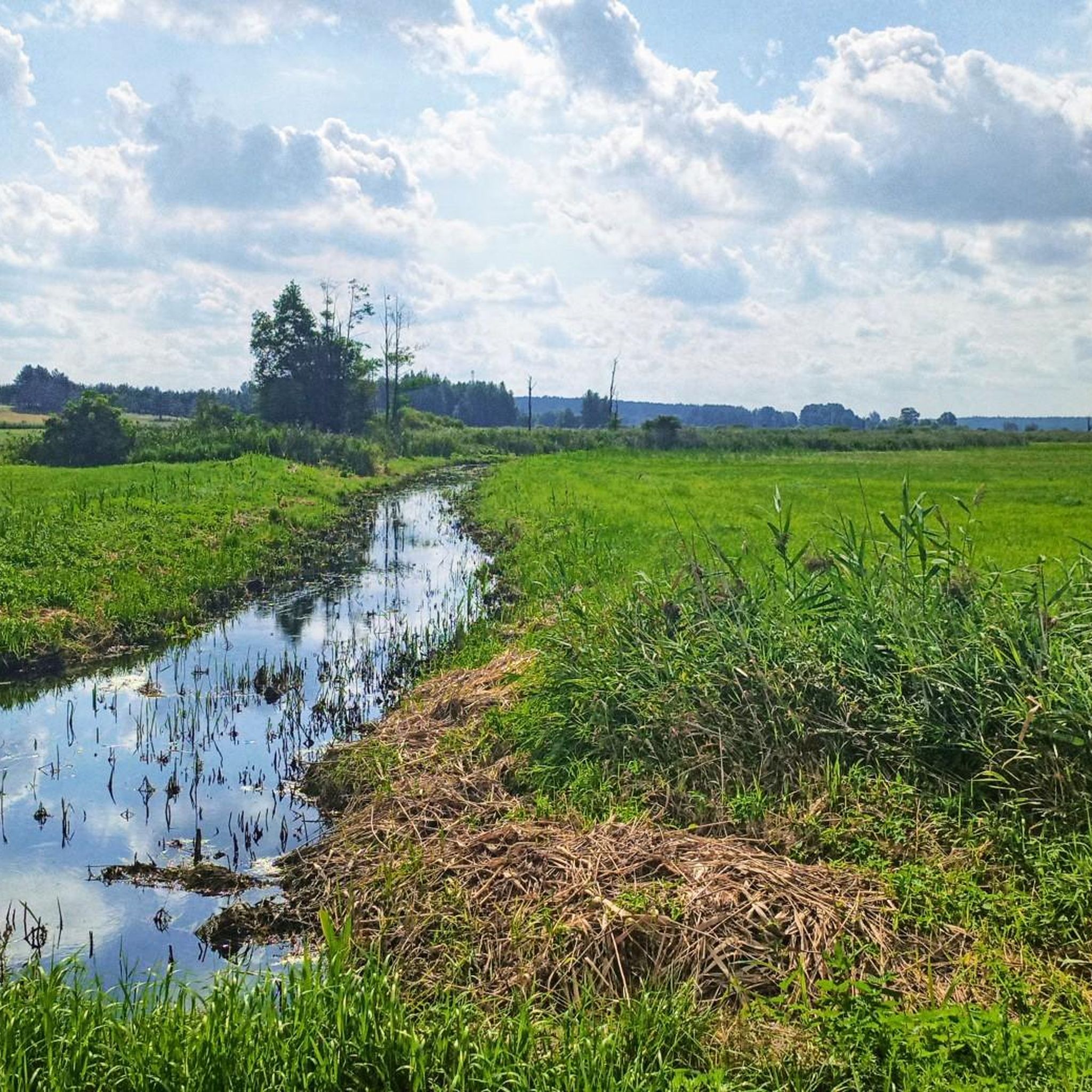

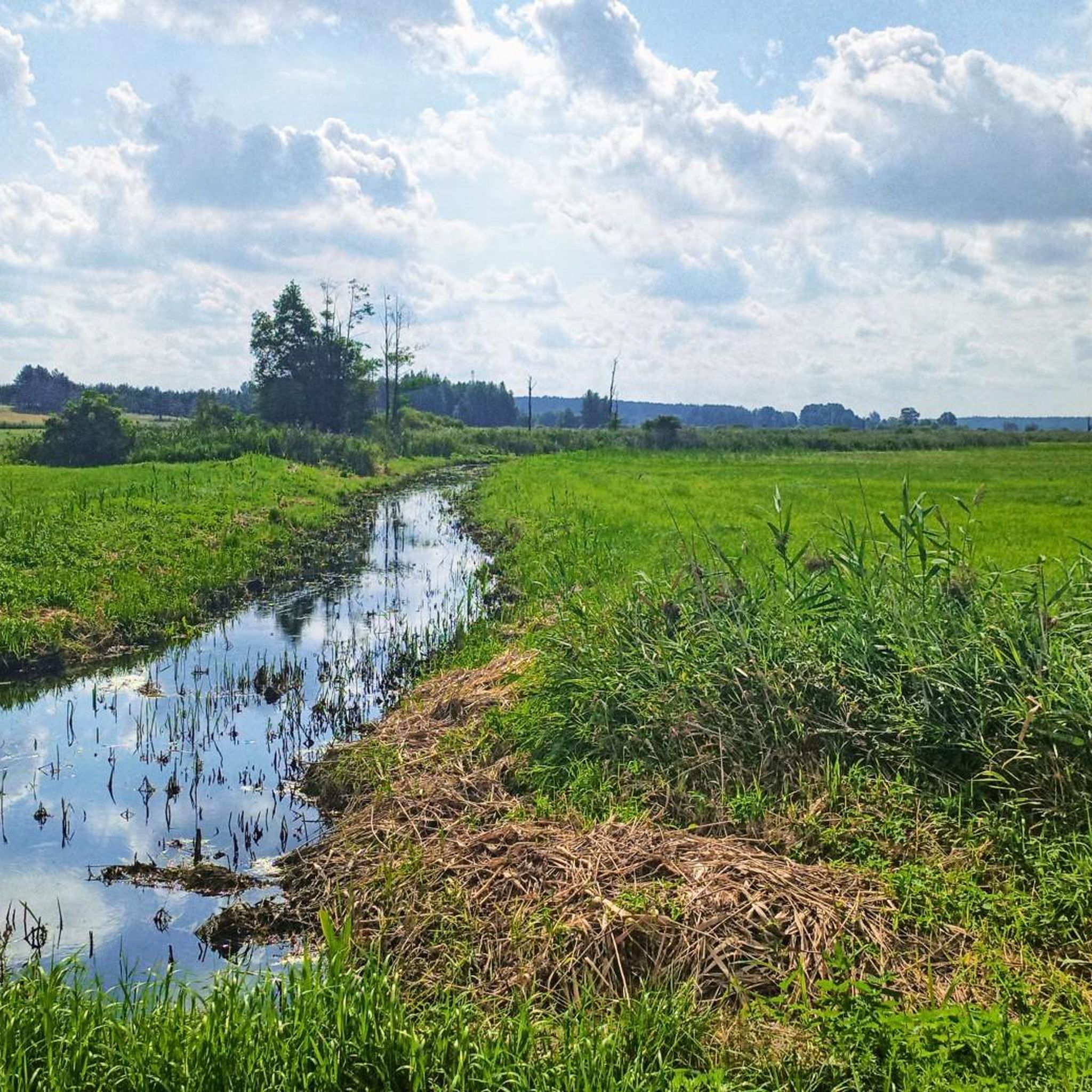
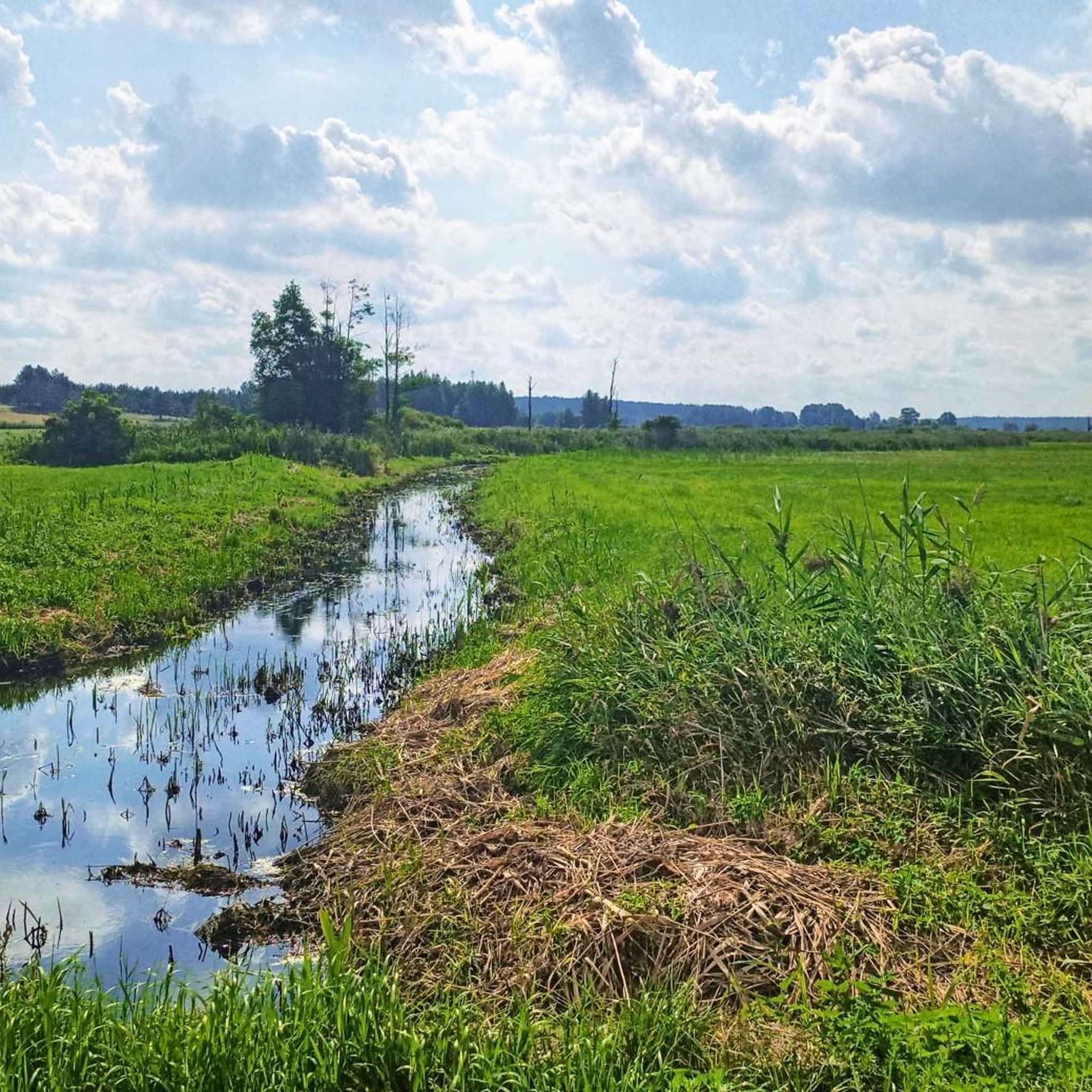
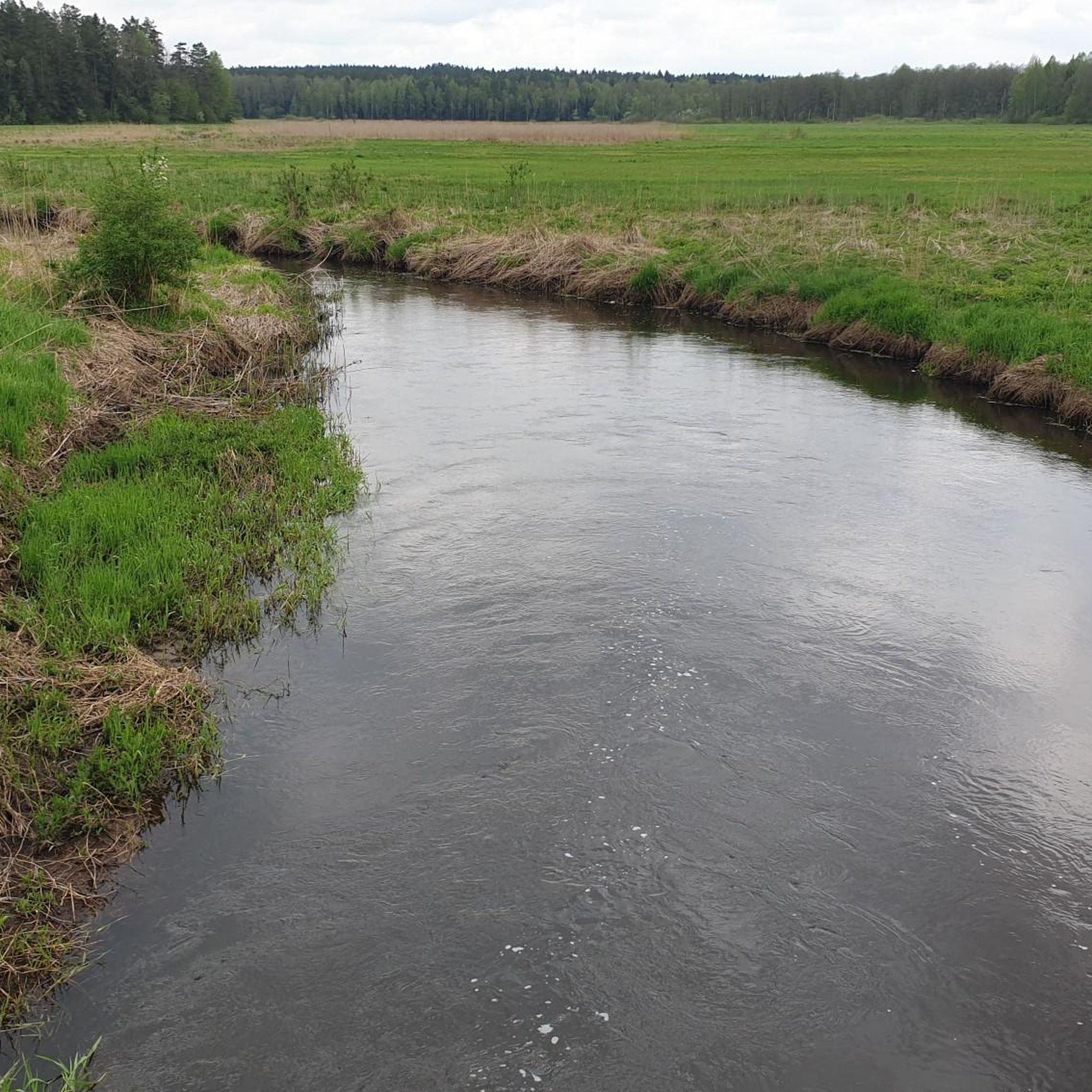
Tips from the Community

The Arboretum is open from April 1st to September 30th, 9:00 AM to 7:00 PM, every day of the week. Admission to the Kopna Góra Arboretum is free. https://rzucokiemnaswiat.pl/2022/05/arboretum-w-kopnej-gorze/
3
0
The Kopna Góra Arboretum was founded in 1988 and is still run by the Supraśl Forest District. Its founder, organizer, and first director was the late Wojciech Wygralak, M.Sc. Eng. The Kopna Góra Arboretum (from the Latin word arbor – tree, stand) can be described as a botanical garden combined with a forest park spanning 26 hectares. This relatively small area, considering the forest's natural environment, houses most of the forest habitat types characteristic of the Knyszyńska Forest. This richness stems from the significant variation in topography (from 132 to 154 meters above sea level) and the wide variety of soils. For those interested in native wildlife, this can be a glimpse into the forest "in a nutshell." https://suprasl.bialystok.lasy.gov.pl/arboretum-w-kopnej-gorze
3
0
The proper name for this place is an arboretum, but not everyone may know that it's a place where all kinds of trees and shrubs are collected. I highly recommend it to anyone who enjoys exploring nature.
3
0

I didn't know that in the south of Poland I have my own Sokółka Lands.
0
0

The monument was unveiled on September 21, 2020. The Augustów Roundup is the largest and still unsolved post-war crime committed against Poles after World War II. In July 1945, the Russians deported and murdered the inhabitants of the northern part of the current Podlaskie Voivodeship. The whereabouts of the victims' graves are still unknown. The initiator of the construction of monuments commemorating the victims of the Roundup was the President of the Association for the Remembrance of the Victims of the Augustów Roundup of 1945, Rev. Prelate Stanisław Wysocki.
0
0
Antoni Tyzenhauz or Antoni Tyzenhaus of the Bawół coat of arms (born 1733 in Nowojelnia, died 31 March 1785 in Warsaw) – Lithuanian court treasurer in 1765, starost of Grodno in 1765-1785, Lithuanian grand scribe 1762-1764, Lithuanian equerry 1764-1765, Grodno substeward in 1758-1762, Grodno substarost until 1763, in 1765-1780 administrator of Lithuanian royal economies, member of the Treasury Commission of His Royal Majesty in 1768, in 1771 awarded the Order of the White Eagle. In the first two decades of Stanisław August's reign, he was one of the most influential politicians in the Grand Duchy of Lithuania; according to Jerzy Michalski, "he almost monopolized royal policy" in this area until 1780.
0
0
The reservoir was created in 1942, during the German occupation. The workforce for the construction of this investment was Polish Jews. There are two versions of the purpose for which the reservoir was built: - the first mentions German soldiers-patients staying in a nearby military hospital, located in barracks buildings. Perhaps they wanted to create a kind of resort for them - according to the second version, it was related to the lowering of the groundwater level due to the drainage of the Sokółka marshes, which began before the war.
0
0
The mosque was built in the second half of the 19th century, probably in 1873. Historical documentation has not survived, but such a date was discovered in 2005 during a major renovation of the building walls on the entrance door frame. The temple was built after a fire in the previous mosque of Tatar settlers, which was supposed to be located near the historic cemetery located in the eastern part of the village, and which probably existed since the 18th century, and maybe even since the 17th century.
0
0
Frequently Asked Questions
What kind of terrain will I encounter on touring cycling routes in Gmina Sokółka?
Gmina Sokółka offers a diverse landscape for touring cyclists. You can expect gently undulating terrain through the post-glacial Sokólskie Hills, which reach up to 230 meters above sea level. Many routes also lead through the expansive Knyszyńska Forest, providing shaded paths through pristine woodlands. Additionally, you'll cycle through tranquil river valleys and traditional agricultural landscapes, offering a mix of natural beauty and rural charm.
How many touring cycling routes are available in Gmina Sokółka?
There are over 45 touring cycling routes documented in Gmina Sokółka, catering to various preferences and fitness levels. The komoot community has explored these routes extensively, with over 250 touring cyclists using komoot to discover the area.
Are there any easy touring cycling routes suitable for beginners or families?
Yes, Gmina Sokółka has numerous easy routes perfect for beginners or families. For instance, the Sokółka Reservoir – Museum of the Sokółka Land loop from Sokółka is an easy 18.8 km path offering scenic views. Another accessible option is the Burnt Windmill Ruins – Bohoniki Tatar Mosque loop from Sokółka, an easy 23.6 km trail that includes cultural sights.
What are some interesting attractions or landmarks I can visit along the cycling routes?
Cycling in Gmina Sokółka allows you to explore several unique attractions. You can visit the January Uprising Forest Gallery, an outdoor exhibition of folk sculptures within the Knyszyńska Forest. The Tatar Trail, passing through villages like Bohoniki with its 19th-century mosque and Muslim cemetery, offers a glimpse into the region's multicultural heritage. The Supraśl River Footbridge and Weir is also a scenic spot, connecting to other natural areas.
Are there any circular touring cycling routes in Gmina Sokółka?
Many of the touring cycling routes in Gmina Sokółka are designed as loops, allowing you to start and end in the same location. Examples include the Sokółka Reservoir – Shelter at Kopna Góra loop from Sokółka, a moderate 55.7 km route, and the Museum of the Sokółka Land – Sokółka Reservoir loop from Sokółka, a 40 km moderate option.
What is the best time of year to go touring cycling in Gmina Sokółka?
The best time for touring cycling in Gmina Sokółka is generally from spring through early autumn (April to October). During these months, the weather is most favorable, with pleasant temperatures and the natural landscapes, especially the forests and river valleys, are at their most vibrant. Summer offers lush greenery and longer daylight hours, while spring and autumn provide cooler temperatures and beautiful seasonal colors.
Are there any routes that feature the Sokółka Reservoir?
Yes, the Sokółka Reservoir is a prominent feature in several touring cycling routes, offering scenic views and a pleasant spot for a break. You can explore it on routes like the Sokółka Reservoir – Museum of the Sokółka Land loop from Sokółka or the longer Sokółka Reservoir – Burnt Windmill Ruins loop from Sokółka.
What do other touring cyclists enjoy most about cycling in Gmina Sokółka?
The touring cycling experience in Gmina Sokółka is highly regarded by the komoot community, with an average rating of 4.7 stars from over 40 reviews. Cyclists often praise the region's diverse landscapes, including the serene woodlands of the Knyszyńska Forest and the picturesque Sokólskie Hills, as well as the well-maintained paths that cater to various skill levels.
Are there any historical sites accessible by bike in the region?
Absolutely. Gmina Sokółka is rich in history. Beyond the Tatar Trail, you can find the Arboretum of the 1863 Insurgents in Kopna Góra, which combines natural beauty with historical commemoration. The region also features preserved rural wooden architecture, including windmills and a wooden Orthodox church in Samogród, which can be charming stops on your tour.
What is the typical length and difficulty of touring cycling routes in Gmina Sokółka?
Routes in Gmina Sokółka vary significantly in length and difficulty. You can find easy rides under 20 km, such as the 18.8 km Sokółka Reservoir – Museum of the Sokółka Land loop from Sokółka. For those seeking more challenge, moderate routes can extend up to 78.7 km, like the Sokółka Reservoir – Burnt Windmill Ruins loop from Sokółka, which includes more elevation gain and potentially unpaved sections.
Is Gmina Sokółka part of a larger cycling network like the Green Velo Trail?
While the Green Velo East of Poland Cycling Trail is a significant network in Eastern Poland, the provided information does not explicitly confirm its direct passage through Gmina Sokółka. However, the region's commitment to preserving natural environments and its developing network of cycling infrastructure suggest a strong cycling-friendly environment, potentially with connecting routes to such major trails.
Most popular routes around gmina gmina gmina Sokółka
Most popular attractions around gmina gmina gmina Sokółka

Get inspired with the komoot mobile app


Explore more
Browse the best Cycling routes in other regions.
