Attractions and Places To See around gmina Nowe Piekuty - Top 20
Best attractions and places to see around gmina Nowe Piekuty, a rural gmina in Poland's Podlaskie Voivodeship, offers a variety of historical sites and natural features. The region is characterized by its agricultural landscape, significant forest cover, and rivers such as the Ślina and Mień. Its southern areas are located within the "Bug and Nurzec Valley" Protected Landscape Area. Visitors can explore cultural heritage and tranquil rural scenery.
Best attractions and places to see around gmina Nowe Piekuty
- The most…
Last updated: July 1, 2026
Chapel of the Assumption of the Blessed Virgin Mary and Miraculous Spring in Hodyszewo
Highlight • Religious Site
Translated by Google •
Tip by

Aleksandra Piłsudska’s Manor in Kamienny Dwór
Highlight • Historical Site
Translated by Google •
Tip by

Sign up now to discover places like this
Get recommendations on the best single tracks, peaks, & plenty of other exciting outdoor places.
Sign up for free
Sanctuary of Our Lady of Reconciliation
Highlight • Religious Site
Translated by Google •
Tip by

Historic Bell Tower of St. Anne's Church in Dąbrówka Kościelna
Highlight • Monument
Translated by Google •
Tip by

Winding Road Along the Ślina River
Highlight (Segment) • Cycleway
Translated by Google •
Tip by
Sign up for free to discover even more attractions around gmina Nowe Piekuty.
Sign up for free
Already have an account?
Start today with a free account
Your next adventure awaits.
Login or Signup
Popular around gmina Nowe Piekuty
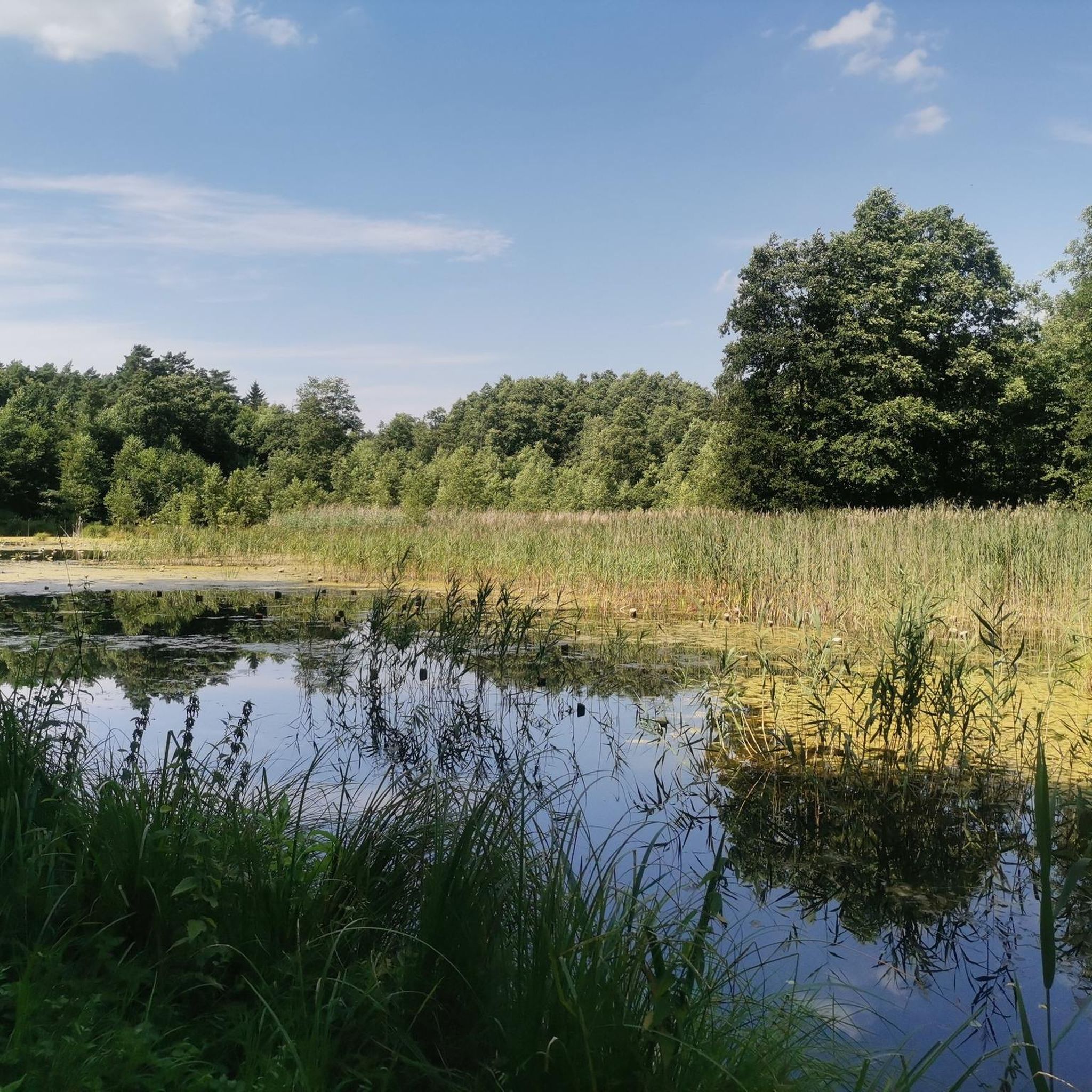
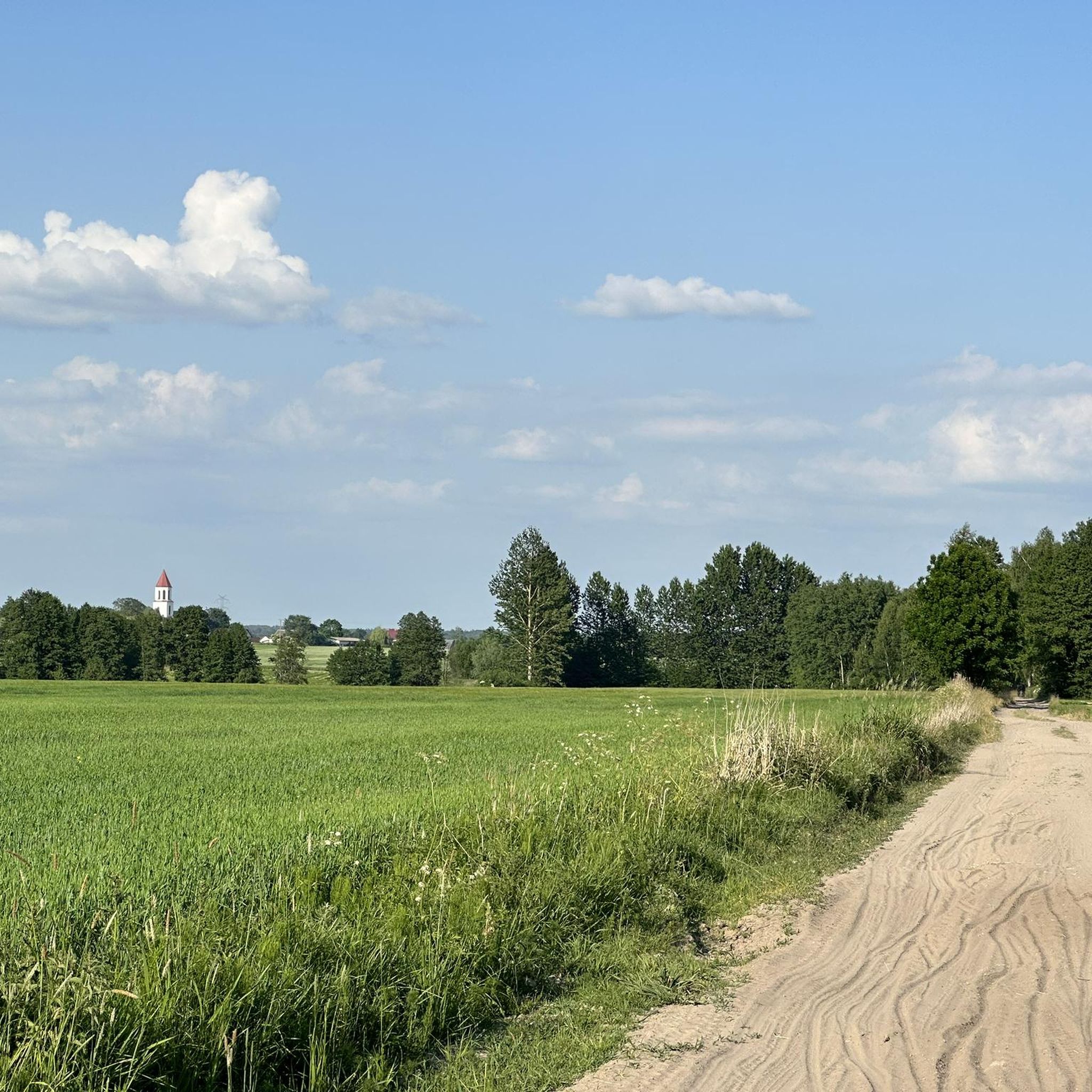
Tips from the Community

In 2026, the chapel underwent renovation, losing its atmospheric "something" and gaining a new, nice wooden facade and a renovated interior. Next to the chapel, there is a publicly accessible source of drinking water, of the type of a small artesian well.
0
0
In the main altar of the sanctuary, there is a miraculous image of Our Lady of Reconciliation (Our Lady of Hodyszewo). Painted on a board, the image is actually an Orthodox icon, venerated by local residents of all denominations since the 17th century.
0
0
Currently in private hands, the park itself is terribly neglected, the ponds are dried up and overgrown, the old 19th-century manor house is in a deplorable state, the newer one from the interwar period is in little better condition, the estate is heavily neglected. On the other hand, the current owner has taken care to hang signs everywhere around: private property/no entry.
0
0

The Church of the Assumption of the Virgin Mary dates back to 1884. It currently serves as a Roman Catholic chapel.
0
0
The construction of the neo-Baroque temple began in 1933. After the destruction of war, it was finally completed in 1967. The building is entered in the register of historical monuments.
0
0

The belfry stands by the parish church, which was built in 1875 according to the design of architect Leander Marconi, with corrections made by architect Stanisław Kucharzewski, the then district builder in Wysokie Mazowieckie. The parish of St. Anne was established in 1523 from the foundation of the Szepietowski and Wojna families. In the history of the parish there were several wooden churches, the last of which was built in 1755 and served the faithful until the construction of the current brick church. This church of St. Anne, built in 1875 according to the design of architect Leander Marconi, was blessed in 1935 by the Bishop of Łomża, Stanisław Łukomski. https://diecezja.lomza.pl/parafie-diecezji-lomzynskiej/ad/parafie,1/dabrowka-koscielna-parafia-pw-sw-anny,27
3
0

A beautiful sanctuary. It is most beautiful inside. Immediately to the left after entering, in the vestibule, there is a plaque with a historical outline. Inside, the paintings on the walls and vault are beautiful 🤩
0
0
The charm of the road comes from the Ślina River winding right next to it. Unfortunately, in summer it is almost invisible in the green thicket, and in spring you can see countless amounts of garbage scattered throughout the valley. Nevertheless, I recommend driving this section, because there are not many roads like this in our region. The condition of the asphalt surface leaves much to be desired. While riding a gravel bike, I didn't pay attention to it. Today I noticed it on the road. :)
0
0
Frequently Asked Questions
What historical sites can I visit in Gmina Nowe Piekuty?
Gmina Nowe Piekuty is rich in historical sites. You can explore the Historic Bell Tower of St. Anne's Church in Dąbrówka Kościelna, which dates back to 1875. Another significant site is the White Eagle Monument in Dąbrowa Kościelna, commemorating Polish Independence Fighters. The Civilian Cemetery and Memorial Chapel of World War II Victims in Krasowo-Częstki offers a solemn reflection on the region's past. Additionally, the Roman Catholic Cemetery in Jabłoń Kościelna, dating from the second half of the 19th century, and the World War I Russian Soldiers' Cemetery in Jabłoń Kościelna are notable historical locations.
Are there any religious sites or shrines to visit?
Yes, the region is known for its spiritual heritage. The famous Shrine of Our Lady of Reconciliation in Hodyszewo, often called 'Jasna Góra of Podlasie,' houses a miraculous 17th-century icon. Nearby, you'll find the Chapel of the Assumption of the Blessed Virgin Mary and Miraculous Spring in Hodyszewo, a wooden church built over a spring believed to have healing properties. Other significant religious buildings include the Parish Church of the Assumption of the Blessed Virgin Mary in Hodyszewo and the Parish Church of Saints Peter and Paul in Jabłoń Kościelna.
What natural features can I explore in Gmina Nowe Piekuty?
The gmina offers tranquil natural landscapes. You can experience the scenic Winding Road Along the Ślina River, which provides picturesque views of the river. The Mień River, with its tributaries Liza and Markówka, flows through natural, winding riverbeds framed by alder and willow trees. The southern parts of the gmina are also within the 'Bug and Nurzec Valley' Protected Landscape Area, offering well-preserved forests and diverse habitats for wildlife.
Are there cycling routes available in the area?
Yes, Gmina Nowe Piekuty offers several cycling opportunities. The Winding Road Along the Ślina River is a designated cycle way offering scenic views. For more structured routes, you can explore the various options in the Cycling around gmina Nowe Piekuty guide, which includes easy routes like the 'Pond in the City Park – 19th-Century Parish House loop' from Wysokie Mazowieckie.
Can I go running or hiking near the attractions?
Yes, there are options for running and walking. You can find several running trails in the area, detailed in the Running Trails around gmina Nowe Piekuty guide. These include moderate difficulty loops starting from gmina Szepietowo or Wysokie Mazowieckie, allowing you to enjoy the rural landscape while exercising.
What is the best time of year to visit Gmina Nowe Piekuty?
Gmina Nowe Piekuty experiences a continental climate typical of northeastern Poland. While winters are cold, the warmer months, particularly spring and summer, offer the most pleasant conditions for exploring the outdoor attractions and natural features. Spring allows you to see the rivers more clearly before the foliage becomes too dense, and summer is ideal for cycling and enjoying the green landscapes.
Are there any family-friendly attractions in Gmina Nowe Piekuty?
Many of the historical and religious sites can be visited by families. The White Eagle Monument in Dąbrowa Kościelna has benches nearby, making it a good spot for a short stop. The Chapel of the Assumption of the Blessed Virgin Mary and Miraculous Spring in Hodyszewo offers a unique cultural experience. The scenic roads and natural areas are also suitable for family walks or bike rides, depending on the children's ages and abilities.
What kind of wildlife can I expect to see?
The gmina's diverse habitats, including forests, fields, meadows, and wetlands, support various animal species. While specific sightings are not guaranteed, the well-preserved forest lands and river basins provide homes for local wildlife. Keep an eye out for birds and smaller mammals, especially when exploring the more natural areas like the Mień River's banks or the Protected Landscape Area.
Are there any unique historical monuments or roadside crosses?
Yes, beyond the main sites, Gmina Nowe Piekuty features several interesting historical markers. You can find iron, openwork roadside crosses from 1892 and 1893 in Nowe Piekuty itself, along with a roadside shrine from 1848. These smaller monuments offer glimpses into the region's past and local traditions.
What are the main rivers flowing through the gmina?
The gmina is part of the Bug and Narew river basins. The main river is the Mień, which flows along its southwestern border. Other local rivers include the Ślina and the Tłoczewka, and the Dzierży. The Mień's tributaries, Liza and Markówka, are also notable for their natural, winding courses.
Is there a specific monument commemorating World War II victims?
Yes, the Civilian Cemetery and Memorial Chapel of World War II Victims in Krasowo-Częstki is a significant site. It commemorates civilians who died in 1943 during World War II, specifically those who perished during the pacification of the village by Nazi forces. A chapel was built in 1946 near the site of the mass murder.
What is the significance of the Shrine of Our Lady of Reconciliation in Hodyszewo?
The Shrine of Our Lady of Reconciliation in Hodyszewo is a highly revered Marian shrine, often referred to as 'Jasna Góra of Podlasie.' Its fame stems from a miraculous 17th-century icon of the Mother of God with Child. The current church was rebuilt after World War II, and the miraculous icon was adorned with papal crowns in 1980, signifying its importance to pilgrims.
Most popular routes around gmina Nowe Piekuty

Get inspired with the komoot mobile app


Explore more
Still not found the Highlight you’re looking for? See guides of the top attractions in other regions:
