The best walks and hikes around gmina Stare Pole
4.5
(92)
914
hikers
77
hikes
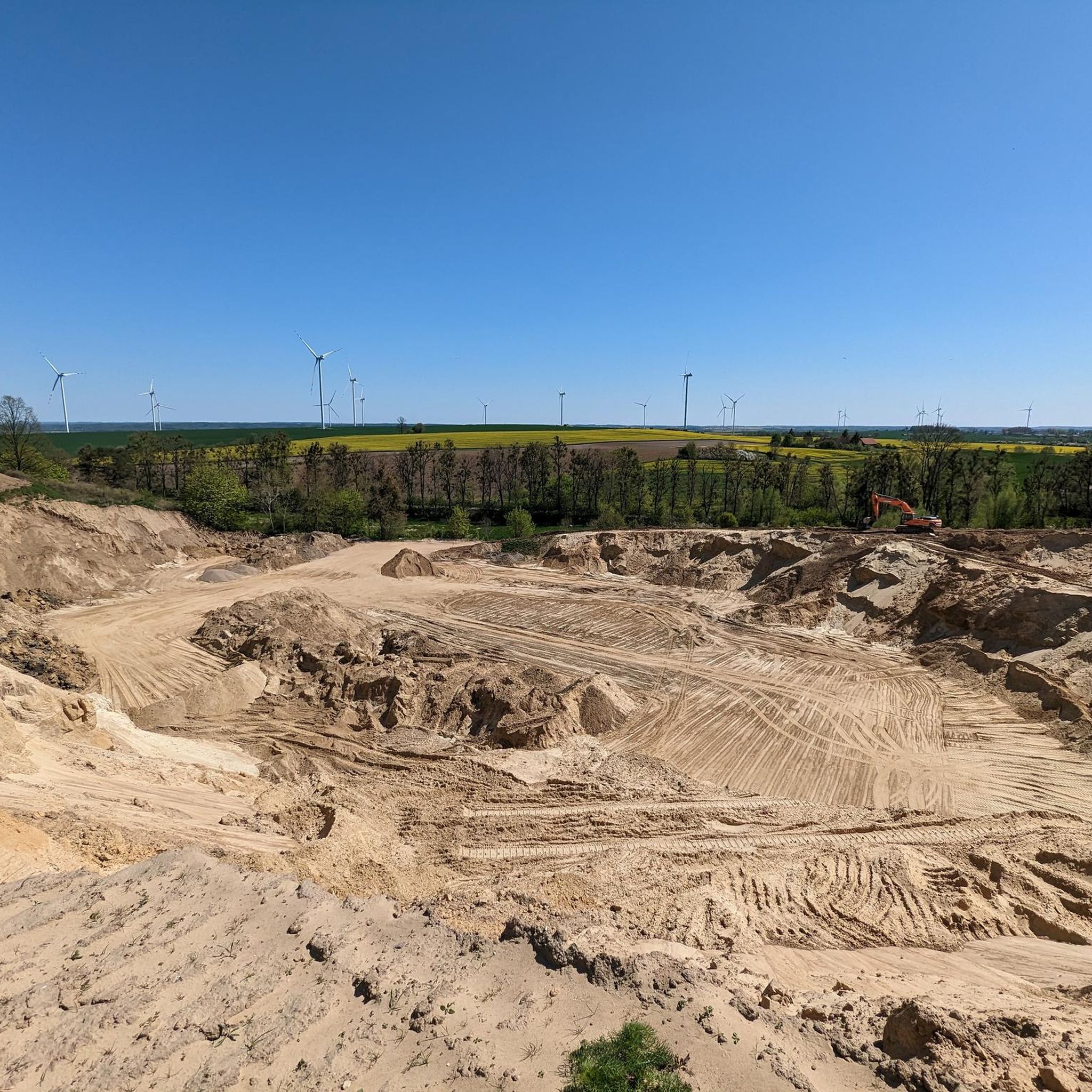
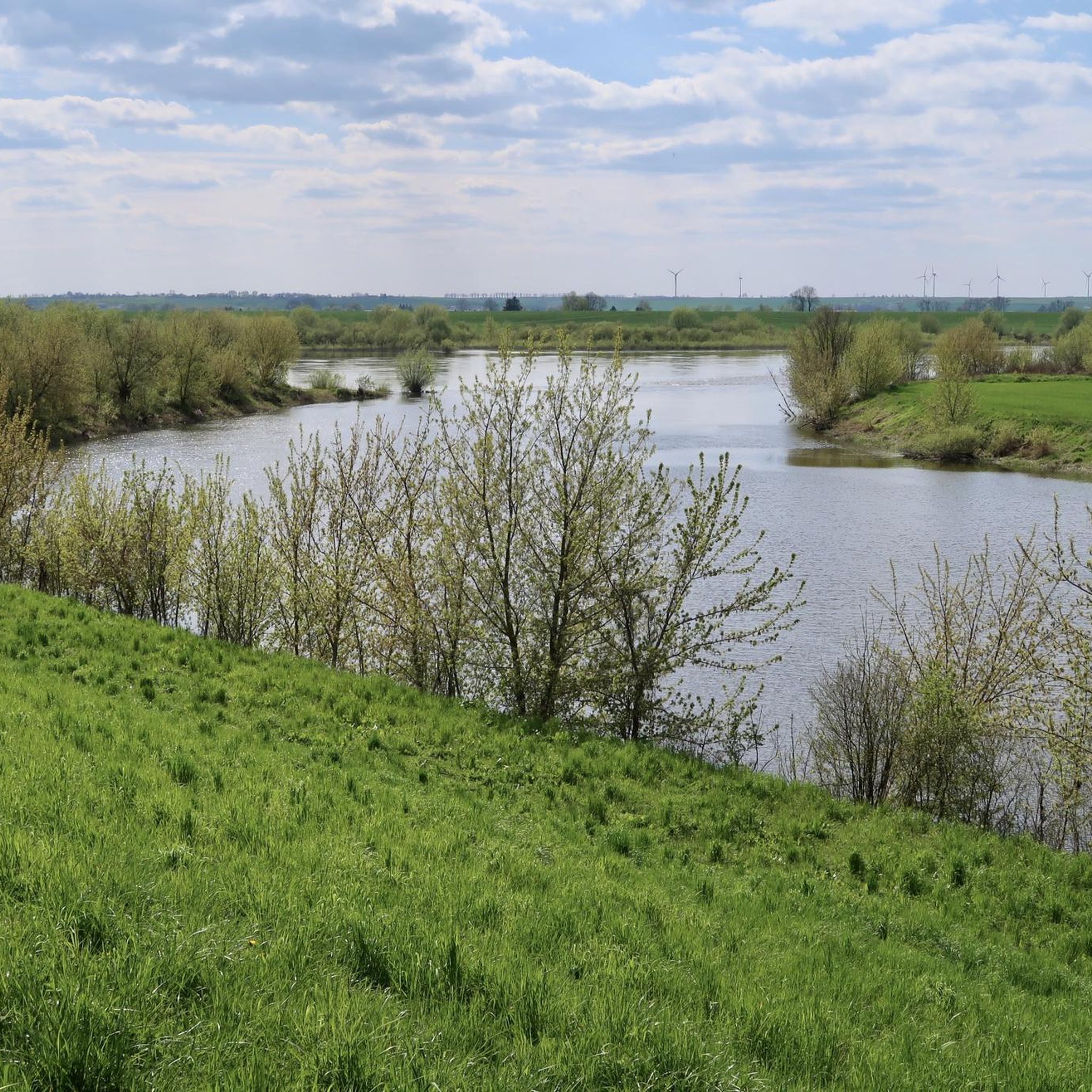
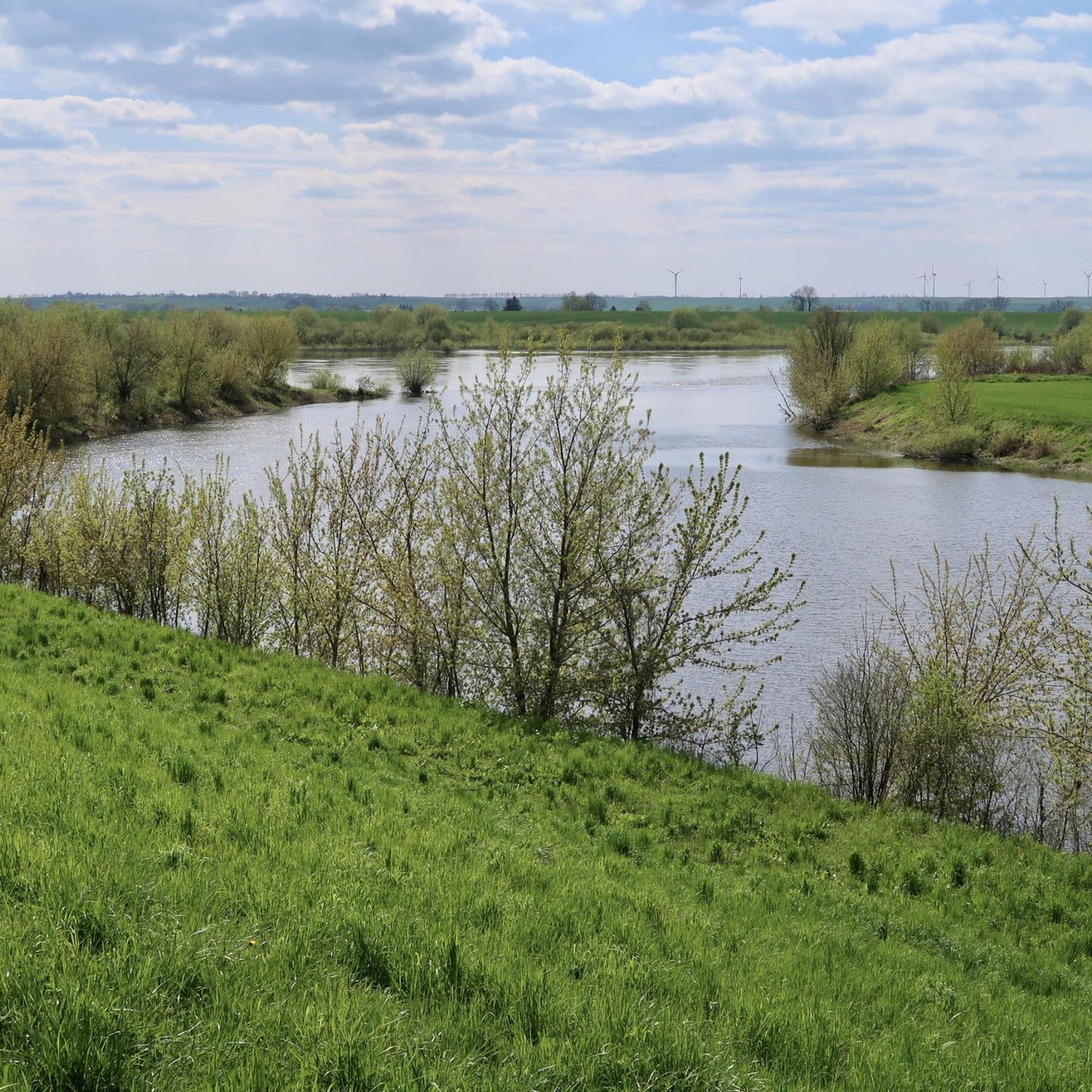
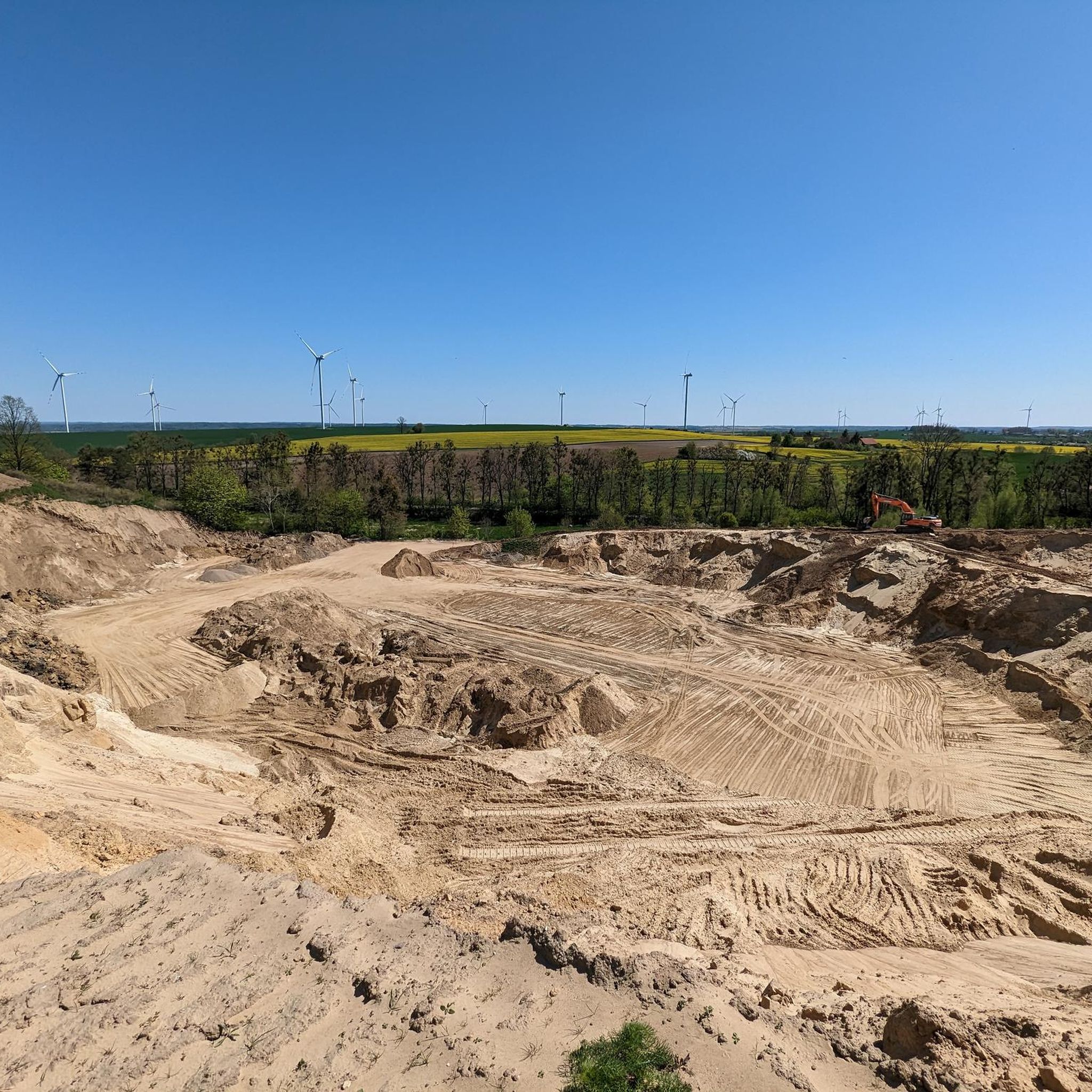
Hiking trails around gmina Stare Pole are characterized by the exceptionally flat, deltaic landscape of Poland's Żuławy Wiślane region. The area features an extensive network of rivers, including the Nogat, Tina, and Stary Nogat, along with numerous canals and drainage ditches. This riverine environment contributes to lush greenery and agricultural lands, providing accessible and unchallenging walks. The northern part of the gmina includes the Nogat River Protected Landscape Area, offering recreational forest spaces.
Best hiking trails around gmina Stare Pole
…Last updated: July 8, 2026
5.0
(15)
72
hikers
7.45km
01:55
40m
40m
Easy hike. Great for any fitness level. Easily-accessible paths. Suitable for all skill levels.
5.0
(3)
39
hikers
5.69km
01:27
20m
20m
Easy hike. Great for any fitness level. Easily-accessible paths. Suitable for all skill levels.

Sign up for free
5.0
(3)
20
hikers
Easy hike. Great for any fitness level. Easily-accessible paths. Suitable for all skill levels.
13
hikers
16.3km
04:13
80m
80m
Moderate hike. Good fitness required. Easily-accessible paths. Suitable for all skill levels.
7
hikers
8.12km
02:05
30m
30m
Moderate hike. Good fitness required. Easily-accessible paths. Suitable for all skill levels.
Get access to more routes and recommendations from other explorers.
Sign up for free
Already have an account?
Our route recommendations are based on thousands of hikes, rides, and runs completed by other people on komoot.
Start today with a free account
Your next adventure awaits.
Login or Signup
Tips from the Community

The monument was erected in the pedestrian zone in 2010 and depicts the figure of King Casimir IV. Andreas with a scepter in his hand. The sculpture, with a height of 348 cm, was cast entirely from bronze. This is a monument to the Polish king who, in June 1457, with his triumphant entry into Malbork, initiated the so-called Polish times, which lasted for 315 years. The monument of King Casimir IV. Andreas was intended to commemorate the Polish history of the city.
2
0
The St. Mary's Gate - Brama Mariacka - is one of the distinctive historical city gates of Malbork. Formerly known as the Ferry Gate, it connected the city to the south towards Marienwerder and Thorn. The Brick Gothic style is clearly recognizable, and the renovated complex today forms an atmospheric entrance to the old town. The gate is a short, rewarding stop and a quiet glimpse into the medieval city structure before continuing to the Malbork Castle or along the Nogat river.
2
0

Super great castle
3
0
Malbork station, opened in 1852 and later expanded in the Old German style, remains the most important gateway to the city and the famous Marienburg. The historic building survived World War II largely unscathed and was carefully renovated in 2010–2012, preserving its original appearance. Inside, decorative details and a pleasantly clear layout are noticeable. The station is an ideal starting point: good connections, short distances to the castle, and a fitting start for tours along the Nogat.
2
0

On June 8, 1457, the Polish King Casimir IV Jagiellonczyk rode into Malbork Castle after Poland had seized it from Teutonic mercenaries and received homage from the town's citizens. This event marked the beginning of the "Polish Era" in the town. The reign would last for over three hundred years until the first partition of Poland by Prussia and Russia in 1772. The reign of King Casimir (Casimir in English) is considered the beginning of the Polish Golden Age, during which the Jagiellonian dynasty became one of the greatest Polish dynasties. Kazimierz was the second son of Wladyslaw II Jagiello, Grand Duke of Lithuania, who took Christian baptism and married the Polish Queen Jadwiga, thus uniting the two nations in an alliance that would lead to the first of a series of ultimately fatal cases. www.germnews.de/archive/dn/1995/02/15.html
0
0
It was a place for representation, administration, and the private residence of a medieval prince, equipped with the highest living comforts of its time. This included central warm-air heating, water supply, and hidden servants' corridors.
2
0
There is also one in front of the entrance
3
0
The outer wall of Marienburg Castle is an important part of the Teutonic Castle in Malbork, which is largely made of brick and is considered the largest brick building in the world. Marienburg was the power center of the Teutonic state and remains an impressive example of medieval military technology and brick architecture to this day.
3
0
Frequently Asked Questions
How many hiking trails are available in gmina Stare Pole?
There are over 70 hiking trails in gmina Stare Pole, offering a variety of options for exploring the region's unique deltaic landscape. Most of these routes are rated as easy, making them accessible for many hikers.
What is the typical difficulty level of hiking trails in gmina Stare Pole?
The hiking trails in gmina Stare Pole are predominantly easy, with over 50 routes falling into this category. The region's exceptionally flat terrain, characteristic of the Żuławy Wiślane (Vistula Delta), means there are minimal elevation changes, making for leisurely and unchallenging walks. There are also a few moderate trails for those seeking a slightly longer outing.
Are there many circular hiking routes in gmina Stare Pole?
Yes, many of the hiking routes in gmina Stare Pole are designed as loops, allowing you to start and end your journey in the same location. Examples include the Malbork Train Station – Little Knight loop from Malbork and the Little Knight – Outer wall of Malbork Castle loop from Malbork.
What natural features can I expect to see while hiking in gmina Stare Pole?
Gmina Stare Pole is defined by its deltaic landscape within the Żuławy Wiślane region. Hikers can expect to see an extensive network of rivers, including the Nogat, Tina, and Stary Nogat, along with numerous canals and drainage ditches. The northern part of the gmina also encompasses the Nogat River Protected Landscape Area, offering serene riverine environments and lush green spaces.
Are there any historical or cultural landmarks to explore along the trails?
Absolutely. The region is rich in history and culture. Many trails offer views of the historic Malbork Castle, a 13th-century Teutonic Order fortress. You might also encounter distinctive cultural elements of the Żuławy region, such as historic timber architecture and Mennonite cemeteries like the Mennonite cemetery in Stogi, providing insight into the area's past.
What do other hikers enjoy the most about hiking in gmina Stare Pole?
The hiking trails in gmina Stare Pole are highly rated by the komoot community, with an average score of 4.7 stars from over 70 reviews. Hikers often praise the accessible and unchallenging nature of the routes, the peaceful rural scenery, and the unique riverine landscapes. The blend of natural beauty with historical backdrops, especially views of Malbork Castle, is also frequently highlighted.
Are the hiking trails in gmina Stare Pole suitable for families with children?
Yes, the trails in gmina Stare Pole are generally very suitable for families. The flat terrain and predominantly easy difficulty make them ideal for walks with children. Routes like the Marina – Knight's Trail with Legends loop from Malbork offer pleasant walks through green landscapes that can be enjoyed by all ages.
Can I bring my dog on the hiking trails in gmina Stare Pole?
Most trails in gmina Stare Pole are dog-friendly, allowing you to enjoy the scenic walks with your canine companion. It's always recommended to keep your dog on a leash, especially in protected areas or near agricultural lands, and to follow local regulations regarding pet waste.
Are there any specific viewpoints or scenic spots along the trails?
Many trails offer picturesque views of the Nogat River and its surroundings, characteristic of the Vistula Delta. The Little Knight – Outer wall of Malbork Castle loop from Malbork, for instance, provides impressive views of the historic Malbork Castle complex, which sits dramatically on the Nogat estuary.
Is there public transport available to access the hiking trails?
Some routes, like the Malbork Train Station – Little Knight loop from Malbork, start from urban points such as Malbork Train Station, which can be accessed by public transport. This allows for convenient access to the tranquil natural environments without needing a car.
Where can I park my car when visiting the hiking trails?
Given the proximity to Malbork and other towns, parking is generally available near popular trailheads or urban starting points. For routes originating from Malbork, you can often find parking facilities within the town or at designated spots near attractions like Malbork Castle.
What is the best time of year to go hiking in gmina Stare Pole?
The flat terrain and lush greenery of gmina Stare Pole make it enjoyable for hiking throughout much of the year. Spring and autumn offer pleasant temperatures and beautiful scenery, with blooming flora or vibrant fall colors. Summer is also popular, though it can be warmer. Winter hiking is possible, but conditions may vary.
Most popular routes around gmina Stare Pole
Most popular attractions around gmina Stare Pole

Get inspired with the komoot mobile app


Explore more
Browse the best Hikes in other regions.
