Attractions and Places To See around Kobylnica - Top 20
Best attractions and places to see around Kobylnica include a mix of historical landmarks, cultural sites, and natural features. The region offers a variety of experiences, from exploring ancient churches and open-air museums to discovering historical towers. With 7 highlights available, visitors can explore the cultural heritage and historical significance of the area.
Best attractions and places to see around Kobylnica
- The most popular attractions is Swołowo Open-Air Museum, a historical site that consists of 15 historical houses scattered…
Last updated: October 18, 2026
Church of the Finding of the Holy Cross in Charnowo
Highlight • Religious Site
Tip by

Swołowo Open-Air Museum
Highlight • Historical Site
With lots of original furnishings, pictures and exhibitions, it conveys an impressive and lively picture of …
Translated by Google •
Tip by

Sign up now to discover places like this
Get recommendations on the best single tracks, peaks, & plenty of other exciting outdoor places.
Witches' Tower in Słupsk
Highlight • Historical Site
Translated by Google •
Tip by
Biały Spichlerz
Highlight • Historical Site
Translated by Google •
Tip by

Swolowo Village Church
Highlight • Religious Site
Translated by Google •
Tip by

Sign up for free to discover even more attractions around Kobylnica.
Already have an account?
Start today with a free account
Your next adventure awaits.
Tips from the Community

Church of the Discovery of the Holy Cross. The brick tower with stone foundations is the oldest part of the church, dating back to the 15th century. It is topped with a Baroque, octagonal spire covered with shingles. The body of the church with a skeleton and brick structure dates back to the 18th century, it was rebuilt in the 19th century and covered with a gable roof.
0
0
Between 1867 and 1893 the church was expanded. The Gothic gable wall and half-timbered annexes at the southern wall were demolished. The nave was extended to the east by about 3.2 m and widened to the south. A new gable wall with an apse in the neo-Gothic style was built. In the enlarged part of the nave, galleries were built, supported by pillars standing in the place of the former wall. The shape of the roof and windows were changed, introducing pointed arches. The walls of the church were covered with plaster.
0
0
Swołowo – a village in Poland located in the Pomeranian Voivodeship, in Słupsk County, in the Redzikowo Commune. In the years 1975–1998, the town administratively belonged to the Słupsk Voivodeship.
0
0

Another church with a long history.
0
0
The church dates back to the 15th century and has been partially restored. The main entrance is intact and in good condition. It makes an impression.
0
0

A half-timbered church from the 17th century with a brick tower from the 15th century.
0
0


Error - when witches were burned at the stake for witchcraft - Lutheran Protestantism was the only religion in the Duchy of Pomerania for over a century ... that's why the Holy Inquisition did not judge witches, but the city council in Słupsk ... it was a common practice in the 17th century in Pomerania - only Junker Glassenaap personally convicted to the death of 16 witches near Bobolice
0
0
Frequently Asked Questions
What historical sites can I explore around Kobylnica?
The region around Kobylnica is rich in history. You can visit the Swołowo Open-Air Museum, which showcases rural life in old Pomerania with 15 historical houses. Another significant site is the Church of the Finding of the Holy Cross in Charnowo, featuring a 15th-century brick tower and preserved 17th-century furnishings. Don't miss the Witch Tower in Słupsk, a former defense tower that later served as a prison.
Are there family-friendly attractions near Kobylnica?
Yes, several attractions are suitable for families. The Swołowo Open-Air Museum is a great option, offering an engaging glimpse into historical rural life. Additionally, Słupsk Castle is considered family-friendly and houses a regional museum. The Witch Tower also offers an intriguing historical experience for older children.
What natural features or outdoor areas can I visit in the Kobylnica region?
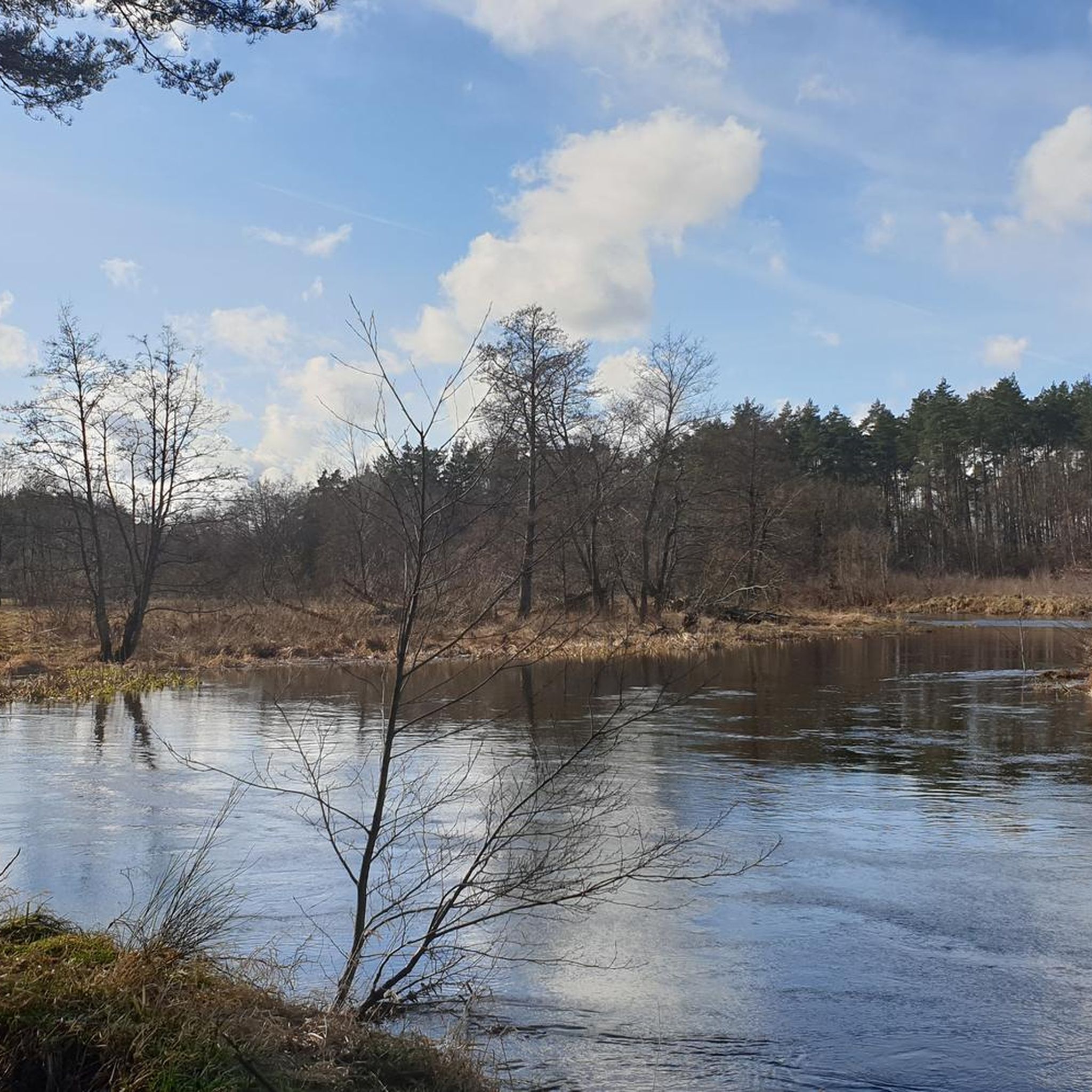
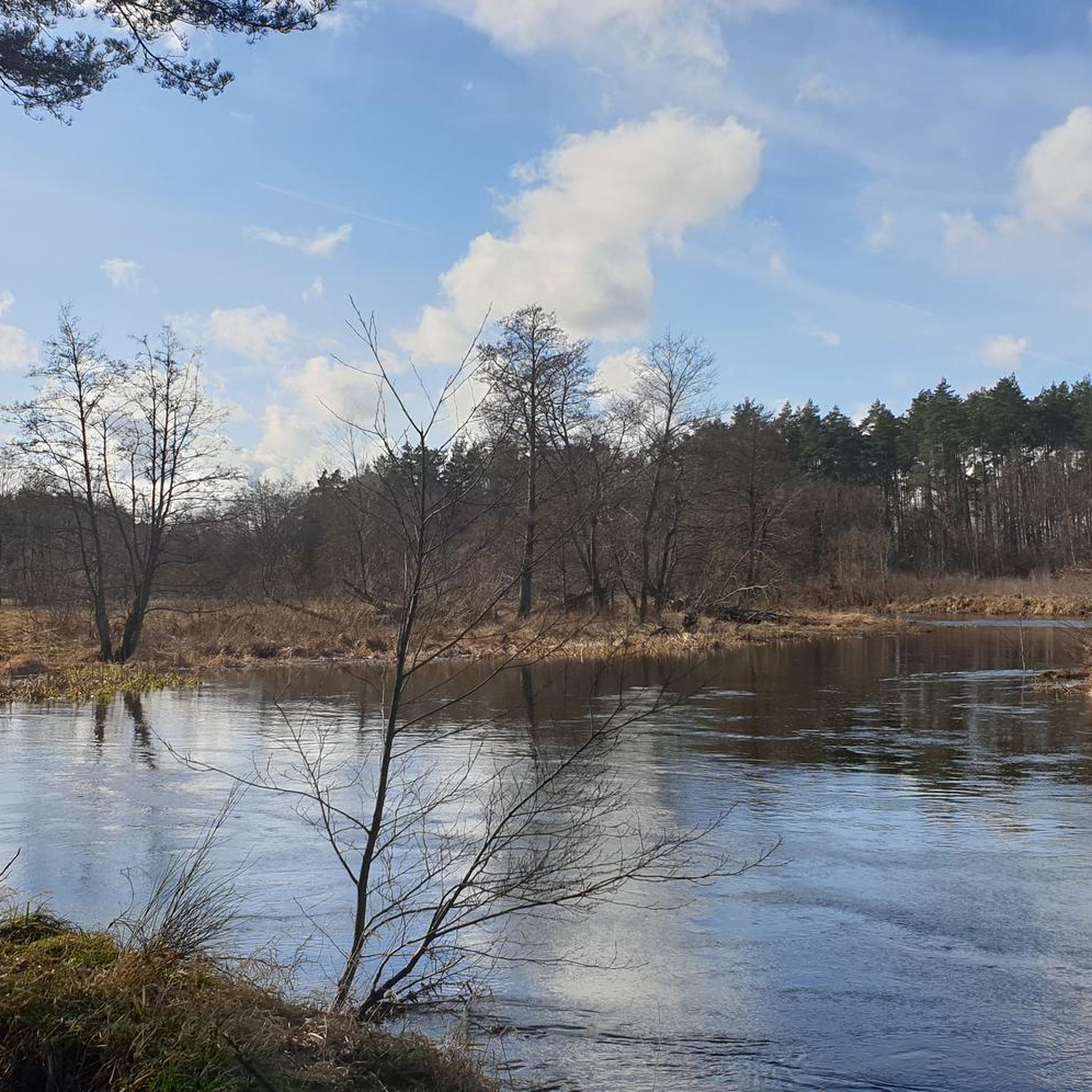
The Gmina Kobylnica (administrative district) includes a portion of the Słupia Valley Landscape Park, which offers scenic landscapes and opportunities for outdoor recreation. The Słupia River itself is dynamic, with migratory trout visible in November and large flocks of whooper swans in the fields during winter. By May, the riverside forests flourish with diverse plant and animal life.
What kind of outdoor activities can I do near these attractions?
The area around Kobylnica is well-suited for active tourism. You can find numerous routes for cycling and hiking. For cycling, explore options like the 'Ducal Castle in Słupsk loop' or longer routes towards Ustka. For hiking, there are easy trails such as the 'Pump Track – Playground loop from Słupsk'. You can find more details and routes in the Cycling around Kobylnica and Hiking around Kobylnica guides.
Are there easy hiking trails around Kobylnica?
Yes, there are several easy hiking trails available. For instance, the 'Pump Track – Playground loop from Słupsk' is an easy 6 km route. Another accessible option is the 'Church in Poland – Children's Splash Pad loop from Park Trendla N/Ż 02', which is about 6.8 km. You can discover more easy routes in the Easy hikes around Kobylnica guide.
What is the best time to visit Kobylnica for outdoor activities?
The natural environment around Kobylnica offers different experiences throughout the year. May is ideal for enjoying the flourishing plant and animal life in riverside forests. For observing migratory trout, November is key, while winter brings opportunities to see whooper swans and bat populations. For general outdoor activities like hiking and cycling, spring and autumn typically offer pleasant weather.
What do visitors enjoy most about the attractions around Kobylnica?
Visitors appreciate the rich historical and cultural insights offered by sites like the Swołowo Open-Air Museum, which provides an impressive and lively picture of rural life. The architectural heritage of the Church of the Finding of the Holy Cross in Charnowo, with its preserved 17th-century furnishings, is also highly valued. The unique history of the Witch Tower also captures visitors' interest.
Can I find religious buildings with historical significance in the area?
Absolutely. The Church of the Finding of the Holy Cross in Charnowo is a prime example, featuring a wattle and daub construction, a 15th-century brick tower, and largely preserved 17th-century original furnishings. Another notable site is the Swołowo Village Church, built around 1400 from bricks on fieldstone masonry, with a long history and unique architectural elements.
Are there any castles or defensive structures to visit?
Yes, you can visit Słupsk Castle, which has a rich history dating back to the 16th century and now houses a regional museum. Additionally, the Witch Tower in Słupsk, built between 1411-1415, originally served as a defense tower before its later use as a prison.
What is the 'Checkered Country' and where can I experience it?
The 'Checkered Country' refers to a region between Łeba and Darłowo, known for its unique black and white half-timbered houses. The Swołowo Open-Air Museum is considered the center of this region, where you can see many examples of these distinctive buildings and experience the rural life of old Pomerania.
Are there opportunities for cycling near Kobylnica's attractions?
Yes, the area offers various cycling routes. You can embark on a moderate 22.5 km 'Ducal Castle in Słupsk loop' starting from Kobylnica Słupska, which takes you past historical sites. Longer routes, such as those towards Ustka, are also available for more experienced cyclists. Explore more options in the Cycling around Kobylnica guide.
Most popular routes around Kobylnica
Most popular attractions around Kobylnica

Get inspired with the komoot mobile app


Explore more
Still not found the Highlight you’re looking for? See guides of the top attractions in other regions:
