Top 13 Castles around Waigolshausen
Castles around Waigolshausen offer a journey through history in Lower Franconia, Germany. The region features a variety of historical sites, from medieval ruins to baroque palaces, set amidst diverse landscapes including vineyards, river valleys, and rolling hills. These landmarks provide insights into centuries of architectural and cultural development. The area's terrain includes viewpoints overlooking the Main River valley and the Rhön mountains.
Best castles around Waigolshausen
- The most popular castles is Hallburg Castle Winery and Vineyard, a castle that…
Last updated: July 7, 2026
Hallburg Castle Winery and Vineyard
Highlight • Castle
Translated by Google •
Tip by

Werneck Palace
Highlight • Castle
Translated by Google •
Tip by

Sign up now to discover places like this
Get recommendations on the best single tracks, peaks, & plenty of other exciting outdoor places.
Sign up for free
Schwebheim Castle
Highlight • Castle
Translated by Google •
Tip by

Zeilitzheim Castle
Highlight • Castle
Translated by Google •
Tip by

Village square, St. James' Church and the former Vasbühl Castle
Highlight • Historical Site
Translated by Google •
Tip by

Sign up for free to discover even more castles around Waigolshausen.
Sign up for free
Already have an account?
Start today with a free account
Your next adventure awaits.
Login or Signup

Tips from the Community

Link to Schloßcafe: https://www.google.com/url?sa=t&source=web&rct=j&opi=89978449&url=https://www.ghas.de/hirschkopf&ved=2ahUKEwjDwe7Bi7OTAxW3BtsEHUItJL8QFnoECEsQAQ&usg=AOvVaw01IeiniHH-3jUvj6Eb5wd1
0
0

Werneck Castle Werneck Castle is a former residence of the Prince-Bishops of Würzburg in the Bavarian market town of Werneck. The Baroque three-winged complex was built between 1731 and 1747 on the orders of Friedrich Karl von Schönborn, based on a design by Balthasar Neumann. During the conversion of the castle into a hospital starting in 1853, all interior rooms except the castle church were destroyed. https://de.wikipedia.org/wiki/Schloss_Werneck
4
1

The Barons of Münster owned the estate in Vasbühl until 1740. Gustav Erhard von Münster built the castle in Vasbühl, which still stands today, in 1677. Above the castle portal, the Münster-Rotenhan coat of arms commemorates the builder. The gable end of the Baroque building is almost identical to the tithe barn on the Roßmarkt in Schweinfurt (now the Kreissparkasse). The castle is already heavily dilapidated and is still used as an agricultural property. Church of St. James the Elder During demolition work in 1930, a stone bearing the date 1411 was found in the high altar. This suggests that a type of cemetery chapel already stood on the site of the present church around 1400. The construction of the Julius Tower with its pointed spire and the three eastern bays of the nave of the Vasbühl church is dated 1580. The tower is one of many Echter towers built in Franconia by the Würzburg Prince-Bishop, Julius Echter von Mespelbrunn. In 1686, the church was expanded under Prince-Bishop Johann Gottfried von Guttenberg, and the pointed-arch portals were reused. Since Schleerieth, Vasbühl, Eckartshausen, and Egenhausen belonged to the Schleerieth chaplaincy, there was dissatisfaction with the church service times. The offer to summon a monastic chaplain to Vasbühl was rejected, as the nearest monastery was five to six hours away. The people of Vasbühl knew how to cope and took in two priests exiled from France. The "French gentlemen," as the people of Vasbühl called their temporary priests, lived in Vasbühl and were supported by the locals through alms and food. In return, they held services, including sermons and Christian teachings on Sundays, as best they could. With true French vigor, they are said to have pounded on the pulpit to emphasize their words when their dear pastors sometimes couldn't or didn't want to understand them. The two deceased French priests were buried on the north side of the church tower, where embedded stone gravestones are located. In 1808, a Rococo high altar was purchased, after which the cross vault near the choir was removed and a new choir arch was built. The life-size figures on the high altar, St. Agnes and St. Barbara, are attributed to the workshop of Peter Wagner.
1
0

Only accessible to hotel guests and visitors to cultural events. https://barockschloss.de/parks-und-garten/
0
0

Impressive building in the middle of Zeilitzheim
0
0

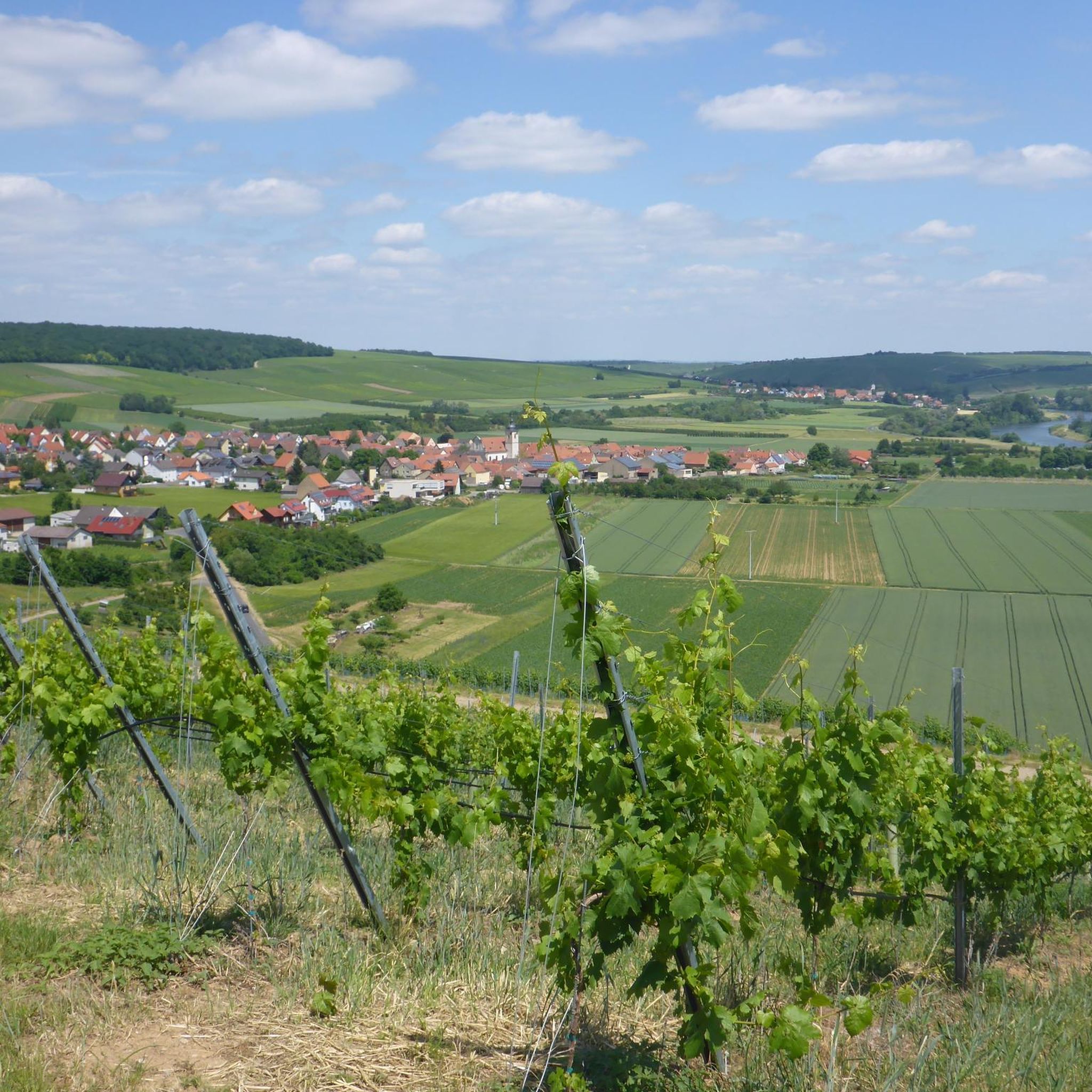
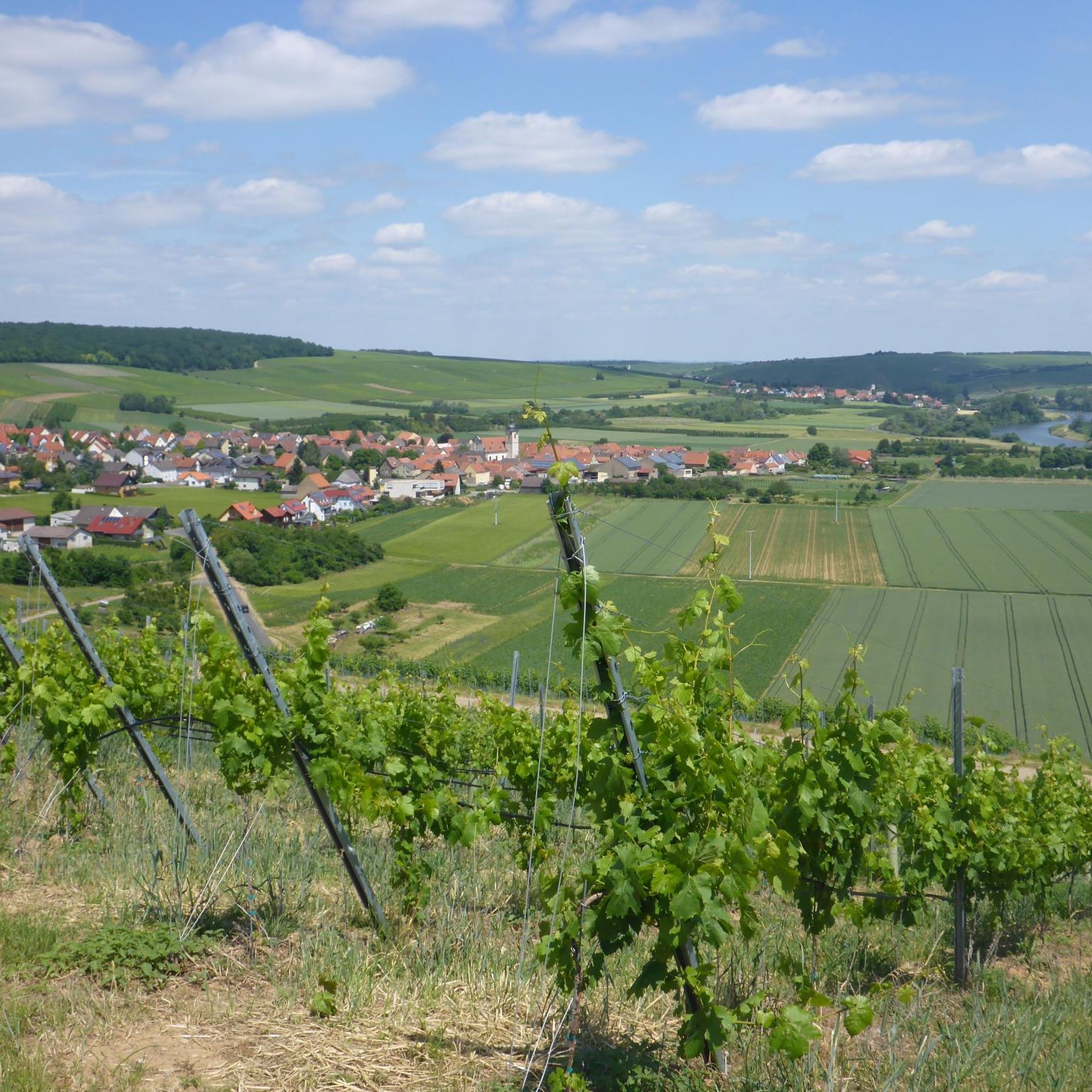
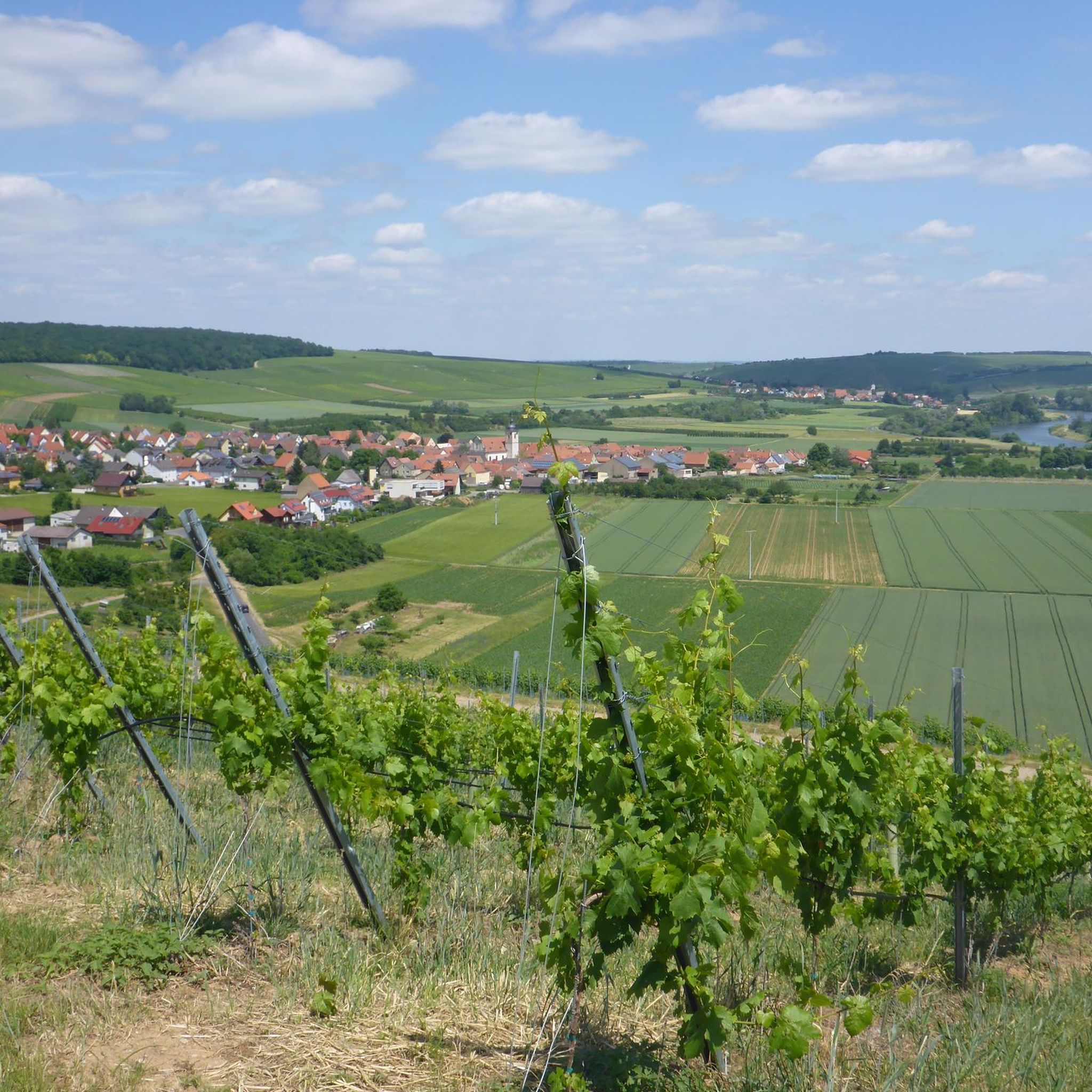
Beautiful property and great view. You can try delicious wines in the wine shop. Opening hours in summer daily from 11 a.m. to 5 p.m.
7
0

In addition to the numerous shrines, the Catholic church of St. James and the former castle, built in 1677, are worth seeing.
3
0

Work has been going on in, on and around the castle for months. The inner castle grounds are being renovated, and the old walls are to be made accessible to many guests. It is to be a living monument that invites people to linger and celebrate. That is the intention of Marcel Neubert, the last descendant of the von Bibra family, who have lived there since the 16th century, and who is managing the extensive undertaking. (Info: MainPost)
0
0
Frequently Asked Questions
Which castles near Waigolshausen offer wine tastings or vineyard experiences?
You can enjoy wine tastings and vineyard tours at Hallburg Castle Winery and Vineyard. This historic property, with foundations dating back to the year 1000, is surrounded by picturesque gardens and vineyards, offering expansive views and a vinothek.
Are there any castles near Waigolshausen that are suitable for families?
Yes, several castles and their surroundings are family-friendly. Hallburg Castle Winery and Vineyard is noted as family-friendly. Additionally, the park at Werneck Palace is open to the public and offers a pleasant setting for a family stroll.
What kind of historical architecture can I expect to see among the castles near Waigolshausen?
The region showcases a diverse range of historical architecture. You'll find medieval ruins like Trimburg, which has a turbulent history of destruction and rebuilding, and the impressive Mainberg Castle with its blend of medieval and Renaissance styles. For baroque architecture, Werneck Palace is a prime example.
Are there hiking opportunities around the castles near Waigolshausen?
Yes, the area offers various hiking opportunities. The ruins of Botenlauben Castle are easily accessible by a hiking trail from Bad Kissingen. You can also find easy hikes, such as the 'Haus zur Traube beer garden – Werneck Palace loop', which is about 6 km long. For more options, explore the Easy hikes around Waigolshausen guide.
Which castles offer panoramic views of the surrounding landscape?
Several castles provide excellent viewpoints. Mainberg Castle, perched above the Main River valley, offers captivating panoramic views. Trimburg provides wide views over the Rhön mountains and the Saale valley, and the two prominent round towers of the Ruins of Botenlauben Castle can be climbed for magnificent views over Bad Kissingen and the Rhön mountain range.
Can I visit the interior of all castles near Waigolshausen?
Not all castles are fully open to the public for interior tours. For example, Mainberg Castle is currently not open for public tours due to ongoing security work, though its exterior is impressive. Werneck Palace houses a hospital, but its park and chapel are accessible. Trimburg, a ruin, has a restored knight's hall and a small museum. Always check specific opening hours before planning your visit.
Are there any castles that are ruins but still interesting to visit?
Absolutely. Trimburg is a romantic ruin of imposing size, with parts restored including a knight's hall and a small museum. You can climb the keep for wonderful views. The Ruins of Botenlauben Castle are also well-preserved, allowing visitors to climb its towers for panoramic vistas and explore the foundations of residential buildings.
What kind of outdoor activities, besides hiking, can I do near these castles?
The region around Waigolshausen offers various cycling opportunities. You can find routes for gravel biking and general cycling that pass by or near several historical sites and offer scenic views.
Which castle near Waigolshausen has a park or garden that is open to the public?
Werneck Palace features a palace park with baroque terraces and an English-style landscape garden, which is open to the public. It's a great place for a leisurely walk and offers new views of the castle and garden.
Are there any castles that host special events or festivals?
Yes, the Ruins of Botenlauben Castle bring the Middle Ages back to life every two years with the 'Botenlauben Festival', featuring minstrel songs and swordplay. Trimburg also has a knight's hall that can be used for events and civil wedding ceremonies, and local associations often provide hospitality on Sundays and public holidays.
What is the best time of year to visit the castles around Waigolshausen?
The castles and their surrounding areas are enjoyable throughout much of the year. From May to October, Trimburg is typically open on most Sundays and public holidays. The vineyards around Hallburg Castle Winery and Vineyard are particularly picturesque in warmer months. For outdoor activities like hiking and cycling, spring and autumn offer pleasant temperatures and beautiful scenery.
Can I find cafes or restaurants near the castles?
Yes, some castles offer amenities. Hallburg Castle Winery and Vineyard has a vinothek with a terrace and offers Franconian dishes. At Werneck Palace, there is a café on the grounds if you wish to strengthen yourself after exploring the park.
Is there a castle that was once a moated castle?
Schwebheim Castle was originally built as a moated castle in 1440. Although parts were destroyed and rebuilt, it retains its historical significance as a former moated structure.
Most popular routes around Waigolshausen
Most popular attractions around Waigolshausen

Get inspired with the komoot mobile app


Explore more
Looking for the best castles somewhere else? Discover other guides around Waigolshausen:
