Attractions and Places To See around gmina Dębowiec - Top 20
Attractions and places to see around gmina Dębowiec include a mix of religious sites, historical landmarks, and natural features within Jasło County, Subcarpathian Voivodeship. The region serves as a gateway to the Magurski National Park, offering diverse terrain. It is characterized by picturesque landscapes and preserved wooden architecture. Visitors can explore cultural heritage alongside natural beauty.
Best attractions and places to see around gmina Dębowiec
- The most popular attractions is Viewing tower on Wielka Czantoria, a viewpoint that offers views of the surrounding area. This observation tower is located on the border of the Czech Republic and Poland, providing a unique perspective of the three states.
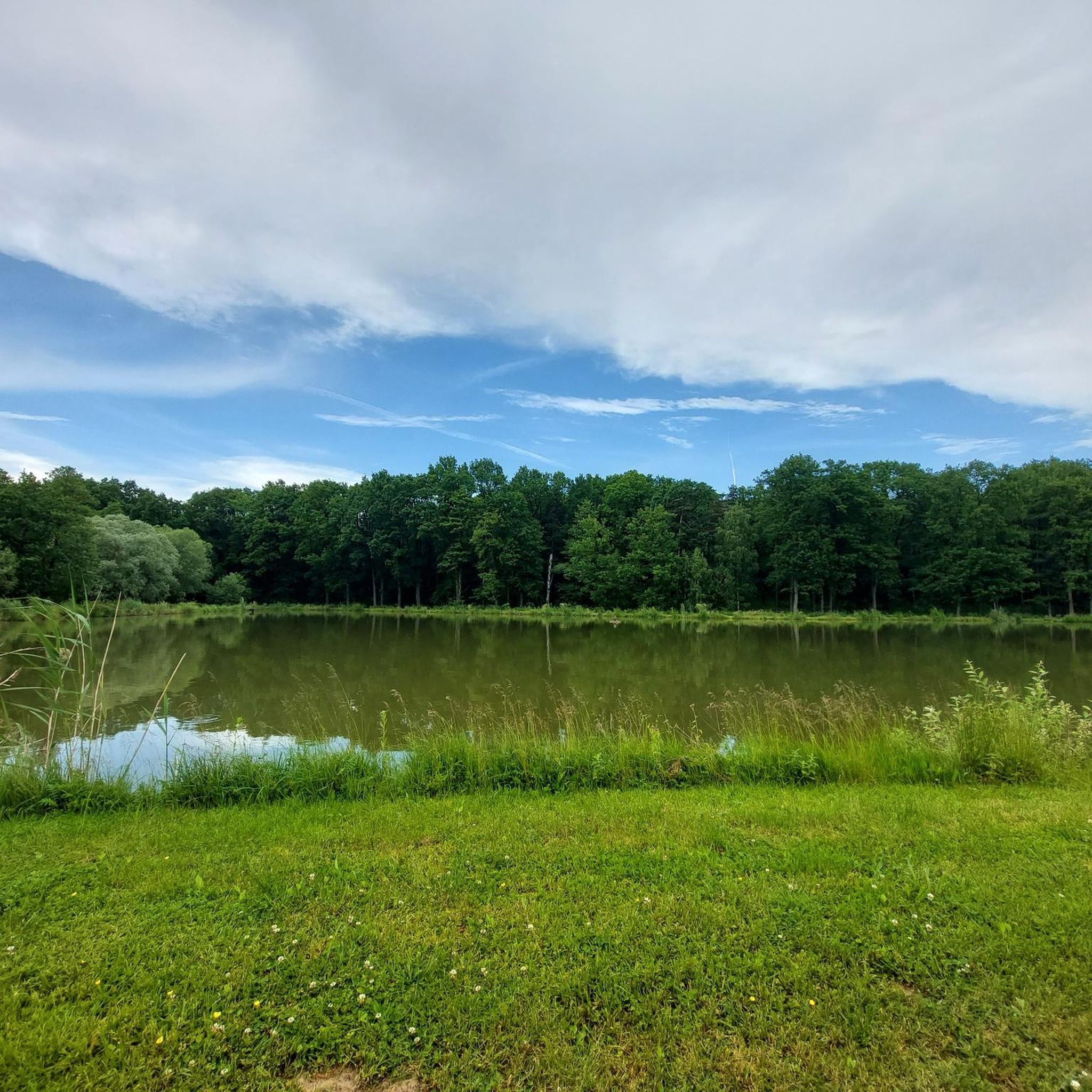
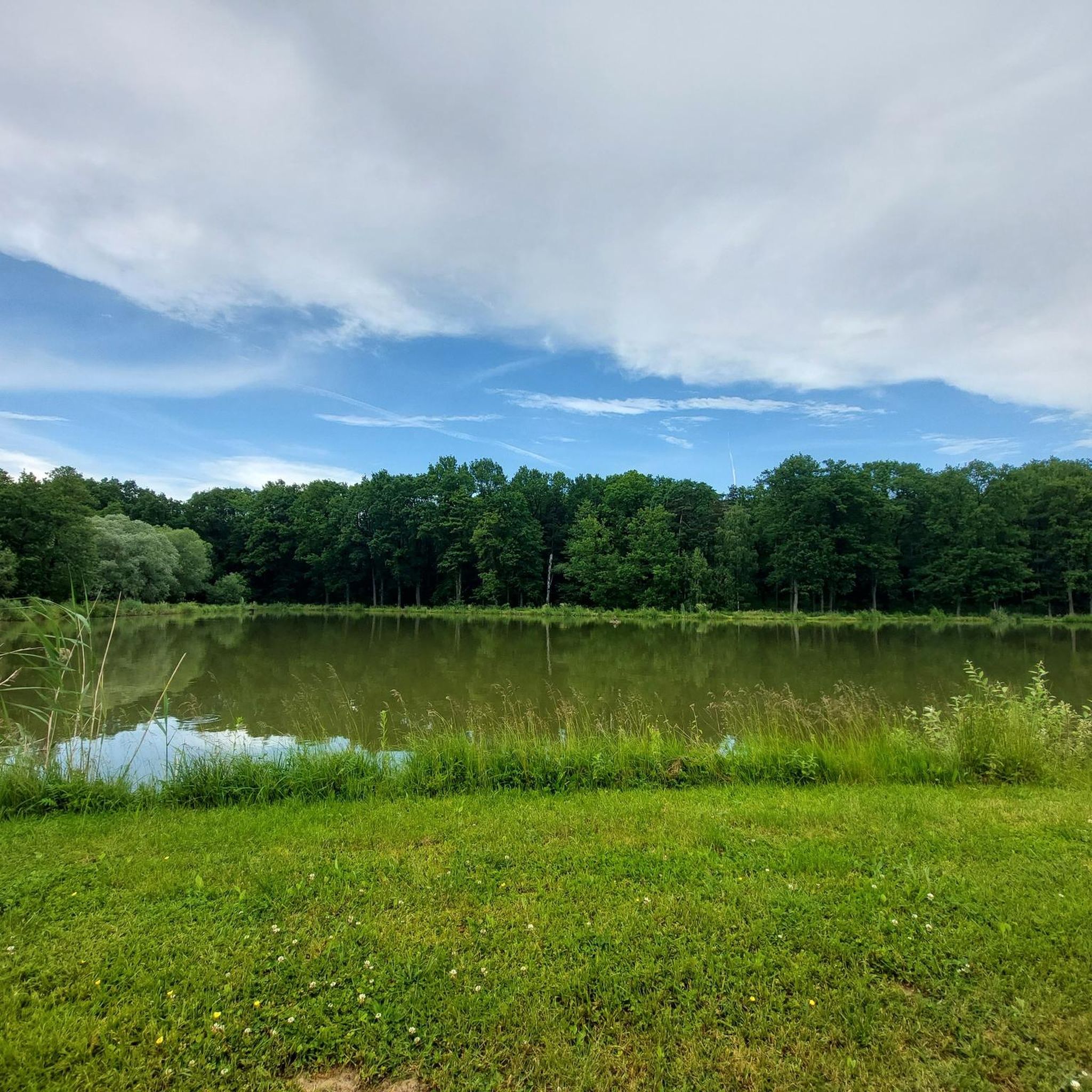
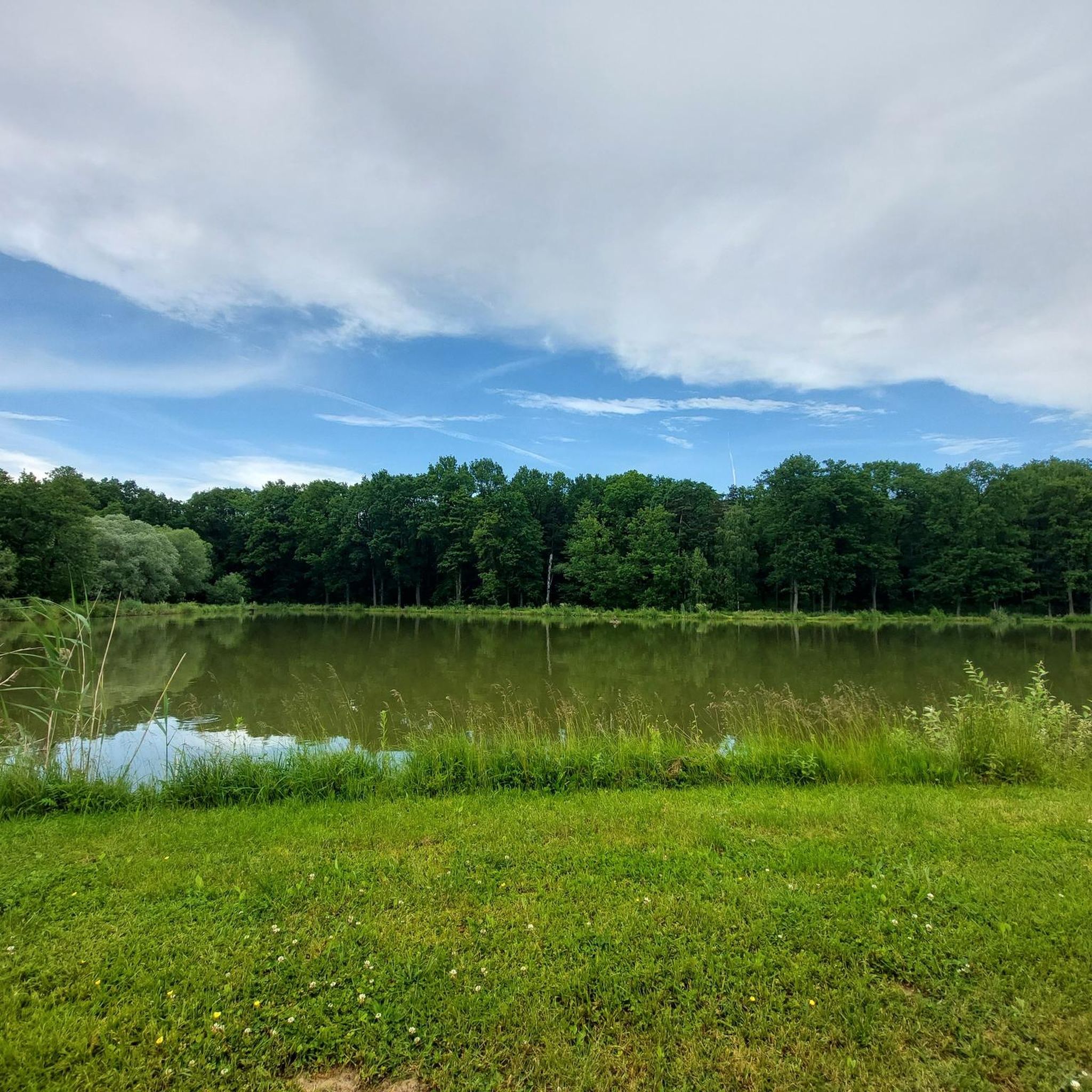
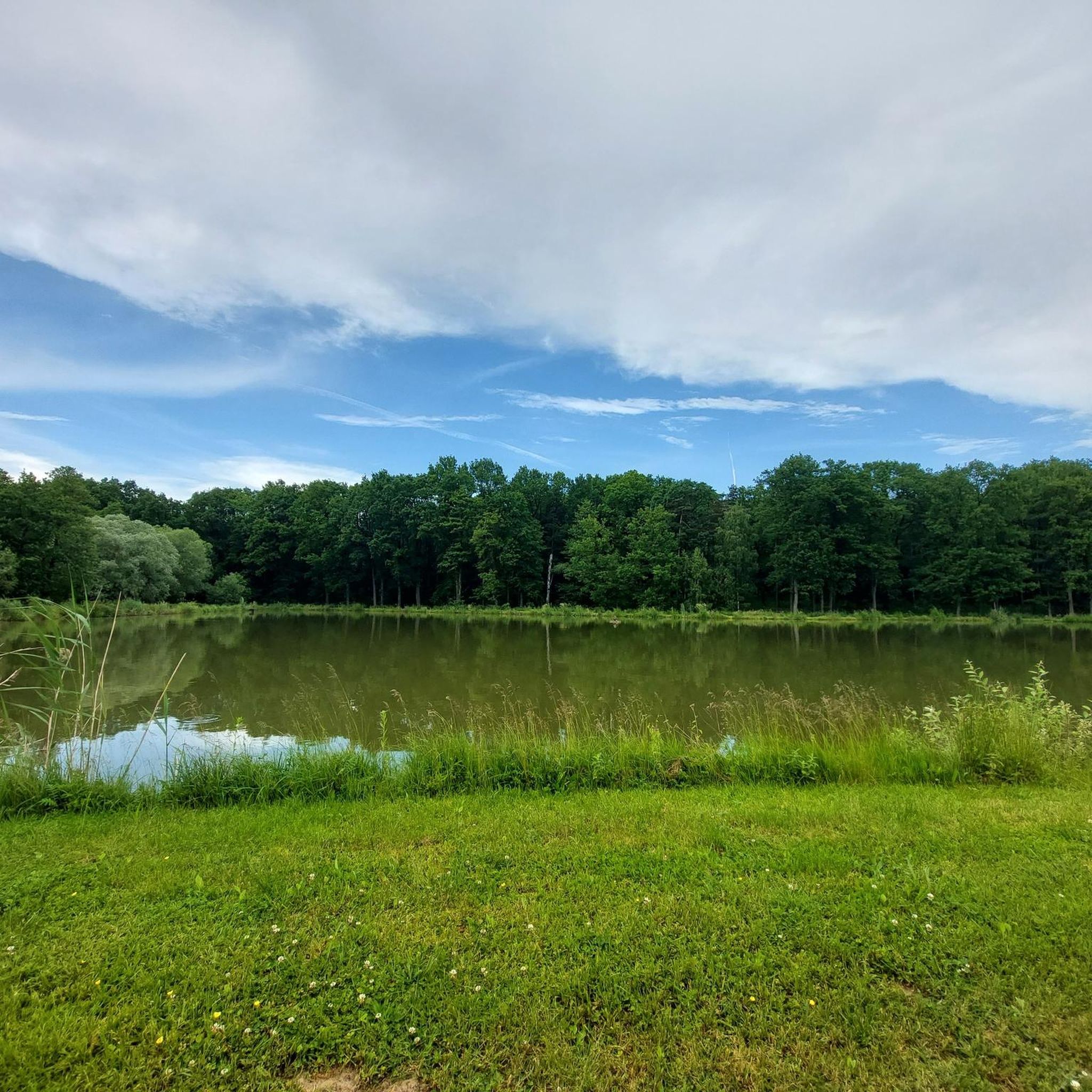
- Another must-see spot is Adam Sikora Park, an other natural area with historical significance. This park features a lake and has been a site for various community events and historical commemorations since its establishment in 1909.
- Visitors also love Strumień Town Square, a historical site with a preserved urban layout. The square features a late Baroque town hall dating back to 1628 and small, stylish tenement houses, reflecting its continuous city status since the 15th century.
- gmina Dębowiec is known for its religious sites, historical landmarks, and natural features. The area offers a variety of attractions to see and explore, from pilgrimage sites to national parks and preserved architecture.
- The attractions around gmina Dębowiec are appreciated by the komoot community, with more than 220 upvotes and over 110 photos shared by visitors.
Last updated: July 1, 2026
Viewing tower on Wielka Czantoria
Highlight • Viewpoint
Translated by Google •
Tip by

Strumień Town Square
Highlight • Historical Site
Strumień is one of the smallest towns in the Silesia Province. However, it boasts an uninterrupted status of the city from the turn of the 15th and 16th centuries. Despite many natural disasters that hit it, the Strumień maintained its historic urban layout with a square market square, streets leading from its corners, a pretty town hall and small, stylish tenement houses. Together with the nearby church of St. Barbara, it creates a whole with an urban-rural character.
Strumień was granted city rights at the turn of the 15th and 16th centuries thanks to the efforts of Mikołaj Brodecki, the marshal of the court of the Duke of Cieszyn. He became the owner of the Stream in 1482, and already in 1498 a parish was established here, and five years later, King Władysław II confirmed the municipal rights. The city developed on the left bank of the Vistula, in wetlands, often flooded. During several centuries of its existence, the settlement was damaged many times by floods, fires and other natural disasters. The stream never developed into a large urban center. It has always kept an urban-rural character. The main occupation of the townspeople was fishing, crafts and breeding. Therefore, the center of Strumień has a typical urban layout of a small town.
slaskie.travel/poi/3401/zabytkowy-uklad-urbanistyczny-strumienia
Translated by Google •
Tip by

Sign up now to discover places like this
Get recommendations on the best single tracks, peaks, & plenty of other exciting outdoor places.
Sign up for free
Evangelical-Augsburg Church in Drogomyśl
Highlight • Religious Site
The Evangelical Church in Drogomyśl is one of the last to be established in Cieszyn Silesia after the issue of the tolerance patent by Emperor Joseph II in 1781 and before full equality during the so-called The Spring of Nations. The building permit for the church was obtained on June 4, 1787, the construction in the classicist style began with the laying of the cornerstone on May 25, 1788, in 1792 a special permit was obtained to add a tower (the tolerance patent itself did not allow to erect towers). It was funded by Baron Fryderyk Henrlyk Callisch, the then owner of Drogomyśl, who allowed services to be held in his palace until the church was consecrated by the Cieszyn superintendent Jan Traugott Bartelmus on October 15, 1797.
Destroyed during World War II, the post-war reconstruction ended in 1951. The interior of the temple has three aisles, there are overhangs on the sides and a foundation plaque in Latin with the Calisch coat of arms above the portal.
pl.wikipedia.org/wiki/Ko%C5%9Bci%C3%B3%C5%82_ewangelicki_w_Drogomy%C5%9Blu
Translated by Google •
Tip by
Adam Sikora Park
Highlight • Natural
In 1928, the electric lighting was replaced and a new entrance gate was built. In 1933, a dance and music pavilion was built in the park. In 1935, about 3,000 m2 of gardens and a residential house were purchased, which after the reconstruction was used as a restaurant. In 1938, the present entrance gate was built and the construction of the restaurant building was completed, it was officially opened on July 7, 1938 (the construction was carried out by the Brejžek a Beier company from Český Těąín).
In 1989, a plaque commemorating the founder of the park was unveiled.
pl.wikipedia.org/wiki/Park_Adama_Sikory
Translated by Google •
Tip by
Gastronomia U Tadina
Highlight • Restaurant
Translated by Google •
Tip by

Sign up for free to discover even more attractions around gmina Dębowiec.
Sign up for free
Already have an account?
Start today with a free account
Your next adventure awaits.
Login or Signup


Tips from the Community

Stunning views of the surrounding area from the observation tower on Wielka Czantoria. Czantoria itself is the highest peak in the Cieszyn Beskids (995 m), and now add the tower's 29 meters.
1
0


Although Strumień, with a population of just 3,500, is one of the smallest towns in the Silesian Voivodeship, its dramatic history could easily have been shared by several large population centers. Everything here revolves around the elements – especially water: from the name of the former village situated right on the Vistula River to the numerous floods that have ravaged the town. Centuries ago, the Strumień market square was filled with houses with porches typical of flood-prone areas. Floods sometimes hit the town as often as three times a year. Although the rivers have changed over the years (today, only a five-kilometer canal called Strumień flows through the town center), and despite the commissioning of a gigantic reservoir in nearby Goczałkowice in 1956, flooding still occurs, as in May 2010, when the Strumień park was flooded. https://www.poznaj-slask.pl/rynek-w-strumieniu/
0
0


Wielka Czantoria is one of the most popular places for mountain runs and trips in the Silesian Beskids, with an attractive approach from both Ustroń and the Czech Nýdek. The route to the summit is about 5 km long in one direction and offers demanding approaches, technical descents and beautiful views of the surrounding ranges. At the top, there is a viewing tower, a shelter and the possibility of replenishing supplies. Light trail shoes with aggressive tread will be best for the route, because in wet weather the trail can be slippery and the rocks treacherous.
0
0

Driving along Bielska Street, "Tadina" is impossible to miss, because the sight of a smoking military field kitchen standing in front of the building says more clearly than the modest sign on the building that there is something to eat here! I went in, ordered pea soup from the field kitchen and... saw an interior reminiscent of a village pub from the early seventies. Gray-gray walls, tables without tablecloths, a guy in military surplus clothes fiddling with his shoe, keeping his leg on the bench standing by the table (the lady from the service immediately scolded him for it!) - as if I had returned to the times when, when I was 10-12 years old, you would go to a similar village pub for orange soda. For a moment, I was several decades younger! I recommend the place to everyone who, like me, is already carrying at least six crosses around their necks. I also recommend it to the younger ones (and I write this without any irony or mocking intentions), because "U Tadina" does not have - like in an authentic pub from the seventies - dirty tables flooded with sour beer, muddy floors and clouds of cigarette smoke. It is clean, quiet and peaceful, the service is very nice and the food is good.
0
0

At the top of Wielka Czantoria
0
0
Cool and pretty market in Strumień. It is better to come in the early hours on weekends or evenings during the week, there are no cars then.
1
0
Frequently Asked Questions
What natural attractions can I explore in Gmina Dębowiec?
Gmina Dębowiec offers a rich natural landscape. A significant portion of the area is within the Magurski National Park, known for its diverse terrain and suitability for outdoor activities. You can also visit unique geological formations like the "Diabli Kamień" (Devil's Rock) near Folusz, the "Kornuty" Reserve, and the picturesque "Magurski" Waterfall, also near Folusz. The region is also home to several protected oak trees, including a more than 500-year-old oak in the park of the Sanctuary of Our Lady of La Salette.
Are there any historical or cultural sites to visit in Gmina Dębowiec?
Yes, Gmina Dębowiec has a rich historical and cultural heritage. Key sites include the prominent Sanctuary of Our Lady of La Salette in Dębowiec, a significant Marian pilgrimage site. You can also explore the Museum Chamber in Dębowiec, which showcases the commune's history through artifacts and multimedia. The region features preserved wooden architecture, including a 200-year-old house in Dębowiec and examples of characteristic Lemko buildings. Additionally, there are World War I cemeteries, such as the one in Wola Cieklińska, and the historic Oil and Gas Mine in Folusz.
What kind of outdoor activities are available in Gmina Dębowiec?
Gmina Dębowiec is ideal for outdoor enthusiasts, offering well-marked hiking and cycling routes that provide beautiful mountain views. Folusz is a popular starting point for various trails, including a nature path and the Oil Trail. For those interested in fishing, Folusz also provides opportunities to catch trout. You can find more detailed information on specific routes, including running, mountain biking, and mountain hikes, by visiting the Running Trails around gmina Dębowiec, MTB Trails around gmina Dębowiec, and Mountain Hikes around gmina Dębowiec guides.
Are there family-friendly attractions in Gmina Dębowiec?
While the region is known for its natural beauty and historical sites, specific family-friendly amenities include recreational areas in Folusz, which offer a playground and an Ecological Education Park. The generally accessible cycling paths and nature trails within Magurski National Park can also be suitable for families.
Where can I find panoramic views in the area?
For panoramic views, consider visiting the "Walik" hill, which offers expansive vistas of the Ciężkowice Foothills. Additionally, the Viewing tower on Wielka Czantoria, though located further afield on the border of the Czech Republic and Poland, provides a unique perspective of three states from its 29-meter height atop the Cieszyn Beskids' highest peak.
What is the Sanctuary of Our Lady of La Salette in Dębowiec?
The Sanctuary of Our Lady of La Salette in Dębowiec is a significant Marian pilgrimage site, attracting numerous visitors annually. It is set within an old park that features a more than 500-year-old oak tree. Adjacent to the church, you'll find a Calvary built in the style of La Salette, complete with a spring whose water is believed to possess miraculous properties. The parish church of St. Bartholomew the Apostle, built in 1848, is also part of the complex.
Can I find places to eat or relax in Gmina Dębowiec?
While the region is more focused on natural and historical exploration, you can find local eateries. For example, Gastronomia U Tadina, though located outside the immediate gmina, is known for large portions, affordable prices, and excellent quality Polish dishes, including pea soup prepared in a military field kitchen.
What is the significance of the wooden architecture in Gmina Dębowiec?
Gmina Dębowiec is notable for its preserved wooden architecture, reflecting the region's historical character. This includes a 200-year-old house with a cross on its wall in Dębowiec, which historically served as a shelter for the poor. The broader Jasielski district also features numerous examples of characteristic Lemko buildings and churches, showcasing the historical presence and cultural heritage of the Lemko people in the area.
What is the Magurski National Park, and what does it offer?
The Magurski National Park covers a significant part of Gmina Dębowiec and is a crucial area for nature and landscape protection in the Low Beskids. It encompasses the Magura Wątkowska mountain range and is characterized by diverse terrain. The park is an excellent destination for hiking and cycling, offering visitors a chance to experience the region's natural beauty and tranquility.
Are there any unique historical sites related to industry in the area?
Yes, Gmina Dębowiec has a historical connection to industry. You can visit the Oil and Gas Mine in Folusz, which features old extraction equipment. This site offers a glimpse into the historical significance of natural resource extraction in the region.
What is Strumień Town Square and its historical importance?
The Strumień Town Square is a historical site with a well-preserved urban layout, reflecting its continuous city status since the 15th century. It features a late Baroque town hall dating back to 1628 and charming, small tenement houses. Despite facing natural disasters over centuries, Strumień has maintained its historic character, with the square serving as its central point.
What is Adam Sikora Park?
The Adam Sikora Park is an other natural area with historical significance. Established in 1909, this park features a lake and has been a site for various community events and historical commemorations. It has a rich past, including serving as an exercise area for Polish Legions during World War I and undergoing significant renovations over the years.
Most popular routes around gmina Dębowiec
Most popular attractions around gmina Dębowiec

Get inspired with the komoot mobile app


Explore more
Still not found the Highlight you’re looking for? See guides of the top attractions in other regions:
