Attractions and Places To See around Żory - Top 20
Best attractions and places to see around Żory include a blend of historical sites and modern recreational facilities in southern Poland's Silesian Voivodeship. The city, which received its civic rights in 1272, maintains a preserved medieval layout. Visitors can explore remnants of its past alongside natural features and cultural points of interest.
Best attractions and places to see around Żory
- The most popular attractions is Salt graduation tower, an other man-made structure that is a modern recreational facility. This circular structure allows visitors to inhale brine mist for health benefits.
- Another must-see spot is Gichta Tower of the Former Waleska Ironworks in Palowice, a man-made monument. This 15-meter-high brick hoist tower from the 19th century was part of the "Waleska" smelter, used to pull ore and charcoal.
- Visitors also love Dam at Lake Łąka, an artificial reservoir created in 1987 on the Pszczynka River. It serves as a flood protection measure and a popular spot for rest and recreation.
- Żory is known for its historical sites, recreational areas, and cultural attractions. The area offers a variety of places to see and explore, from ancient city walls to modern museums and parks.
- The attractions around Żory are appreciated by the komoot community, with more than 300 upvotes and over 130 photos shared across 20 highlights.
Last updated: October 4, 2026
Salt graduation tower
Highlight • Structure
Residents and tourists can use it free of charge. The most intense inhalations are inside it, but the surrounding area is also a healthy alternative to everyday life. It is worth staying here longer, the more that there are benches, bicycle stands, an open-air library and tables for board games around.
Nearby you can also drink a beer from a local brewery and take a walk by a picturesque pond with a renovated pier.
On Saturday, at noon, there was no one, so there are certainly times of the day where you can safely use your inhalation.
polskieszlaki.pl/teznia-na-paruszowcu-w-rybniku.htm
rybnik.naszemiasto.pl/teznia-na-paruszowcu-juz-dziala-mozna-w-koncu-odetchnac/ar/c15-7750033
Translated by Google •
Tip by

Gichta Tower of the Former Waleska Ironworks in Palowice
Highlight • Monument
slaskie.travel/poi/2976/gichta-huty-waleska-w-palowicach
Translated by Google •
Tip by
Sign up now to discover places like this
Get recommendations on the best single tracks, peaks, & plenty of other exciting outdoor places.
Market Square in Żory
Highlight • Settlement
The name of the village of Żory appeared for the first time in 1258. On February 24, 1272, Władysław, the Duke of Opole and Racibórz, signed an agreement containing a decision on the transfer of the village to his authority and on the location of the city (under Magdeburg law). It had the oval shape, which is valid until today, with a rectangular market square, two gates (one in Kraków and one in Cieszyn) and walls. Probably already in 1292, the prince of Racibórz, Przemysław, became a supporter of the Czech king, but it is assumed that the fief period begins in 1327. In 1336 the principality passed into the hands of the Přemyslids. In the years 1345, 1433 and 1473 Żory was besieged by Polish, Hussite and Hungarian troops, respectively. In the years 1521–1532, the principality was for the last time ruled by the rulers of the Silesian Piasts, who were followers of the Czech crown, and then the Hohenzollerns took power for 20 years.
pl.wikipedia.org/wiki/%C5%BBory
Translated by Google •
Tip by
Rybnik Market Square
Highlight • Settlement
The town was first mentioned in the Latin document of Pope Gregory IX issued on May 26, 1230 in the currently used Polish form Rybnik in the fragment in Kozle castellaturam de Racziborz circa Rybnik. The Latin Liber fundationis episcopatus Vratislaviensis, written down in the years 1295–1305, lists the villages established under Polish law iure polonico, the present districts of Rybnik, which were absorbed by the city in urbanization processes, such as Gotartowice in the fragment of Gothartovitz decima solvitur more polon solvico, Boguszowice in the fragment Boguszowice more polonico, Chwałowice in the fragment of Chwalowitz solvitur decima more polonico and Kłokocin as Clocochina in the fragment of Clocochina decima more polonico.
Historical documents recorded as separate towns other present districts of the city: in 1228 Niedobczyce as Nedobcici, in 1531 Ochojec - Ochotzetz, in 1228 Chwałowice as Falevich and in 1305 Quelowicz, in 1532 Popielów as Popelaw, in 1614 Orzepowice Ożepowice.
In 1750, the name Rybnik was mentioned in Polish by Frederick II among other Silesian cities in an official order issued for the inhabitants of Silesia.
pl.wikipedia.org/wiki/Rybnik
rybnik.eu
Translated by Google •
Tip by
Strumień Town Square
Highlight • Historical Site
Strumień is one of the smallest towns in the Silesia Province. However, it boasts an uninterrupted status of the city from the turn of the 15th and 16th centuries. Despite many natural disasters that hit it, the Strumień maintained its historic urban layout with a square market square, streets leading from its corners, a pretty town hall and small, stylish tenement houses. Together with the nearby church of St. Barbara, it creates a whole with an urban-rural character.
Strumień was granted city rights at the turn of the 15th and 16th centuries thanks to the efforts of Mikołaj Brodecki, the marshal of the court of the Duke of Cieszyn. He became the owner of the Stream in 1482, and already in 1498 a parish was established here, and five years later, King Władysław II confirmed the municipal rights. The city developed on the left bank of the Vistula, in wetlands, often flooded. During several centuries of its existence, the settlement was damaged many times by floods, fires and other natural disasters. The stream never developed into a large urban center. It has always kept an urban-rural character. The main occupation of the townspeople was fishing, crafts and breeding. Therefore, the center of Strumień has a typical urban layout of a small town.
slaskie.travel/poi/3401/zabytkowy-uklad-urbanistyczny-strumienia
Translated by Google •
Tip by
Sign up for free to discover even more attractions around Żory.
Already have an account?
Start today with a free account
Your next adventure awaits.
Tips from the Community

The brine graduation tower in Rybnik (Paruszowiec) – a great stopping point and destination for a trip! The facility has the form of an impressive, wooden rotunda, around which a healthy aerosol from brine from Zabłocie (rich in iodine and bromine) floats. The place is perfectly adapted for cyclists: you will find dedicated bike racks, smooth asphalt paths, and plenty of benches in the shade. Right next to it, there is a picturesque pond with a viewing pier and a park playground. An ideal place to rest, catch your breath (literally!), and regenerate your strength in the middle of the route. The supra-regional cycling route from Rybnik towards Żory and Czerwionka-Leszczyny runs right next to it.
2
0


Although Strumień, with a population of just 3,500, is one of the smallest towns in the Silesian Voivodeship, its dramatic history could easily have been shared by several large population centers. Everything here revolves around the elements – especially water: from the name of the former village situated right on the Vistula River to the numerous floods that have ravaged the town. Centuries ago, the Strumień market square was filled with houses with porches typical of flood-prone areas. Floods sometimes hit the town as often as three times a year. Although the rivers have changed over the years (today, only a five-kilometer canal called Strumień flows through the town center), and despite the commissioning of a gigantic reservoir in nearby Goczałkowice in 1956, flooding still occurs, as in May 2010, when the Strumień park was flooded. https://www.poznaj-slask.pl/rynek-w-strumieniu/
0
0

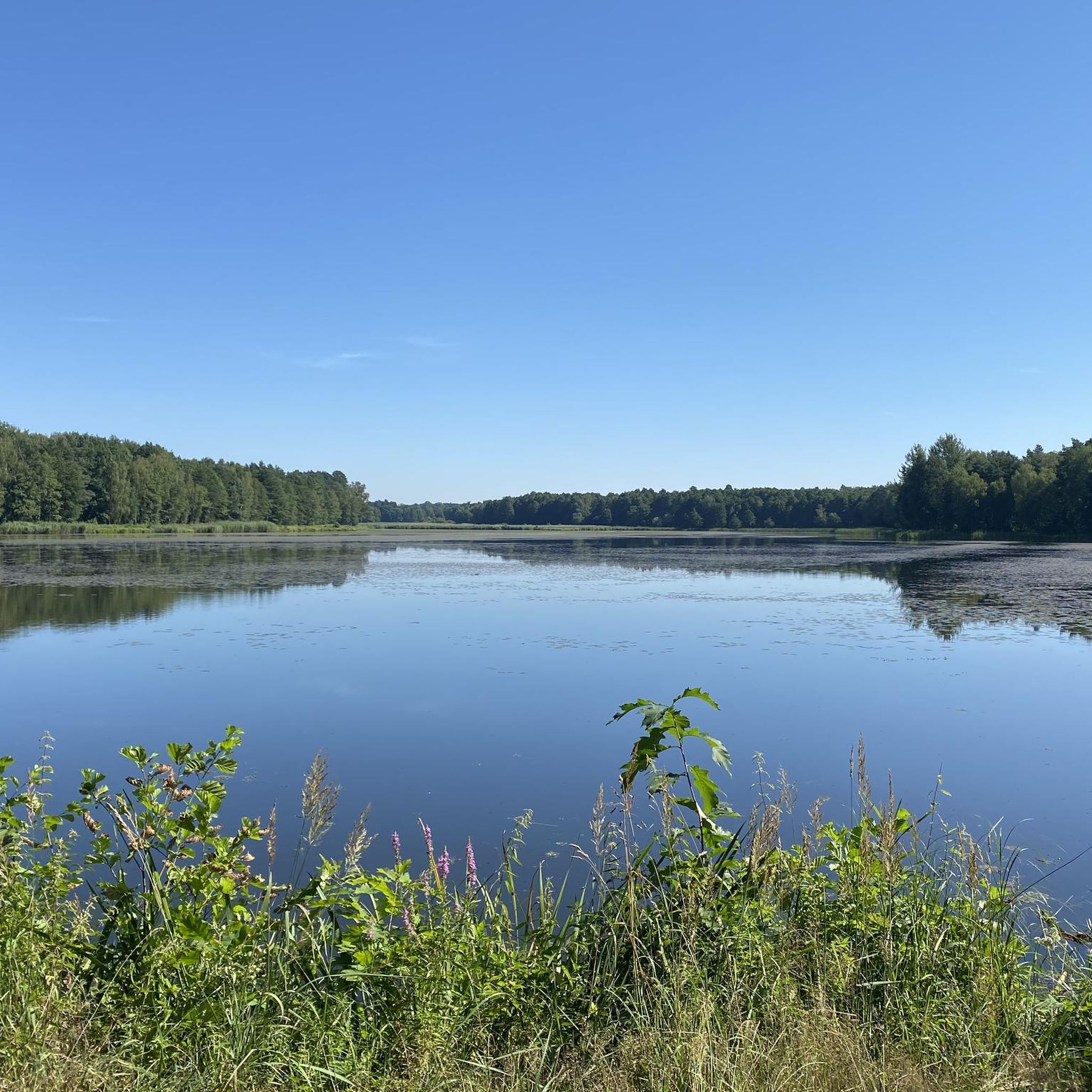
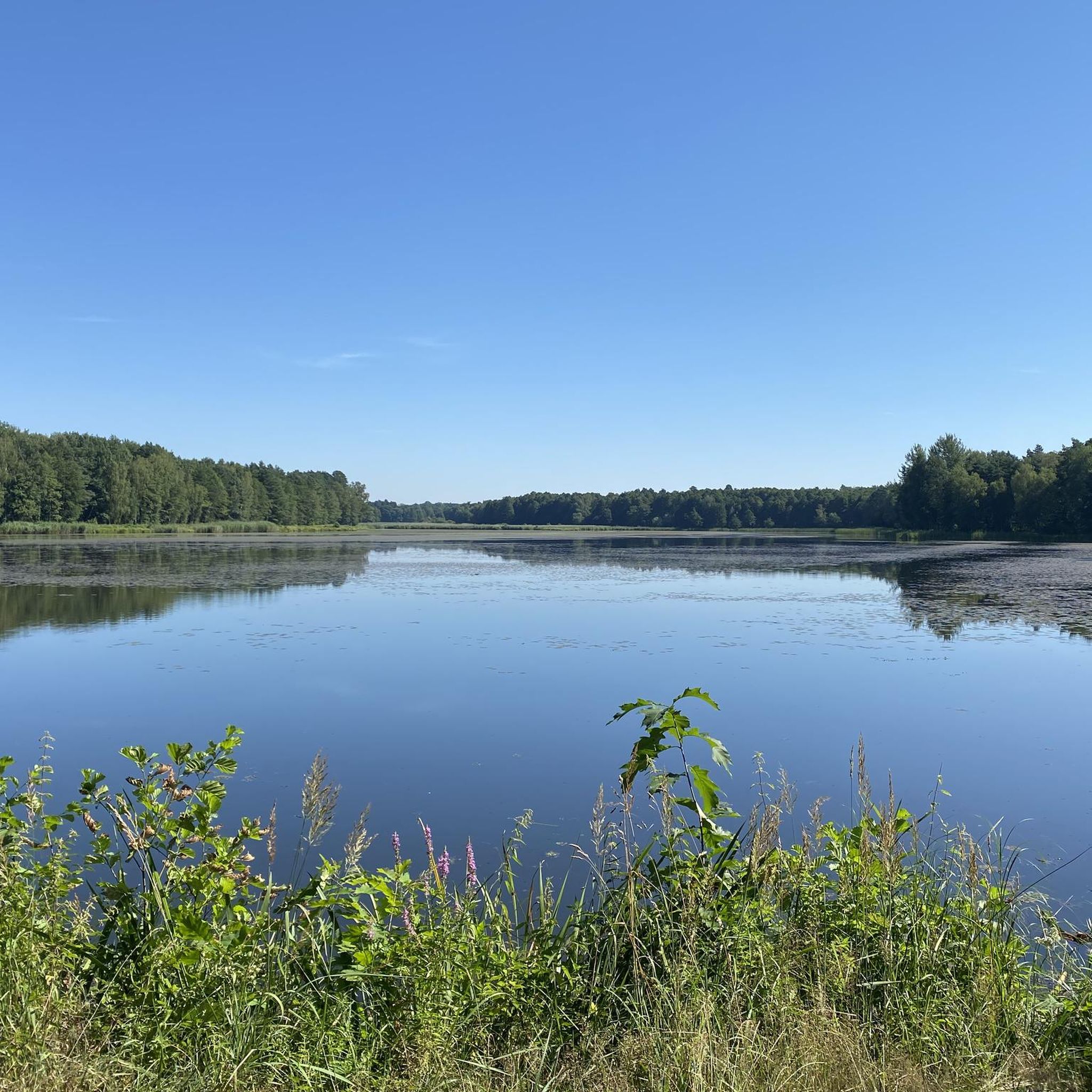
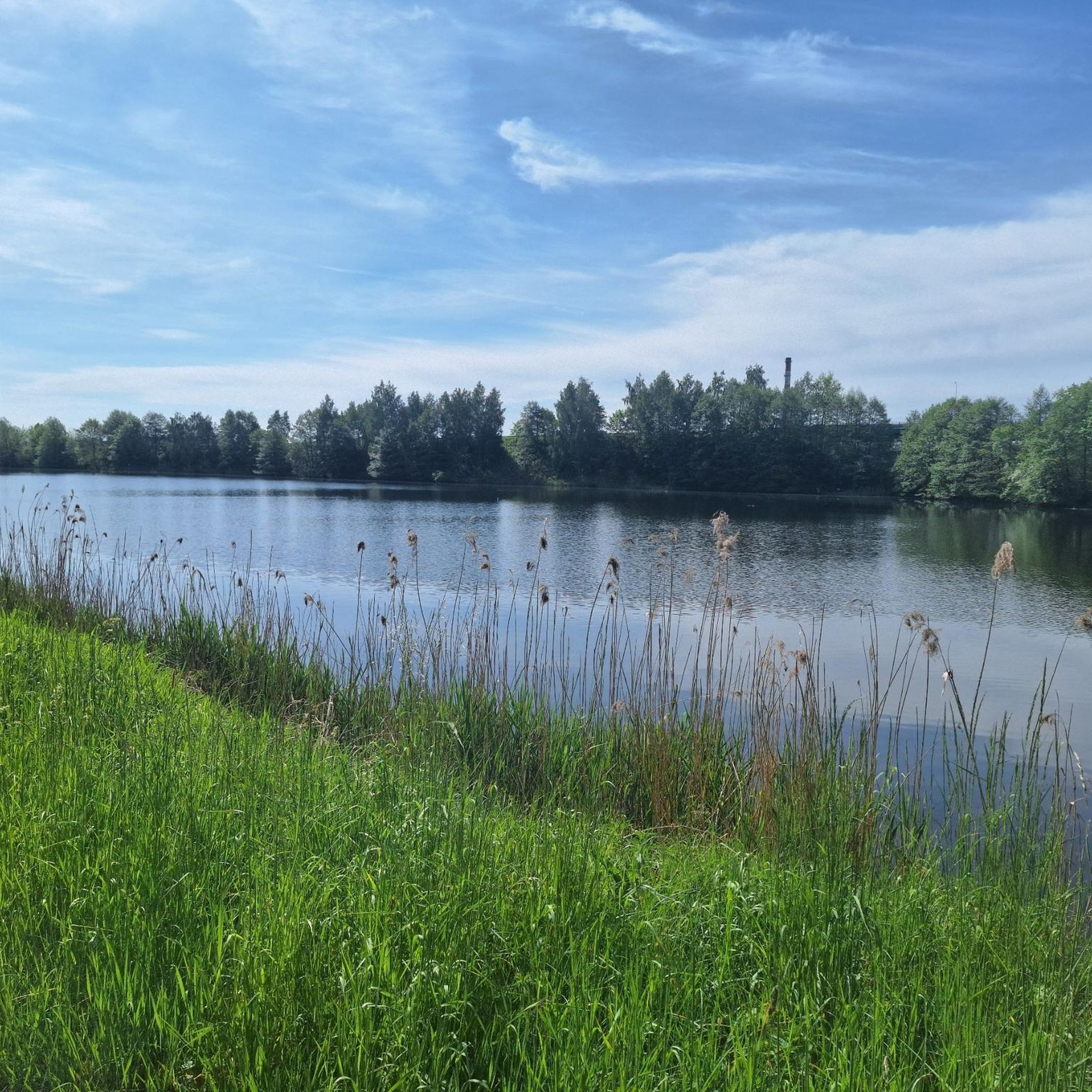
an attraction in the middle of the forest
0
0


The market square in Żory is one of the largest city squares in Upper Silesia, measuring 100 x 75 meters. Although the historic buildings were destroyed during World War II, the market square is now surrounded by restored 19th-century tenement houses and modern restaurants. For road cyclists, the market square is a convenient resting point, with easy access to asphalt routes in the region. It is worth stopping here for a moment to feel the atmosphere of the city and take advantage of the local amenities. The surface around the market square is well-maintained, which allows for a smooth ride on a road bike.
1
0

Cool and pretty market in Strumień. It is better to come in the early hours on weekends or evenings during the week, there are no cars then.
1
0

A small town with a historic market square - what more can I say, if you're in the area it's worth seeing :)
0
0
Frequently Asked Questions
What historical sites can I explore in Żory?
Żory boasts a rich history. You can visit the Market Square in Żory, which retains its medieval oval shape and is surrounded by restored 19th-century tenement houses. Don't miss the remnants of 14th-century fortification walls, some up to 9 meters high, or the early Gothic Church of Saints Philip and Jacob. A few kilometers north, the Gichta Tower of the Former Waleska Ironworks in Palowice offers a glimpse into the region's industrial past.
Are there any natural attractions or recreational areas near Żory?
Yes, Żory offers several natural and recreational spots. Dam at Lake Łąka is a popular retention reservoir with a Water Sports Center, sandy beach, and barbecue areas, ideal for rest and recreation. Within Żory, Park Cegielnia features a modern Salt graduation tower, where you can inhale brine mist for health benefits.
What cultural attractions are available in Żory?
Żory has a diverse cultural scene. The Museum of Fire, housed in a distinctive modern building, explores the city's unique connection to fire. You can also visit the historic Jewish Cemetery, established in 1814, or the Town Museum, which features an exhibition on Western African cultures. The city also hosts events like the International Guitar Festival.
What activities are available for families with children in Żory?
Families will find plenty to do. The Salt graduation tower in Park Cegielnia is a unique and healthy experience. For entertainment, the Twinpigs Western Amusement Park offers a Wild West theme with attractions like a Ferris wheel. The Karuzela ŻORŻANKA, a two-level carousel inspired by Jules Verne, provides a charming, fairytale-like experience. Many historical sites like the Market Square in Żory and Dam at Lake Łąka are also considered family-friendly.
Are there hiking trails around Żory?
Yes, there are several hiking opportunities. You can find easy to moderate trails, including a 3.6 km loop from the Market Square in Żory to the Żory Graduation Tower. Other options include a 5.3 km easy loop from Kleszczówka or a 8.7 km moderate loop starting from Żory. For more details and routes, explore the Hiking around Żory guide.
Can I go cycling or mountain biking near Żory?
Absolutely. The area around Żory offers various routes for both road cycling and mountain biking. You can find moderate MTB trails like the 47 km 'Pond in the Forest – Archway to Żory loop' or an easy 28.7 km 'Archway to Żory – Lake Gichta loop'. For more detailed routes and options, check out the MTB Trails around Żory guide.
What is the best time of year to visit Żory for outdoor activities?
The warmer months, from spring through early autumn, are generally best for outdoor activities around Żory, allowing full enjoyment of lakes, parks, and hiking trails. However, the city's cultural sites and museums are accessible year-round. The annual Torch-Light Day on May 11th offers a unique cultural experience.
What unique local traditions or events does Żory have?
Żory is known for its unique Torch-Light Day, celebrated annually on May 11th for over 300 years. Residents march with torches to the town square, commemorating a great fire from 1702. The city also features 'Żorek' mascots, smiling flame figures scattered throughout, symbolizing the city's name and history.
Are there any accessible attractions in Żory?
The Market Square in Żory is noted for its well-maintained surface, making it accessible for wheelchairs and road bikes. While specific accessibility details for all attractions vary, the city center generally offers good conditions for exploration.
What do visitors enjoy most about the attractions around Żory?
Visitors appreciate the blend of historical charm and modern recreational facilities. The Salt graduation tower is often highlighted as a good place to take a break and enjoy the health benefits. The Market Square in Żory is described as cozy and quiet, serving as a convenient resting point for cyclists. The Dam at Lake Łąka is valued for its recreational opportunities and water sports.
Where can I find places to eat or drink near the attractions?
The Market Square in Żory is surrounded by modern restaurants, offering convenient dining options. For those visiting the Salt graduation tower in Park Cegielnia, there are often nearby facilities where you can enjoy a local beer or grab a bite.
Most popular routes around Żory

Get inspired with the komoot mobile app


