Attractions and Places To See around gmina Wąchock - Top 20
Best attractions and places to see around gmina Wąchock offers a rich blend of historical, cultural, and natural sites. Situated in the western part of the Starachowice district, the area is nestled within the picturesque Świętokrzyska Forest and Sieradowicki Landscape Park. The region is characterized by its deep historical roots, particularly its Cistercian heritage, and its location in the Kamienna River valley. Extensive forest complexes cover a significant portion of the territory, providing diverse landscapes.
Best attractions and places to…
Last updated: October 18, 2026
Wykus Home Army Memorial
Highlight • Monument
Translated by Google •
Tip by

Mostki Reservoir
Highlight • Lake
Translated by Google •
Tip by

Sign up now to discover places like this
Get recommendations on the best single tracks, peaks, & plenty of other exciting outdoor places.
Wykus Nature Reserve
Highlight • Forest
Translated by Google •
Tip by
Ponury Cave
Highlight • Cave
Translated by Google •
Tip by

Langiewicz Glade Memorial
Highlight • Historical Site
Translated by Google •
Tip by
Sign up for free to discover even more attractions around gmina Wąchock.
Already have an account?
Start today with a free account
Your next adventure awaits.
Tips from the Community

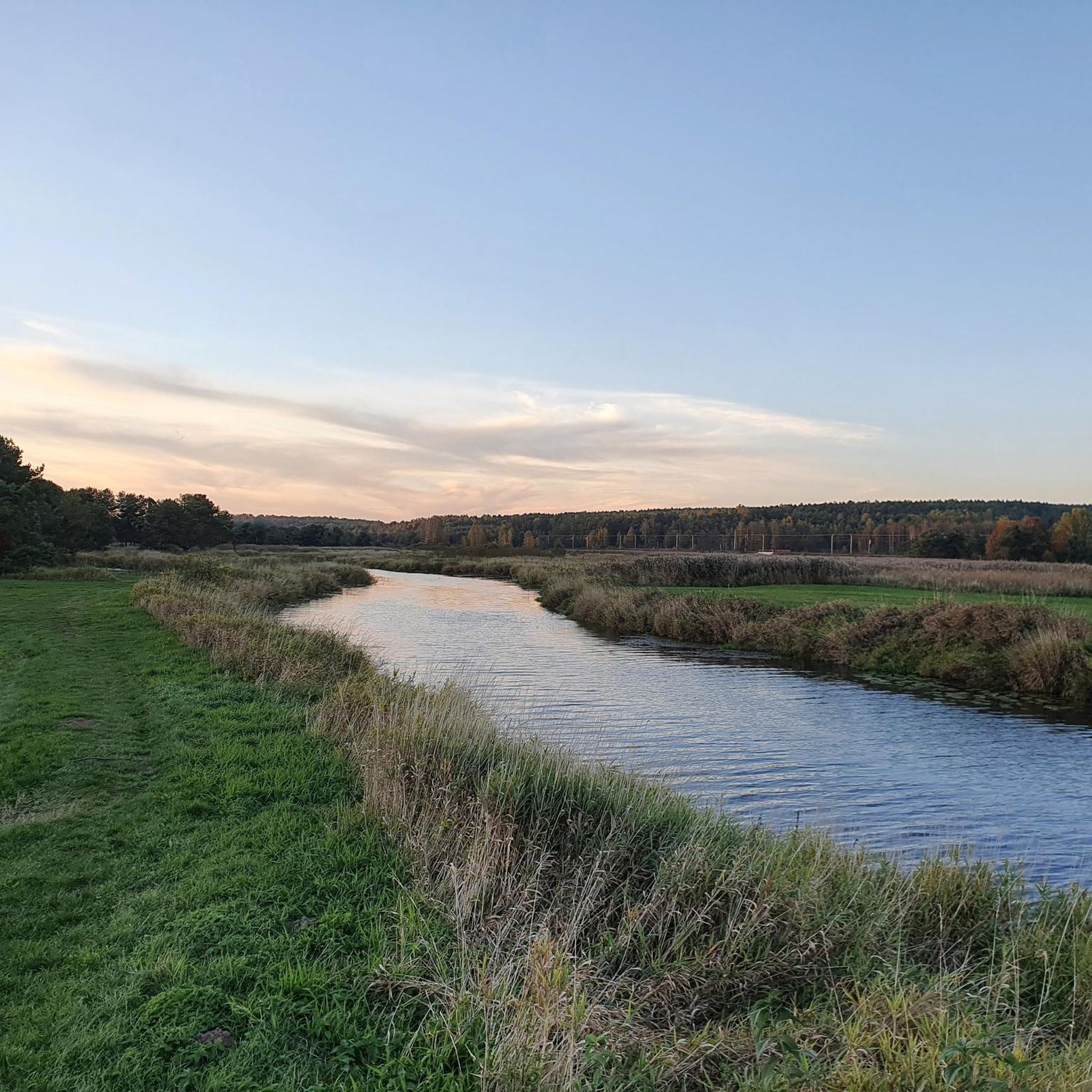
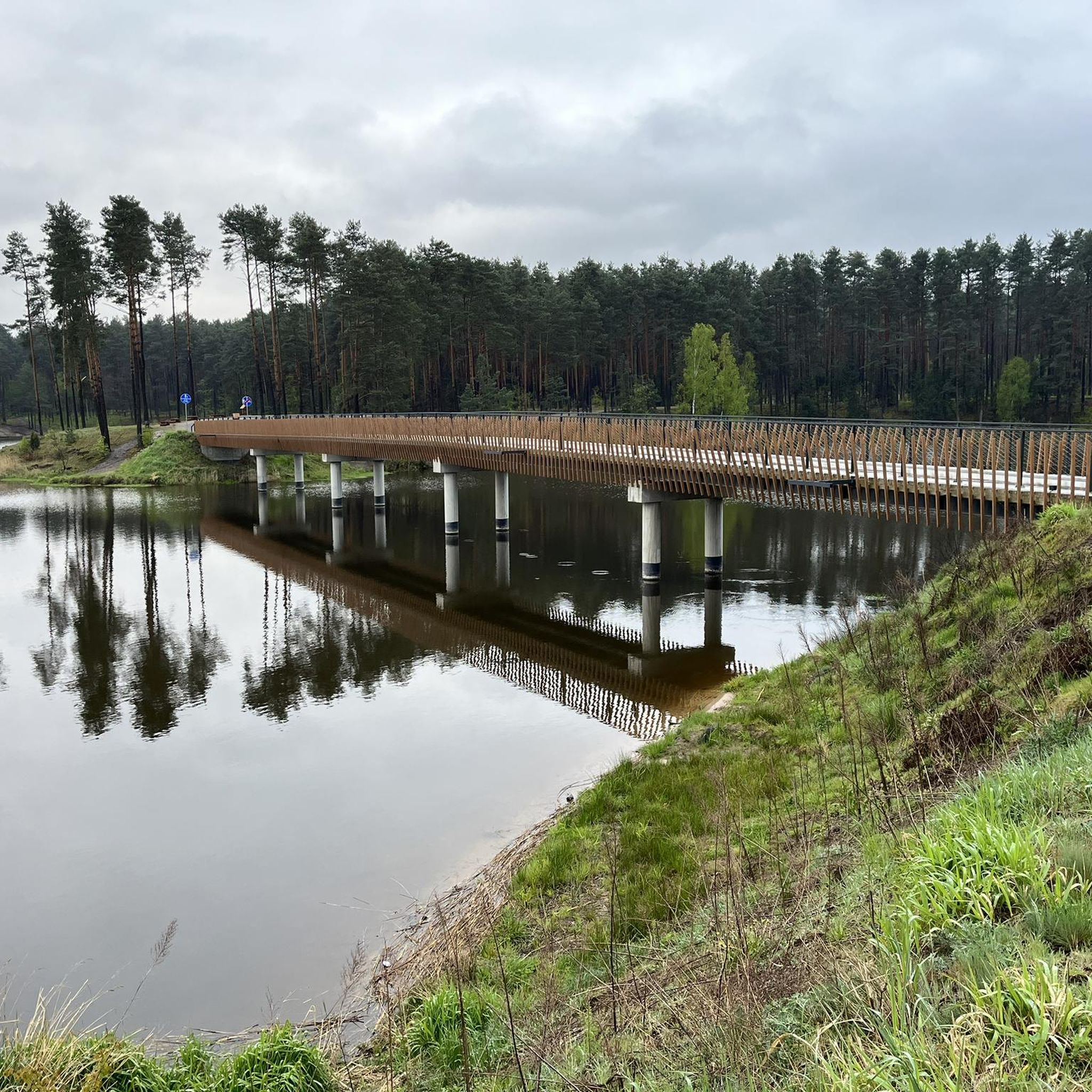
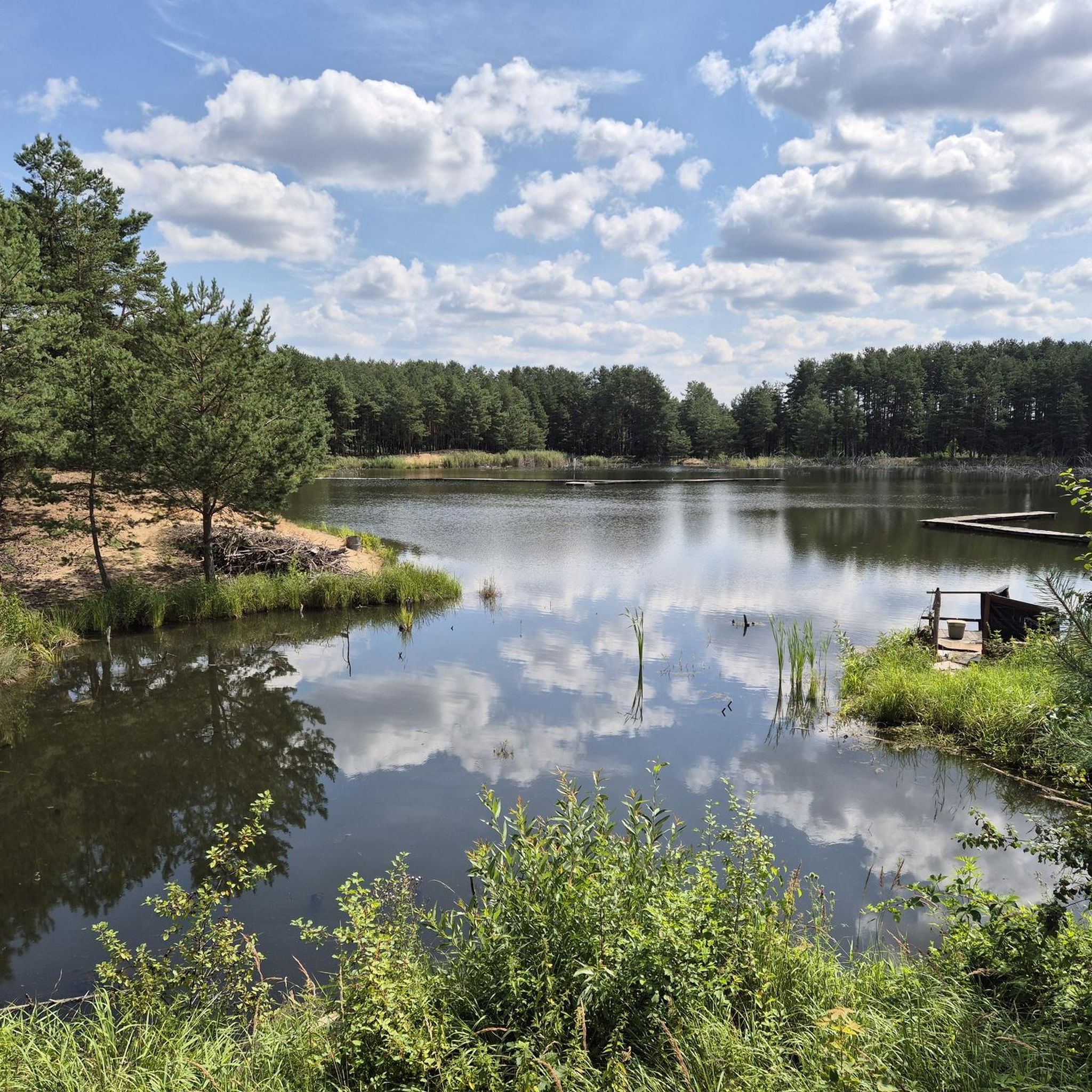
A 21ha reservoir located on the Żarnówka River, which is a right tributary of the Kamienna River. The fishing ground is located in the village of Mostki near Suchedniów in Skarżysko County. The reservoir is located on the Suchedniów-Starachowice route and is approximately 2 km long.
0
0

A must visit on Sieradowicki
0
0

this is one big attraction this single track
0
0
Wykus was the base of Polish partisans. During the January Uprising, insurgents commanded by Marian Langiewicz were stationed here. During World War II, camps of Polish underground soldiers were located here, first under the command of Maj. Henryk Dobrzański "Hubal", later the Home Army Partisan Groups "Ponury" - lieutenant cc. Jan Piwnik "Ponury". On On September 15, 1957, in the place of the former camp, a chapel with the image of Our Lady of Sorrows was unveiled, commemorating those who died in the fight for the homeland. On its walls there are 123 nicknames of soldiers who died during the war. The shrine is surrounded by a wall, on which there are several hundred plaques with the names of the dead soldiers of the "Ponury" and "Nurt" groups. The chapel with the surrounding area within a radius of 30 m is the "Wykus" National Memorial Site and is entered in the register of immovable monuments. Every year, on the second Saturday of June, ceremonies commemorating the fallen soldiers of the Partisan Groups of the Home Army "Ponury" are organized in Wykus. Wykus (326 m above sea level) is also a nature reserve.
0
0
The Wykus partial reserve was established by the Ordinance of the Minister of Forestry and Wood Industry of October 11, 1978. The total area of the reserve is 53.01 ha, including 52.7 ha of forest and 0.31 ha of non-forest land. The reserve belongs to the Suchedniów Forest District, Bronkowice Forest District, Bodzentyn and Wąchock communes. The subject of protection in the reserve are diversified and highly natural forests with the participation of pine, fir and oak, hornbeam, birch, aspen and alder. The age of the upper layer of trees varies from 70 to 100 years, with specimens reaching 140 years. They are a great natural asset of the reserve. The highest degree of naturalness is characteristic of forest-like fir and alder stands. The area of the reserve is overgrown with a number of forest vegetation communities, among which the following deserve attention: Carpathian beech forest, oak-hornbeam forest, upland fir forest, mixed forest, Central Polish mixed forest with fir and alder and ash riparian forest. Many interesting and protected species of plants grow in the undergrowth and undergrowth, including: hepatica, live onion, three-needle moss, bugle, laurel and clubmoss. However, Wykus is famous above all for its many historical places. Large complexes of forests have long provided shelter to patriots fighting for the independence of our country. It was here that the January insurgents found shelter and the partisans of World War II. The Wykus Reserve is an important junction of tourist trails. They lead to it: - green hiking trail from Skarżysko (Mostek) - blue pedestrian from Wąchock and Bodzentyn - black pedestrian from Starachowice - red bicycle from Mostki, Wąchock and Bronkowice
0
0
Polana Langiewicza is commonly regarded as a campsite for insurgent troops led by General Marian Langiewicz during the January Uprising in 1863. However, there is no evidence that the insurgents were stationed in this exact place and that General Langiewicz himself stayed there. This place was indicated by Capt. Wojdacki, writing that "there was a spring and an oak grew, where General Marjan Langiewicz sat as if on a stool". The place was marked for the first time in 1925, during the convention of veterans of the 1863 uprising. Then, after the holy mass in Wąchock, the participants of the reunion went to the clearing, where a commemorative plaque was consecrated. The plaque was made in a foundry in Skarżysko, owned by Kazimierz Jan Witwicki, son of Jan Witwicki, an insurgent. At that time, the plaque was hung on an oak - today it is hung on a pine.
0
0

In this place there is a monument commemorating the soldiers of the Home Army (Polish independence underground) from groups operating against the Germans in the Świętokrzyskie Mountains under the command of the legendary Jan Piwnik pseudonym "Gloomy". Next to it, there is a place for the Holy Mass and benches for those gathered during the ceremony.
0
0
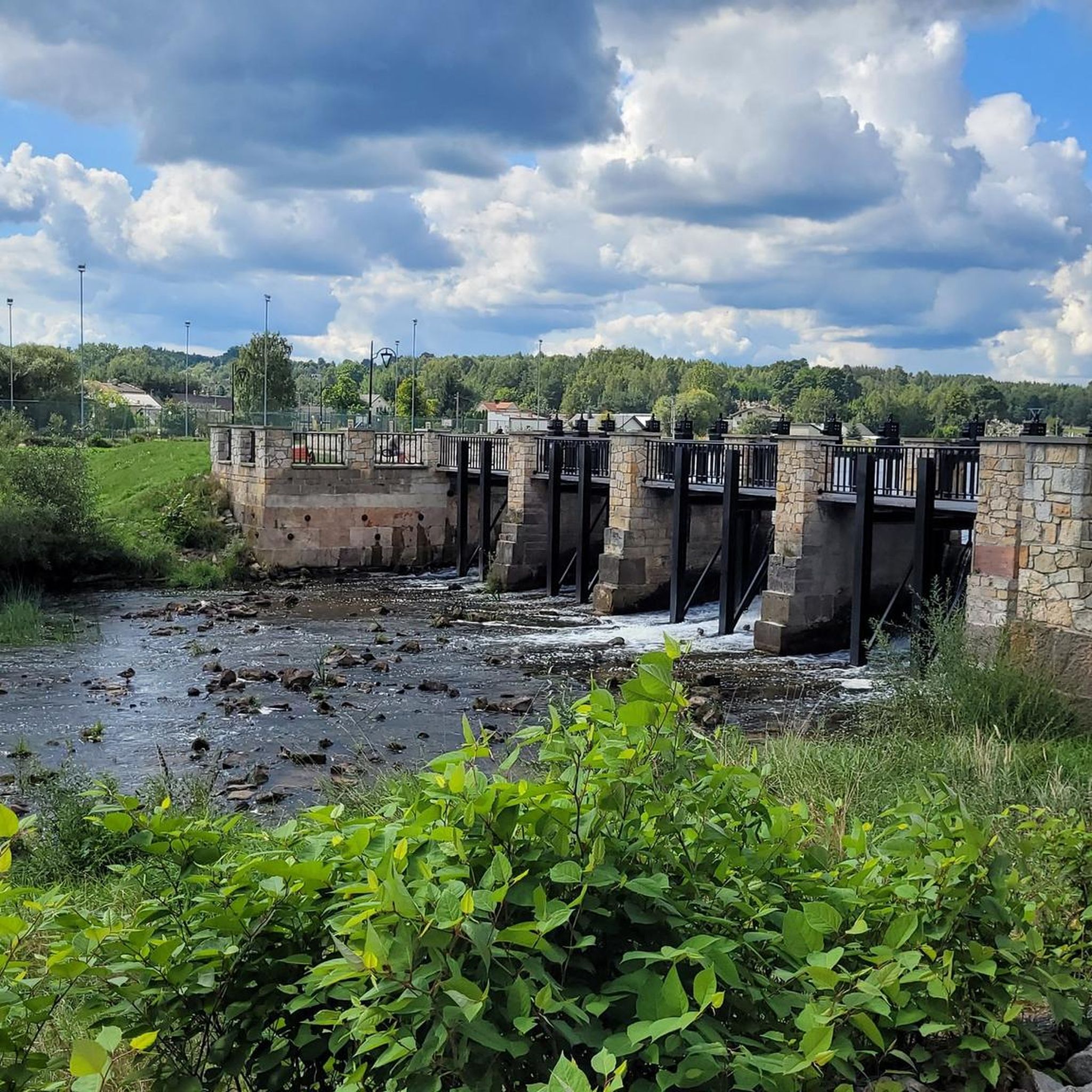
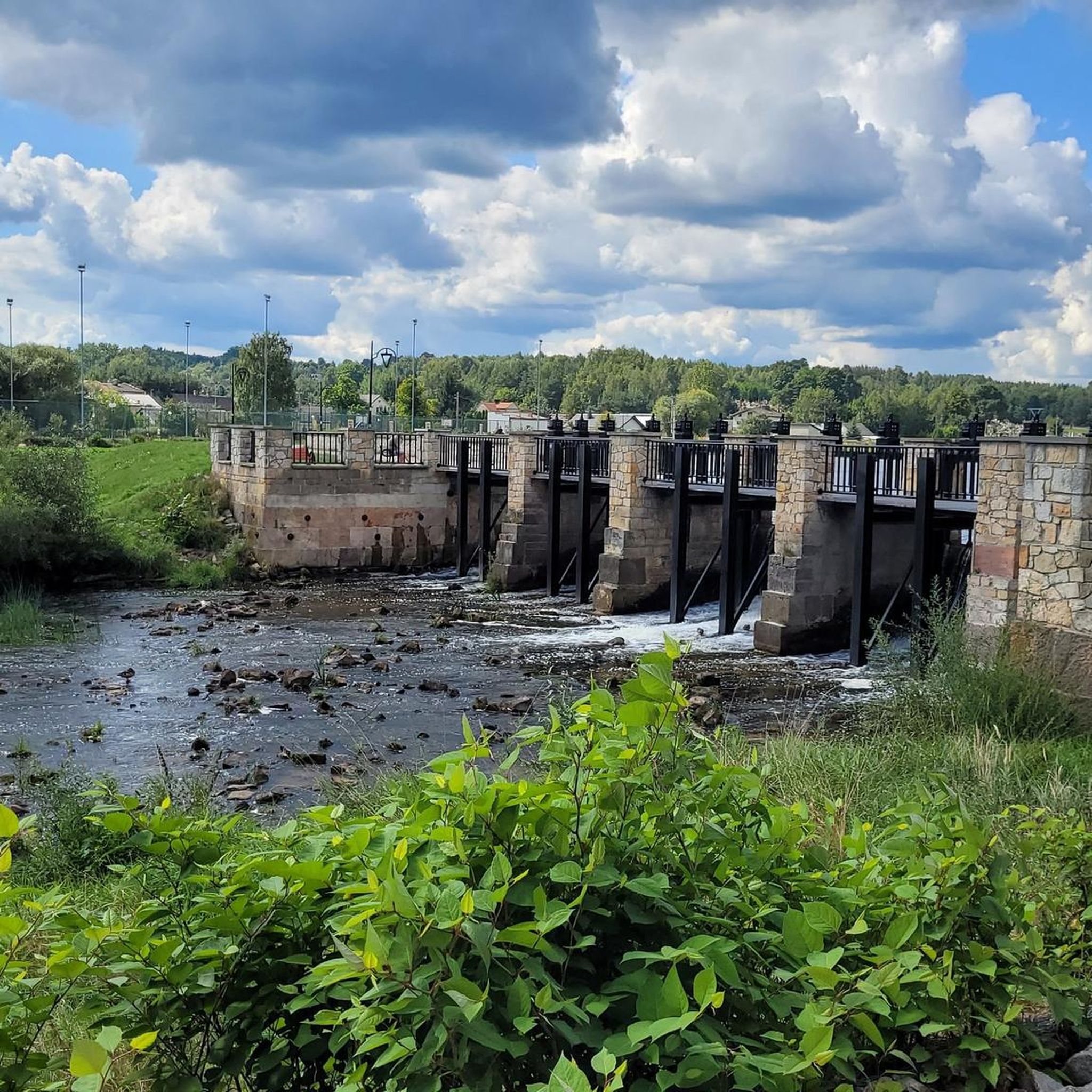
A dam reservoir with an area of 21 ha, located on the Żarnówka river, which is the right tributary of the Kamienna river. The fishery is located in the village of Mostki near Suchedniów in the Skarżysko poviat. The reservoir is located on the route Suchedniów - Starachowice and stretches for a length of approx. 2 km. The lagoon has a characteristic water overflow in the form of a hexagonal well. From the side of the forest, in its northern part, there is a spawning ground. On the opposite side there is a bathing beach and a parking lot for tourists. Along the lagoon, the Żarnówka river bed flows along its center, and on the more eastern side. You can catch most species of freshwater fish in the tank.
0
0
Frequently Asked Questions
What historical and cultural sites are a must-see in Gmina Wąchock?
Gmina Wąchock is rich in history. The most significant landmark is the Cistercian Abbey in Wąchock, founded in 1179, featuring a well-preserved Romanesque church and monastic buildings. You can also visit the Wykus Home Army Memorial, commemorating Polish underground fighters, and the Langiewicz Glade Memorial, associated with the January Uprising. Don't miss the ruins of a 19th-century metal factory, showcasing the region's industrial past, and the historic Jewish Cemetery with its preserved matzevahs.
Are there any natural attractions or reserves worth visiting in the area?
Absolutely. The Mostki Reservoir is a popular spot for fishing and relaxation, known for its distinctive hexagonal spillway. You can also explore the Wykus Nature Reserve, offering diverse forests and historical significance. Other natural features include the 'Rocław Loess Gorge,' the historic Inactive Wąchock Quarry, and the scenic forest complexes of Świętokrzyska Forest and Sieradowicki Landscape Park.
What kind of outdoor activities can I do around Gmina Wąchock?
The region is excellent for outdoor enthusiasts. You can find numerous routes for cycling and hiking. For cycling, explore options like the 'Mostki Reservoir – View of Zalew Mostki loop' or the 'Wąchock Dam – Mostki Reservoir loop' which you can find more about in the Cycling around gmina Wąchock guide. Hikers can enjoy easy trails such as the 'Wąchock Dam – View of the Wąchocki Lagoon loop' or the 'Northern Footbridge – West Footbridge loop' detailed in the Hiking around gmina Wąchock guide. There are also gravel biking routes available in the Gravel biking around gmina Wąchock guide.
Are there family-friendly attractions in Gmina Wąchock?
Yes, several attractions are suitable for families. The Mostki Reservoir offers a bathing beach and parking, making it a great spot for a family outing. The historical sites like the Wykus Home Army Memorial can also be educational for older children. Additionally, the municipality provides a recreational and sports park for leisure activities.
Where can I find information about the region's unique humorous heritage?
Wąchock is famous throughout Poland for jokes about its *sołtys* (village elder). This humorous heritage is celebrated annually at the Zjazd Sołtysów (Mayors' Rally), a tournament often with a humorous twist. There's even a monument dedicated to this legendary figure in the town, reflecting its unique cultural identity.
What is the significance of the Cistercian Abbey in Wąchock?
The Cistercian Abbey in Wąchock is a pivotal historical site, founded in 1179. It's renowned for its remarkably preserved Romanesque architecture, including a church and monastic buildings like cloisters and a chapter house, which is considered one of Poland's best late-Romanesque interiors. The abbey's walls are distinctively built from local yellowish-grey and brownish-red sandstone. It also serves as the resting place for Major Jan Piwnik 'Ponury,' a legendary partisan commander, and houses a museum.
Can I explore the industrial history of Gmina Wąchock?
Yes, the region has a significant industrial past as part of the Staropolski Industrial District. You can visit the preserved ruins of a 19th-century metal factory, which offers a glimpse into the area's role in mining and metallurgy, a sector where the Cistercians were instrumental in its early development.
Are there any specific natural monuments or unique geological features?
Beyond the extensive forests, Gmina Wąchock features several unique natural elements. The 'Rocław Loess Gorge' is a striking geological formation, several hundred meters long and up to 15 meters deep. The Inactive Wąchock Quarry, dating back to the 13th century, reveals red Lower Triassic sandstones, used in the construction of the Cistercian monastery. Additionally, the Five Linden Trees in Rataje have been recognized as natural monuments.
What is the Archeological Reserve 'Rydno' and what can I see there?
The Archeological Reserve 'Rydno' is located on sandy dunes along the Kamienna River. It contains hundreds of prehistoric settlement sites centered around an ancient hematite mine. Hematite, a valuable red pigment symbolizing life and strength, was sought after by various ancient tribes, making this reserve a fascinating window into prehistoric life and industry.
What is the best time to visit Gmina Wąchock for outdoor activities?
Gmina Wąchock, with its extensive forest areas and reservoirs, is beautiful throughout the warmer months. Spring and autumn offer pleasant temperatures for hiking and cycling, with vibrant foliage in autumn. Summer is ideal for water activities at the Mostki Reservoir. While winter activities are not explicitly detailed, the forested landscapes can offer charming scenery for walks, though some trails might be less accessible.
Are there any caves or unique natural shelters in the area?
Yes, you can find Ponury Cave in the Świętokrzyskie Mountains. It has two entrance openings on the western slope of Kamień Michniowski, near the blue and black tourist trails. While the cave itself is located within the Kamień Michniowski nature reserve and is not open to tourists for entry, its exterior and surroundings offer a cool place to rest and explore the natural landscape.
Most popular routes around gmina Wąchock
Most popular attractions around gmina Wąchock

Get inspired with the komoot mobile app


Explore more
Still not found the Highlight you’re looking for? See guides of the top attractions in other regions:
