The best cycling routes around Sorkwity
4.6
(106)
463
riders
46
rides
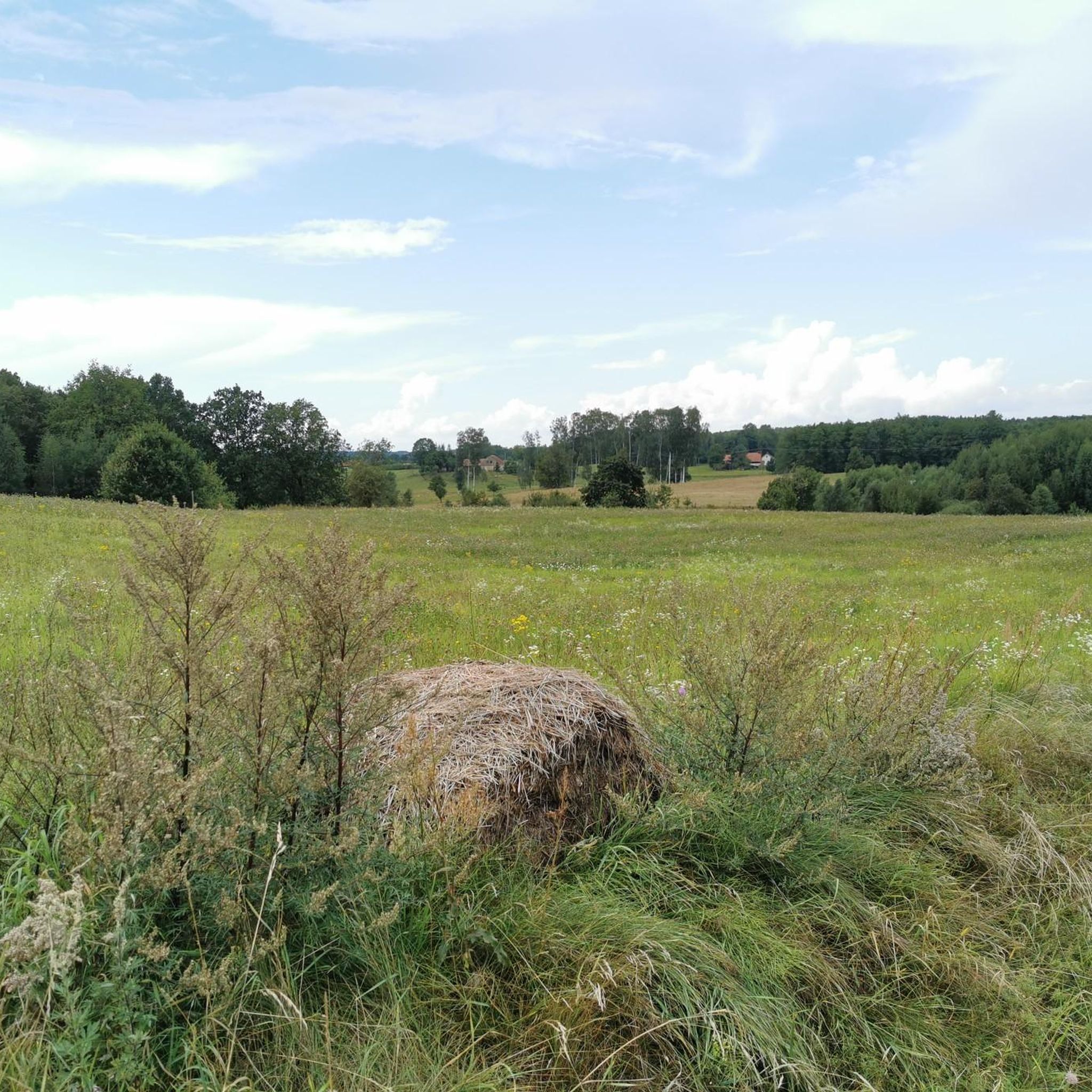
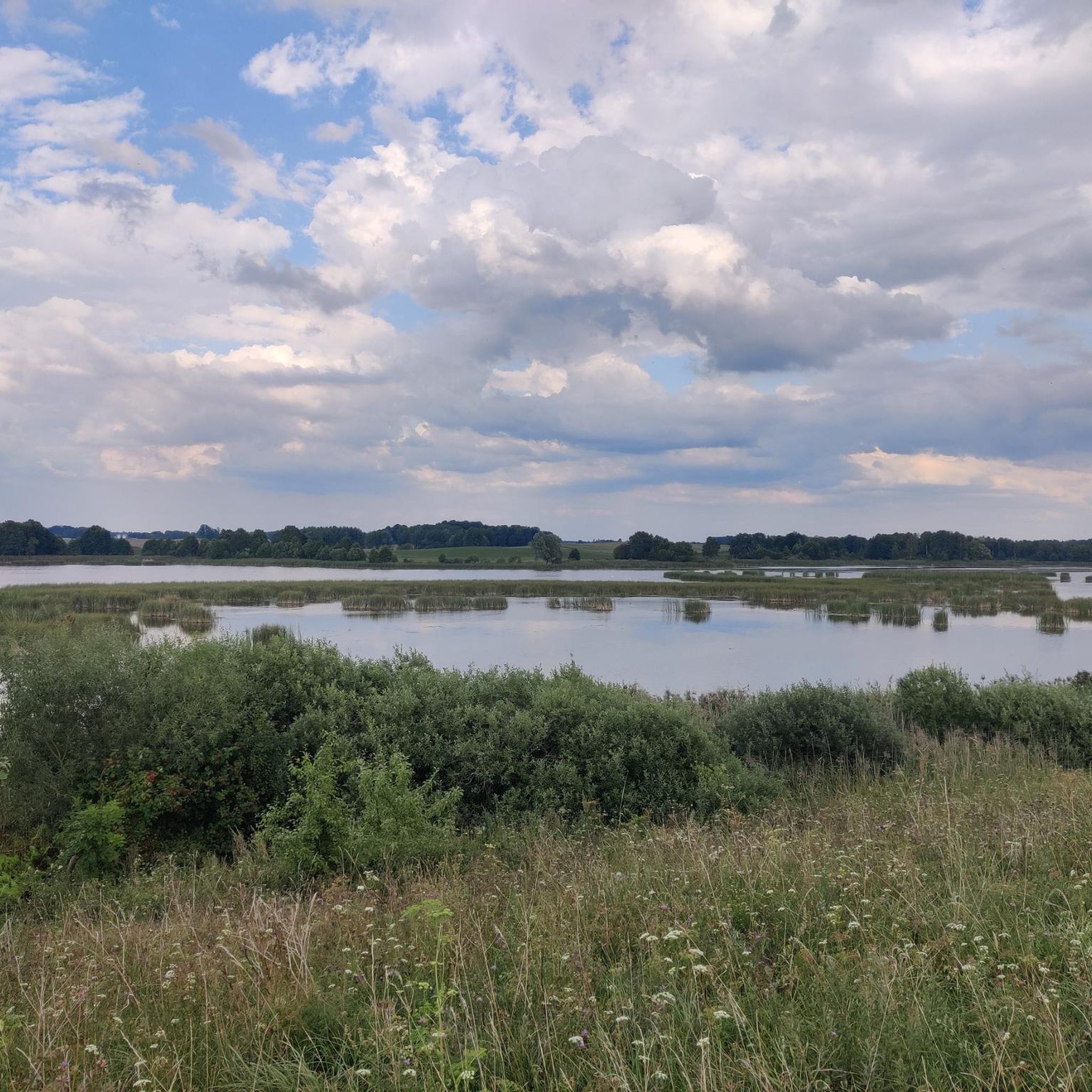
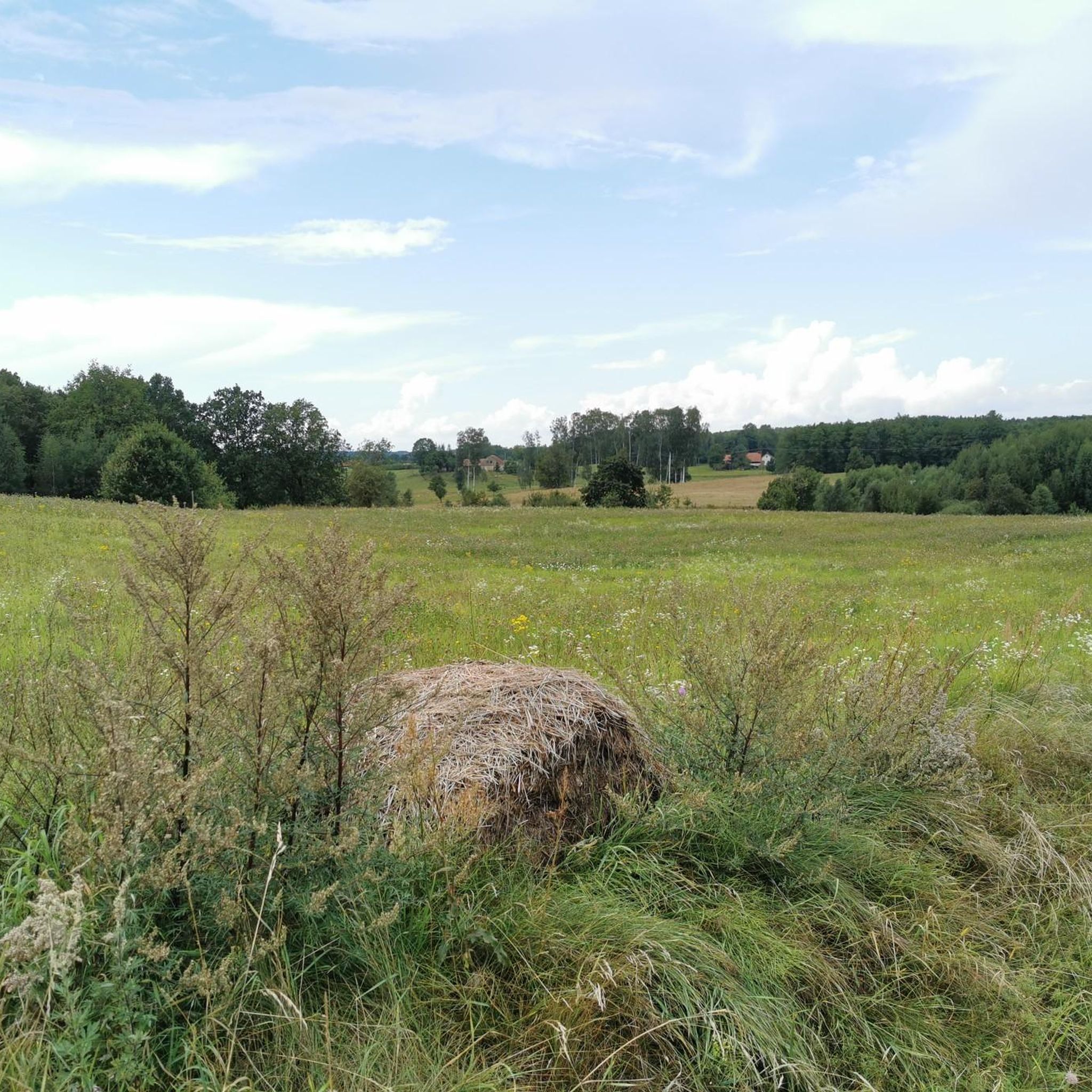
Touring cycling around Sorkwity is characterized by a post-glacial landscape featuring numerous large lakes and extensive forest complexes. The village is situated on a narrow strip of land between Lake Gieląd and Lake Lampackie, offering lakeside views. The region also includes the Krutynia River, known for its natural appeal, and varied flora and fauna.
Best touring cycling routes around Sorkwity
- The most popular touring cycling route is Mazurian Gravel Roads – Mrągowo City Beach loop from Lembruk, a 30.9…
Last updated: September 1, 2026
4.3
(14)
42
riders
49.8km
03:21
400m
400m
Moderate bike ride. Good fitness required. Mostly paved surfaces. Suitable for all skill levels.
4.7
(6)
37
riders
51.3km
03:07
320m
320m
Moderate bike ride. Good fitness required. Mostly paved surfaces. Suitable for all skill levels.

Sign up for free
4.3
(9)
35
riders
19.4km
01:16
140m
140m
Easy bike ride. Great for any fitness level. Mostly paved surfaces. Suitable for all skill levels.
4.9
(12)
36
riders
23.6km
01:26
150m
150m
Easy bike ride. Great for any fitness level. Mostly paved surfaces. Suitable for all skill levels.
4.9
(12)
36
riders
30.3km
01:49
200m
200m
Moderate bike ride. Good fitness required. Mostly paved surfaces. Suitable for all skill levels.
Get access to more routes and recommendations from other explorers.
Sign up for free
Already have an account?
Our route recommendations are based on thousands of hikes, rides, and runs completed by other people on komoot.
Start today with a free account
Your next adventure awaits.
Login or Signup
Tips from the Community

Reasonably well-maintained, but currently not in use. No wonder, huge amounts need to be invested here. And then maintain and heat such a facility... Especially in the era of the absurd approach to energy prices and the alleged saving of the planet (in reality, it's about pushing current industrial products on us from countries that have sales problems).
0
0

Grabowo Grabowo is a village located in the Mrągowo Commune, approximately 10 km from Mrągowo. The name comes from a hornbeam grove or from Grabiński, a wealthy man who once lived in the village. The village's origins date back to 1554, when the Ryn starost, Jerzy von Diebes, sold six village lands to Bartosz Skomotz to establish a rental village. Grabowo was one of four farms leased by the Sorkwity estate, where Trakehner horses were bred until World War I.
0
0
The palace was designed to resemble a medieval fortress – it has numerous turrets, pointed arch niches and characteristic teeth
1
0
The Krutyński Bicycle Trail is a 66.8 km long cycling trail. Cyclists will cover 721 meters of ascent and 737 meters of descent.
0
0

The first mention of the church in Sorkwity dates back to 1470. Initially, it was a half-timbered building with a thatched roof.[1] The church was patronized by the owners of the existing knightly estates, which included the von Schlieben family.[2] The church was demolished at the turn of the 16th and 17th centuries, and a new church was built in its place in the Baroque style, while partially retaining the Gothic architectural character. The initiative for the construction of the current church building is associated with Dietrich von Schlieben, and work was carried out in four stages. The eastern part of the nave, along with the sacristy, was built between 1593 and 1607. The expansion was completed in 1698-1699 at the initiative of Sigismund von Egloffstein, the next owner of the Sorkwity estate. The tower was added between 1701 and 1712, and the final construction phase spanned 1750–1777, when the appearance of the windows in the nave was standardized. This Evangelical church is located on Lake Gielądzkie in the village of Sorkwity, in the Warmian-Masurian Voivodeship.
1
0
Juliusz Ulrich von Mirbach, who was 75 years old at the time, left his entire estate to his wife's nephew, Baron Bernard von Paleske, an aide-de-camp to Emperor Wilhelm II.[4] After Count Julius's death in 1921, Baron von Paleske began the reconstruction of the palace.[4] Under the supervision of Berlin architect Otto Rüger, the palace was rebuilt in 1922-1923, following the exact model of the original.[4] The estate and village remained under the management of the von Paleske family until 1945. During this time, the palace became the venue for numerous meetings of Prussian and German politicians.[3] During the war, the architecture of the complex was not destroyed and remained almost intact, while all movable property and interior furnishings were looted.[4] After the war, the estate was taken over by the local State Agricultural Farm (PGR), which converted the palace complex into a kindergarten and kindergarten warehouses, as well as offices and apartments for farm workers.[4] In 1957, the palace and part of the park were transferred to the Ursus Agricultural Machinery Plant in Warsaw, which turned it into a recreation center.[4] Since 1998, both the palace and the park have been in private hands.
1
0
A palace and park complex located in the village of Sorkwity. Built between 1850 and 1856 in the neo-Gothic style as the residence of the Prussian noble family von Mirbach, and later the related von Paleske family. The history of the village dates back to the early Middle Ages and is directly linked to its strategic location. Originally, a Prussian watchtower stood on the site of the current palace. The village's first name, Sarkewite, also derives from the Prussians, with "sargas" meaning sentinel and "wieta" meaning place.[2] Later, its defensive qualities were appreciated by the Teutonic Knights, and in 1379, the Grand Master of the Order, Winrich von Kniprode, granted the present-day site as knightly estates to the brothers Christian and Otto von Oelsen.[2] Later, a monk named Hans von Oelsen erected a wooden watchtower in Sorkwity to protect the village from Lithuanian raids.[2] In the mid-15th century, the estate was purchased by the von Schliebens, who built a brick church there, and the village remained in their possession until the 18th century.[2] After them, for a short time, between 1750 and 1804, the estate belonged to the Polish Bronikowski family, and the family's representative, Hussar Major Jan Oppeln-Bronikowski, built the first manor house in Sorkwity in 1788.[3] In 1804, the estate was purchased from the Bronikowski family by the von Mirbachs, who ushered in the estate's heyday.[2] Between 1850 and 1856, at the behest of Juliusz Ulrich von Mirbach, who was awarded the title of count in 1888,[2] a palace was built in the then-fashionable English Neo-Gothic style in Prussia.[3] The palace, built on the site of the Bronikowski manor house, was a large, two-story, castle-like red brick structure. At the same time, a fortified tower-like coach house and a landscape park were also constructed.[2] Numerous garden paths, a vineyard for the von Mirbachs' own wine production, and a family cemetery were established on the peninsula of Lampackie Lake.[4] During World War I, Russian troops under General Alexander Samsonov were stationed in the palace building. On the night of August 26-27, 1914, before the Battle and defeat at Tannenberg, the residence was burned down. Only the main walls survived the fire, while the entire interior and its decorations, as well as numerous works of art, were destroyed.
1
0

Here, people realized their dream of a windmill in Masuria. Not just any windmill; it was born of their imagination and inspired by models they had seen years before in Spain and France. In southern countries, similar buildings made of stone in a circular shape have been built for centuries. The façade was built from pebbles from the surrounding fields. Since it was impossible to place a crane on the hill, they transported each brick, stone, and beam up the hill by hand. Rolling a boulder sometimes took several hours. This explains why the construction of the entire windmill took six years. And back to the bricks... each one, including the one with the dog paw print, came from the demolition of old Masurian houses. Local materials combined with the technological ideas of the French led to the realization of a dream: a modern windmill that looks just like it did 200 years ago.
1
0
Frequently Asked Questions
How many touring cycling routes are available around Sorkwity?
There are over 50 touring cycling routes available around Sorkwity, catering to various preferences and fitness levels. These routes explore the region's unique post-glacial landscape, featuring numerous lakes and extensive forest complexes.
What is the general difficulty level of touring cycling routes in Sorkwity?
The touring cycling routes in Sorkwity offer a good mix of difficulties. You'll find over 20 easy routes, more than 25 moderate routes, and a few challenging options, ensuring there's something for every cyclist.
Are there any easy touring cycling routes suitable for beginners or families?
Yes, Sorkwity offers several easy touring cycling routes perfect for beginners or families. For example, the Zyndaki Windmill loop from gmina Sorkwity is a gentle 12.1-mile (19.4 km) trail, often completed in about 1 hour 16 minutes. Another great option is the Sorkwity Palace – Borowe on the Krutynia loop from Piłak, which is 23.5 km long and takes you through picturesque scenery.
What natural features can I expect to see while cycling around Sorkwity?
Sorkwity's landscape is defined by its post-glacial origins, offering stunning natural beauty. You'll cycle past numerous large lakes, such as Lake Gieląd and Lake Lampackie, and through extensive, compact forest complexes. The region is also home to the Krutynia River, renowned for its charm, and boasts varied flora and fauna, providing a serene and immersive natural experience.
Are there any historical landmarks or points of interest along the touring cycling routes?
Absolutely. The Sorkwity area is rich in history. Many routes pass by or are centered around the neo-Gothic Sorkwity Palace. You might also encounter historic churches, like the Evangelical church from 1695 in Sorkwity, and an interesting 19th-century viaduct. Further afield, the Reszel Castle is another prominent historical landmark accessible via some routes.
When is the best time of year to go touring cycling in Sorkwity?
The best time for touring cycling in Sorkwity is generally from spring through early autumn (May to October). During these months, the weather is most favorable, allowing you to fully enjoy the serene lake and forest landscapes. The varied flora and fauna are also at their most vibrant.
What do other touring cyclists enjoy the most about touring cycling in Sorkwity?
The touring cycling experience in Sorkwity is highly rated by the komoot community, with an average score of 4.6 stars from over 80 reviews. Cyclists often praise the serene lake and forest landscapes, the blend of historical landmarks, and the well-developed network of cycling trails that cater to various fitness levels.
Are there any touring cycling routes that offer views of the Krutynia River?
Yes, routes like the Sorkwity Palace – Borowe on the Krutynia loop from Młynik will take you towards Borowe on the Krutynia, allowing you to experience one of Poland's most charming rivers. The river is known for its natural appeal and is also popular for kayaking.
Are there any loop touring cycling trails in Sorkwity?
Yes, many of the touring cycling routes in Sorkwity are designed as loops, offering convenient starting and ending points. Examples include the Mazurian Gravel Roads – Mrągowo City Beach loop from Lembruk and the Mazurian Gravel Roads – Reszel Castle loop from Lembruk, both providing circular journeys through the region's scenic landscapes.
Can I combine touring cycling with other outdoor activities in the Sorkwity region?
Absolutely. The Masurian Lakeland, where Sorkwity is located, is an excellent destination for diverse outdoor activities. Besides cycling, the numerous lakes offer opportunities for water-based activities, and the Krutynia River is renowned for kayaking. The extensive forests are also great for hiking and exploring the varied flora and fauna.
Are there any specific routes that explore the 'Mazurian Gravel Roads'?
Yes, the region is known for its 'Mazurian Gravel Roads' loops. You can explore these on routes such as the Mazurian Gravel Roads – Mrągowo City Beach loop from Lembruk, which is a moderate 30.9-mile (49.8 km) trail, or the Mazurian Gravel Roads – Reszel Castle loop from Lembruk, a moderate 29.9-mile (48.2 km) path that passes by the historic Reszel Castle.
Most popular routes around Sorkwity
Most popular attractions around Sorkwity

Get inspired with the komoot mobile app


Explore more
Browse the best Cycling routes in other regions.
