Attractions and Places To See around Odolanów - Top 20
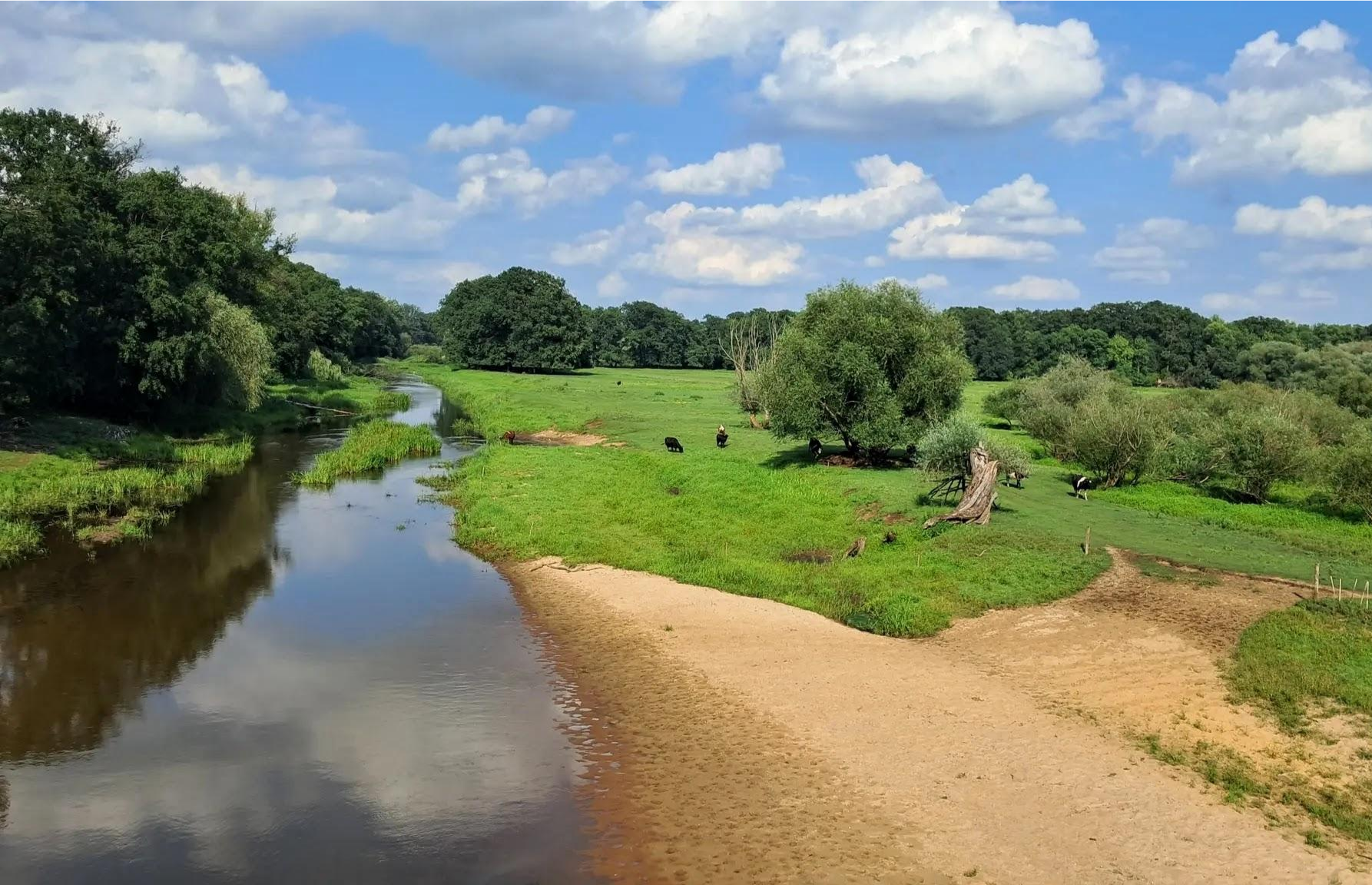
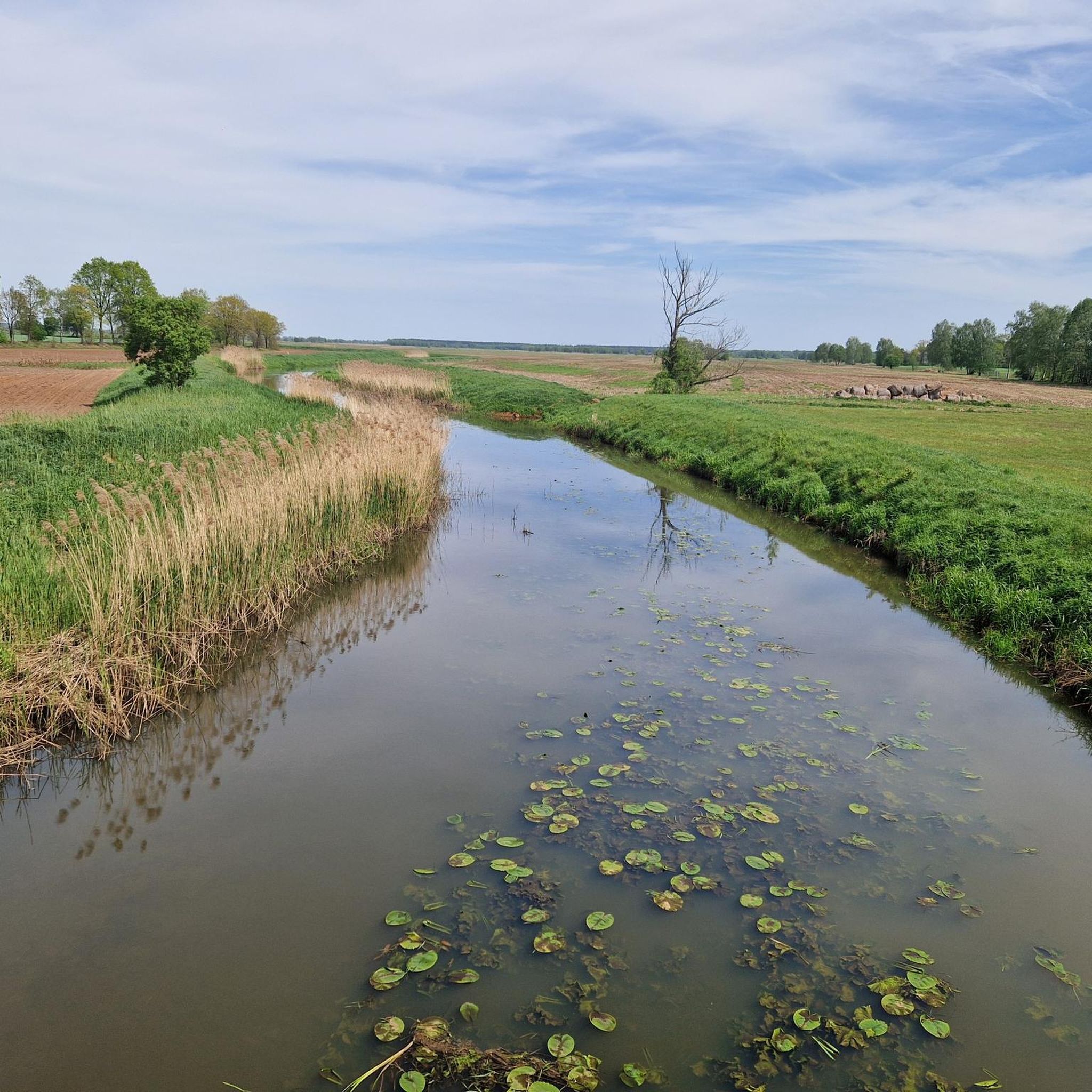
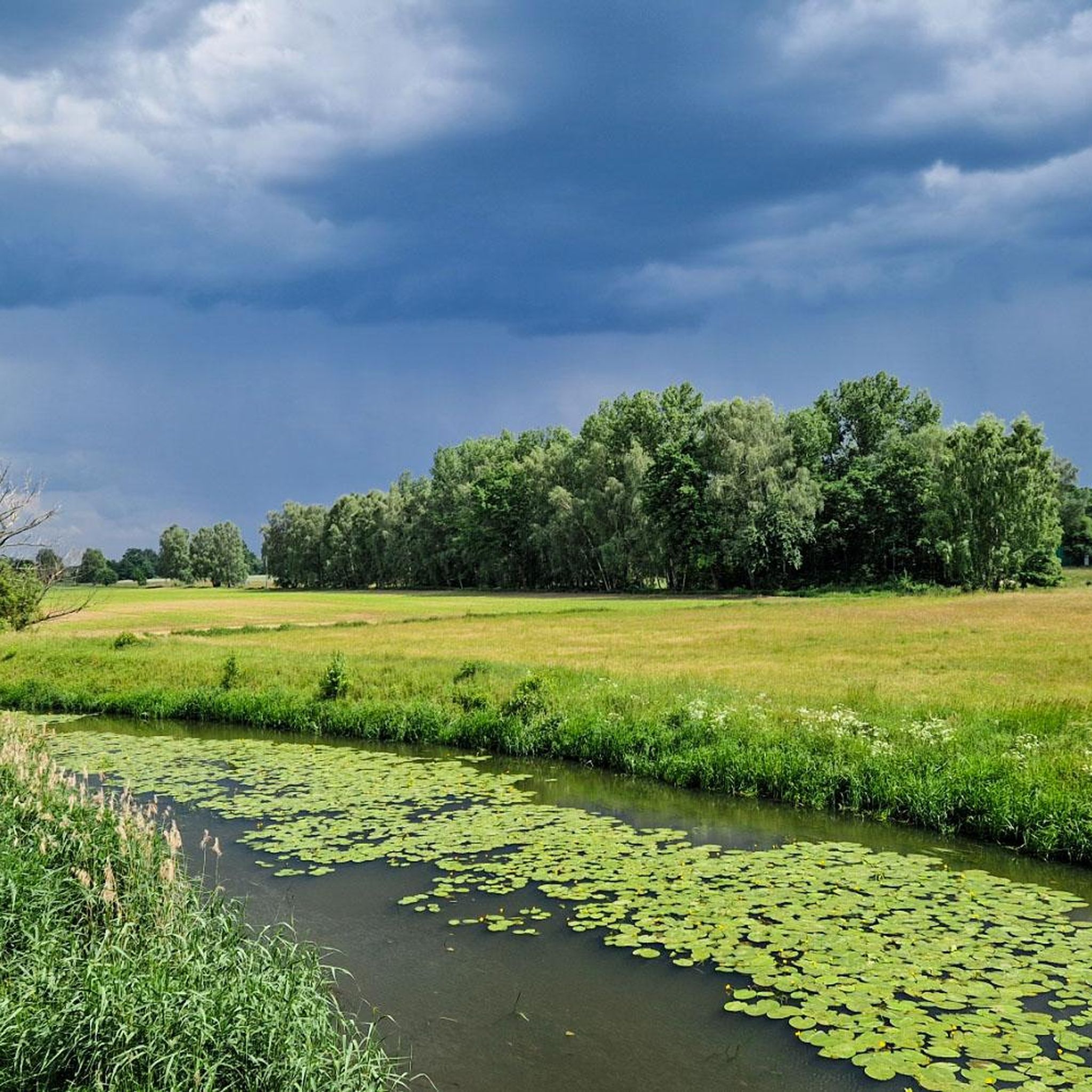
Best attractions and places to see around Odolanów, a town in south-central Poland within the Greater Poland Voivodeship, include a mix of historical landmarks, cultural sites, and natural features. The region is characterized by its diverse landscape, including parts of the Barycz Valley Landscape Park. Visitors can explore various sites that reflect the area's heritage and natural environment.
Best attractions and places to see around Odolanów
- The most popular attractions is My Will Hunting Palace, a historical site built in 1852 with a facade clad in cork oak bark. This residence served various purposes over time and is currently privately owned.
- Another must-see spot is Radziwiłł Hunting Palace in Antonin, a unique wooden historical site from 1822-1824. This palace, set in a large park, now functions as a museum and cultural center, hosting concerts and exhibitions.
- Visitors also love The "Koźlak" mill in Sulmierzyce, a historic post mill. Built in 1795, this man-made monument features its construction date visible on its flour beam.
- Odolanów is known for its historical landmarks, cultural sites, and natural features. The area offers a variety of attractions to see and explore, from palaces and mills to significant natural landscapes.
- The attractions around Odolanów are appreciated by the komoot community, with more than 25 upvotes and over 50 photos shared.
Last updated: August 25, 2026
Ostrów Wielkopolski Town Hall
Highlight • Monument
Translated by Google •
Tip by

My Will Hunting Palace
Highlight • Historical Site
The building was expanded in 1895 to include a southwestern section with a dining room, and in 1902-1903 to include a brick tower and a two-story northeastern wing. The facades of the added sections were clad with native oak bark.
During the fighting for Wrocław in 1945, the palace served as a front-line hospital. After the war, it housed the Forestry Workers' Training Center (1949-1950), and then the Forestry Vocational Training Center (1950-1951). In 1951, the first women's Forestry Technical School in Poland, named after Bolesław Bierut, was established here. In mid-1975, the school was closed. That same year, the building was added to the register of historic monuments. Since then, it has operated as a Forest Training Center at the Antonin Forest District, and later as a hotel for forestry workers. Currently, it is privately owned. Unfortunately, the building is in poor condition.
Translated by Google •
Tip by
Sign up now to discover places like this
Get recommendations on the best single tracks, peaks, & plenty of other exciting outdoor places.
Sign up for free
Radziwiłł Hunting Palace in Antonin
Highlight • Historical Site
Translated by Google •
Tip by

Co-Cathedral of St. Stanislaus, Bishop and Martyr
Highlight • Religious Site
Because the temple was built in a marshy area, a meter-thick concrete slab was poured under the church, and 200 piles were driven under the tower to a depth of 8 meters. The church is 67 m long and 33 m wide (in the transept), the height of the main nave is 14 m. The tower rises to a height of 55 m. The temple can accommodate 4,000 people. faithful. The facility was built of red semi-clinker brick, while the decorations are made of white sandstone.
The Ostrów co-cathedral is a four-span, three-nave basilica with a transept. The extensive, three-sided presbytery is surrounded by a ring of low, semi-circular apses housing a sacristy, a collator's box and auxiliary rooms. These apses are connected by a corridor and covered with mono-pitched and conical roofs. The asymmetrically situated tower is topped with a pointed four-field roof. In the main nave, transept and side aisles. a groin vault was used, and in the presbytery - a conch vault with lunettes. The walls of the main nave and aisles where the vaults rest are reinforced with buttresses, while in the transept the square towers flanking its corners serve as buttresses. The octagonal shape of the presbytery is topped with a pointed pyramidal roof.
From the west, the Ostrów co-cathedral is decorated with a portico, a rose window and arcaded niches. In the portico, the bas-relief "Annunciation" placed in the tympanum, made by an outstanding artist from Greater Poland, Władysław Marcinkowski, attracts attention. Under the colonnade of the portico you can see a beautiful sculpture "Pilgrim" from 1890, made of sandstone. The sculpture shows the figure of an old man dressed in a long pilgrim's habit, belted with a rope, with a hat on his back, crouching and hugging a rotten cross.
The interior of the church was not initially polychrome, and was colored by beautiful stained glass windows. Currently, the interior is decorated with a polychrome by Henryk Jackowski-Nostitz from 1929.
The spacious octagon-shaped presbytery is decorated with a two-level gallery with 30 sandstone columns supporting a domed vault. Figures of Polish saints and blesseds are placed on the vault of the presbytery. In its central part there is a marble altar, made by Stefan Ballenstedt in 1907, with an alabaster figure of the Virgin Mary and Child, which is adored by two angels carved by Władysław Marcinkowski. In addition to the main altar, there are 6 more altars in the church. Left aisle:
– Our Lady of Perpetual Help (in the apse).
– Saint Antoni.
Right aisle:
– Sacred Heart of Jesus (in the apse).
– Saint Joseph (formerly St. Anna, in a niche).
– Saint Teresa of the Child Jesus (in a niche).
– Our Lady of Częstochowa (in the side chapel)
The interior also includes a marble pulpit on pillars, decorated with a mosaic of St. Peter, holding a key, as well as a marble baptismal font with a forged sheet metal cover. The organ with 33 voices was built ten years before World War II by Józef Stanisławski's company from Poznań.
Translated by Google •
Tip by

The "Koźlak" mill in Sulmierzyce
Highlight • Monument
Translated by Google •
Tip by
Sign up for free to discover even more attractions around Odolanów.
Sign up for free
Already have an account?
Start today with a free account
Your next adventure awaits.
Login or Signup

Other adventures around Odolanów

Tips from the Community

The Hunting Palace of the Radziwiłł Princes in Antonin is a unique monument in southern Wielkopolska, known for its characteristic wooden architecture and picturesque location. Surrounded by a large park with a fountain, it originally served as a hunting residence for the Radziwiłł family. Today, it houses a museum and cultural center, and its interiors are used for concerts, exhibitions, and cultural events.
3
0

The post mill was built in 1795. This date is visible on its flour beam. The owner of the windmill was Jakub Kokot. In 1891, the facility was renovated. Due to the fact that this date was placed on the base under the flour mill, it should be assumed that it was dismantled at that time, perhaps even moved from another location. The last owner of the wind mill was Roman Gendziorowski. Currently, the facility is owned by the city authorities.
0
0

The windmill was built in 1795. This date appears on its flour beam. The owner of the windmill was Jakub Kokot. In 1891 the building was renovated. Due to the fact that this date was placed on the pad under the bearberry, it can be assumed that it was then dismantled, perhaps even moved from another place. The last owner of the wind mill was Roman Gendziorowski. Currently, this facility is owned by the city authorities.
0
0

A treat for history and architecture lovers. I also recommend summer Chopin concerts every Sunday. A wonderful place surrounded by a beautiful palace park.
0
0

The Hunting Palace of the Radziwiłł Princes from the 19th century. Currently a hotel.
0
0
Parish Church of St. Saint Stanisław, Bishop and Martyr was built in the years 1905-1907 according to the design of Sylwester Pajzderski, modified by Roger Sławski, in the Neo-Romanesque style (with a clear Rhine provenance). The church was built thanks to the efforts of the parish priest, Fr. Walenty Śmigielski and the parishioners, with the material support of the collector, Prince Ferdynand Radziwiłł. The cornerstone for the new church was laid in 1904. The new church was consecrated on September 30, 1906. The temple was consecrated on October 6, 1906 by Bishop Edward Likowski, later Primate of Poland in 1914-1915. With the establishment of the Kalisz diocese, it was raised to the rank of co-cathedral in the bull of John Paul II "Totus Tuus Poloniae Populus" announced on March 25, 1992. Because the temple was built in a marshy area, a meter-thick concrete slab was poured under the church, and 200 piles were driven under the tower to a depth of 8 meters. The church is 67 m long and 33 m wide (in the transept), the height of the main nave is 14 m. The tower rises to a height of 55 m. The temple can accommodate 4,000 people. faithful. The facility was built of red semi-clinker brick, while the decorations are made of white sandstone. The Ostrów co-cathedral is a four-span, three-nave basilica with a transept. The extensive, three-sided presbytery is surrounded by a ring of low, semi-circular apses housing a sacristy, a collator's box and auxiliary rooms. These apses are connected by a corridor and covered with mono-pitched and conical roofs. The asymmetrically situated tower is topped with a pointed four-field roof. In the main nave, transept and side aisles. a groin vault was used, and in the presbytery - a conch vault with lunettes. The walls of the main nave and aisles where the vaults rest are reinforced with buttresses, while in the transept the square towers flanking its corners serve as buttresses. The octagonal shape of the presbytery is topped with a pointed pyramidal roof. From the west, the Ostrów co-cathedral is decorated with a portico, a rose window and arcaded niches. In the portico, the bas-relief "Annunciation" placed in the tympanum, made by an outstanding artist from Greater Poland, Władysław Marcinkowski, attracts attention. Under the colonnade of the portico you can see a beautiful sculpture "Pilgrim" from 1890, made of sandstone. The sculpture shows the figure of an old man dressed in a long pilgrim's habit, belted with a rope, with a hat on his back, crouching and hugging a rotten cross. The interior of the church was not initially polychrome, and was colored by beautiful stained glass windows. Currently, the interior is decorated with a polychrome by Henryk Jackowski-Nostitz from 1929. The spacious octagon-shaped presbytery is decorated with a two-level gallery with 30 sandstone columns supporting a domed vault. Figures of Polish saints and blesseds are placed on the vault of the presbytery. In its central part there is a marble altar, made by Stefan Ballenstedt in 1907, with an alabaster figure of the Virgin Mary and Child, which is adored by two angels carved by Władysław Marcinkowski. In addition to the main altar, there are 6 more altars in the church. Left aisle: – Our Lady of Perpetual Help (in the apse). – Saint Antoni. Right aisle: – Sacred Heart of Jesus (in the apse). – Saint Joseph (formerly St. Anna, in a niche). – Saint Teresa of the Child Jesus (in a niche). – Our Lady of Częstochowa (in the side chapel) The interior also includes a marble pulpit on pillars, decorated with a mosaic of St. Peter, holding a key, as well as a marble baptismal font with a forged sheet metal cover. The organ with 33 voices was built ten years before World War II by Józef Stanisławski's company from Poznań.
0
0
The Town Hall stands in the middle of the Market Square. It was built in the years 1824-28 thanks to the patronage of Prince Antoni Radziwiłł according to the design of J. H. Haerbelin, an architect from the circle of Karl Friedrich Schinkel. During the reconstruction in 1862, the passage through the inner courtyard was closed. Reconstruction after the war damage, completed in 1948 and carried out according to the plans of architect Kazimierz Ulatowski, completely changed the appearance of the building. Renovated in 1977-87. It is a three-story building, built on a square plan with a small internal courtyard, secondarily roofed. The flat roofs are covered with an attic decorated with pinnacles. The façade is dominated by a turret with a pseudo-baroque dome and two lanterns. The clock with a chime inside comes from the second half of the 19th century. 19th century. Below the clock face there is the city's coat of arms. The facades - decorated with rustication on the ground floor - are crowned with a prominent crowning cornice. The main entrance leads through an arcade supporting a balcony with a stone balustrade. On its sides, on the facade wall, there are two plaques commemorating the liberation of the city from Nazi occupation and the fights of the Home Army units. Inside there is the Ostrów Wielkopolski City Museum and the Wedding Hall.
0
0
The residence was built in 1852, funded by Wilhelm, Duke of Brunswick-Olesno, according to the design of the Polish architect and engineer Karłowski. The palace's facade is clad with rectangular sheets of cork oak bark imported from Portugal. The building was expanded in 1895 to include a southwestern section with a dining room, and in 1902-1903 to include a brick tower and a two-story northeastern wing. The facades of the added sections were clad with native oak bark. During the fighting for Wrocław in 1945, the palace served as a front-line hospital. After the war, it housed the Forestry Workers' Training Center (1949-1950), and then the Forestry Vocational Training Center (1950-1951). In 1951, the first women's Forestry Technical School in Poland, named after Bolesław Bierut, was established here. In mid-1975, the school was closed. That same year, the building was added to the register of historic monuments. Since then, it has operated as a Forest Training Center at the Antonin Forest District, and later as a hotel for forestry workers. Currently, it is privately owned. Unfortunately, the building is in poor condition.
5
0
Frequently Asked Questions
What historical landmarks can I explore around Odolanów?
The region boasts several significant historical sites. You can visit the unique wooden Radziwiłł Hunting Palace in Antonin, which now serves as a museum and cultural center. Another notable site is The "Koźlak" mill in Sulmierzyce, a historic post mill built in 1795. Additionally, the My Will Hunting Palace, built in 1852 with a distinctive cork oak bark facade, offers a glimpse into the area's past.
Are there any notable religious buildings in the Odolanów area?
Yes, the Co-Cathedral of St. Stanislaus, Bishop and Martyr, built in Neo-Romanesque style between 1905-1907, is a prominent religious landmark. Other historical churches include the Wooden Church of St. Barbara in Odolanów-Górka, dating back to 1784, and the Church of St. Martin, constructed between 1790 and 1794.
What natural attractions are there near Odolanów?
The most significant natural feature is the Barycz Valley Landscape Park, a vast protected area known for its rich flora and fauna, including fish ponds, peat bogs, and meadows. A substantial portion of this park falls within the Odolanów municipality, offering excellent opportunities for nature observation, especially birdwatching in areas like the Odolanów meadows near Garki and Boników.
What kind of outdoor activities can I do around Odolanów?
The area is ideal for both hiking and cycling. You can find various routes, including easy hikes around Odolanów and more extensive hiking trails. For cyclists, there are numerous cycling routes around Odolanów that allow you to explore the scenic landscapes, including the Odolanów Nature Park.
Are there family-friendly attractions in Odolanów?
Many of the historical sites are suitable for families. The Radziwiłł Hunting Palace in Antonin, with its museum and cultural events, is a great option. The historic "Koźlak" mill in Sulmierzyce and the Co-Cathedral of St. Stanislaus are also listed as family-friendly. The natural parks offer space for children to explore and enjoy the outdoors.
Where can I find easy hiking trails near Odolanów?
For easy hiking options, consider routes like the Antonin - Hunting Palace loop from Antonin or Ludwików, and the Kąpielka Swimming Area loop from Raszków. You can find more details and other beginner-friendly trails in the easy hikes around Odolanów guide.
What is the Odolanów Town Hall known for?
The Odolanów Town Hall is a two-story Neo-Gothic building constructed between 1898 and 1899. It features a plaque on its exterior that honors the insurgents of the Spring of Nations in 1848, making it a site of historical significance within the town.
Can I visit the Water Tower in Odolanów?
Yes, the Water Tower, located on the outskirts of Odolanów, is a 28-meter-tall structure built in 1903. It remains operational today despite numerous modernizations and is a notable landmark in the area.
What makes the Barycz Valley Landscape Park special for wildlife?
The Barycz Valley Landscape Park is renowned for its exceptional biodiversity. It is home to 121 plant communities, 43 protected plant species, 250 bird species (including 166 breeding species), and 51 mammal species. The area between the Kuroch River and the Świeca Canal, south of Uciechów and Raczyce, is particularly noted for its numerous nesting sites for water and marsh birds.
Is there a restored palace in the area?
Yes, the Pogrzybów Palace, originally from the mid-18th century, has been twice rebuilt and recently underwent a full restoration. It is now adapted into a cultural institution, offering a renewed historical site to visit.
What kind of cultural events can I expect in the region?
The Radziwiłł Hunting Palace in Antonin functions as a cultural center, frequently hosting concerts and exhibitions. The Former Evangelical Church in Odolanów, built in the late 18th century, also serves as a versatile venue for cultural events, conferences, exhibitions, and shows.
Most popular routes around Odolanów
Most popular attractions around Odolanów

Get inspired with the komoot mobile app


Explore more
Still not found the Highlight you’re looking for? See guides of the top attractions in other regions:
