Attractions and Places To See around gmina Sośnie - Top 20
Best attractions and places to see around gmina Sośnie, a rural administrative district in west-central Poland, offers a variety of attractions. Located in Ostrów County, Greater Poland Voivodeship, the area features historical landmarks, cultural sites, and natural landscapes. Visitors can explore a blend of historical significance, architectural heritage, and natural beauty.
Best attractions and places to see around gmina Sośnie
- The most popular attractions is Palace in Goszcz, a historical site that features the ruins of a palace complex.…
Last updated: July 1, 2026
Palace in Goszcz
Highlight • Historical Site
Translated by Google •
Tip by

Evangelical Church in Goszcz
Highlight • Religious Site
Translated by Google •
Tip by

Sign up now to discover places like this
Get recommendations on the best single tracks, peaks, & plenty of other exciting outdoor places.
Sign up for free
My Will Hunting Palace
Highlight • Historical Site
Translated by Google •
Tip by

Radziwiłł Hunting Palace in Antonin
Highlight • Historical Site
Translated by Google •
Tip by

Church of the Nativity of the Blessed Virgin Mary in Myślniew
Highlight • Religious Site
Translated by Google •
Tip by

Sign up for free to discover even more attractions around gmina Sośnie.
Sign up for free
Already have an account?
Start today with a free account
Your next adventure awaits.
Login or Signup

Tips from the Community

The Protestant castle church was built by the von Reichenbach family in 1742. The church has been unused since 1945, and as a result, valuable objects from the church have likely gone missing. The church building is currently being restored for use again.
0
0

The von Reichenbach Palace (ruins), the first palace in Goszcz, was built between 1730 and 1740 on the site of a 12th-century castle. However, it was destroyed by a massive fire in 1749. Between 1749 and 1755, a new palace was built, designed by the Silesian Baroque architect Karl Martin Frantz. The entire manor-palace complex was grouped around a rectangular courtyard, the main axis of which was the palace building. Three entrance gates led to it. Until January 1945, the building belonged to the Reichenbach family, then it was occupied by Soviet troops and subsequently placed under the management of the local administration. On Christmas Eve 1947, a fire broke out in the palace. Despite the efforts of the fire brigade, the palace burned to the ground and was never rebuilt. In 2013, the Twardogóra commune authorities renovated some of the buildings on the western side of the complex, outbuilding I, palace servants' house I and the building connecting them.
0
0

The Hunting Palace of the Radziwiłł Princes in Antonin is a unique monument in southern Wielkopolska, known for its characteristic wooden architecture and picturesque location. Surrounded by a large park with a fountain, it originally served as a hunting residence for the Radziwiłł family. Today, it houses a museum and cultural center, and its interiors are used for concerts, exhibitions, and cultural events.
3
0

Church of the Nativity of the Blessed Virgin Mary from 1746. Renovated in 1974-75. In 2018, the roofs were covered with shingles. The temples were placed above a spring, which causes dampness of the floor. Wooden church, single-nave, log construction. Oriented. Smaller chancel from the nave, closed on three sides with a side sacristy. Porch on the side of the nave. Tower at the front, post-and-beam construction with walls sloping upwards and a porch in the ground floor. Topped with a Baroque, sheet metal dome with a double octagonal lantern and a cross. Double-ridge roof, covered with larch shingles with a wide eaves with a hexagonal turret for a bell tower. Topped with a pyramidal sheet metal dome with a lantern and a cross. Inside, apparent barrel vaults, slightly flattened in the chancel. On the wall, the Crucifixion Group with the date of construction of the church "1746". The choir is supported by two wooden pillars with a balustrade of a straight line, decorated with three figures on consoles. Pipe organs liquidated in 2009. The main altar and two late Baroque side altars from around the mid-18th century. Baroque pulpit with a canopy and baptismal font from the mid-18th century. Gothic figure of the Madonna and Child from the end of the 14th century. Baroque-folk processional crucifixes.
0
0

A treat for history and architecture lovers. I also recommend summer Chopin concerts every Sunday. A wonderful place surrounded by a beautiful palace park.
0
0

The Hunting Palace of the Radziwiłł Princes from the 19th century. Currently a hotel.
0
0

Count von Dohn's palace, mentioned in 1689. In the years 1730-1740, under Henry Leopold von Reichenabach, it was rebuilt by Italian builders into a two-wing, two-storey palace with a garden and a "salla terrain". In 1749, the construction of the orangery was completed. In the same year there was a fire in which the palace was destroyed. In the years 1749-1755 it was built according to a new palace designed by Karol Marcin Frantz. In the years 1886-1888, the hall, the interior of the annexes, dormers on the roofs and the north-eastern part of the building were rebuilt. connecting wing. After 1957, the orangery and the garden wing were demolished. Currently, the outbuildings are used by the population and the body of the palace is in total ruin.
1
0
The first Evangelical church was the burial chapel of the Borschnitz family, built in 1594. It was destroyed after Goszczany passed in 1605 into the hands of the Catholic von Dohn family. In the years 1633 -1637, Evangelical services were held in the parish church. During the reign of the Reichenbachs, services were first held in one of the rooms of the palace, in German and Polish (until the end of the 19th century). In 1741, Frederick II gave formal permission to hold independent Evangelical services and build a church. In 1743, the cornerstone was laid, and the church was consecrated in 1749. In 1752, two bells were hung on the tower. The church was renovated shortly before 1939, after 1945 it was no longer used. Late baroque with rococo elements.
0
0
Frequently Asked Questions
What historical landmarks can I explore in Gmina Sośnie?
Gmina Sośnie is rich in historical sites. You can visit the ruins of the Palace in Goszcz, which was rebuilt in the 18th century after a fire. Another significant site is the Evangelical Church in Goszcz, originally a 16th-century burial chapel. Don't miss the unique My Will Hunting Palace, known for its cork oak bark facade, and the distinctive wooden Radziwiłł Hunting Palace in Antonin.
Are there any unique architectural sites in Gmina Sośnie?
Yes, Gmina Sośnie features some distinctive architecture. The My Will Hunting Palace stands out with its facade covered in rectangular cork oak bark imported from Portugal. The Radziwiłł Hunting Palace in Antonin is another unique monument, known for its characteristic wooden architecture and octagonal base.
Where can I experience nature and scenic views in Gmina Sośnie?
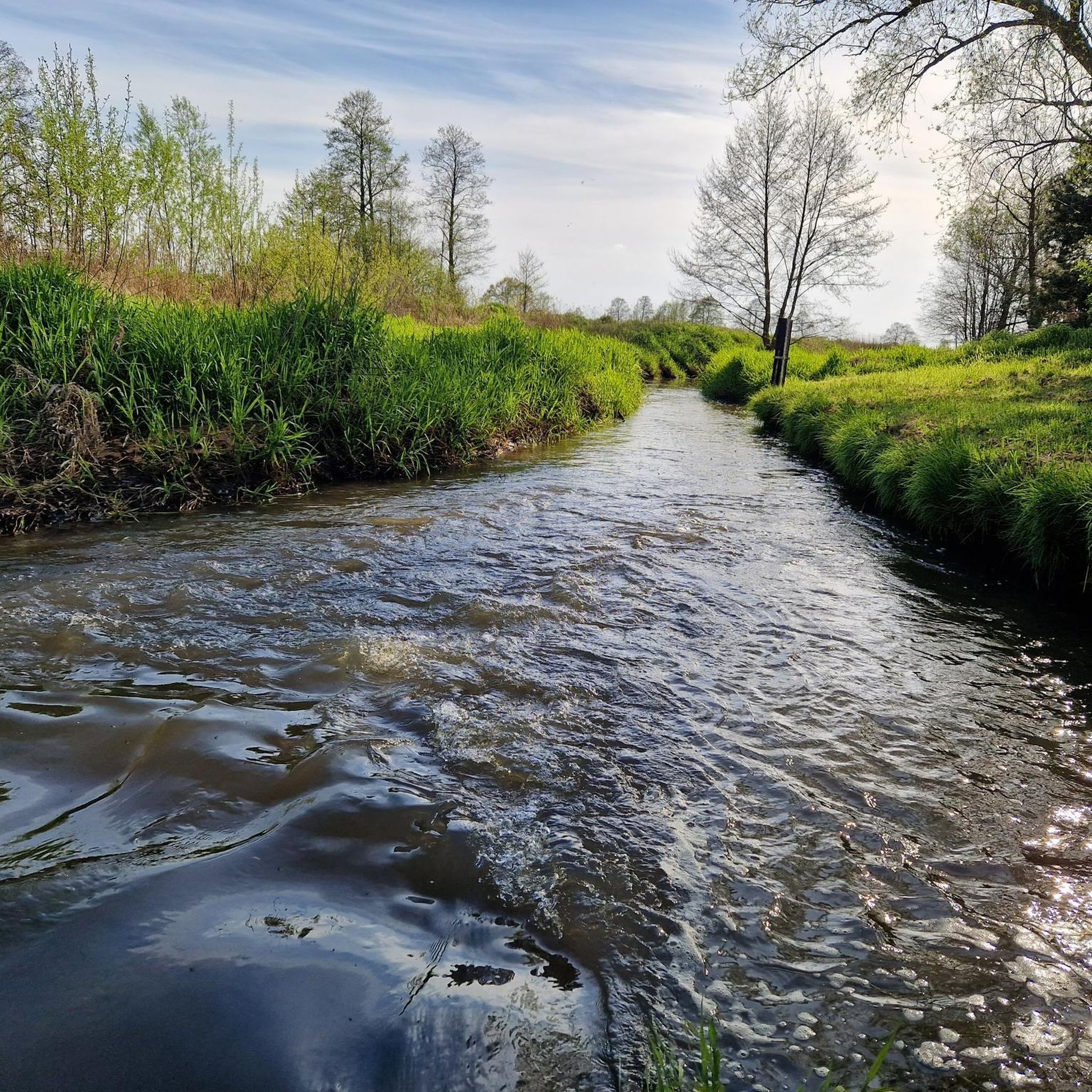
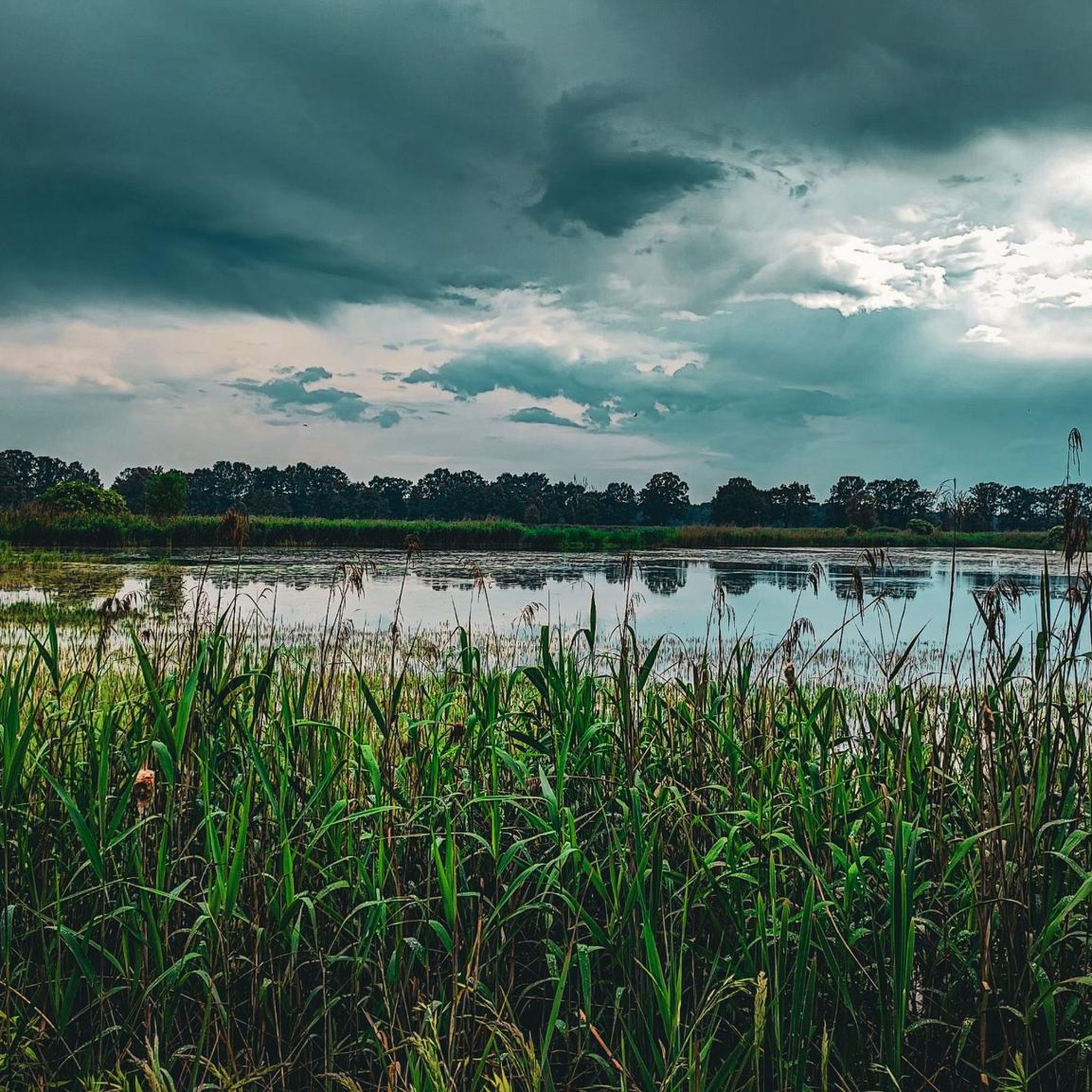
For nature lovers, Gmina Sośnie offers several spots. A significant portion of the Barycz Valley Landscape Park is located within the gmina, providing beautiful natural scenery and diverse ecosystems. You can also explore the Park Natury and visit the Wieża Widokowa Ptaków Niebieskich (Blue Birds Observation Tower) for panoramic views. The Stradomia Wierzchnia Reservoir is another natural attraction worth seeing.
What kind of outdoor activities are available around Gmina Sośnie?
The area around Gmina Sośnie is excellent for various outdoor activities. You can find numerous routes for mountain biking, road cycling, and general cycling. For detailed routes and guides, check out the MTB Trails around gmina Sośnie, Road Cycling Routes around gmina Sośnie, and Cycling around gmina Sośnie guides.
Are there family-friendly attractions in Gmina Sośnie?
Yes, the Radziwiłł Hunting Palace in Antonin is considered family-friendly. It's surrounded by an expansive park with a fountain, offering space for children to explore. The palace also functions as a museum and cultural center, hosting various events that can be engaging for families.
What religious sites can I visit in the area?
Gmina Sośnie has several historical religious buildings. The Evangelical Church in Goszcz, with its late Baroque and Rococo elements, has a history dating back to 1594. Another notable site is the Church of the Nativity of the Blessed Virgin Mary in Myślniew, a unique wooden church from 1746.
What do visitors enjoy most about the attractions in Gmina Sośnie?
Visitors to Gmina Sośnie appreciate the blend of historical significance, architectural heritage, and natural beauty. The komoot community has shared over 60 photos and given more than 50 upvotes across the various highlights, indicating a strong positive reception for the diverse attractions available.
Can I find hiking trails near the attractions in Gmina Sośnie?
While specific hiking trails directly linked to individual attractions aren't detailed, the presence of the Barycz Valley Landscape Park and general cycling routes suggests opportunities for walking and exploring the natural surroundings. For more structured outdoor activities, consider the cycling guides which often pass through scenic areas suitable for walking, such as the Cycling around gmina Sośnie guide.
Is there a historical railway in Gmina Sośnie?
Yes, the Krośnicka Kolej Wąskotorowa (Krośnice Narrow-Gauge Railway) is listed as a point of interest in the region, offering a historical and scenic ride for those interested in railway heritage.
What is the history of the Palace in Goszcz?
The Palace in Goszcz has a rich history. The first palace was built between 1730 and 1740 on the site of a 12th-century castle but was destroyed by fire in 1749. A new palace, designed by Silesian Baroque architect Karl Martin Frantz, was constructed between 1749 and 1755. Although it suffered another fire in 1947 and was never fully rebuilt, its ruins and remaining outbuildings offer a glimpse into its past grandeur.
Are there any places to see wildlife or observe birds in Gmina Sośnie?
Given that Gmina Sośnie includes a portion of the Barycz Valley Landscape Park, an area known for its diverse ecosystems, it's likely to offer opportunities for wildlife and bird observation. The presence of the Wieża Widokowa Ptaków Niebieskich (Blue Birds Observation Tower) specifically suggests a focus on birdwatching in the region.
Most popular routes around gmina Sośnie
Most popular attractions around gmina Sośnie

Get inspired with the komoot mobile app


Explore more
Still not found the Highlight you’re looking for? See guides of the top attractions in other regions:
