Attractions and Places To See around Großbarkau - Top 20
Best attractions and places to see around Großbarkau include its natural beauty, rural charm, and serene environment within Schleswig-Holstein. The village is characterized by green meadows, dense forests, and lakes, providing an oasis for relaxation. This setting makes the area suitable for outdoor activities such as hiking and cycling. Großbarkau offers a quiet rural life, appealing to those seeking a sustainable lifestyle and an escape from urban environments.
Best attractions and places to see around Großbarkau
- The most popular attractions…
Last updated: June 22, 2026
Hörn Bridge (Hörnbrücke) (indefinitely closed)
Highlight • Bridge
Translated by Google •
Tip by

Germaniahafen
Highlight • Structure
Translated by Google •
Tip by
Sign up now to discover places like this
Get recommendations on the best single tracks, peaks, & plenty of other exciting outdoor places.
Sign up for free
Sieversdorf Bridge
Highlight • Bridge
Translated by Google •
Tip by

Wahlstorf Manor
Highlight • Historical Site
“The Wahlstorf estate is a unique oasis where the Orient and the Occident meet in magical nature.”
The Wahlstorf estate, located in the beautiful Holstein Switzerland, …
Translated by Google •
Tip by

Kührener Teich Nature Reserve
Highlight • Natural
Translated by Google •
Tip by

Sign up for free to discover even more attractions around Großbarkau.
Sign up for free
Already have an account?
Start today with a free account
Your next adventure awaits.
Login or Signup

Tips from the Community

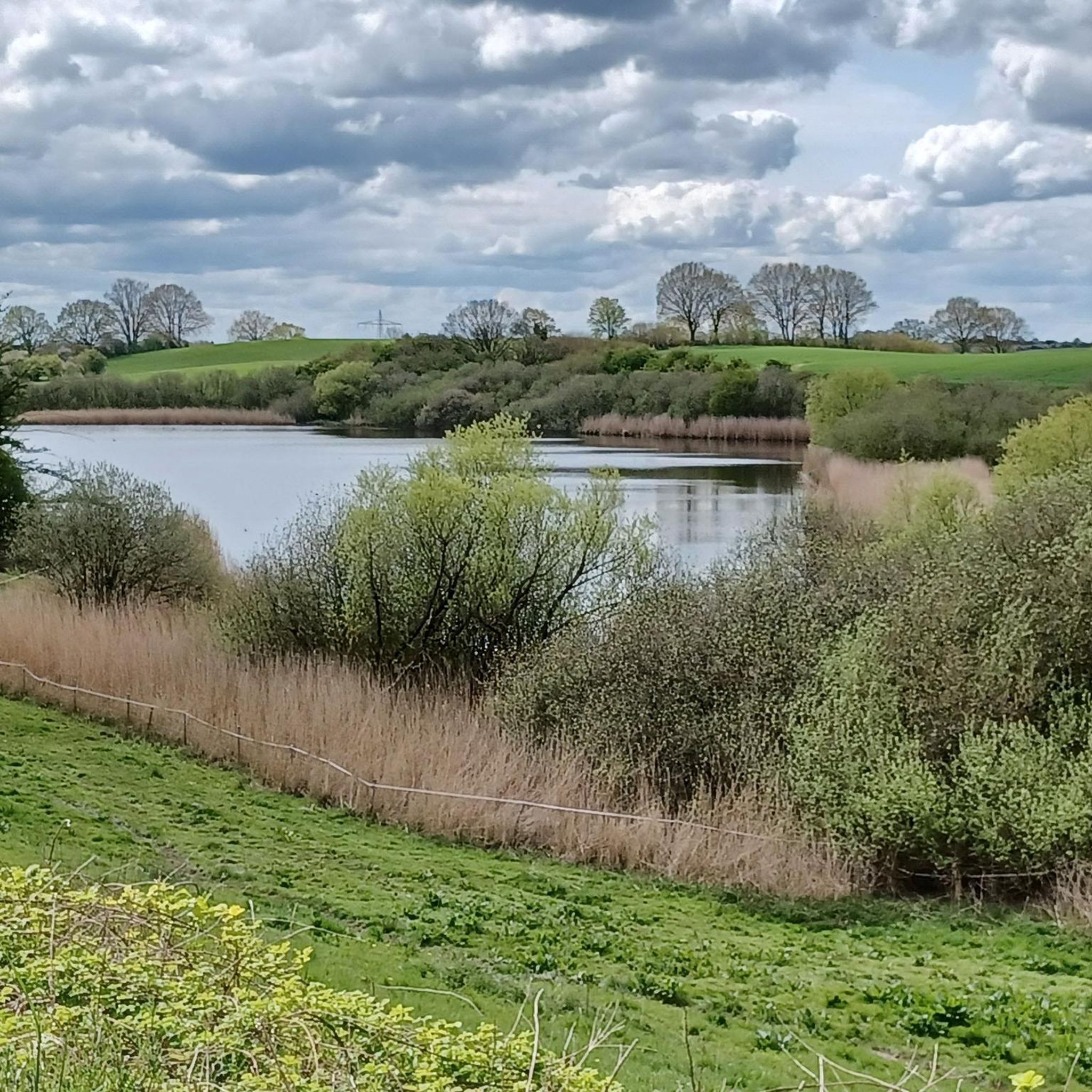
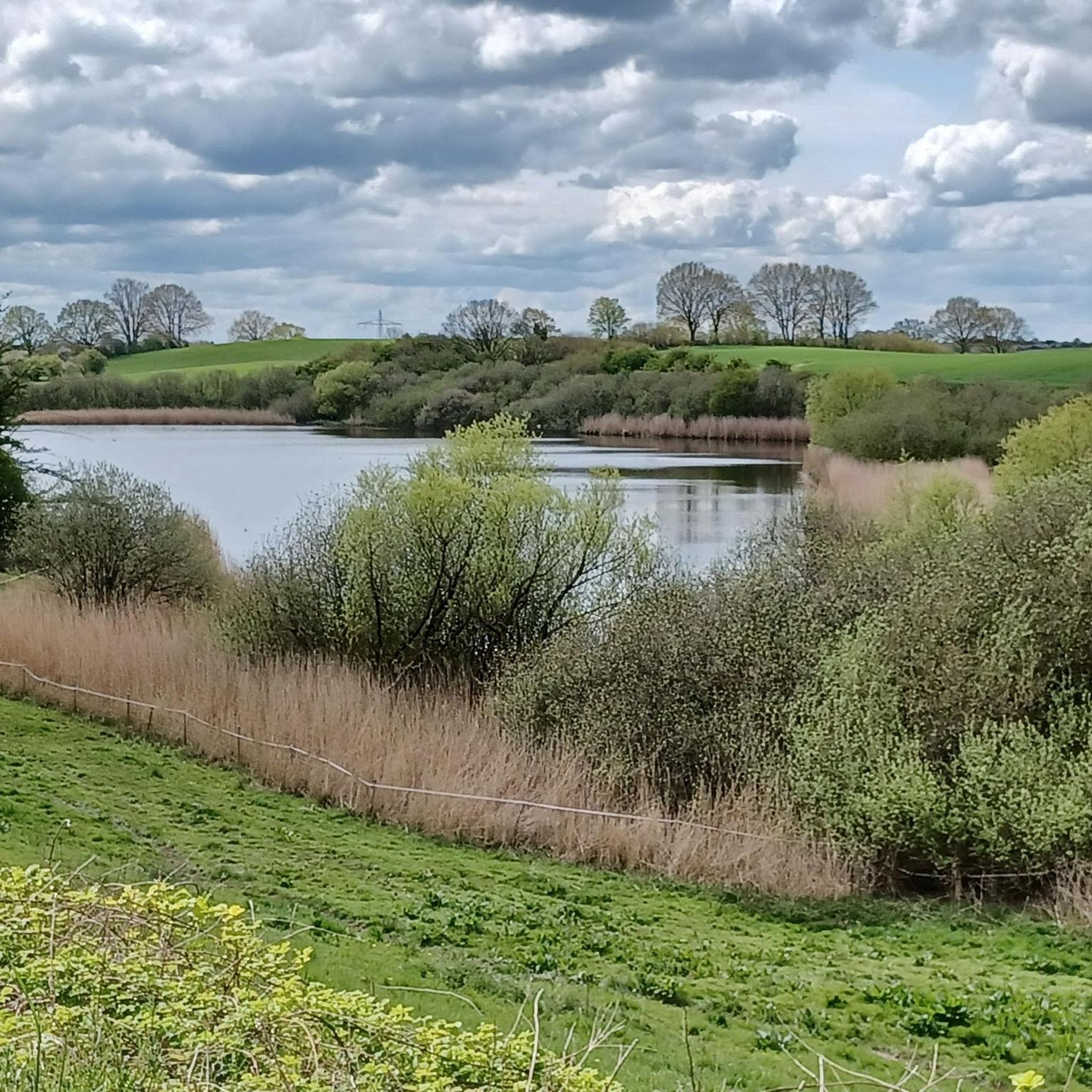
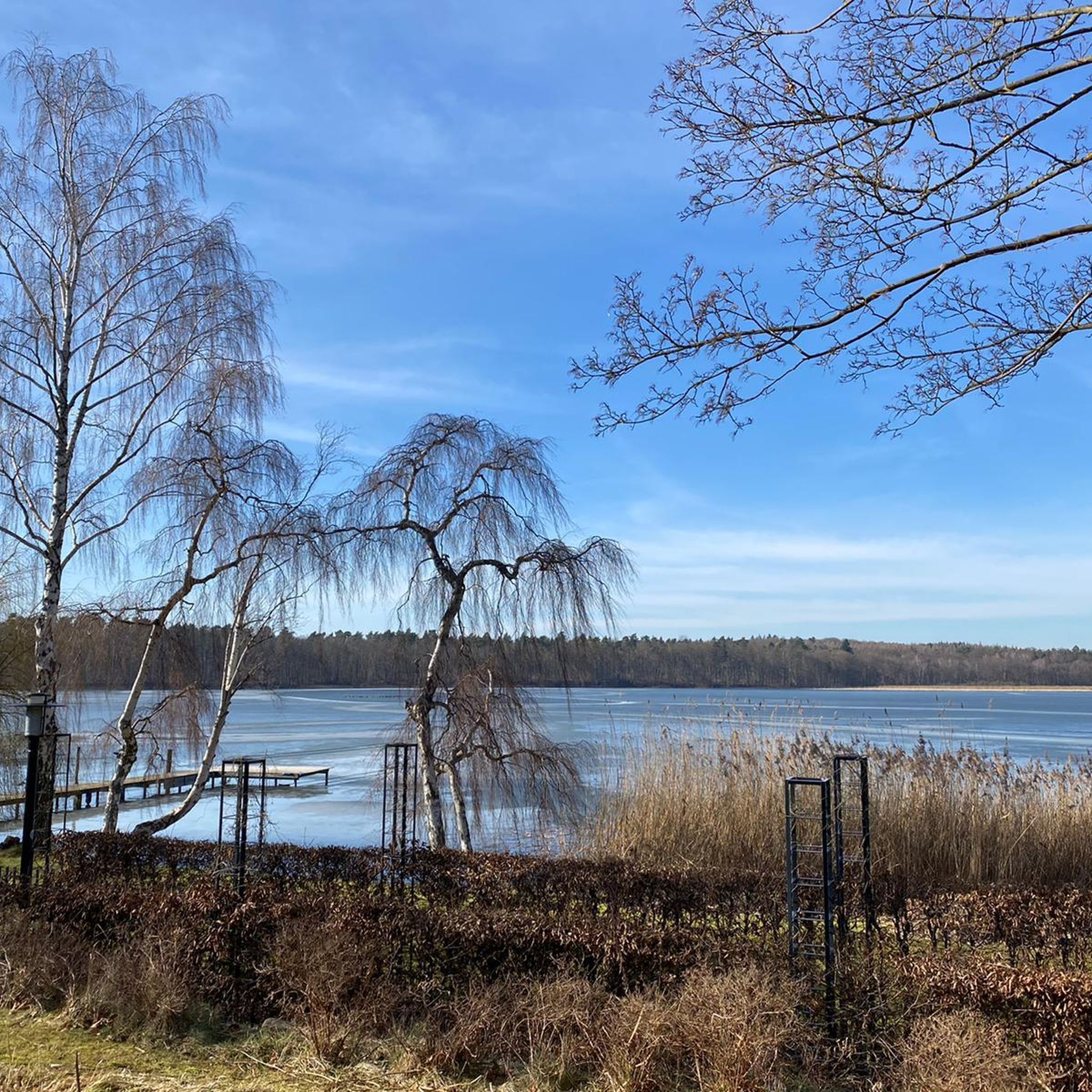
The 79-hectare "Kührener Teich and Surroundings" nature reserve, designated in 1994, lies directly south of the 207-hectare "Peninsulas and Bays in Lake Lanker" nature reserve, separated by the railway embankment. This protection safeguards two nationally important breeding, resting, and feeding areas for endangered and rare bird species, as well as for the rare fire-bellied toad. The core of the nature reserve is the 40-hectare fish pond, which is on average only half a meter deep and drains into Lake Lanker via a dam on the northern edge. North of the path, which runs along a narrow ridge, a species-rich, wet lowland area extends to the railway embankment. The natural water balance has been restored through damming. Large bodies of water occasionally extend here. The area is part of the European ecological network "Natura 2000" (protected habitat area and bird sanctuary). Pond management
8
2
Schleswig-Holstein's Oldest Estate "Wahlstorf Estate is a unique oasis where East and West meet in magical nature." Located in the beautiful Holstein Switzerland region, Wahlstorf Estate is one of the oldest estates in Schleswig-Holstein and a rare, well-preserved example of a 16th-century estate. With its late medieval architectural style, it is of architectural significance. The listed estate now includes the manor house, three historic barns, and a horse stable. This is where explorer, ornithologist, zoologist, film producer, painter, and writer Victor Baron von Plessen (1900-1980) lived. He embarked on numerous expeditions to the Malay Archipelago from 1924 to 1938. Wahlstorf Estate, its inventory, and the East Asian collection of Victor Baron von Plessen are now owned by the Plessen Foundation Wahlstorf. The agricultural holding of approximately 900 hectares is managed by the Gut Wahlstorf Foundation.
14
0
The municipality's name comes from the Wahlstorf estate, first documented in 1224. The manor house was built by Detlev von Thienen and served as the ancestral seat of the ancient noble Thienen family for over 300 years until they emigrated to Austria, where they still live today.
14
0

The Kirchbarkau - Preetz - Lütjenburg (KPL) narrow-gauge railway, founded in 1908, connected rural towns in the region from 1910 onwards over a distance of 41.1 kilometres with 23 stops and was used primarily for freight transport, for example for agricultural products. Despite good infrastructure and regular transport, it was not economically viable, so passenger transport was initially discontinued and then all operations were discontinued in 1938. The line was dismantled, but relics such as the Schwentine Bridge remind us of this short but significant era in regional transport history.
5
0
Oldest estate in Schleswig-Holstein “The Wahlstorf estate is a unique oasis where the Orient and the Occident meet in magical nature.” The Wahlstorf estate, located in the beautiful Holstein Switzerland, is one of the oldest in Schleswig-Holstein and a rare, well-preserved example of an estate from the 16th century. With its late medieval architectural style, it is of architectural significance. The listed estate now includes the manor house, three historic barns and a horse stable. The explorer, ornithologist, zoologist, film producer, painter and writer Victor Baron von Plessen (1900-1980) lived here, who set off on numerous expeditions to the Malay Archipelago from 1924 to 1938. The Wahlstorf estate, the inventory and the East Asian collection of Victor Baron von Plessen are now owned by the Plessen Foundation Wahlstorf. The agricultural operation of approximately 900 hectares is managed by the Foundation
17
0

Go into the NABU house, close the door and watch the birds 😉.
2
0


Just watch out for the edge when going up and down
4
1
Frequently Asked Questions
What natural features can I explore around Großbarkau?
Großbarkau is surrounded by picturesque landscapes, including green meadows, dense forests, and serene lakes, offering an oasis of peace. A significant natural highlight is the Kührener Teich Nature Reserve, a 79-hectare area important for endangered bird species and the fire-bellied toad, featuring a 40-hectare fish pond and wet lowland areas.
Are there opportunities for hiking or cycling near Großbarkau?
Yes, the natural setting around Großbarkau is ideal for outdoor activities. You can find numerous routes for various sports. For running, explore trails like the 'Sieversdorfer Bridge loop from Postfeld' or 'View of Bothkamp Lake – Eider spring in Bissee loop from Kirchbarkau'. Cyclists can enjoy routes such as 'Sieversdorf Bridge – Postsee Lakeside Cycle Route loop from Kirchbarkau' or 'View of Bothkamper See – View of Barkau Windmill loop from Kirchbarkau'. You can find more details on these and other routes in the Running Trails around Großbarkau, MTB Trails around Großbarkau, and Cycling around Großbarkau guides.
What historical sites or landmarks are there to see near Großbarkau?
You can discover several historical sites in the vicinity. The Sieversdorf Bridge is a historical bridge marking the route of the former Kirchbarkau - Preetz - Lütjenburg narrow-gauge railway, serving as a reminder of regional transport history. Additionally, the Wahlstorf Manor, located in Holstein Switzerland, is one of Schleswig-Holstein's oldest estates, showcasing rare 16th-century architecture with a manor house, historic barns, and a horse stable.
Are there family-friendly activities or attractions around Großbarkau?
Many attractions around Großbarkau are suitable for families. The Kührener Teich Nature Reserve offers opportunities for nature observation and gentle walks. The unique Hörn Bridge (Hörnbrücke) in Kiel is also considered family-friendly, providing an interesting spectacle when it opens for ships. Exploring the rural charm and green spaces of Großbarkau itself is also a pleasant family activity.
What is the best time of year to visit Großbarkau for outdoor activities?
The region around Großbarkau is beautiful year-round, but for outdoor activities like hiking and cycling, spring through autumn (roughly April to October) offers the most pleasant weather. During these months, the meadows are green, and the temperatures are ideal for exploring the natural landscapes and historical sites.
Are there any local shops or community hubs in Großbarkau?
Yes, Großbarkau fosters a strong community spirit. A notable local point of interest is the village's farm shop, which operates around the clock. It offers fresh, locally produced goods and also serves as a social hub where residents meet and interact, reflecting the village's vibrant community life.
How can I get to attractions around Großbarkau using public transport?
While Großbarkau itself offers a quiet rural escape, many nearby attractions, especially those in Kiel like the Hörn Bridge or Germaniahafen, are accessible via public transport from Großbarkau. It's recommended to check local bus schedules for connections to larger towns like Kiel or Preetz, from where further public transport options are available to specific sites.
Are there any wheelchair-accessible attractions near Großbarkau?
Yes, some attractions are noted for their accessibility. The Hörn Bridge (Hörnbrücke) and Germaniahafen in Kiel are both listed as wheelchair-accessible, offering pleasant experiences for all visitors.
What makes the Hörn Bridge in Kiel a unique attraction?
The Hörn Bridge (Hörnbrücke) in Kiel is a unique three-part folding bridge for pedestrians over the Hörn harbor. It's renowned for its unusual construction, being the only bridge in the world that operates on this three-span folding principle. It also marks the beginning or end of the 'Deutsche Fährstraße' (German Ferry Route) and offers a fascinating spectacle when it opens for shipping traffic.
Can I find viewpoints with scenic views near Großbarkau?
Yes, the region's natural beauty offers several scenic viewpoints. The Kührener Teich Nature Reserve provides tranquil views of the fish pond and surrounding wetlands. Additionally, the Hörn Bridge in Kiel offers panoramic views of the Hörn harbor and the city skyline.
Are there dog-friendly trails or attractions around Großbarkau?
The natural landscapes around Großbarkau, with its green meadows and forests, are generally welcoming for dog walks. Many of the hiking and walking routes in the area are suitable for dogs, provided they are kept on a leash where necessary to protect wildlife. Always check local signage for specific regulations in nature reserves or protected areas.
What kind of experience does the Germaniahafen in Kiel offer?
The Germaniahafen in Kiel is a vibrant harbor basin for guest sailors and traditional ships. It's located directly opposite the main train station and is easily accessible via the Hörn Bridge. The area is known for its ecological sustainability and features restaurants, music bars, offices, and apartments. It's also a venue for various events during the annual Kiel Week, offering a lively atmosphere and beautiful views of old sailing boats.
Most popular attractions around Großbarkau

Get inspired with the komoot mobile app


Explore more
Still not found the Highlight you’re looking for? See guides of the top attractions in other regions:
