Attractions and Places To See around gmina gmina Lipka - Top 20
Best attractions and places to see around gmina gmina Lipka include a mix of historical sites, natural features, and unique architectural landmarks. Located in the Złotów County of Poland, the region features forested hills, river valleys, and remnants of historical infrastructure. Visitors can explore a landscape shaped by both natural processes and centuries of human activity. The area offers diverse points of interest for those seeking to discover its heritage and natural beauty.
Best attractions and places to see around…
Last updated: July 1, 2026
St. Stanislaus Kostka Church, Radawnica
Highlight • Religious Site
Translated by Google •
Tip by

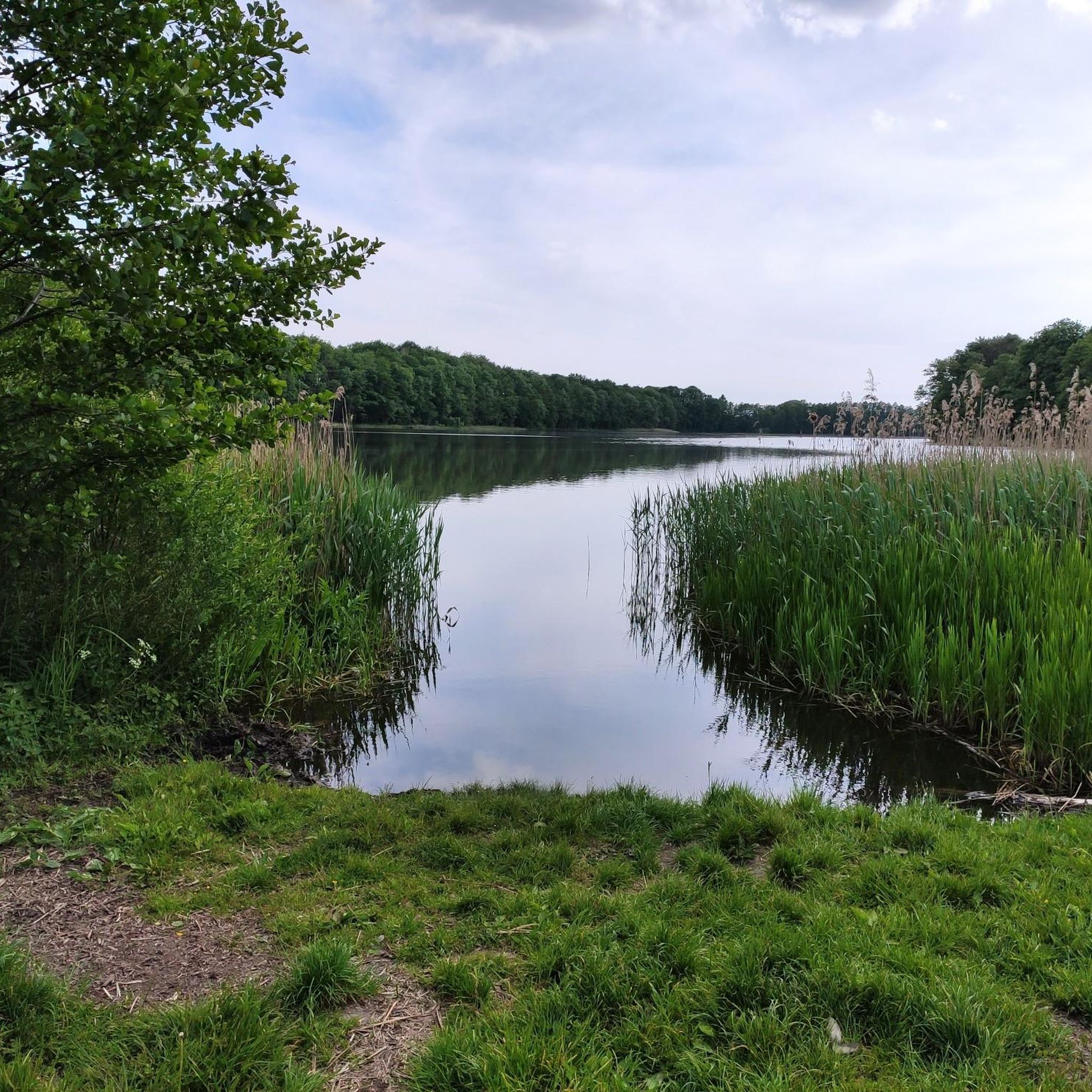
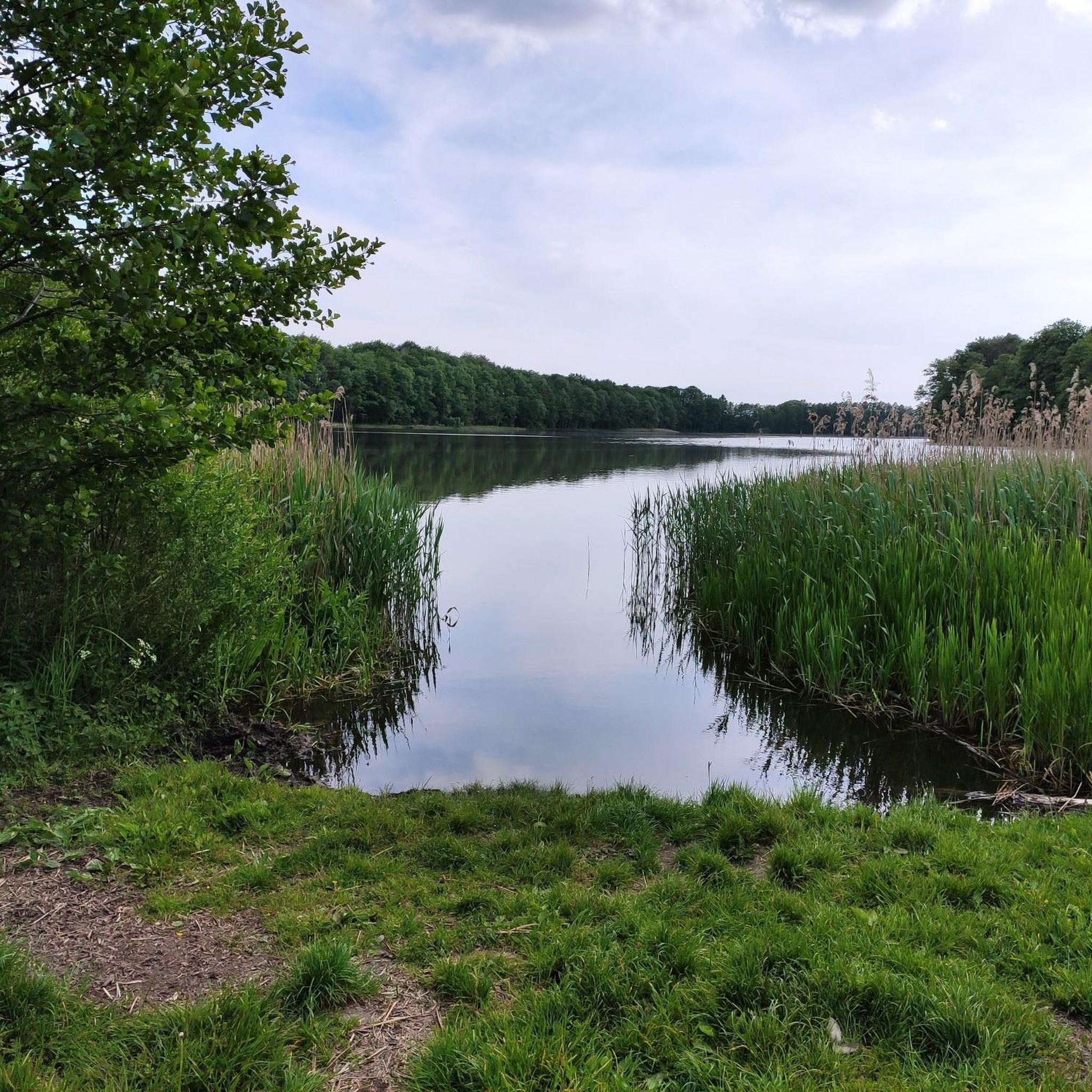
Picnic Area by Lake Leśne
Highlight • Rest Area
Translated by Google •
Tip by

Sign up now to discover places like this
Get recommendations on the best single tracks, peaks, & plenty of other exciting outdoor places.
Sign up for free
Abandoned Railway Bridge on the Więcbork–Złotów Line
Highlight • Bridge
Translated by Google •
Tip by
Debrzynka Valley
Highlight • Gorge
Translated by Google •
Tip by

The mill in Trudna and the dam on the Debrzynka River
Highlight • Structure
Translated by Google •
Tip by

Sign up for free to discover even more attractions around gmina gmina Lipka.
Sign up for free
Already have an account?
Start today with a free account
Your next adventure awaits.
Login or Signup
Tips from the Community

The mill is in the village of Trudna. Lipka (the commune seat) is a dozen or so kilometers away.
1
0

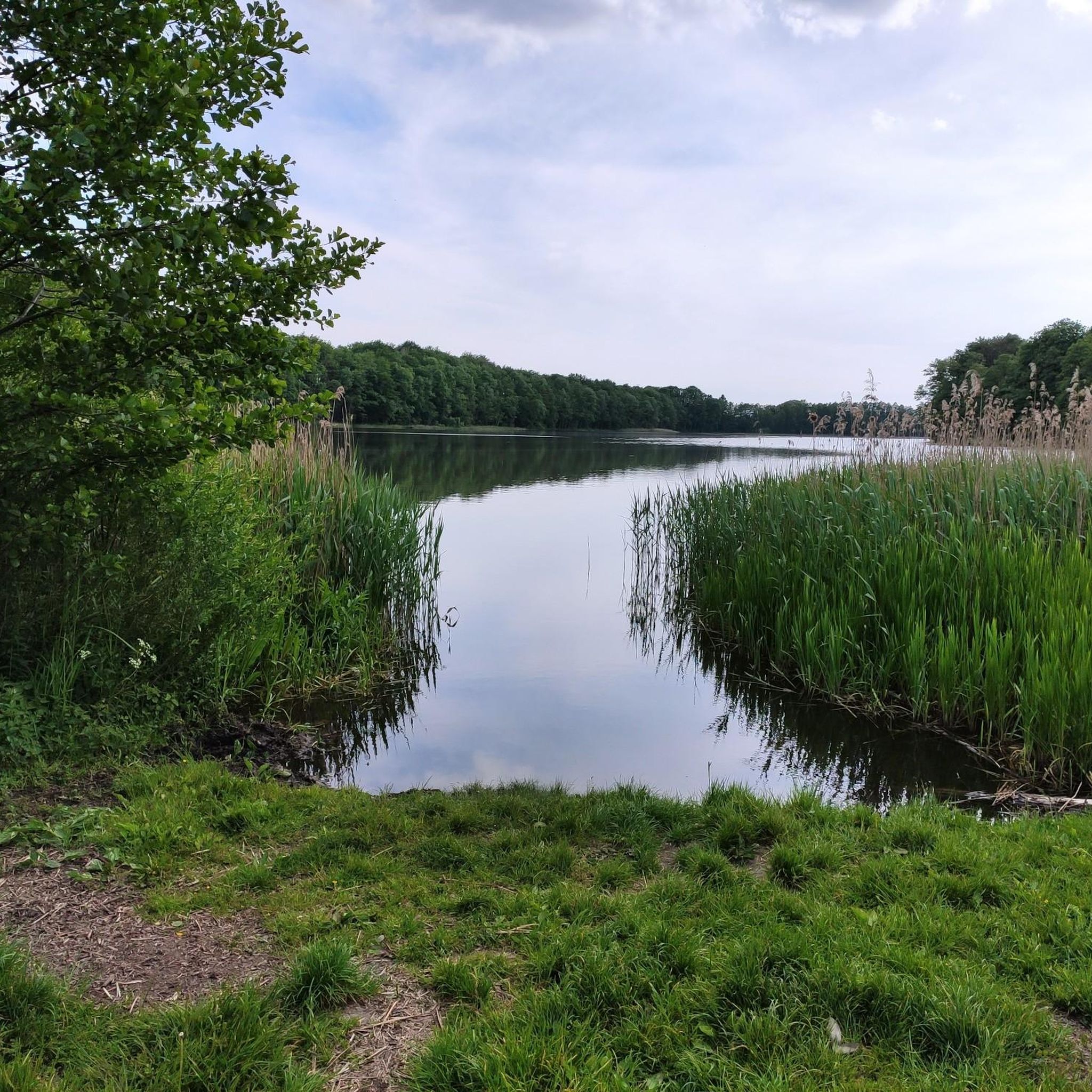
Great place for a picnic. Nice location.
1
0

A nice place on Lake Leśne. There is a beach here, but swimming is prohibited. There is also a shelter and a place for a bonfire. Theoretically, you can camp here, but you must obtain written permission from the forest inspectorate in advance. Basically, whatever you do here - it will be illegal.
1
0

Currently, the building is a residential building and could be called a loft, an apartment set up in former industrial premises. The mill was built before 1935 by the Germans. After the war, it was taken over by the local Polish authorities and expanded in the 1950s – the two upper floors were built of brick, replacing the previous, likely wooden structure. In the early 1990s, the mill was purchased by a partnership of several families from the Lipka Municipal Cooperative. In 2007, the mill was equipped with central heating, powered by a solid fuel furnace, which also provides domestic hot water. That same year, the windows on the ground floor and first floor were replaced, and the mill's machinery was removed, transforming it into a residential building. https://trudna.pl/
2
0

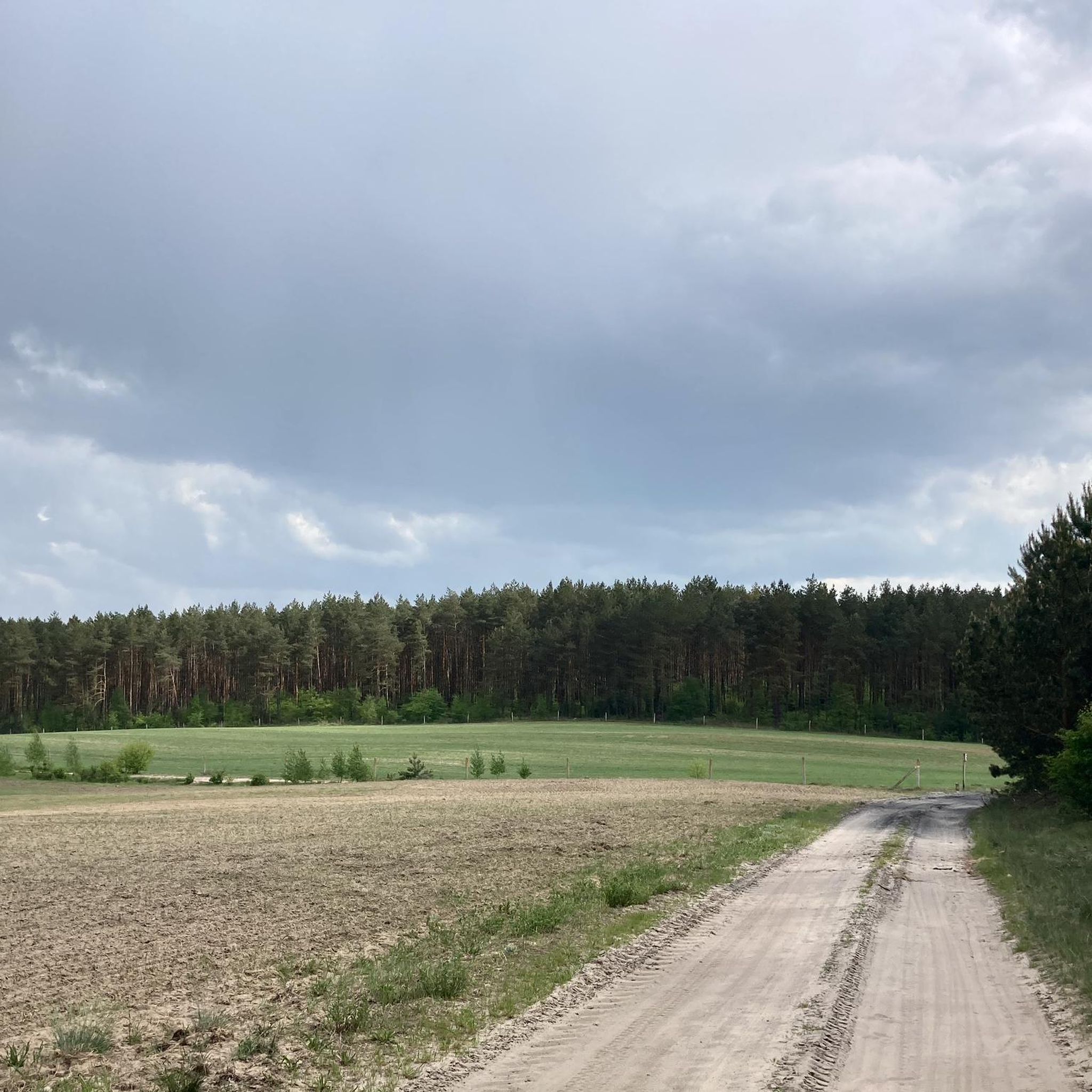
The gravel is also worth riding it. It's worth taking a camera.
3
0

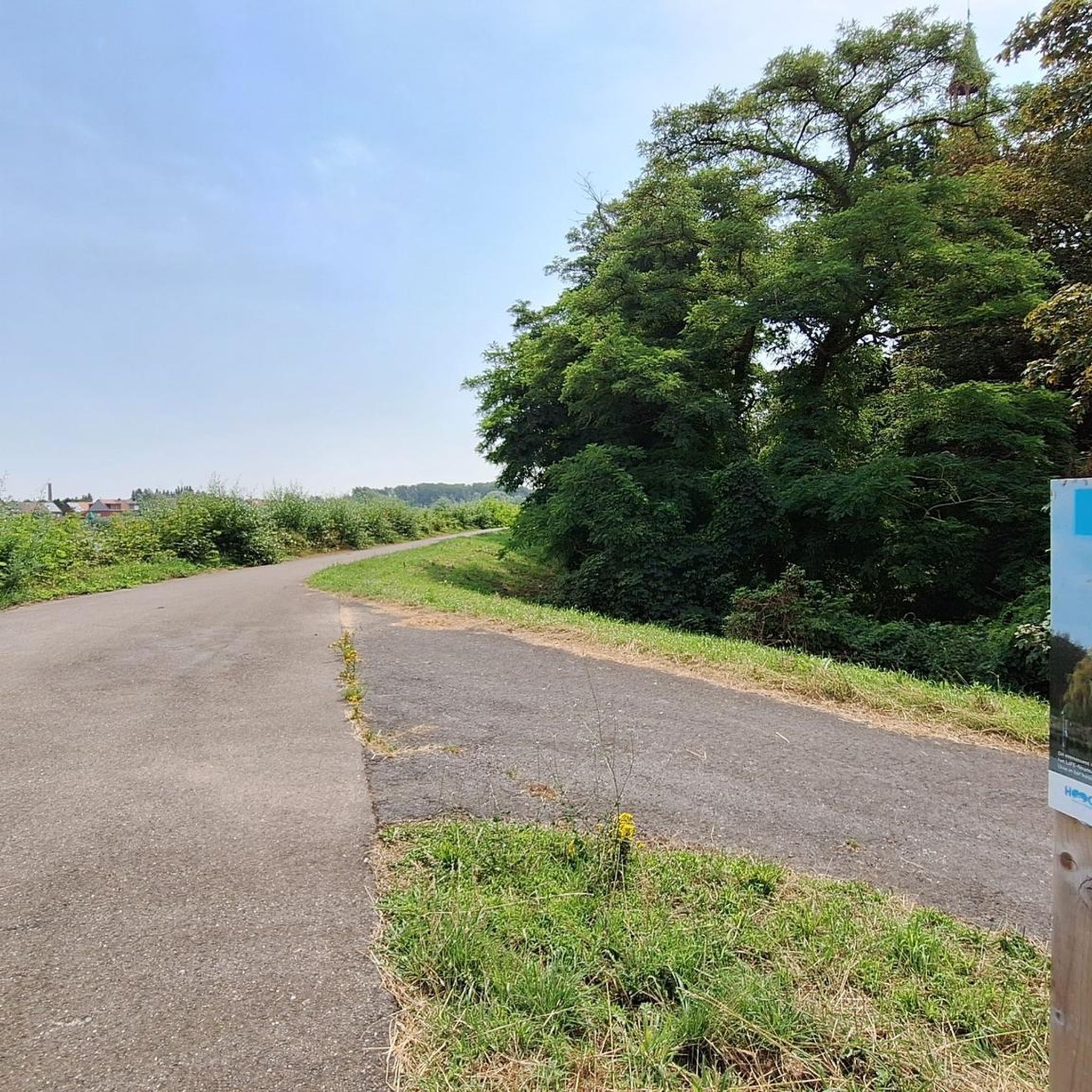
The beautiful valley. As you enter, you can be surprised by the unevenness of the terrain and its charm
2
0

In 1926, the idea of building a church was born among the evangelical population of the village of Radawnica, which received support under the so-called Eastern program. The present-day church was built in the years 1927 - 28 in the historicist style. It had 270 seats. The form of the temple refers to the granite Romanesque village churches preserved in Pomerania. It is clearly embedded in the tradition of churches built by the Settlement Commission. Only the windows were shaped in a modern way. The cornerstone blessing ceremony was held with great pomp on September 7, 1927. Its main intention was to emphasize the presence of the Germans in this Polish village. The community numbered about 500 souls, including the inhabitants of neighboring farms. The site for the construction of the church, separated from the manor park, was donated by its then owner - a German. The construction was carried out by the construction company Radtke from Złotów. After the Second World War, St. the temple was not used. The organ was moved to the Catholic Church under the invocation of st. Barbara, where there was no instrument, and the pews were changed between the churches. The Catholic parish took over the post-evangelical church as an auxiliary and it received the call of St. Stanisław Kostka.
0
0
The bridge of the closed railway line Więcbork - Złotów. Here, before the Second World War, there was a border of countries. Nearby there are buildings that once served as the headquarters of the border guard.
3
0
Frequently Asked Questions
What natural features and scenic viewpoints can I explore in Gmina Lipka?
Gmina Lipka offers several beautiful natural spots. You can visit Debrzynka Valley, known for its varied terrain and scenic views. Another highlight is Kiełpin Switzerland, with its forested hills and Góra Zamkowa, the highest peak at 168.1 meters, offering a rock-carved niche and a resting area at its base. The Gwda River also flows through the Lipka Forest District, providing picturesque views, especially where its bed widens near Podgaje and Biskupice. Don't miss the Historic Manor Park in Mały Buczek, particularly beautiful in autumn, featuring valuable tree species and a famous hornbeam avenue.
Where can I find historical and cultural sites in Gmina Lipka?
The region is rich in history. You can explore several historical churches, such as the timber-framed Church of the Good Shepherd in Batorowo (1786) and the timber-framed church in Wielki Buczek (1729-1734). The St. Stanislaus Kostka Church in Radawnica, built in a historicist style, is also notable. Other sites include the Abandoned Railway Bridge on the Więcbork–Złotów Line, which marks a former border, and the early medieval stronghold of Grodzisko near Mały Buczek.
Are there any unique architectural sites to visit in Gmina Lipka?
Yes, Gmina Lipka features distinctive architecture. The village of Laskowo is known for its well-preserved timber-framed houses, with 17 listed in the register of monuments. You can also see the Mill in Trudna and the dam on the Debrzynka River, an old mill building now converted into residences. The Palace in Scholastykowo, built between 1914 and 1918, and the nobleman's palace in Debrzno Wieś, surrounded by a large park, are also worth seeing.
Are there family-friendly attractions in Gmina Lipka?
For families, the Picnic Area by Lake Leśne is a great spot. It offers a designated area for relaxation, bonfires, and a beach, though swimming is prohibited. The Kiełpin Switzerland area also provides a pleasant setting for walks and picnics with its forested hills and a resting area with a fireplace.
What outdoor activities can I do near these attractions?
You can enjoy various outdoor activities. For hiking, explore easy trails like the 'Mural in Debrzno – Debrzno Lake Beach loop' or 'Lipka Mural loop'. Running enthusiasts can try routes around Jezioro Żuczek or Baszta Czarownic. Road cyclists have options like the 'Zakrzewo Stone Sculpture loop' or 'Rezerwat Czarci Staw loop'. Find more details on these routes in the Easy hikes around gmina gmina Lipka, Running Trails around gmina gmina Lipka, and Road Cycling Routes around gmina gmina Lipka guides.
What do visitors enjoy most about Gmina Lipka?
Visitors appreciate the blend of natural beauty and historical significance. The Picnic Area by Lake Leśne is praised as a 'nice place' and a 'great place for a picnic'. The Debrzynka Valley is noted for its 'beautiful valley' and 'charm', with recommendations to bring a camera. The historical sites, like the Abandoned Railway Bridge, offer a glimpse into the region's past.
Are there any significant historical churches to visit?
Yes, Gmina Lipka is home to several historically significant churches. The Church of the Good Shepherd in Batorowo is a valuable timber-framed church from 1786 with Baroque and Rococo elements. Another timber-framed church in Wielki Buczek, built between 1729 and 1734, houses a 17th-century painting. The St. Stanislaus Kostka Church in Radawnica, constructed in the historicist style, reflects the traditional granite Romanesque village churches of Pomerania.
Can I find any old palaces or manors in the area?
Certainly. The Palace in Scholastykowo, built by Karol Bekman between 1914 and 1918, is a beautiful small palace surrounded by a French-style park. Additionally, the village of Debrzno Wieś, historically one of the wealthiest in the area, still features a nobleman's palace with an extensive park complex.
What is Kiełpin Switzerland and what can I do there?
Kiełpin Switzerland (Szwajcaria Kiełpińska) is an area known for its beautiful, forested hills. It features Góra Zamkowa (Scholkzberg), the highest peak at 168.1 meters above sea level, which you can reach via wooden stairs. At the base of the mountain, there's a convenient resting area equipped with a fireplace and a bonfire pit, perfect for a break during your exploration.
Are there any interesting historical remnants related to railways or borders?
Yes, you can visit the Abandoned Railway Bridge on the Więcbork–Złotów Line. This bridge holds historical significance as it marked the border between countries before World War II. Nearby, you can still see buildings that once served as headquarters for border guards. Another railway bridge over the Gwda River, damaged during WWII, offers an impressive sight with its twisted trusses.
Where can I find a pleasant spot for a picnic or bonfire?
The Picnic Area by Lake Leśne is an ideal location. It provides a shelter and a designated place for bonfires. While it has a beach, swimming is not permitted. It's a great spot to relax and enjoy the outdoors.
Are there any unique natural monuments or trees in Gmina Lipka?
Gmina Lipka is particularly known for its impressive lime trees, with the name 'Lipka' itself possibly deriving from the Latin word 'Lyppa' referring to wide-stretching lime trees. You can find numerous impressive lime trees, including designated nature monuments, throughout the commune, many forming scenic avenues along the roads.
Most popular routes around gmina gmina Lipka

Get inspired with the komoot mobile app


Explore more
Still not found the Highlight you’re looking for? See guides of the top attractions in other regions:
