Attractions and Places To See around gmina Zakrzewo - Top 19
Best attractions and places to see around gmina Zakrzewo include a blend of historical landmarks, natural features, and cultural sites within the Wielkopolskie Voivodeship. The region is characterized by its 13 lakes, including Borówno and Proboszczowskie, and protected landscapes such as the Łobżonka Valley and Kujańskie Forests. Historical points of interest range from 18th-century wooden churches to preserved manor complexes and archaeological sites. This diverse landscape offers opportunities for exploring both natural beauty and historical significance.
Best attractions and places…
Last updated: May 20, 2026
St. Stanislaus Kostka Church, Radawnica
Highlight • Religious Site
Translated by Google •
Tip by

Krajna Farmstead in Złotów
Highlight • Historical Site
Translated by Google •
Tip by

Sign up now to discover places like this
Get recommendations on the best single tracks, peaks, & plenty of other exciting outdoor places.
Sign up for free
Abandoned Railway Bridge on the Więcbork–Złotów Line
Highlight • Bridge
Translated by Google •
Tip by
Górka Klasztorna Sanctuary
Highlight • Religious Site
Translated by Google •
Tip by
Debrzynka Valley
Highlight • Gorge
Translated by Google •
Tip by

Sign up for free to discover even more attractions around gmina Zakrzewo.
Sign up for free
Already have an account?
Start today with a free account
Your next adventure awaits.
Login or Signup


Tips from the Community

Górka Klasztorna. The oldest Marian sanctuary in Poland.
0
0
Ethnographic exhibition. Krajna cottage (arcade cottage) with farm buildings (cowshed, barn and forge)
1
0

The gravel is also worth riding it. It's worth taking a camera.
3
0

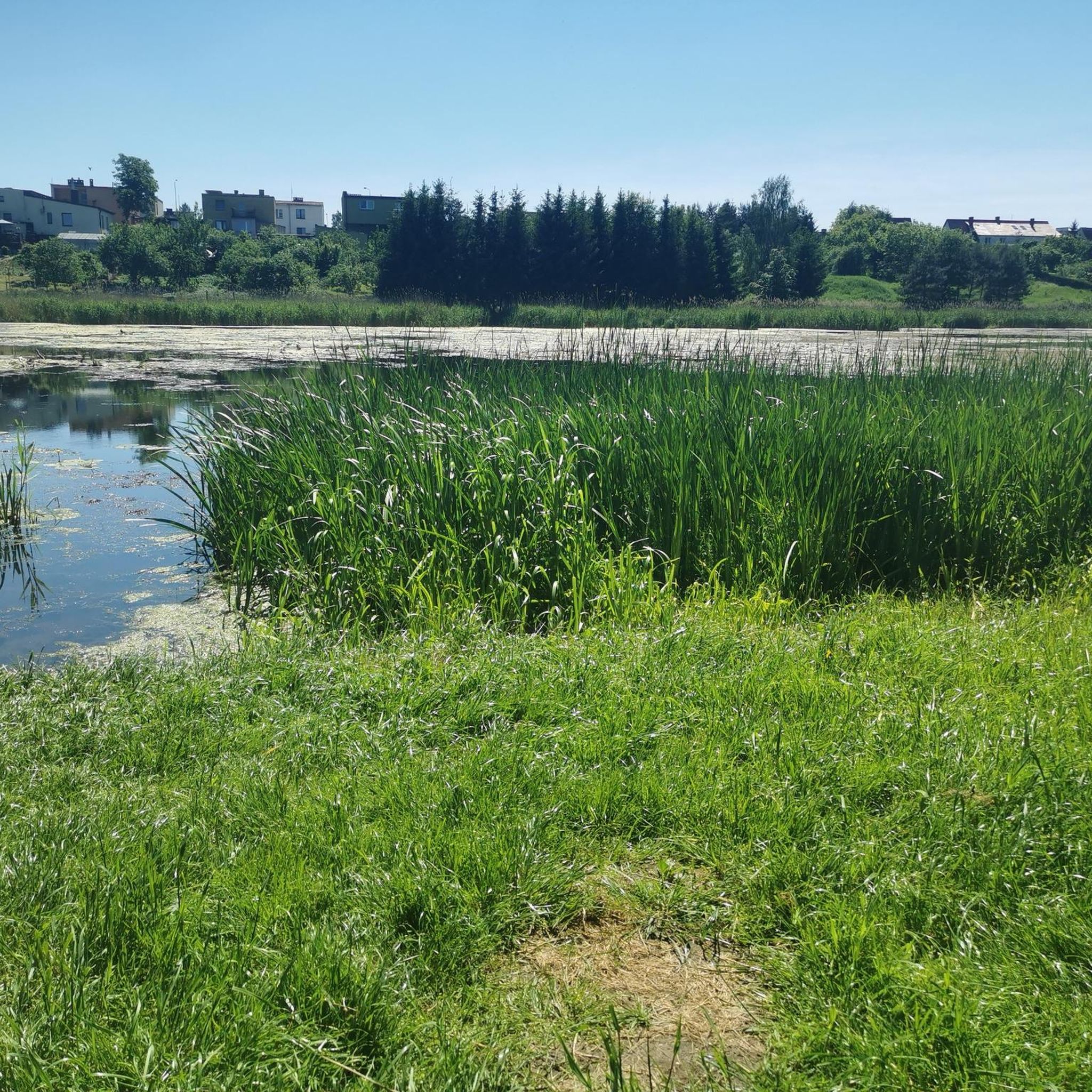
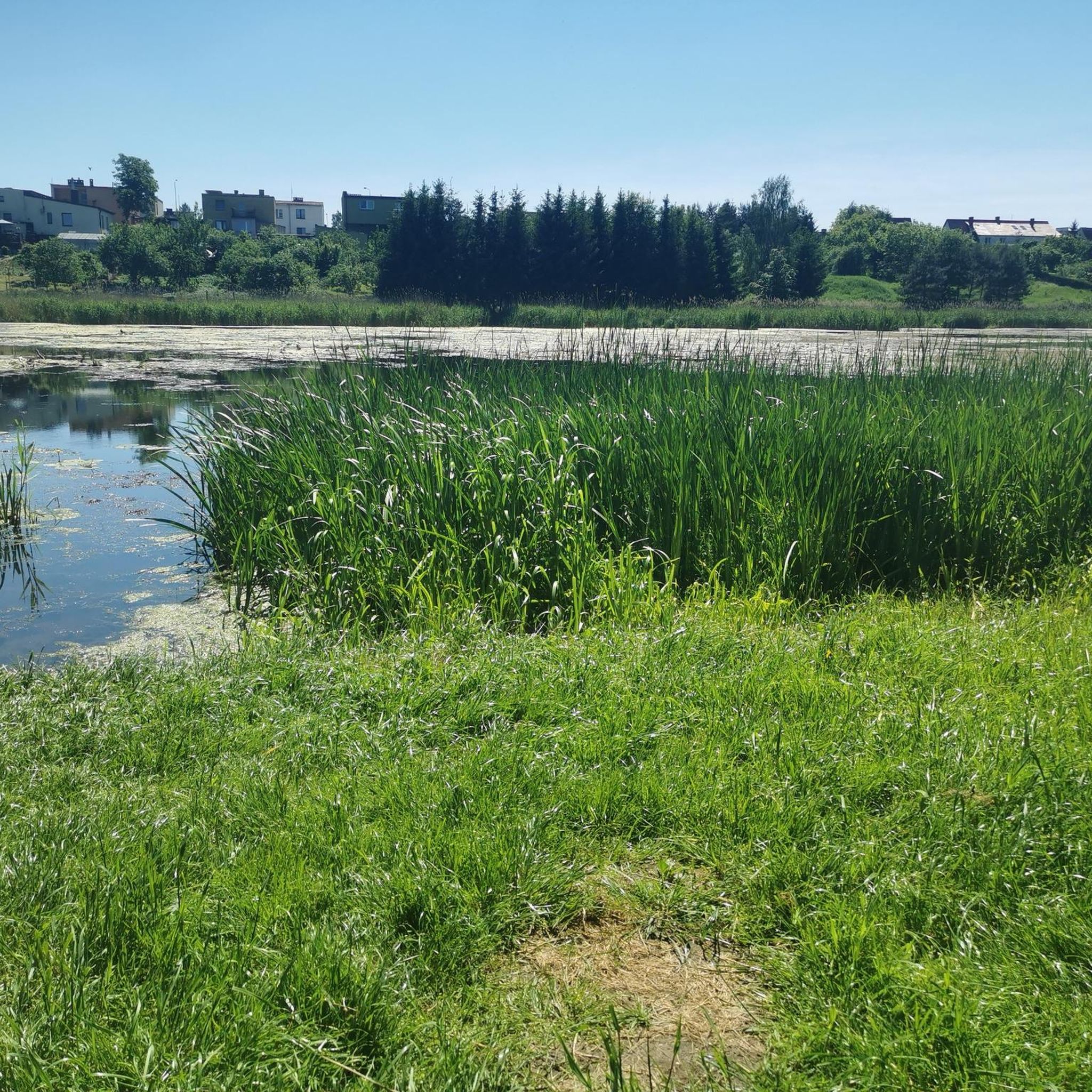
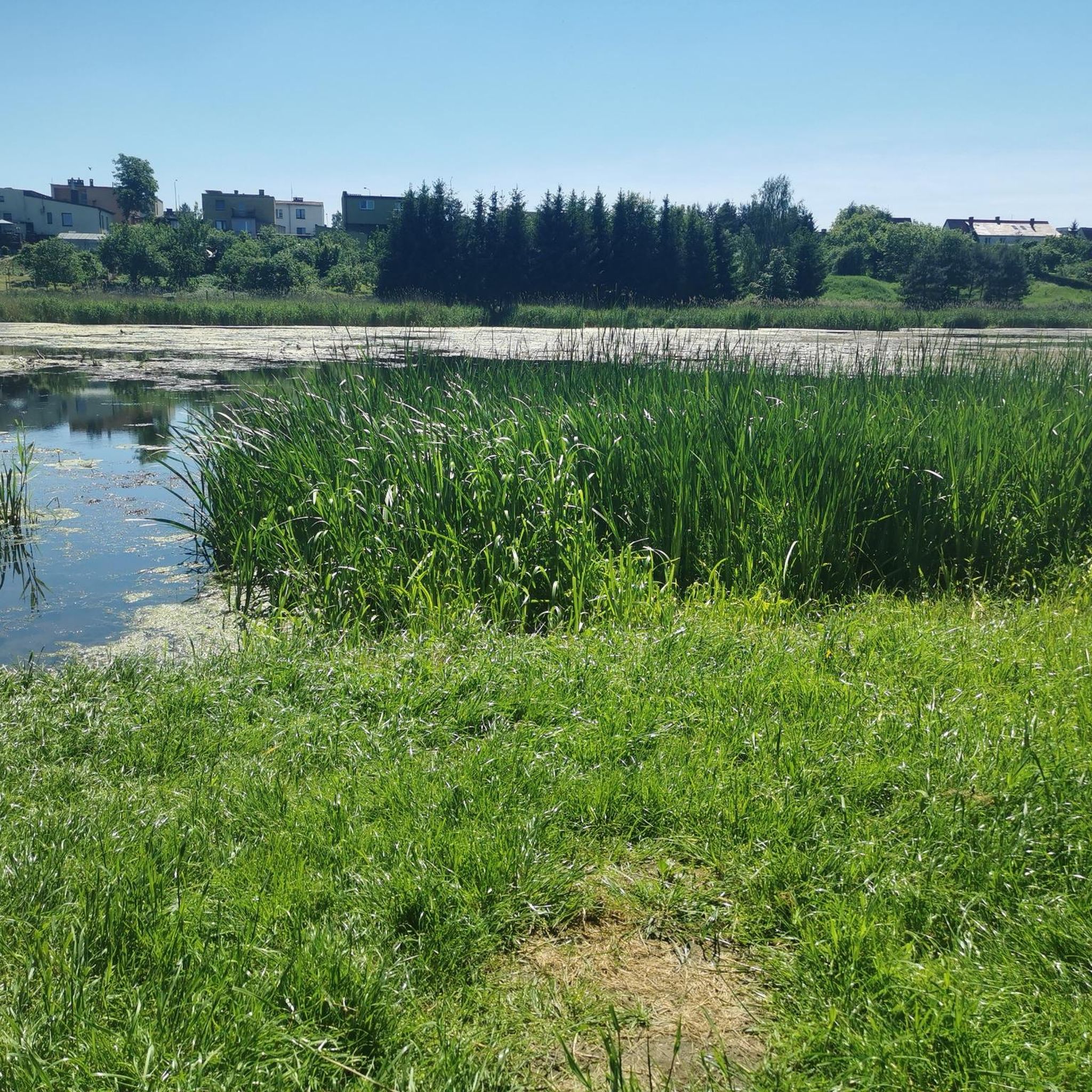
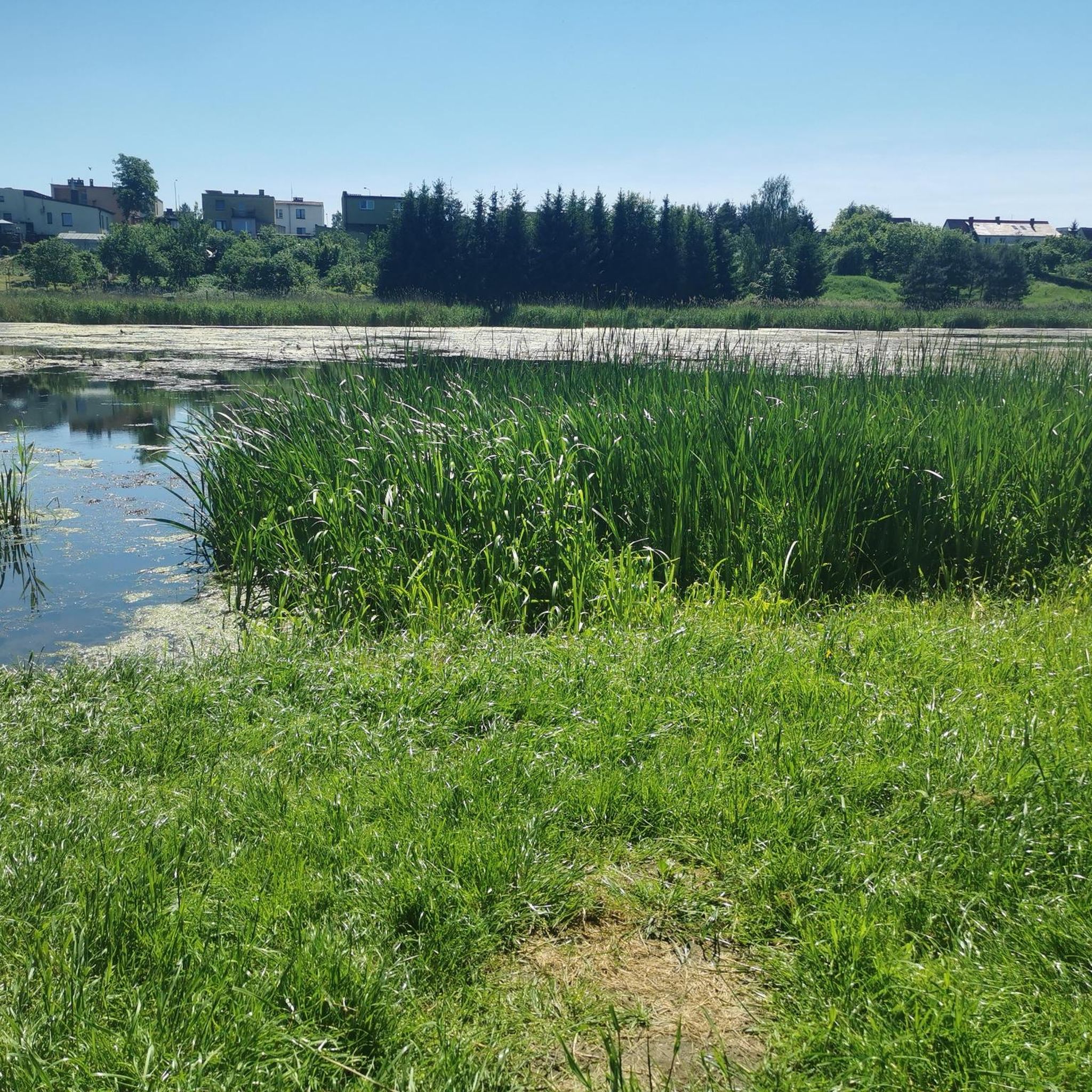
The beautiful valley. As you enter, you can be surprised by the unevenness of the terrain and its charm
2
0

In 1926, the idea of building a church was born among the evangelical population of the village of Radawnica, which received support under the so-called Eastern program. The present-day church was built in the years 1927 - 28 in the historicist style. It had 270 seats. The form of the temple refers to the granite Romanesque village churches preserved in Pomerania. It is clearly embedded in the tradition of churches built by the Settlement Commission. Only the windows were shaped in a modern way. The cornerstone blessing ceremony was held with great pomp on September 7, 1927. Its main intention was to emphasize the presence of the Germans in this Polish village. The community numbered about 500 souls, including the inhabitants of neighboring farms. The site for the construction of the church, separated from the manor park, was donated by its then owner - a German. The construction was carried out by the construction company Radtke from Złotów. After the Second World War, St. the temple was not used. The organ was moved to the Catholic Church under the invocation of st. Barbara, where there was no instrument, and the pews were changed between the churches. The Catholic parish took over the post-evangelical church as an auxiliary and it received the call of St. Stanisław Kostka.
0
0
The bridge of the closed railway line Więcbork - Złotów. Here, before the Second World War, there was a border of countries. Nearby there are buildings that once served as the headquarters of the border guard.
3
0
Frequently Asked Questions
What historical and cultural sites can I explore in Gmina Zakrzewo?
Gmina Zakrzewo is rich in history. You can visit several 18th-century wooden churches in Zakrzewo and Sędzin, and the 19th-century Neo-Gothic Church of St. Mary Magdalene in Zakrzewo. The region also features preserved manor complexes with parks in Zakrzewo, Seroczki, and Michałowo, including a Baroque manor chapel from 1780 in Seroczki. Don't miss the historically significant Dom Polski in Zakrzewo, which served as a seat for the Union of Poles in Germany. For a deeper dive into local heritage, the Krajna Farmstead in Złotów offers an ethnographic exhibition showcasing a traditional Krajna cottage and farm buildings.
Where can I experience the natural beauty of Gmina Zakrzewo?
The gmina boasts 13 lakes, such as Borówno, Proboszczowskie, and Bielsko, perfect for recreation, walking, fishing, and kayaking. A unique natural feature is the Bachorza Canal, known for its water divide where water flows in two opposing directions. Significant protected landscapes include the Łobżonka Valley and Kujańskie Forests, which are home to diverse wild animal and bird species. You can also explore Debrzynka Valley, a gorge with varied terrain and gravel paths ideal for photography.
Are there opportunities for hiking or walking in Gmina Zakrzewo?
Yes, Gmina Zakrzewo offers various walking and hiking opportunities. You can find easy hikes around the area, such as the "View of Lake Złotowskie – Rybacki Peninsula loop from Złotów" or the "Złotów Market Square loop from Złotów." These routes allow you to explore the scenic landscapes and local points of interest. For more options, check out the Easy hikes around gmina Zakrzewo guide.
Can I go cycling in the Gmina Zakrzewo area?
Absolutely! The region is suitable for cycling with routes like the "Krajna Farmstead in Złotów – Baroque Church loop from Zakrzewo Złotowskie" or the shorter "Forest Shelter by the Lake – Borowno Lake loop from Zakrzewo." These routes vary in difficulty from easy to moderate, offering diverse experiences through forests and by lakes. Discover more cycling routes in the Cycling around gmina Zakrzewo guide.
What running routes are available around Gmina Zakrzewo?
For runners, Gmina Zakrzewo provides several routes. You can find moderate routes like the "Złotów loop from Złotów" or the "Jezioro Proboszczowskie loop from Zakrzewo." There are also easier options available. These trails offer a great way to stay active while enjoying the local scenery. Explore more options in the Running Trails around gmina Zakrzewo guide.
Are there family-friendly attractions in Gmina Zakrzewo?
Yes, Gmina Zakrzewo offers attractions suitable for families. The Krajna Farmstead in Złotów, an ethnographic exhibition, is a great educational and engaging spot for all ages. Additionally, the Górka Klasztorna Sanctuary, as Poland's oldest Marian sanctuary, offers a peaceful and historically rich experience that can be appreciated by families.
What are some notable religious sites in the region?
Beyond the wooden churches, a significant religious site is the Górka Klasztorna Sanctuary, recognized as the oldest Marian sanctuary in Poland. Another historical church is the St. Stanislaus Kostka Church in Radawnica, built in the historicist style between 1927-1928, which has a fascinating history related to its origins and post-war use.
Are there any unique historical landmarks related to the region's past conflicts or borders?
Yes, the region holds historical significance related to past borders. You can visit the Abandoned Railway Bridge on the Więcbork–Złotów Line. This site is notable because, before World War II, it marked a country border, and nearby buildings once served as the headquarters of the border guard. Additionally, there's a Monument to the Defenders of Poles and a Promenade featuring the Trail of Five Truths of Poles in the gmina, reflecting its rich history.
What kind of archaeological discoveries have been made in Gmina Zakrzewo?
Archaeological sites in Gmina Zakrzewo, particularly around Stara Wiśniewka and Czernice, reveal evidence of settlement from various prehistoric periods. These include findings from the Stone Age, Bronze Age, and Early Iron Age, offering insights into the ancient history and early inhabitants of the region.
Are there any protected natural areas or unique trees in Gmina Zakrzewo?
Yes, the gmina is home to protected landscapes such as the Łobżonka Valley and Kujańskie Forests, which are vital for diverse wildlife. You can also find impressive, monumental sycamore maple trees in Sędzinek Park. The entire gmina is rich in natural monuments, with many protected trees located in Zakrzewo and surrounding villages like Drożyska Wielkie, Śmiardowo Złotowskie, and Dorotowo.
What do visitors enjoy most about the attractions around Gmina Zakrzewo?
Visitors particularly appreciate the blend of historical and natural sites. For instance, the Debrzynka Valley is loved for its beautiful, varied terrain and charm, with many recommending bringing a camera. The Krajna Farmstead in Złotów is valued for its ethnographic exhibition, offering a glimpse into traditional regional life.
Most popular routes around gmina Zakrzewo

Get inspired with the komoot mobile app


Explore more
Still not found the Highlight you’re looking for? See guides of the top attractions in other regions:
