The best road cycling routes around Águeda e Borralha e Borralha e Borralha
4.4
(20)
1,620
riders
50
rides
Road cycling routes around Águeda e Borralha e Borralha e Borralha traverse a diverse landscape, ranging from the low-lying areas around the Pateira de Fermentelos, the largest natural lake in the Iberian Peninsula, to the foothills of the Serra do Caramulo mountain range. The terrain includes river valleys, such as those of the Vouga and Alfusqueiro rivers, and features a mix of forests and open areas. Elevations vary, offering routes with significant climbs as well as flatter sections suitable for…
Last updated: October 10, 2026
39
riders
73.7km
03:39
1,060m
1,060m
Hard road ride. Very good fitness required. Mostly well-paved surfaces and easy to ride.
5.0
(1)
32
riders
50.7km
02:30
720m
720m
Moderate road ride. Good fitness required. Some segments of this route may be unpaved and difficult to ride.

3.0
(1)
20
riders
39.4km
02:03
710m
710m
Moderate road ride. Good fitness required. Mostly well-paved surfaces and easy to ride.
10
riders
40.8km
01:46
330m
330m
Moderate road ride. Good fitness required. Mostly well-paved surfaces and easy to ride.
5.0
(1)
55
riders
86.2km
03:37
480m
480m
Moderate road ride. Good fitness required. Mostly well-paved surfaces and easy to ride.
Get access to more routes and recommendations from other explorers.
Already have an account?
Our route recommendations are based on thousands of hikes, rides, and runs completed by other people on komoot.
Start today with a free account
Your next adventure awaits.
Tips from the Community

It is integrated into the AgitÁgueda festival and every year includes new urban art initiatives, installations of the "umbrella sky project". In order to enjoy the region / Águeda, look for wine tourism experiences at Adega Centenária Malápio. The mandatory stop on your adventures! They support the cycling and pedestrian community that explores the region. You can taste the "talha" wines of Bairrada and snacks, "sandes de leitão da bairrada" or the iconic "leitão da bairrada". Plan your route, cycle/walk and take a break at Adega Malapio. It also offers experiences with bicycles on the rice paddy trails and Pateira de Fermentelos, 4x4 tours, buggy rides, horseback riding, "bateira" rides on Pateira de Fermentelos.
1
0

A nice idea. When I visited here, it was raining heavily. So the streets full of umbrellas had a special meaning.
1
0


Very beautiful place. To rest a little.
1
0
Spectacular view over the river.
1
0

In the past, this bridge was used to be used to ask for the hand of the beloved (engagement bridge).
4
0

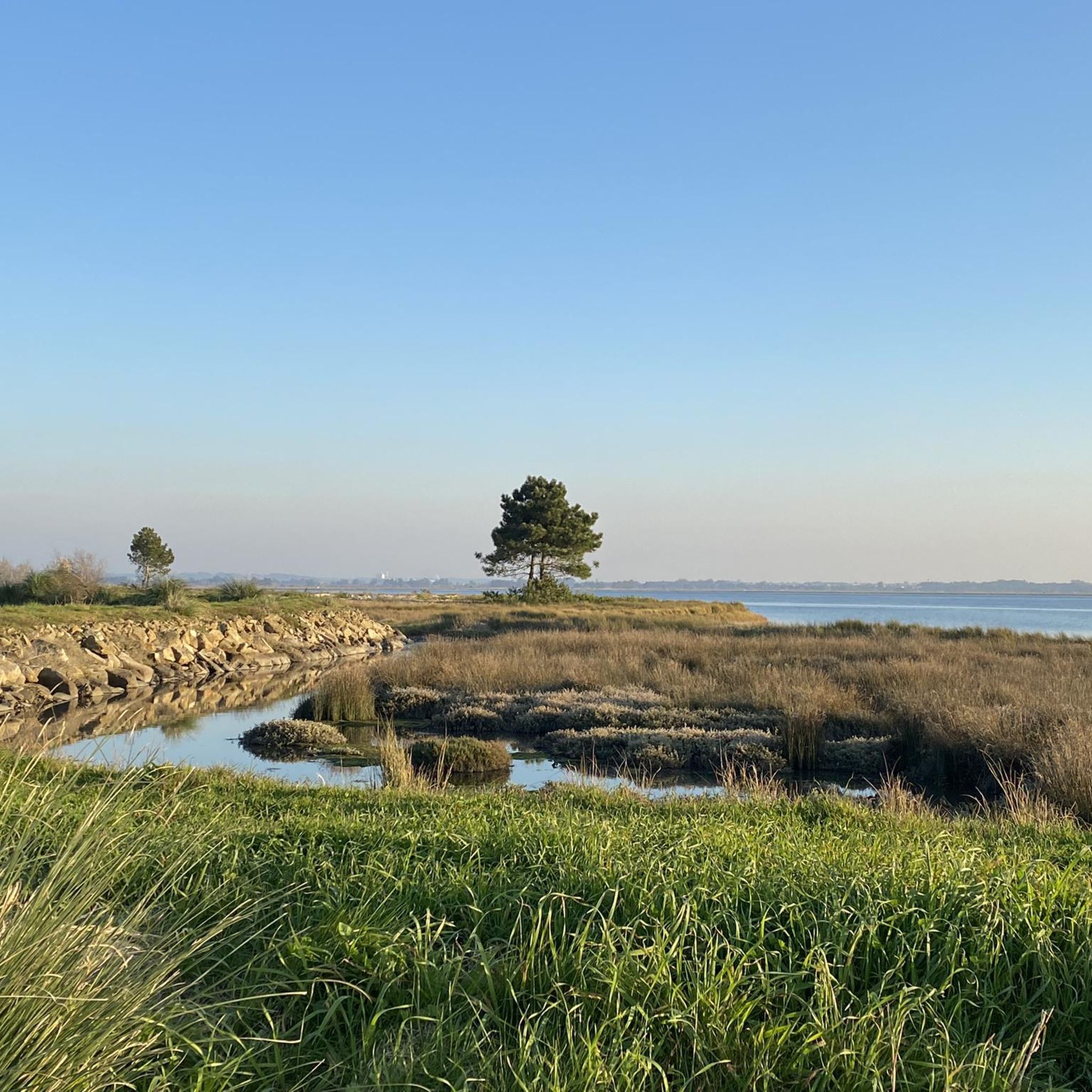
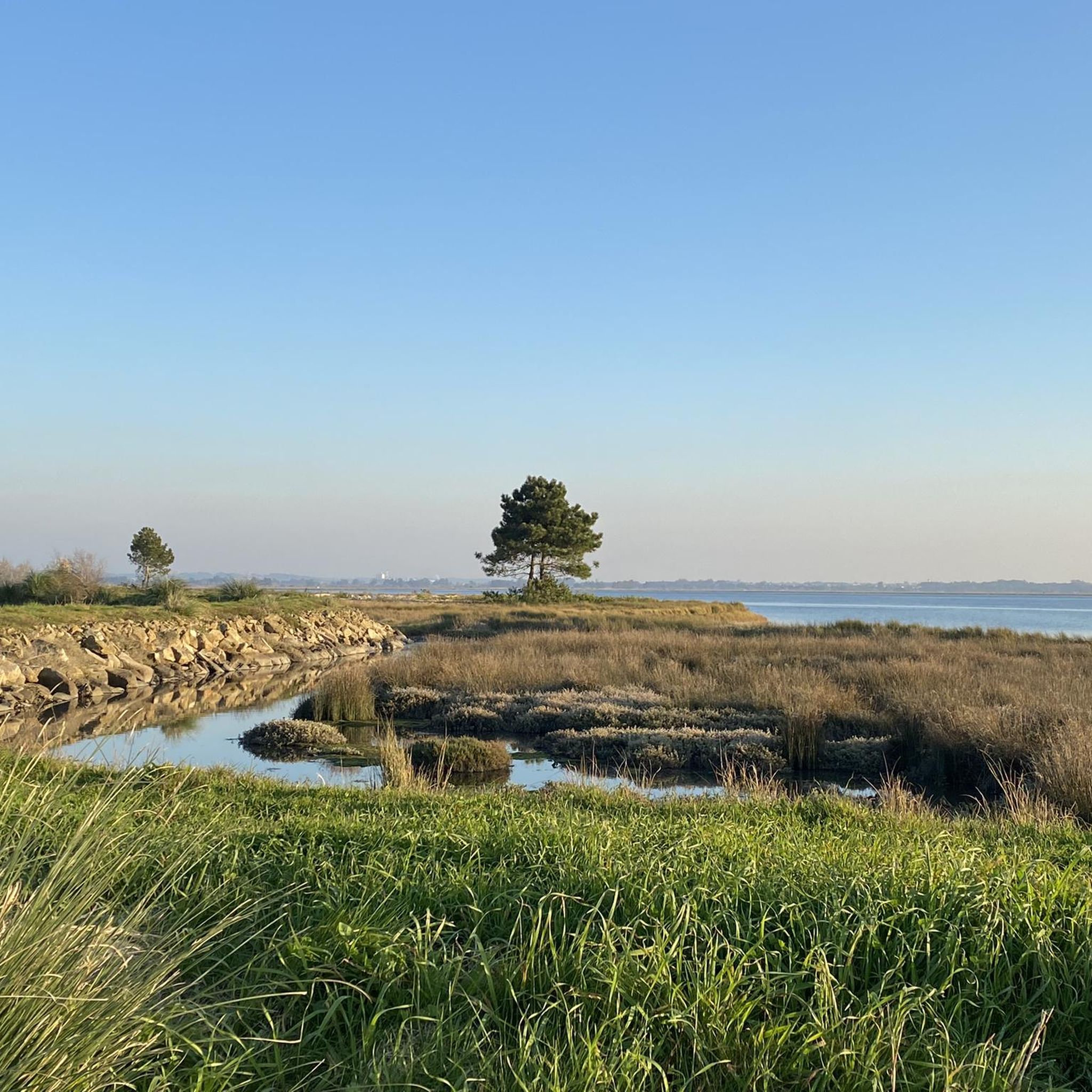
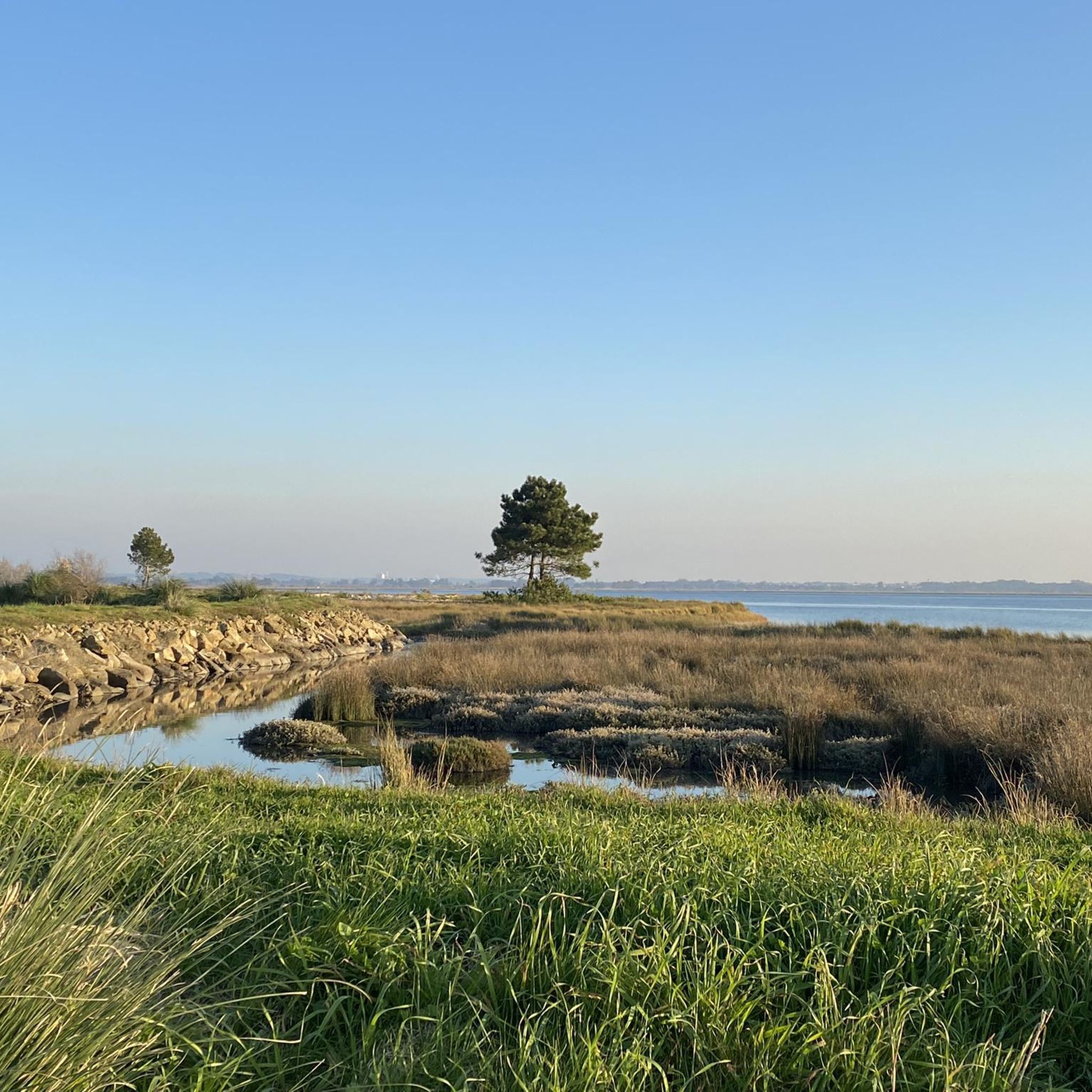
Salt mining in the Aveiro region dates back to a time before the Ria de Aveiro itself existed, with the first written document about Aveiro salt production dating back to before the founding of the nation. Over the centuries, the instability of the inlet (isolation from the sea) was a decisive factor in the variation in the number and production of salt pans. This resulted in periods of decline interspersed with periods of great favorability for production. This occurred in 1572, when, given the favorable condition of the inlet and the high and progressive commercial and maritime index, Aveiro became one of the best ports in Portugal, with a significant increase in salt trade and cod fishing. In 1808, the new inlet (an artificial system that allows seawater to enter) was finally opened, a fact of exceptional importance for the future of Aveiro and the entire region. (Source: Wikipedia) (Source: Wikipedia)⁶
14
0
The Palheiros da Costa Nova, or the colorful little houses of Costa Nova, are the old fishermen's warehouses. In other words, these are where they stored their nets, boats, and fishing gear at the end of the day. But what makes the palheiros da Costa Nova so special, and why everyone wants to see them, is their picturesque and colorful appearance. The striped facades leave no one indifferent. And the fact that they are located in a seaside setting attracts even more visitors. Besides the palheiros, Costa Nova offers other must-see attractions for visitors. We're talking about extensive golden sand beaches, ideal for sunbathing or enjoying water sports like surfing and windsurfing. (Source: loveitportugal.com)
14
0
Frequently Asked Questions
How many road cycling routes are available in Águeda e Borralha?
There are over 50 road cycling routes around Águeda e Borralha, catering to various skill levels. These include 6 easy routes, 29 moderate routes, and 16 difficult routes, ensuring options for every cyclist.
What is the best time of year for road cycling in Águeda e Borralha?
The months of July and August are particularly popular for cycling in the Águeda Municipality. Generally, spring and early autumn offer pleasant temperatures and less crowded conditions, ideal for exploring the region's diverse landscapes.
What kind of terrain can I expect on road cycling routes in Águeda e Borralha?
The terrain is quite varied, ranging from flatter sections around the Pateira de Fermentelos, the largest natural lake in the Iberian Peninsula, to more challenging climbs in the foothills of the Serra do Caramulo. You'll encounter river valleys, forests, and open areas, offering a dynamic cycling experience.
Are there road cycling routes suitable for beginners in Águeda e Borralha?
Yes, there are several easier routes. For instance, the region offers 6 routes classified as easy. These routes typically feature less elevation gain and shorter distances, perfect for those new to road cycling or looking for a relaxed ride.
Can I find challenging road cycling routes with significant climbs in the region?
Absolutely. The area provides 16 difficult routes, many of which venture into the foothills of the Serra do Caramulo, offering substantial elevation gain and panoramic views. A prime example is the Águeda to Cruz Alta Viewpoint Loop, which includes significant climbing to reach scenic viewpoints.
Are there circular road cycling routes available?
Yes, many routes in Águeda e Borralha are circular, allowing you to start and end in the same location. Popular options include the Vouga Valley Ecotrail Circular from Águeda and the From Águeda to Pateira de Fermentelos — circular route, which offer varied scenery and convenient loops.
What scenic viewpoints or landmarks can I discover along the road cycling routes?
Road cycling routes often pass by stunning natural and cultural landmarks. You can enjoy views of the Pateira de Fermentelos Boardwalk and Viewing Platform, explore the vibrant Umbrella Sky Project – Rua Luís de Camões, Águeda, or cycle along the scenic Ecopista do Vouga. The region also features traditional villages in the Serra do Caramulo with granite houses and granaries.
Can I cycle near natural features like lakes or rivers?
Absolutely. The region is defined by its river valleys, such as those of the Vouga and Alfusqueiro rivers, and the expansive Pateira de Fermentelos lake. Routes like the Águeda and Vouga River Loop offer scenic rides along these waterways, providing opportunities to enjoy the rich natural environment.
Are there road cycling routes that are family-friendly?
While many routes involve varied terrain, some of the easier and moderate options, particularly those along flatter river valleys or dedicated ecopistas, can be suitable for families. It's always recommended to check the route's elevation and distance to ensure it matches your family's capabilities.
What are the options for parking when accessing road cycling routes?
Many routes start from Águeda, where you can find various parking facilities. For example, Alta Vila Municipal Park is a known parking highlight. When planning your ride, look for routes that specify convenient starting points with parking access.
What do other road cyclists enjoy the most about road cycling in Águeda e Borralha?
The area is highly rated by the komoot community, with an average score of 4.1 stars from more than 5 reviews. Cyclists often praise the diverse landscapes, from the tranquil lake areas to the challenging mountain foothills, and the well-maintained routes like the Ecopista do Vouga that offer scenic views and varied terrain.
Are there any routes that connect to coastal areas or other regions?
Yes, some routes extend beyond the immediate vicinity. For example, the Canal de Mira Bridge – Barra Lighthouse loop from Águeda offers a longer ride that connects to coastal areas, providing a different cycling experience with views of the ocean and waterways.
Most popular routes around Águeda e Borralha e Borralha e Borralha
Most popular attractions around Águeda e Borralha e Borralha e Borralha

Get inspired with the komoot mobile app


Explore more
Browse the best Road cycling routes in other regions.
