The best MTB trails around São Martinho De Sardoura
5.0
(1)
31
riders
7
rides
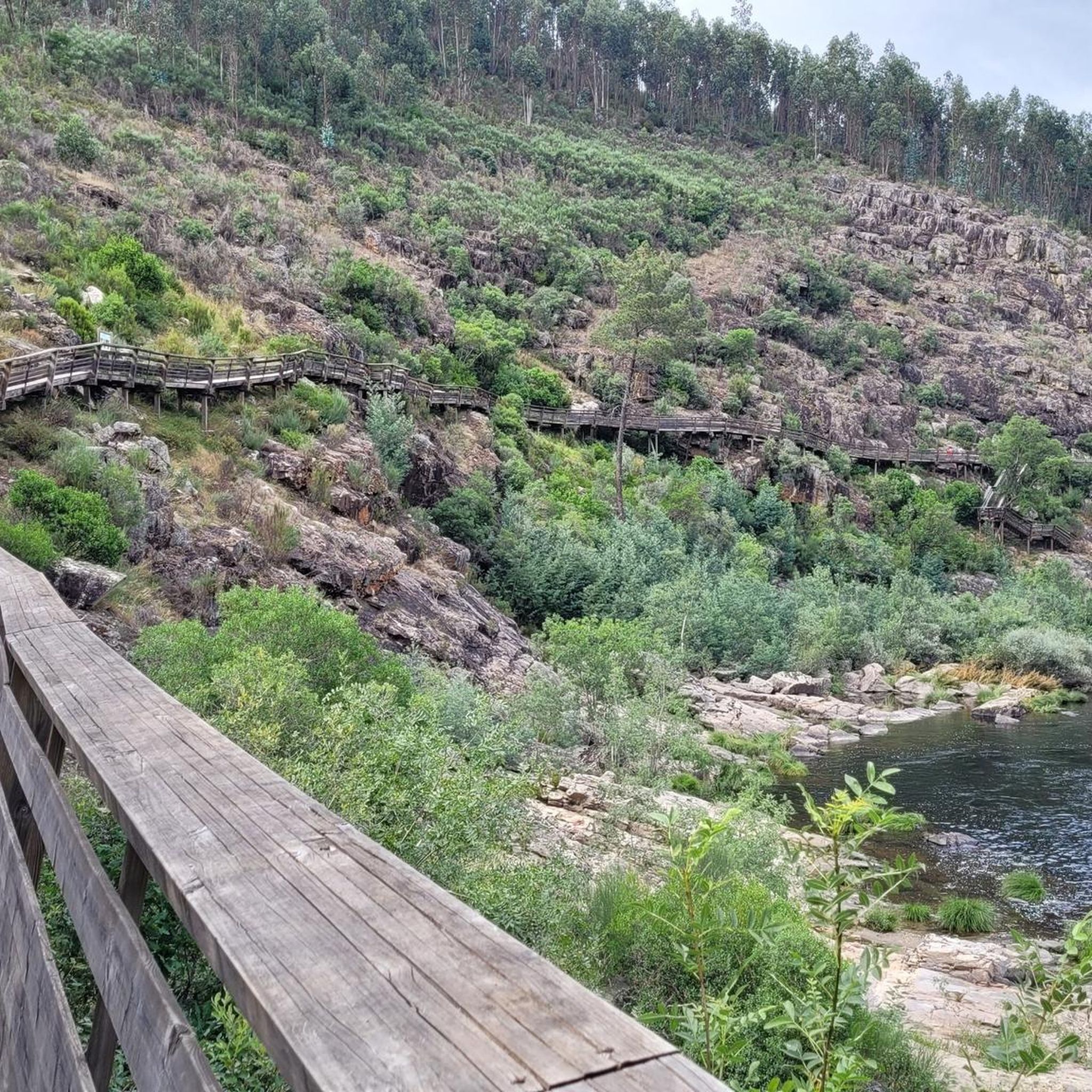
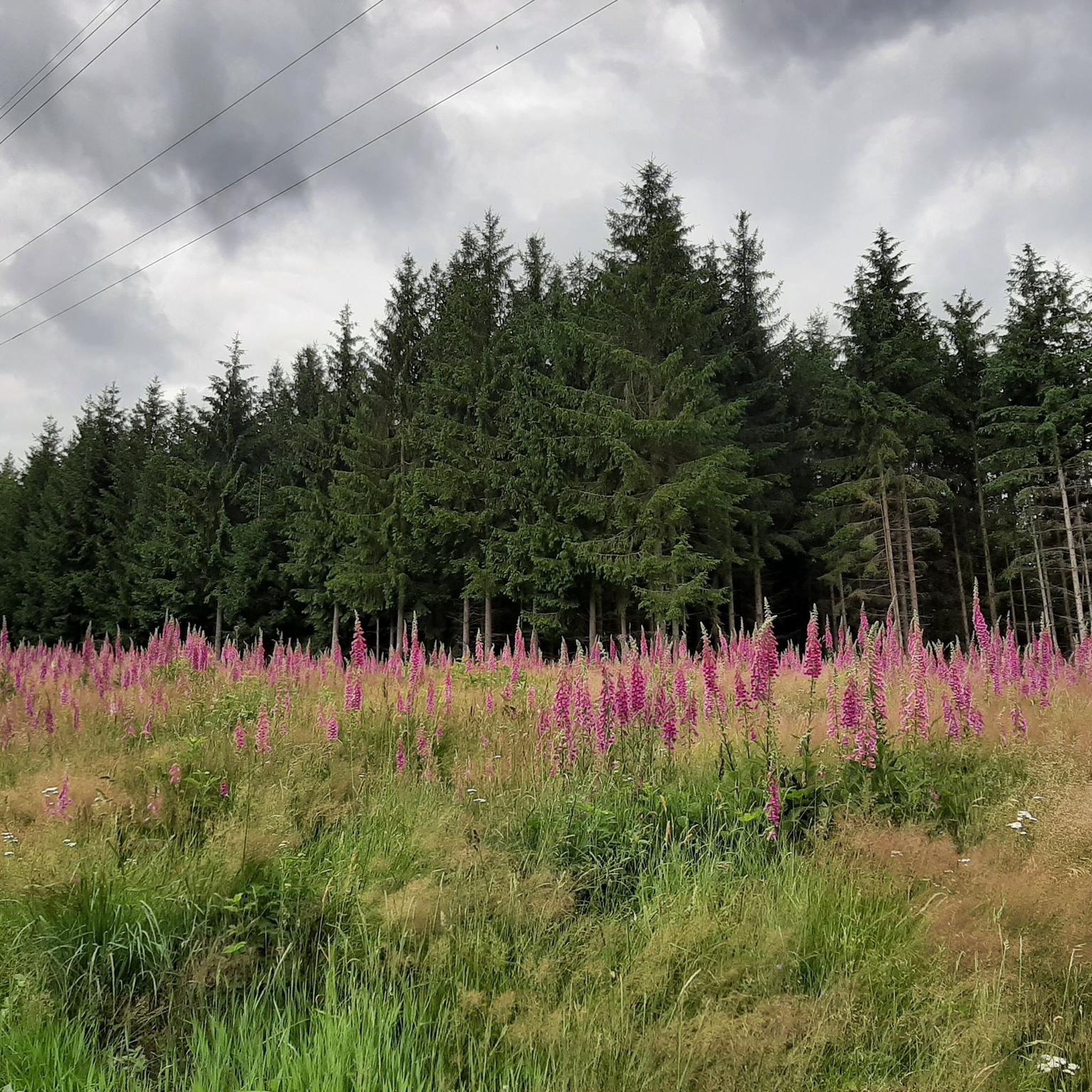
Mountain biking around São Martinho De Sardoura offers diverse terrain characterized by river valleys and rolling hills, situated on the left bank of the Douro River. The region's landscape features green terrain bathed by the Sardoura and Douro Rivers, providing scenic routes. Elevated vantage points like Miradouro de Catapeixe indicate varied topography suitable for challenging bike rides, while the proximity to the Paiva River adds to the rugged natural beauty.
Best mountain bike trails around São Martinho De Sardoura
- The…
Last updated: July 1, 2026
11
riders
51.7km
04:04
1,050m
1,050m
Hard mountain bike ride. Very good fitness required. Suitable for all skill levels.
4
riders
36.3km
02:29
580m
580m
Moderate mountain bike ride. Good fitness required. Suitable for all skill levels.

Sign up for free
3
riders
26.4km
02:37
770m
770m
Moderate mountain bike ride. Good fitness required. Advanced riding skills necessary.
2
riders
46.3km
03:25
860m
870m
Moderate mountain bike ride. Good fitness required. Suitable for all skill levels.
2
riders
Moderate mountain bike ride. Good fitness required. Suitable for all skill levels.
Get access to more routes and recommendations from other explorers.
Sign up for free
Already have an account?
Our route recommendations are based on thousands of hikes, rides, and runs completed by other people on komoot.
Start today with a free account
Your next adventure awaits.
Login or Signup


Tips from the Community

The winding path leads to the swing; further down there's a viewpoint, but it's not ideal for taking a bicycle.
0
0

You can enjoy some good ham sandwiches accompanied by a nice cold beer.
1
0
Religious architecture, dating from the 17th, 19th, and 20th centuries. Rectangular parish church composed of a nave and chancel, with sacristy and bell tower, having two transept arms added at the end of the 20th century. It has interior wooden roofs, gabled and with beams in the nave and coffered ceilings in the chancel, sparsely illuminated by windows in the right side facade of the chancel body. It has a 20th-century bell tower, with three registers and round-arched windows. Main facade with a gable, with three axes of openings, composed of a portal and two large windows, all rectilinear. Facades with pilastered quoins and concrete frieze finishes. Interior with a high choir resting on stone corbels, accessed from the annex, with side chapels and facing pulpits. A triumphal arch with a perfect vault, resting on Tuscan piastras, flanked by Mannerist carved altarpieces. Chancel with a central stepped platform, where the main altarpiece stands, reusing elements of Mannerist carving. A church of 17th-century foundation, of which the original structure and some openings in the sash form are maintained, profoundly remodeled in the 20th century, with the construction of the annexes, the transept, and the creation of the bell tower, this one quite tall, with three registers. The main façade and the bell tower are covered with patterned tiles. Inside, the side altarpieces, of erudite Mannerist structure, stand out, profoundly altered with the 20th-century restoration, with the reform of the finialço and the execution of new altar tables. The Epistle side altarpiece, dedicated to Our Lady of Fatima, stands out for its high-quality carving. It retains its preparatory layer and, through its structure and decorative grammar, reveals a transitional style, datable to the late 18th and early 19th centuries. It features profuse phytomorphic decoration, a scalloped back panel, but also includes urns at the top of the Corinthian columns, adorned with festoons, revealing Neoclassical elements. The main altarpiece, recently gilded, showcases the use of twisted columns, a late 17th-century style, with archivolts in a national Baroque style altarpiece structure. Also noteworthy is the Crucified altarpiece, a Neo-Baroque revivalist piece with a concave structure, possessing several Neoclassical influences, notably the urns at the top and the faux marble effect on the columns.
0
0

Midões is a small hidden gem, where shale dominates the landscape and time passes slowly. Its renovated pier invites you to take a peaceful break, while chestnut and walnut trees spread their shade along the riverbank. There are no cafés or restaurants here to recharge your batteries, so bring water and something to eat. Let yourself be carried away by the serene charm of this village.
2
0

The monument is also known as "Marmoiral de Sobrado", and is one of the stops on the Rota de Romanico route. https://rotadoromanico.com/en/Monuments/memorial-of-sobrado
0
0
The monument is also known as "Marmoiral de Sobrado", and is one of the stops on the Rota de Romanico route. https://www.rotadoromanico.com/en/Monuments/memorial-of-sobrado/
0
0
This little Romanesque gem from mid-to-late C13 is obscured by the modern parish church, so it's easy to miss. Look out for the corbels with a fascinating variety of carved motifs ranging from bull heads to stone-carrying men. https://www.rotadoromanico.com/en/Monuments/church-of-saint-genesius-of-boelhe/
0
0
Frequently Asked Questions
How many mountain bike trails are available around São Martinho De Sardoura?
There are 8 mountain bike trails available around São Martinho De Sardoura. These routes offer a mix of moderate and difficult terrain, catering to different skill levels.
Are there any family-friendly mountain bike trails in São Martinho De Sardoura?
While the routes listed are generally moderate to difficult, the region's network, including the local PayváPé network (like the PP02 route), often features paths suitable for both hiking and biking. For a moderate option, consider the Mountainbike loop from Castelo de Paiva, which is 26.2 km long and leads through river valleys and hills.
What kind of terrain can I expect on mountain bike trails in São Martinho De Sardoura?
The mountain bike trails around São Martinho De Sardoura are characterized by diverse terrain, including river valleys and rolling hills. You'll experience green landscapes bathed by the Sardoura and Douro Rivers, with elevated vantage points offering scenic views. The proximity to the Paiva River also contributes to a rugged natural beauty.
Are there any circular mountain bike routes available?
Yes, many of the mountain bike routes in the area are loops. For example, the Museu da Broa – Quintandona loop from Capela is a moderate 36.3 km path, and the Church of Saint Peter of Abragão – Church of São Gens de Boelhe loop from Valpedre is another moderate 31.0 km option.
What are some challenging mountain bike trails in the area?
For a more challenging ride, you can explore routes like the Statue of Saint James – Ponte de Espindo loop from Valpedre, which is 51.9 km long with significant elevation gain. Another difficult option is the Terronhas Village – Quintandona loop from Lagares, covering 46.9 km.
What scenic views or natural attractions can I find along the mountain bike routes?
The region offers stunning natural beauty. You can find panoramic views from places like Miradouro de Catapeixe, overlooking Ilha do Castelo and the confluence of the Paiva and Douro Rivers. Nearby attractions include the impressive Gola do Salto (Rio Paiva) with its waterfalls, and the Doll's Swing offering views of the Douro Valley. The Paiva Walkways are also a significant natural attraction in the wider region.
Is São Martinho De Sardoura suitable for beginner mountain bikers?
While there are no routes specifically classified as 'easy' in the immediate guide, there are several moderate options that beginners with some experience might enjoy. These include the Museu da Broa – Quintandona loop from Capela and the Mountainbike loop from Castelo de Paiva. It's always recommended to check the route details and elevation profiles to ensure they match your skill level.
What is the best time of year for mountain biking in São Martinho De Sardoura?
The region's climate, typical of northern Portugal, generally offers pleasant conditions for outdoor activities for much of the year. Spring and autumn are often ideal, with milder temperatures and lush landscapes. Summer can be warm, especially in river valleys, while winter might bring cooler, wetter conditions. Always check local weather forecasts before heading out.
Are there any places to relax or grab a refreshment near the trails?
Yes, the region offers spots for relaxation. A leisure area has been established on the Sardoura River, and you can find places like the Choupal de Pedorido river beach for a break. Additionally, the Bar of the Rio Paiva Boardwalks is a nearby option for refreshments.
What are the typical distances for mountain bike trails in São Martinho De Sardoura?
The mountain bike trails in this area vary in length. You can find routes ranging from approximately 26 km, like the Mountainbike loop from Castelo de Paiva, up to longer rides of around 52 km, such as the Statue of Saint James – Ponte de Espindo loop from Valpedre.
What do other mountain bikers say about the trails in São Martinho De Sardoura?
More than 30 mountain bikers have used komoot to explore São Martinho De Sardoura's varied terrain. They often appreciate the diverse landscapes, including river valleys and rolling hills, and the scenic viewpoints that define the region's routes.
Most popular attractions around São Martinho De Sardoura

Get inspired with the komoot mobile app


Explore more
Browse the best MTB trails in other regions.
