Attractions and Places To See around Guetim - Top 20
Attractions and places to see around Guetim offer a blend of historical sites, natural beauty, and cultural experiences. Located in Portugal, Guetim is in proximity to notable landmarks and points of interest in nearby Espinho and Aveiro. The region provides diverse opportunities for exploration, from unique coastal chapels to significant natural reserves.
Best attractions and places to see around Guetim
- The most popular attractions is Chapel of Senhor da Pedra (Chapel of the Lord of the Rock), a religious…
Last updated: October 4, 2026
Barrinha de Esmoriz Nature Reserve
Highlight • Lake
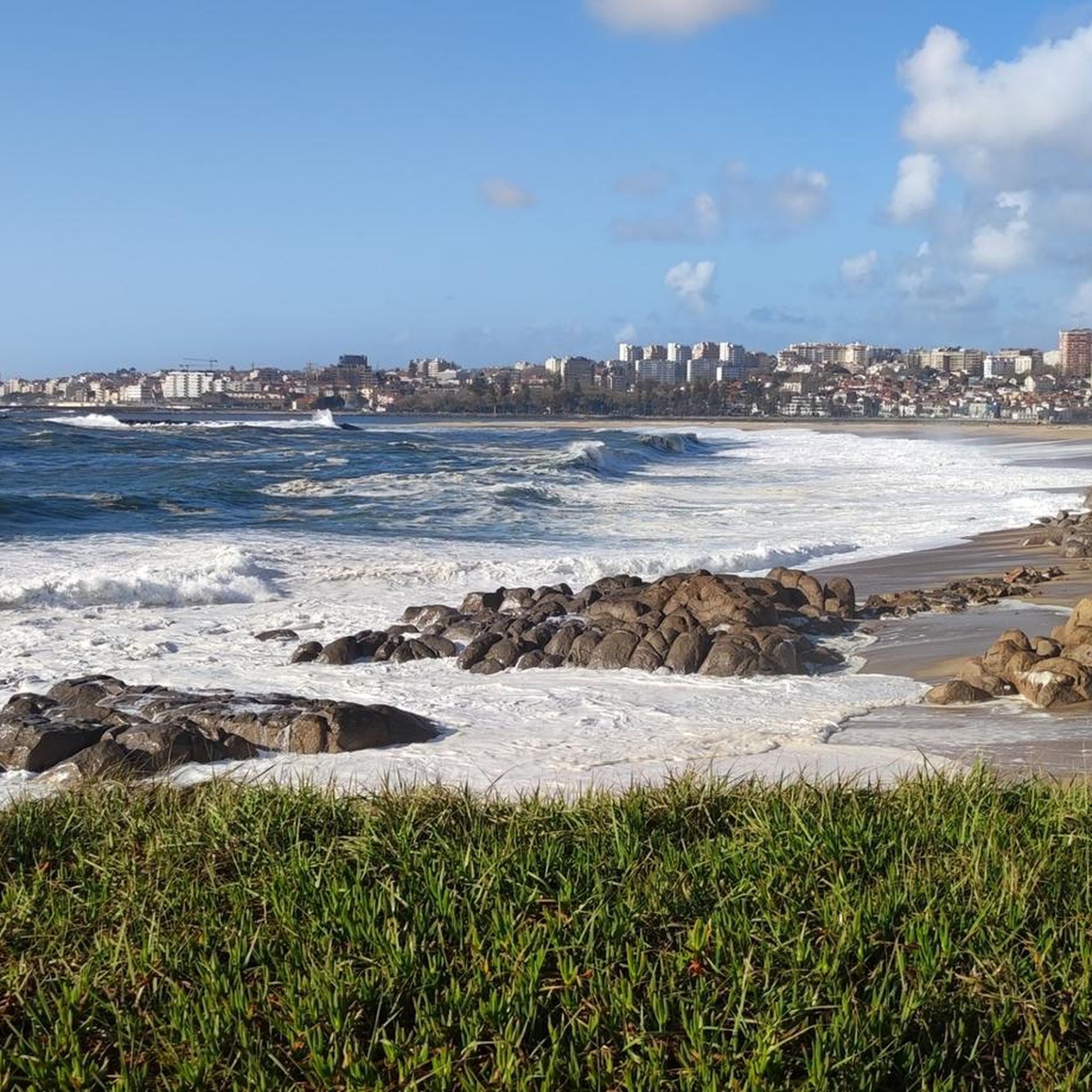
Wonderful circuit; to drive well with children. With beach access.
Translated by Google •
Tip by

Chapel of Senhor da Pedra (Chapel of the Lord of the Rock)
Highlight • Religious Site
Translated by Google •
Tip by

Sign up now to discover places like this
Get recommendations on the best single tracks, peaks, & plenty of other exciting outdoor places.
Aguda
Highlight • Beach
Translated by Google •
Tip by

Esmoriz Beach 🏖️
Highlight • Beach
Tip by
Aguda Dunes Park
Highlight • Beach
Translated by Google •
Tip by

Sign up for free to discover even more attractions around Guetim.
Already have an account?
Start today with a free account
Your next adventure awaits.

Tips from the Community

There are some pretty buildings. However, the vast majority looks rather modest.
3
0

Cool view of a beautiful house
1
0

I recommend it very beautiful
1
0

The Chapel of Senhor da Pedra is located on Praia do Senhor da Pedra, in Gulpilhares, in the current parish of Gulpilhares and Valadares, in the Municipality of Vila Nova de Gaia, Porto District, in Portugal. The Chapel of Senhor da Pedra, built on a rocky massif, on the sands of Gulpilhares beach, was built on a rock by the sea in June 1763. It is believed that the origin of the cult at the Chapel of Senhor da Pedra may have its origins in an ancient pagan cult, of a naturalist nature, of pre-Christian peoples, whose deities were venerated in the midst of nature, having later been converted to Christianity.
1
0

The Aguda were ex-slaves from Brazil who settled in Portugal.
3
0
The chapel was built later in 1673, causing the original nature cult to be eradicated by Christianity
8
0
It is believed that the origin of the cult in the Capela do Senhor da Pedra can have its origins in an ancient pagan cult, of a naturalistic nature, of pre-Christian people, whose gods were worshiped in full nature, after they were later converted to Christianity . Source Wikipedia
9
0

The beach with the most extraordinary scenery near Porto is the Praia do Senhor da Pedra in the small coastal town of Arcozelo. In 2015 it was voted the most beautiful beach in Europe. This huge sandy beach in the very north of Praia de Miramar owes its name to the Senhor da Pedra chapel with its hexagonal floor plan, which was built on rocks in the middle of the beach. The beach, which has good infrastructure, is usually very busy (we were alone there). Every year there is a large pilgrimage in honor of Senhor da Pedra, which begins on the Sunday of the Most Holy Trinity (a movable holiday in June) and lasts three days.
4
0
Frequently Asked Questions
What historical and cultural sites can I visit near Guetim?
Near Guetim, you can explore several significant historical and cultural sites. A must-see is the Chapel of Senhor da Pedra, a unique 17th-century chapel built on a rocky outcrop facing the sea, believed to have pagan origins. Further afield in Aveiro, often called the 'Venice of Portugal,' you can experience the traditional moliceiro boat tours along its canals, visit the Art Nouveau Museum in Casa Major Pessoa, or admire the distinctive azulejo panels at the Old Train Station of Aveiro.
Are there any natural parks or reserves to explore near Guetim?
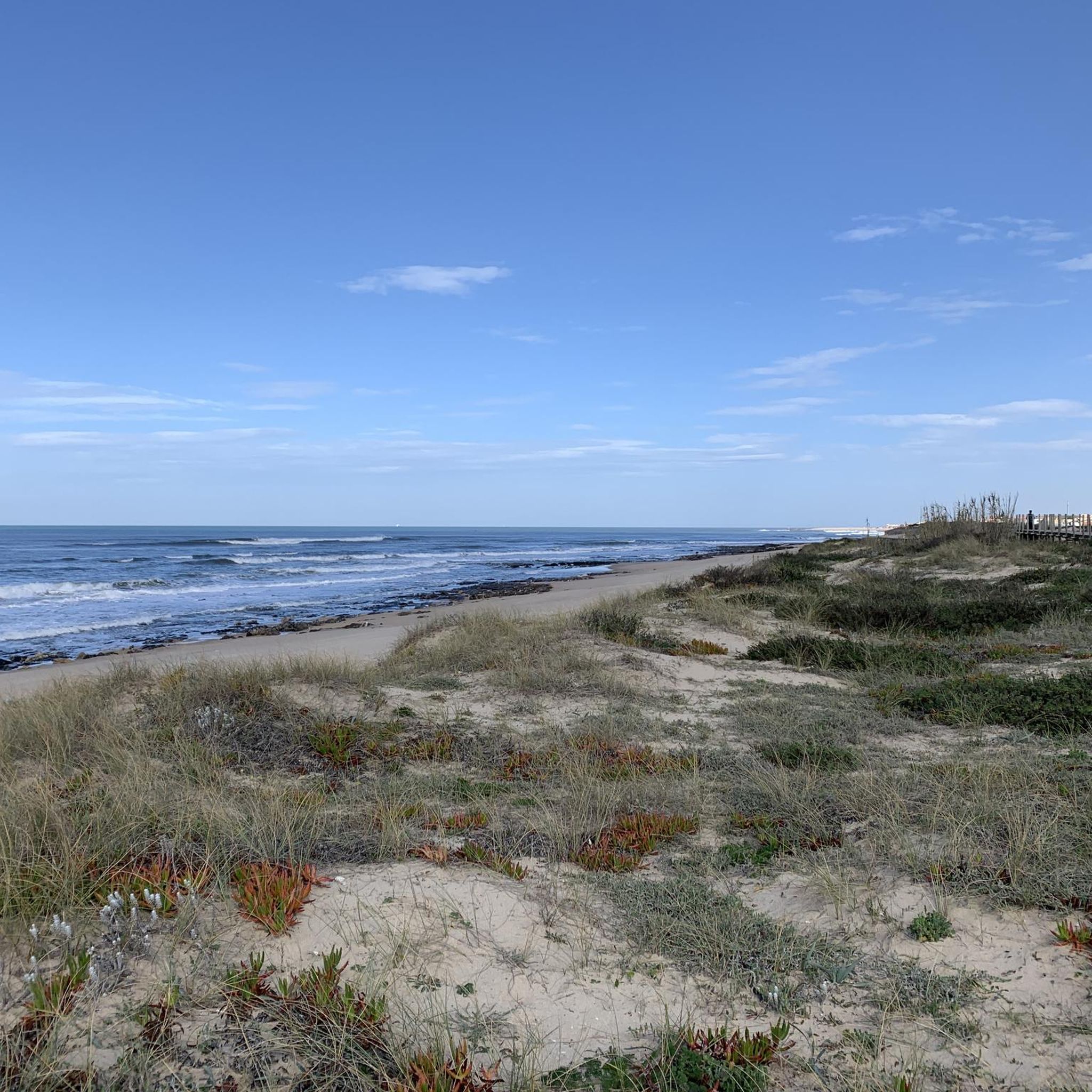
Absolutely. The Barrinha de Esmoriz Nature Reserve is a coastal lagoon recognized as an Important Area for the Preservation of Birds, offering pleasant walks or bicycle rides along wooden plank paths. Another excellent option is the Aguda Dunes Park, an extensive coastal natural park with trails along the beach and inland, showcasing dunes formed by sand and wind.
What kind of outdoor activities can I do around Guetim?
The area around Guetim is excellent for various outdoor activities. You can find numerous routes for hiking, road cycling, and mountain biking. For instance, there are moderate hiking trails like the 'Paramos Beach – Esmoriz Dunes loop' or the 'Aguda Dunes Park – Chapel of Senhor da Pedra loop'. Cyclists can enjoy routes such as 'From Espinho to the Estuary of the Douro River and Cabedelo Beach' for road cycling or 'Praia da Barrinha – Praia de Cortegaça loop' for MTB. You can find more details on these and other routes in the hiking guide, road cycling guide, and MTB guide for the region.
Are there family-friendly attractions or activities near Guetim?
Yes, several attractions near Guetim are suitable for families. The Chapel of Senhor da Pedra offers a unique coastal setting that children often find fascinating. The wooden plank paths at the Barrinha de Esmoriz Nature Reserve are great for easy walks or bike rides with kids. Additionally, the extensive sandy beaches of Espinho and the colorful striped houses of Costa Nova Beach near Aveiro provide fun and picturesque environments for family outings.
Where can I find beautiful beaches and coastal areas near Guetim?
Guetim is close to some stunning coastal areas. Espinho boasts eight kilometers of golden sandy beaches, perfect for sunbathing and beach volleyball, with a promenade ideal for walks. The Aguda Dunes Park also offers trails along the beach. For a unique experience, visit Costa Nova Beach near Aveiro, famous for its iconic colorful striped houses and beautiful scenery.
What is the best time of year to visit Guetim for outdoor activities?
The best time to visit Guetim for outdoor activities is generally during the spring (April to June) and early autumn (September to October). During these periods, the weather is typically mild and pleasant, ideal for hiking, cycling, and exploring the natural reserves and coastal areas without the intense heat of summer or the heavier rains of winter. Summer (July and August) is also popular, especially for beach activities, but can be quite warm.
Are there any unique natural features or viewpoints worth seeing?
Beyond the coastal dunes, the region offers unique natural features. The Chapel of Senhor da Pedra itself is a natural monument, built on a rocky outcrop that becomes an island at high tide, offering a spectacular viewpoint. The protected Dunes North of Espinho, traversed by the Ecovia Litoral, are ecologically significant and provide scenic pathways for observing rare flora and fauna.
What do visitors enjoy most about the attractions around Guetim?
Visitors particularly enjoy the unique blend of natural beauty and historical significance. The Chapel of Senhor da Pedra is frequently praised for its extraordinary scenery and historical depth. The tranquil paths and birdwatching opportunities at the Barrinha de Esmoriz Nature Reserve are also highly appreciated, especially for family outings and peaceful walks.
Can I find any unique cultural experiences or local traditions nearby?
Yes, the region offers distinct cultural experiences. In Aveiro, you can take a ride on the traditional moliceiro boats, which were historically used for harvesting aquatic plants and are now a symbol of the city. The Salinas de Aveiro (Salt Pans) also offer a glimpse into traditional salt extraction methods, highlighting the historical importance of this industry to the local economy.
Are there any entertainment complexes or leisure facilities in the vicinity?
For entertainment, the Espinho Casino in the nearby seaside town of Espinho is the largest and most diverse entertainment and leisure complex in Northern Portugal. It features a wide array of table games, slot machines, restaurants, and bars, offering a vibrant nightlife option.
What are some lesser-known or 'hidden gem' attractions near Guetim?
While popular spots are well-known, a hidden gem could be the Piscina Solário Atlântico in Espinho. This art-deco open-air swimming pool, built in 1942, features two seawater-fed pools and a diving platform, offering a charming and less crowded alternative to the ocean, especially for those seeking a warmer swim.
Are there any attractions that showcase the local history or industry?
Yes, the Espinho Municipal Museum, housed in a former canning factory, provides insight into Espinho's industrial past and its transformation before tourism became its main draw. Additionally, the Salinas de Aveiro (Salt Pans) tell the story of the historical importance of salt extraction to the local economy, using traditional methods.
Most popular attractions around Guetim

Get inspired with the komoot mobile app


Explore more
Still not found the Highlight you’re looking for? See guides of the top attractions in other regions:
