Top 20 Lakes around Dobersdorf
Best lakes around Dobersdorf are centered around the picturesque Dobersdorfer See, a prominent natural feature in the municipality of Dobersdorf, Schleswig-Holstein, Germany. This region is known for its diverse natural landscape, offering various recreational activities and opportunities for wildlife observation. The area provides a tranquil setting for relaxation and outdoor exploration, with several lakes contributing to its appeal.
Best lakes around Dobersdorf
- The most popular lakes is Lake Passade, a lake that features a large swimming area with a…
Last updated: July 1, 2026
Lake Passade
Highlight • Lake
Translated by Google •
Tip by

Sieversdorf Bridge
Highlight • Bridge
Translated by Google •
Tip by

Sign up now to discover places like this
Get recommendations on the best single tracks, peaks, & plenty of other exciting outdoor places.
Sign up for free
Dobersdorfer See Lakeside Recreation Area
Highlight • Lake
Translated by Google •
Tip by

Grabensee Bathing Area, Selenter Lake
Highlight • Beach
Translated by Google •
Tip by

Straw Sculptures at Stakendorf Village Pond
Highlight • Structure
Translated by Google •
Tip by
Sign up for free to discover even more lakes around Dobersdorf.
Sign up for free
Already have an account?
Start today with a free account
Your next adventure awaits.
Login or Signup

Tips from the Community

The natural area features numerous protected areas in almost all protection categories. Only a small number of areas are designated as true nature reserves, including the Alter und Neuer See bird sanctuary south of Sulzheim-Mönchstockheim. Another larger area is the Dürrfelder and Sulzheimer Wald fauna-flora habitat, which is also one of the largest forest areas within the Steigerwald foothills. The area is also part of the Schweinfurt Basin and Northern Steigerwald Foothills bird sanctuary.
15
1

The Kirchbarkau - Preetz - Lütjenburg (KPL) narrow-gauge railway, founded in 1908, connected rural towns in the region from 1910 onwards over a distance of 41.1 kilometres with 23 stops and was used primarily for freight transport, for example for agricultural products. Despite good infrastructure and regular transport, it was not economically viable, so passenger transport was initially discontinued and then all operations were discontinued in 1938. The line was dismantled, but relics such as the Schwentine Bridge remind us of this short but significant era in regional transport history.
5
0
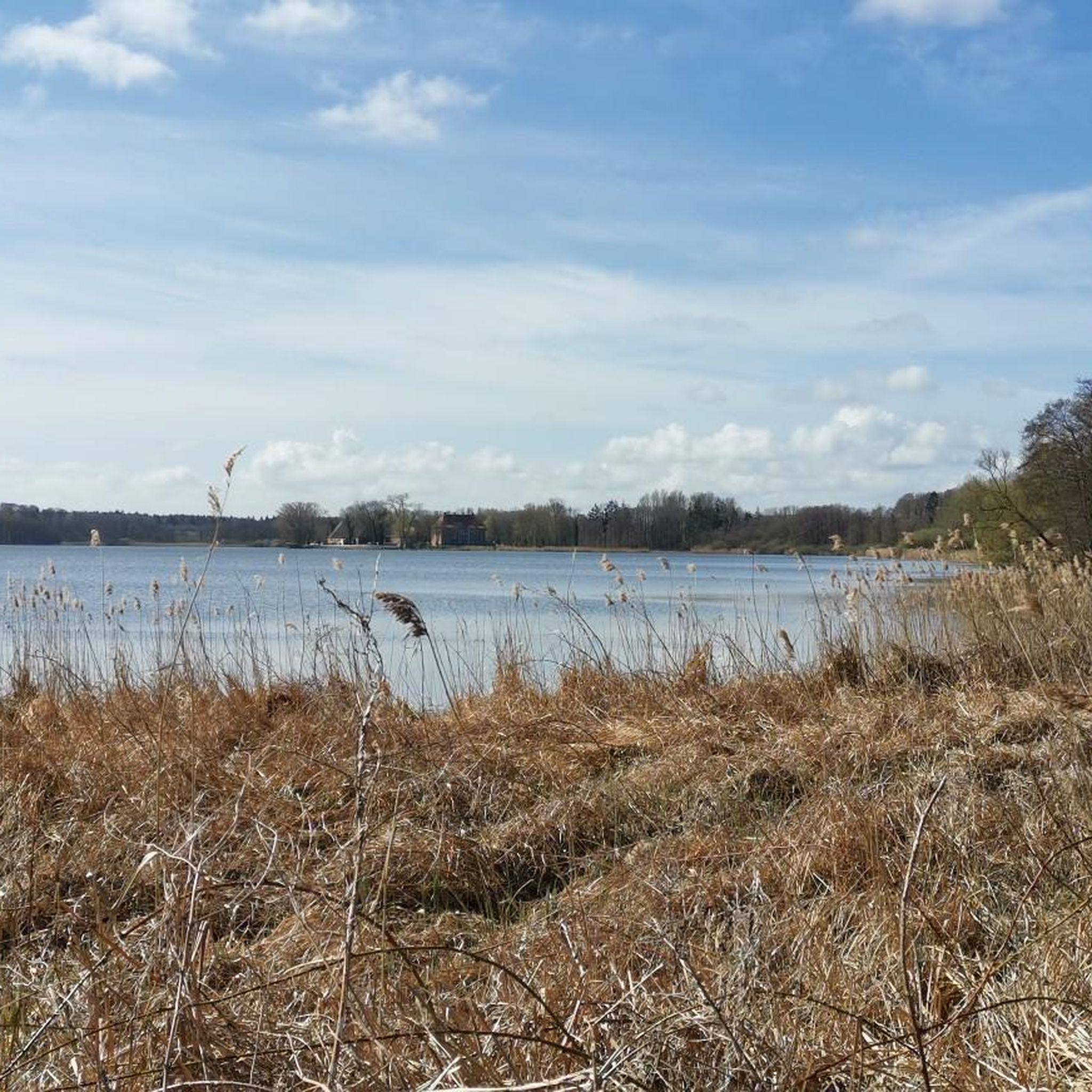
The Dobersdorfer See is a lake between Schlesen (eastern shore) and the districts of Jasdorf (southern shore), Gut Dobersdorf (western shore) and Tökendorf (northwestern shore) of the municipality of Dobersdorf in the Plön district of Schleswig-Holstein.
14
1


Just watch out for the edge when going up and down
4
1

The southern shore is an impertinence for cyclists!
1
0

Even in November you can enjoy the view of Passader See and relax on the benches by the lake.
6
0

Very nice to look at, both left to the Nettelau and right to the Schwentine 👏...
4
2
Frequently Asked Questions
What makes the lakes around Dobersdorf a good destination for outdoor activities?
The lakes around Dobersdorf, particularly the Dobersdorfer See, offer a diverse natural landscape for various outdoor activities. You can enjoy swimming, hiking, cycling, and wildlife observation. The region provides a tranquil setting for relaxation and exploration, with several lakes contributing to its appeal.
Are there family-friendly options at the lakes around Dobersdorf?
Yes, several spots are ideal for families. Lake Passade features a large swimming area with a lawn, a children's playground, and seating. The Dobersdorfer See Lakeside Recreation Area also has great play equipment for children and is well-maintained. The Grabensee Bathing Area on Selenter Lake was redesigned with a new jetty, bathing island, and picnic opportunities, perfect for families.
What kind of wildlife can I spot around Dobersdorfer See?
The Dobersdorfer See area is recognized for its natural beauty and wildlife. The 12 km hiking trail encircling the lake allows visitors to observe various bird species. Sections of the area are designated as protected, including the Dürrfelder and Sulzheimer Wald fauna-flora habitat, which supports diverse wildlife.
Are there historical sites or landmarks near the lakes?
Yes, the region has historical significance. Along the hiking trail around Dobersdorfer See, you can discover remnants of a medieval motte-and-bailey castle. The historic Dobersdorf Manor, a Rococo building from around 1770, is situated on the lake's shore and can be viewed from public paths. Additionally, the Sieversdorf Bridge is a renovated historical bridge that once served a narrow-gauge railway, offering a glimpse into regional transport history.
What are the best ways to explore the lakes by foot?
There are several excellent walking opportunities. A popular 12 km hiking trail encircles the Dobersdorfer See. For more structured routes, you can find moderate hiking trails like the 'Dobersdorfer See – View of the Lake with Bench loop from Dobersdorf' or the 'Lake Dobersdorf – Wishing Stone loop from Lilienthal'. You can explore more options on the Hiking around Dobersdorf guide.
Can I go cycling around the lakes?
Absolutely. The area around Dobersdorf is suitable for cycling. There are easy cycling routes such as the 'Passader Lake – Lake Passade loop from Dobersdorf' or the 'Schönhorst Village Pond – Café by the Village Pond, Schönkirchen loop from Dobersdorf'. More cycling routes can be found in the Cycling around Dobersdorf guide.
What are the swimming options in the lakes?
The official bathing area on Dobersdorfer See is popular for swimming in the summer. Lake Passade also offers a large swimming area. For another option, the Grabensee Bathing Area on Selenter Lake provides a jetty with a bathing island, perfect for a refreshing dip.
What do visitors enjoy most about the lakes around Dobersdorf?
Visitors frequently appreciate the tranquil setting and natural beauty. Many enjoy the well-maintained facilities, like the children's playground at Dobersdorfer See Lakeside Recreation Area, and the opportunity to relax on benches by Lake Passade. The scenic views, especially sunsets from spots like the View of the Kiel Fjord, are also highly rated.
Are there opportunities for fishing in the lakes?
Yes, the Dobersdorfer See is a popular spot for fishing. A local angling club, ASV Goden Fang, has grounds on the lake. Anglers can find pike, perch, and zander, with different seasons favoring different catches. Selenter Lake is also known for its abundance of fish, including eels, perch, pike, whitefish, and roach.
What is the best time to visit the lakes around Dobersdorf?
The lakes offer activities year-round. Summer is ideal for swimming and water sports, with popular bathing areas. The hiking trails are enjoyable in spring and autumn for observing nature and bird species. In winter, if conditions allow, the Dobersdorfer See is popular for ice skating.
Are there other lakes to explore besides Dobersdorfer See?
While Dobersdorfer See is the main attraction, the region features other notable lakes. The Passader See is a larger lake suitable for relaxation and activities like stand-up paddleboarding. The Selenter Lake, with its Grabensee Bathing Area, is the second largest lake in Schleswig-Holstein. Other smaller lakes in the vicinity include Kasseteich and Brammer-Teich, which contribute to the area's natural landscape.
Can I bring my dog to the lakes around Dobersdorf?
While specific regulations for dogs vary by location, the natural trails and open areas around the lakes generally welcome dogs, often on a leash. It's always recommended to check local signage at specific bathing or recreation areas for any restrictions.
Are there running trails near the lakes?
Yes, the area offers several running trails. You can find moderate routes such as the 'Forest Path to Tökendorf – Spurplattenweg at Ziegelhof loop from Dobersdorf' or the 'Lake Dobersdorf – Forest Path to Tökendorf loop from Schlesen'. For more options, consult the Running Trails around Dobersdorf guide.
Most popular routes around Dobersdorf
Most popular attractions around Dobersdorf

Get inspired with the komoot mobile app


Explore more
Still not found your perfect lake around Dobersdorf? Check out the guides of these regions to see even more beautiful places.
