The best road cycling routes around Santiago De Riba-Ul
4.1
(71)
1,553
riders
140
rides
Road cycling around Santiago De Riba-Ul, a civil parish within Oliveira de Azeméis, Portugal, offers diverse landscapes for cyclists. The broader region features varied natural beauty, including coastal areas, river valleys, and forested sections. These terrains provide a range of road cycling experiences, from flatter stretches to more challenging climbs. The area's proximity to the coast and natural scenery suggests routes with picturesque views.
Best road cycling routes around Santiago De Riba-Ul
- The most popular road cycling route is Ria…
Last updated: October 18, 2026
5.0
(3)
107
riders
101km
04:17
600m
600m
Moderate road ride. Good fitness required. Mostly well-paved surfaces and easy to ride.
5.0
(4)
76
riders
60.4km
03:27
1,340m
1,330m
Hard road ride. Very good fitness required. Mostly well-paved surfaces and easy to ride.

3.3
(7)
29
riders
85.3km
03:44
400m
400m
Moderate road ride. Good fitness required. Mostly well-paved surfaces and easy to ride.
18
riders
Moderate road ride. Good fitness required. Mostly well-paved surfaces and easy to ride.
20
riders
Moderate road ride. Good fitness required. Some segments of this route may be unpaved and difficult to ride.
Get access to more routes and recommendations from other explorers.
Already have an account?
Our route recommendations are based on thousands of hikes, rides, and runs completed by other people on komoot.
Start today with a free account
Your next adventure awaits.
Tips from the Community

Dona Teresa was an important historical figure of Portugal, who ruled as Countess of the Portucalense County and called herself Queen from 1117. She was the mother of the 1st King D. Alfonso Henriques.
1
0

Be sure to check departure times online: https://www.aveirobus.pt/transporte-fluvial From Barra, a round trip for pedestrians costs €3.70. Tickets can be purchased from the machine (Portuguese and English) in the waiting area in Barra using a card payment method. Cash payments can be made directly to the ferry staff. There is free parking for cars in Barra.
0
0

In the past, this bridge was used to be used to ask for the hand of the beloved (engagement bridge).
4
0

On this avenue you can have a good snack!!
0
0


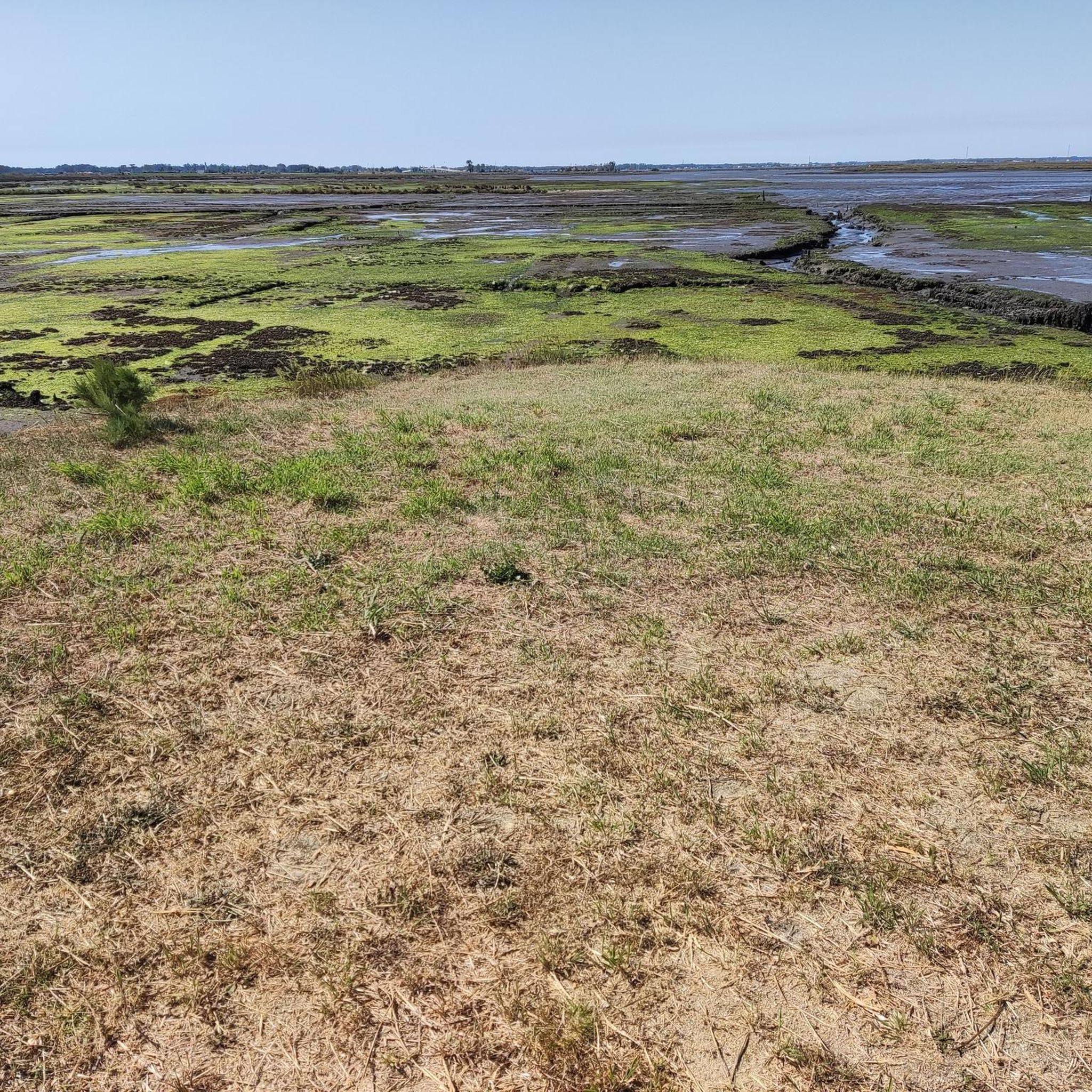
Salt mining in the Aveiro region dates back to a time before the Ria de Aveiro itself existed, with the first written document about Aveiro salt production dating back to before the founding of the nation. Over the centuries, the instability of the inlet (isolation from the sea) was a decisive factor in the variation in the number and production of salt pans. This resulted in periods of decline interspersed with periods of great favorability for production. This occurred in 1572, when, given the favorable condition of the inlet and the high and progressive commercial and maritime index, Aveiro became one of the best ports in Portugal, with a significant increase in salt trade and cod fishing. In 1808, the new inlet (an artificial system that allows seawater to enter) was finally opened, a fact of exceptional importance for the future of Aveiro and the entire region. (Source: Wikipedia) (Source: Wikipedia)⁶
14
0
Frequently Asked Questions
How many road cycling routes are available around Santiago De Riba-Ul?
There are over 140 road cycling routes available around Santiago De Riba-Ul, offering a wide range of options for different skill levels and preferences. These routes are highly rated by the komoot community.
Are there road cycling routes suitable for beginners or families in the Santiago De Riba-Ul area?
Yes, the region offers routes suitable for beginners. While many routes are moderate to difficult, there are at least 4 routes classified as easy. These often feature flatter stretches, particularly those exploring coastal or river valley areas, which can be more family-friendly.
What kind of terrain can I expect on road cycling routes around Santiago De Riba-Ul?
The terrain around Santiago De Riba-Ul is diverse. You can expect a mix of coastal paths, river valleys, and varied landscapes. Some routes feature flatter sections, while others, like the Pico do Gralheiro Circuit from Oliveira de Azeméis, include significant elevation gain and challenging climbs.
Are there challenging road cycling routes for experienced cyclists?
Absolutely. For experienced cyclists seeking a challenge, there are 47 routes classified as difficult. The Pico do Gralheiro Circuit from Oliveira de Azeméis is a prime example, known for its substantial elevation gain and demanding sections.
What are some scenic viewpoints or attractions I can see along the road cycling routes?
Many routes offer picturesque views, especially those near the coast or river valleys. You might pass by cultural points of interest such as the Igreja Matriz de Oliveira de Azeméis, an 18th-century church, or the historic Castle of Santa Maria da Feira. Coastal routes can also provide views of Blue Flag beaches and estuaries.
Are there circular road cycling routes available?
Yes, many of the road cycling routes in the region are designed as loops. Examples include the popular Ria de Aveiro and São Jacinto Loop from, and the Torreira Marina – Ponte da Varela loop from Oliveira de Azeméis, which take you through varied landscapes and return to your starting point.
What is the typical length of road cycling routes in Santiago De Riba-Ul?
Route lengths vary significantly. For instance, the Ria de Aveiro and São Jacinto Loop from is over 100 km (62 miles), while the Pico do Gralheiro Circuit from Oliveira de Azeméis is around 60 km (37 miles). You'll find options ranging from shorter rides to longer, more enduring tours.
What do other road cyclists say about cycling in Santiago De Riba-Ul?
The road cycling experience in Santiago De Riba-Ul is highly rated by the komoot community, with an average score of 4.1 stars from over 60 reviews. Cyclists often praise the diverse landscapes, from coastal paths to challenging climbs, and the varied terrain that caters to different ability levels.
When is the best time of year for road cycling in Santiago De Riba-Ul?
Portugal generally offers a pleasant climate for cycling for much of the year. Spring and autumn typically provide ideal temperatures, avoiding the peak heat of summer and the cooler, wetter conditions of winter. However, coastal routes can be enjoyable even in milder winter conditions.
Are there any routes that explore the coastal areas near Santiago De Riba-Ul?
Yes, several routes take you to the coast. The Ria de Aveiro and São Jacinto Loop from and the Torreira Marina – Ponte da Varela loop from Oliveira de Azeméis are excellent choices for experiencing coastal and waterfront areas, offering scenic views and a different cycling environment.
Can I find routes that pass through towns or offer opportunities for cafe stops?
While specific cafe stops are not detailed for every route, many routes pass through or near towns and villages like Ovar Town Centre or Pinheiro da Bemposta. These settlements often provide opportunities for refreshments and breaks, allowing you to combine your ride with local exploration.
Most popular routes around Santiago De Riba-Ul
Most popular attractions around Santiago De Riba-Ul

Get inspired with the komoot mobile app


Explore more
Browse the best Road cycling routes in other regions.
