The best road cycling routes around Travanca
4.0
(42)
1,433
riders
90
rides
Road cycling around Travanca, particularly in areas near Amarante and Santa Maria da Feira, features diverse landscapes suitable for various cycling experiences. The region is characterized by rolling hills, winding roads, and riverine environments, offering a blend of natural scenery and historical landmarks. Cyclists can find routes that traverse agricultural lands, pass through traditional villages, and offer views of significant architectural sites such as the Monastery of the Saviour of Travanca. The topography provides varied terrain, from gentler stretches along…
Last updated: October 18, 2026
5.0
(3)
107
riders
101km
04:17
600m
600m
Moderate road ride. Good fitness required. Mostly well-paved surfaces and easy to ride.
5.0
(4)
76
riders
60.4km
03:27
1,340m
1,330m
Hard road ride. Very good fitness required. Mostly well-paved surfaces and easy to ride.

3.3
(7)
29
riders
85.3km
03:44
400m
400m
Moderate road ride. Good fitness required. Mostly well-paved surfaces and easy to ride.
18
riders
Moderate road ride. Good fitness required. Mostly well-paved surfaces and easy to ride.
20
riders
Moderate road ride. Good fitness required. Some segments of this route may be unpaved and difficult to ride.
Get access to more routes and recommendations from other explorers.
Already have an account?
Our route recommendations are based on thousands of hikes, rides, and runs completed by other people on komoot.
Start today with a free account
Your next adventure awaits.
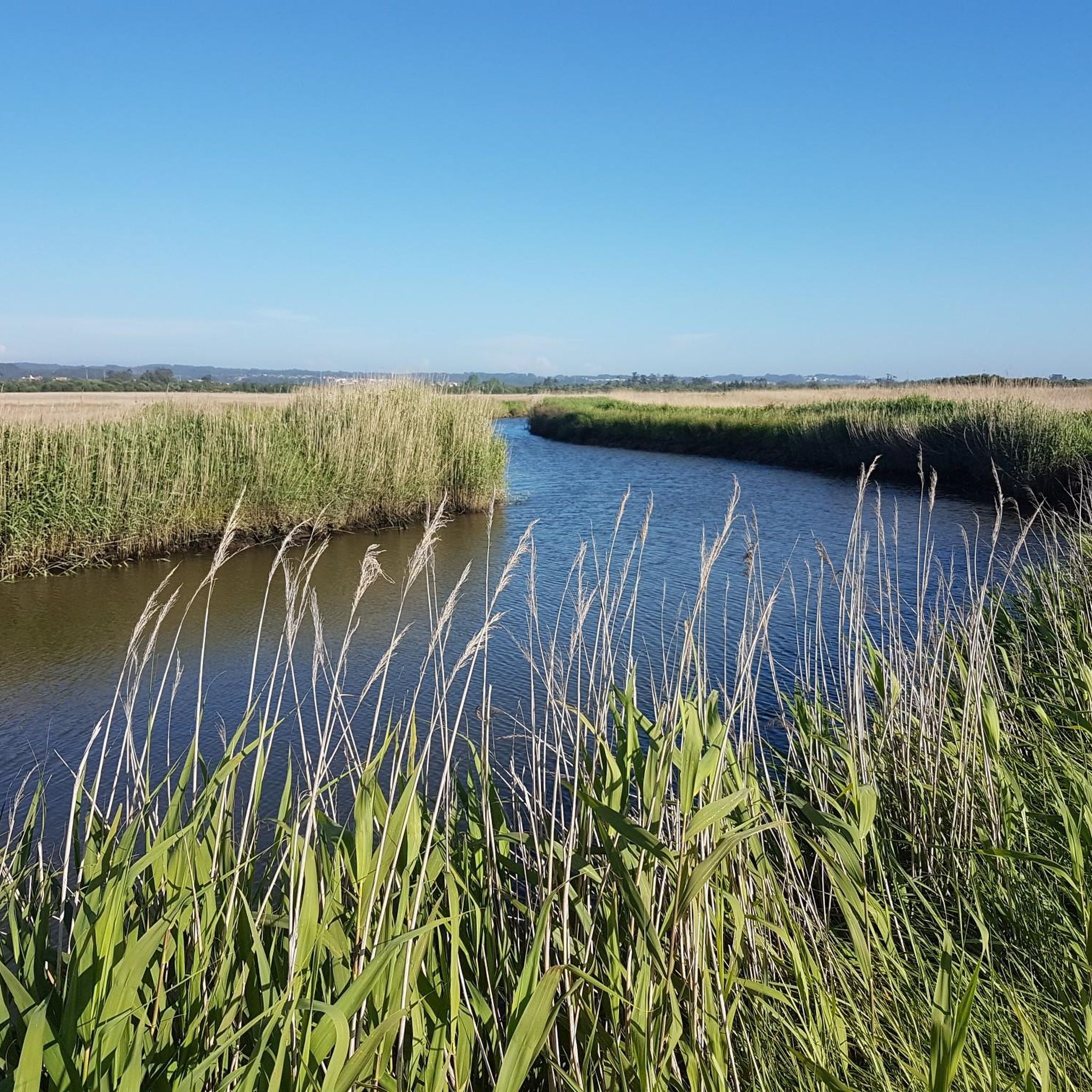
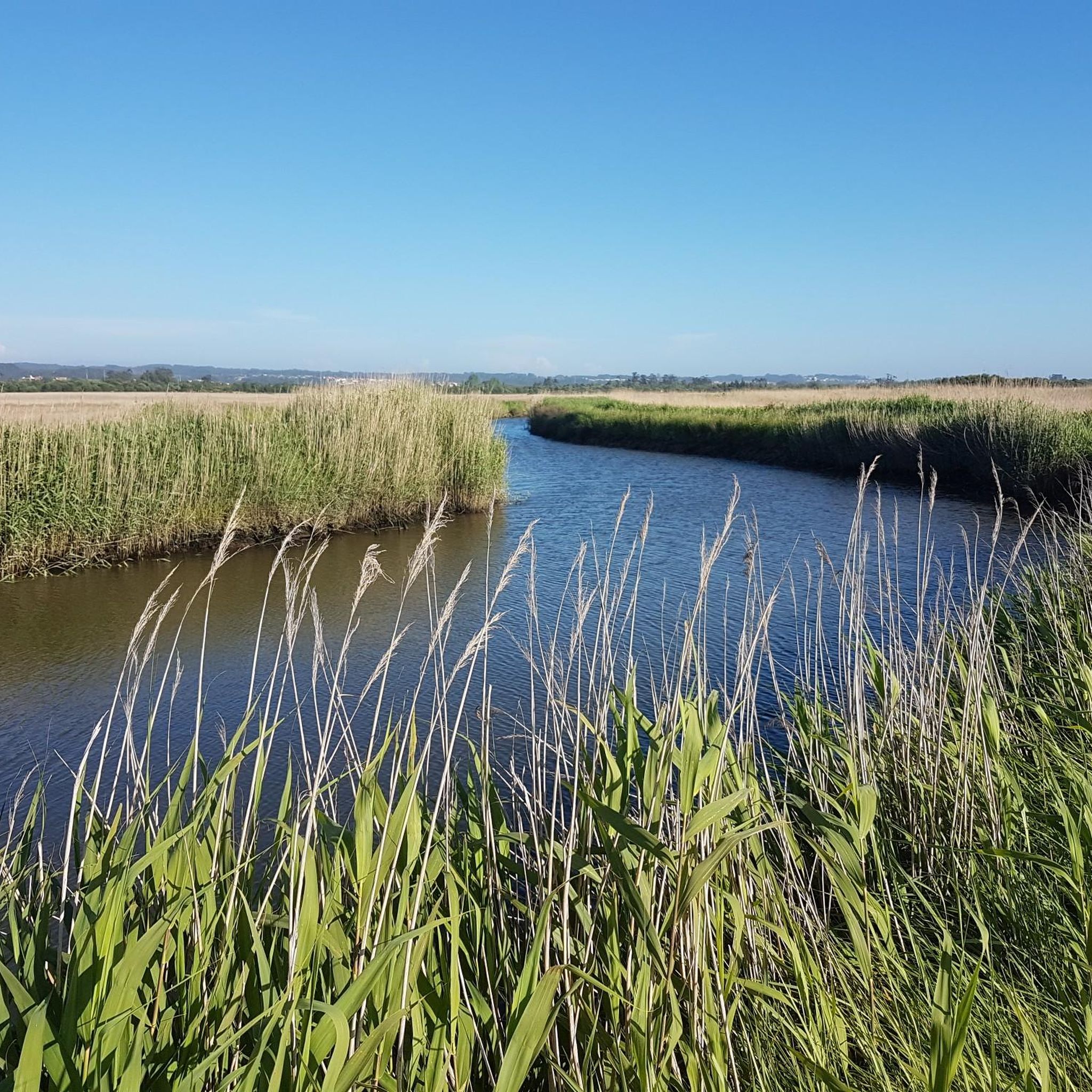

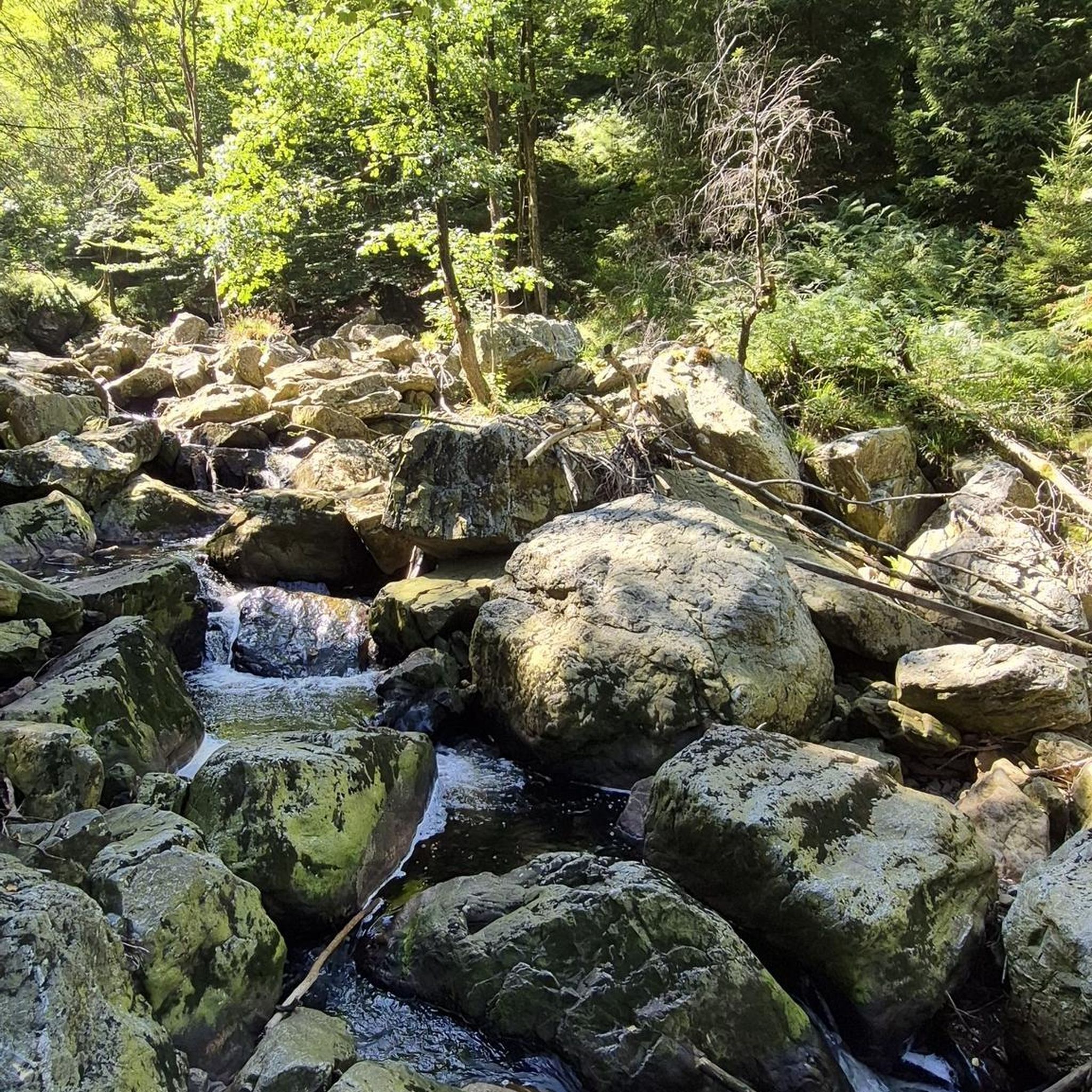
Tips from the Community

Dona Teresa was an important historical figure of Portugal, who ruled as Countess of the Portucalense County and called herself Queen from 1117. She was the mother of the 1st King D. Alfonso Henriques.
1
0

Be sure to check departure times online: https://www.aveirobus.pt/transporte-fluvial From Barra, a round trip for pedestrians costs €3.70. Tickets can be purchased from the machine (Portuguese and English) in the waiting area in Barra using a card payment method. Cash payments can be made directly to the ferry staff. There is free parking for cars in Barra.
0
0

In the past, this bridge was used to be used to ask for the hand of the beloved (engagement bridge).
4
0

On this avenue you can have a good snack!!
0
0


Salt mining in the Aveiro region dates back to a time before the Ria de Aveiro itself existed, with the first written document about Aveiro salt production dating back to before the founding of the nation. Over the centuries, the instability of the inlet (isolation from the sea) was a decisive factor in the variation in the number and production of salt pans. This resulted in periods of decline interspersed with periods of great favorability for production. This occurred in 1572, when, given the favorable condition of the inlet and the high and progressive commercial and maritime index, Aveiro became one of the best ports in Portugal, with a significant increase in salt trade and cod fishing. In 1808, the new inlet (an artificial system that allows seawater to enter) was finally opened, a fact of exceptional importance for the future of Aveiro and the entire region. (Source: Wikipedia) (Source: Wikipedia)⁶
14
0
Frequently Asked Questions
How many road cycling routes are available around Travanca?
There are over 90 road cycling routes available around Travanca, offering a wide range of options for different skill levels and preferences. The komoot community has explored these routes over 1500 times.
What kind of terrain can I expect on road cycling routes around Travanca?
Road cycling around Travanca features diverse landscapes, from rolling hills and winding roads to riverine environments. You'll find routes traversing agricultural lands, passing through traditional villages, and offering views of significant architectural sites. The topography provides varied terrain, including gentler stretches along river valleys and more challenging ascents in elevated areas.
Are there road cycling routes suitable for beginners in Travanca?
Yes, Travanca offers a few easier road cycling routes. While the majority are moderate, there are at least 2 routes classified as easy, perfect for those new to road cycling or looking for a more relaxed ride.
Are there challenging road cycling routes for experienced cyclists in Travanca?
Absolutely. For experienced cyclists seeking a challenge, Travanca offers 29 difficult road cycling routes. One such route is the Pico do Gralheiro Circuit from Oliveira de Azeméis, which features significant elevation gain and panoramic vistas.
What historical landmarks can I see while road cycling in Travanca?
The region around Travanca is rich in history. You can encounter architectural gems like the imposing 13th-century Monastery of the Saviour of Travanca, a National Monument. Near Amarante, the beautiful São Gonçalo Bridge is another significant landmark. In Oliveira de Azeméis, you might pass by the Igreja Matriz de Oliveira de Azeméis.
Are there any natural attractions or scenic viewpoints along the road cycling routes?
Yes, the region offers breathtaking natural beauty. Some routes may take you near the Paiva River, known for its crystal-clear waters and mountainous setting within the Arouca UNESCO Geopark. You can also find natural highlights like the Cabreia Waterfall, which provides a refreshing stop.
Are there circular road cycling routes around Travanca?
Many of the road cycling routes in Travanca are designed as loops or circuits, allowing you to start and end at the same point. Examples include the Ria de Aveiro and São Jacinto Loop from and the Torreira Marina – Ponte da Varela loop from Oliveira de Azeméis.
What do other cyclists say about road cycling in Travanca?
The road cycling routes in Travanca are highly rated by the komoot community, with an average score of 4.1 stars from over 40 reviews. Cyclists often praise the varied terrain, the blend of natural scenery and historical landmarks, and the well-maintained roads.
What is the best time of year for road cycling in Travanca?
While specific seasonal details are not provided, Portugal's generally mild climate makes road cycling enjoyable for much of the year. Spring and autumn typically offer the most comfortable temperatures and pleasant conditions for exploring the region's diverse landscapes.
Is parking available near the road cycling routes in Travanca?
While specific parking facilities for each route are not detailed, Travanca and its surrounding towns like Oliveira de Azeméis generally offer public parking options. It's advisable to check local parking availability in the starting towns of your chosen route.
Can I access road cycling routes in Travanca using public transport?
Accessing road cycling routes via public transport can be challenging in some rural Portuguese areas. While major towns like Amarante or Santa Maria da Feira have public transport links, options for transporting bicycles may be limited. It's recommended to research specific bus or train lines and their bicycle policies if you plan to use public transport.
Are there family-friendly road cycling options in Travanca?
For family-friendly road cycling, look for routes classified as 'easy' or 'moderate' with less elevation gain. While specific family-focused routes are not highlighted, the region's diverse terrain means there are likely flatter sections, especially along river valleys, that could be suitable for families. Always check the route's elevation profile and distance before setting out.
Most popular routes around Travanca
Most popular attractions around Travanca

Get inspired with the komoot mobile app


Explore more
Browse the best Road cycling routes in other regions.
