The best road cycling routes around Pessegueiro Do Vouga
5.0
(3)
348
riders
37
rides
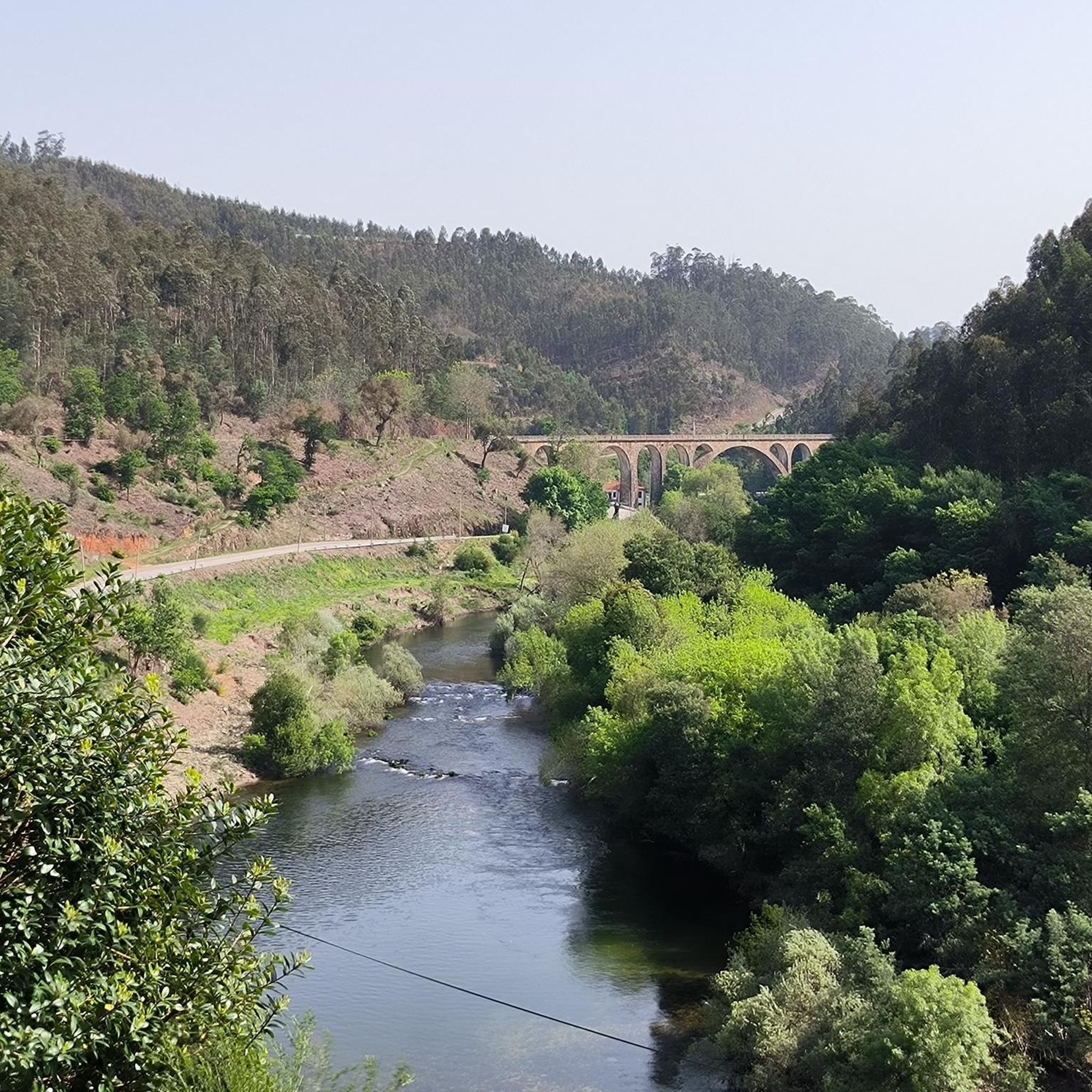
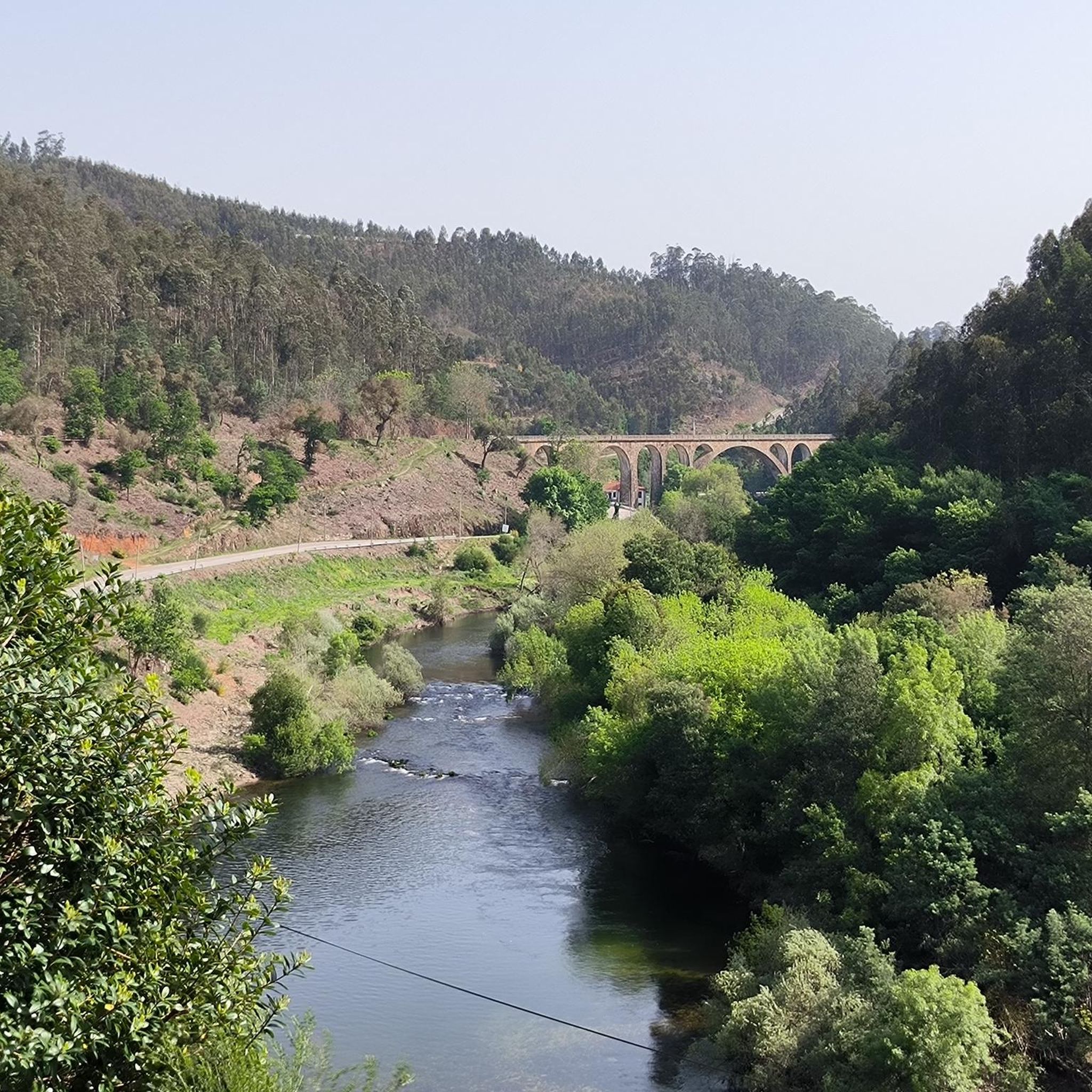
Road cycling routes around Pessegueiro Do Vouga traverse a diverse landscape characterized by the Vouga Valley and its river, extensive forests of eucalyptus, pine, oak, and chestnut, and former railway lines converted into cycling paths. The region offers varied terrain, from quiet roads along riverbeds to ascents reaching over 500 meters above sea level. This area provides a mix of gradients and scenic backdrops for road cyclists.
Best road cycling routes around Pessegueiro Do Vouga
- The most popular road cycling…
Last updated: July 11, 2026
42
riders
101km
04:14
490m
490m
Moderate road ride. Good fitness required. Some segments of this route may be unpaved and difficult to ride.
48
riders
99.1km
04:15
510m
510m
Moderate road ride. Good fitness required. Mostly well-paved surfaces and easy to ride.

Sign up for free
26
riders
58.4km
02:41
430m
430m
Moderate road ride. Good fitness required. Some segments of this route may be unpaved and difficult to ride.
22
riders
53.3km
02:19
440m
440m
Moderate road ride. Good fitness required. Mostly well-paved surfaces and easy to ride.
5.0
(1)
20
riders
64.9km
03:16
1,010m
1,010m
Hard road ride. Very good fitness required. Mostly well-paved surfaces and easy to ride.
Get access to more routes and recommendations from other explorers.
Sign up for free
Already have an account?
Our route recommendations are based on thousands of hikes, rides, and runs completed by other people on komoot.
Start today with a free account
Your next adventure awaits.
Login or Signup

Tips from the Community

The Cross of São Domingos (also known as Cruzeiro de São Domingos or Cruzeiro de Nossa Senhora da Glória) is an ornate, late Gothic stone cross from the late 15th century. It is located protected in the vestibule (Galilé) of the Cathedral of Aveiro (Sé Catedral de Aveiro / Igreja de São Domingos).Interesting facts about the cross:Origin: It comes from a workshop in Coimbra.
3
0

In the past, this bridge was used to be used to ask for the hand of the beloved (engagement bridge).
4
0

On this avenue you can have a good snack!!
0
0


Aveiro boasts a unique natural and urban landscape, dominated by the Ria de Aveiro and the streams that penetrate the urban space and have permanently marked the local history, heritage, culture, and identity. Aboard one of the typical boats, including the Moliceiro boat, take the opportunity to explore the city through the canals, which, at sunset, turn from silver to gold with the reflection of the sun's rays. There are other types of tourist transport available that can take you on a longer tour to explore the rest of the city and its main tourist attractions, such as the typical fishing and seafaring neighborhood, the Beira-Mar neighborhood, the old, walled, upscale area of the city, the Alboi neighborhood, the Cais da Fonte Nova, or the University of Aveiro, a true open-air museum of contemporary Portuguese architecture. (Source: www.turismodocentro.pt)
9
0
Salt mining in the Aveiro region dates back to a time before the Ria de Aveiro itself existed, with the first written document about Aveiro salt production dating back to before the founding of the nation. Over the centuries, the instability of the inlet (isolation from the sea) was a decisive factor in the variation in the number and production of salt pans. This resulted in periods of decline interspersed with periods of great favorability for production. This occurred in 1572, when, given the favorable condition of the inlet and the high and progressive commercial and maritime index, Aveiro became one of the best ports in Portugal, with a significant increase in salt trade and cod fishing. In 1808, the new inlet (an artificial system that allows seawater to enter) was finally opened, a fact of exceptional importance for the future of Aveiro and the entire region. (Source: Wikipedia) (Source: Wikipedia)⁶
13
0
The Palheiros da Costa Nova, or the colorful little houses of Costa Nova, are the old fishermen's warehouses. In other words, these are where they stored their nets, boats, and fishing gear at the end of the day. But what makes the palheiros da Costa Nova so special, and why everyone wants to see them, is their picturesque and colorful appearance. The striped facades leave no one indifferent. And the fact that they are located in a seaside setting attracts even more visitors. Besides the palheiros, Costa Nova offers other must-see attractions for visitors. We're talking about extensive golden sand beaches, ideal for sunbathing or enjoying water sports like surfing and windsurfing. (Source: loveitportugal.com)
13
0
Allows you to cross the Aveiro estuary
11
0
Frequently Asked Questions
What types of road cycling routes can I expect in Pessegueiro do Vouga?
Pessegueiro do Vouga offers a diverse range of road cycling routes, characterized by the scenic Vouga Valley, extensive forests of eucalyptus, pine, oak, and chestnut, and former railway lines transformed into cycling paths. You'll find everything from quiet roads along riverbeds to more challenging ascents, with some routes reaching over 500 meters above sea level.
Are there routes suitable for beginners or those looking for an easier ride?
Yes, while many routes are moderate, there are options for less experienced cyclists. The region's ecopistas, like sections of the Ecovia do Vouga, often provide a gentler gradient as they follow old railway lines, making them suitable for a more relaxed pace. Overall, there are 4 easy routes available in the area.
What are some of the more challenging road cycling routes in the area?
For experienced cyclists seeking a challenge, Pessegueiro do Vouga offers routes with significant elevation gains. For instance, the Paradela Railway Station – Oliveira de Frades loop from Estação Ferroviária de Paradela (desactivada) is a difficult route with over 1000 meters of elevation gain, providing a demanding ride through varied terrain.
What interesting landmarks or natural attractions can I see along the road cycling routes?
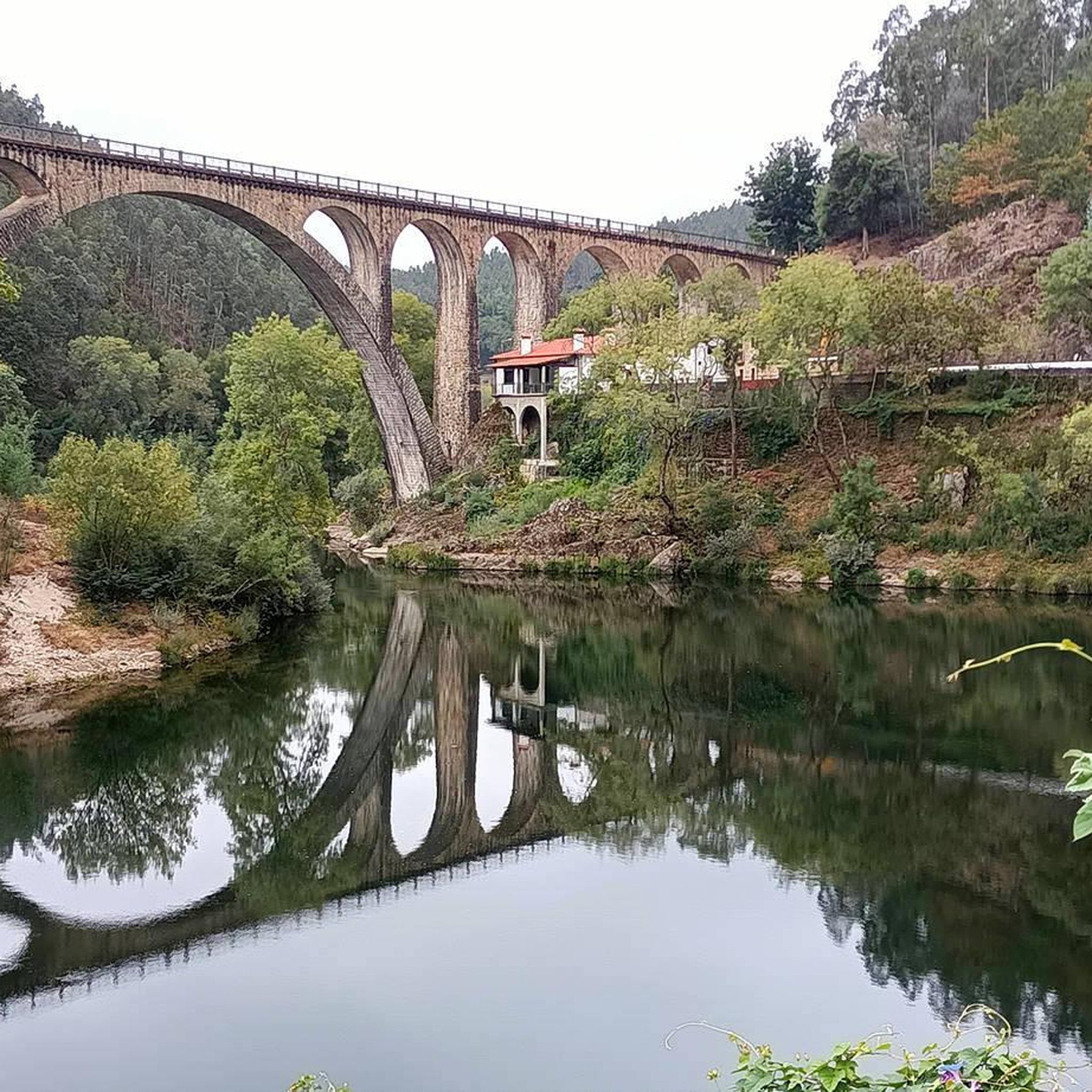
The routes in Pessegueiro do Vouga are rich with natural and historical sights. You can encounter the impressive Cabreia Waterfall, a 25-meter cascade with a natural pool. Cyclists on the Ecovia do Vouga will also pass the monumental Poço de S. Tiago Bridge, a striking stone masonry structure. The Paradela Station, a recovered old railway station, also serves as a notable point of interest and support.
Are there any family-friendly road cycling options in Pessegueiro do Vouga?
Yes, the region's ecopistas, particularly sections of the Ecovia do Vouga, are generally well-suited for family cycling due to their relatively flat terrain and dedicated paths away from heavy traffic. These routes offer a safe and enjoyable experience for families to explore the riverside scenery and forests.
Can I find circular road cycling routes in Pessegueiro do Vouga?
Many of the road cycling routes in Pessegueiro do Vouga are designed as loops, allowing you to start and end at the same point. Examples include the Canal de Mira Bridge – Barra Lighthouse loop from Sernada do Vouga and the Ponte da Varela – Torreira Marina loop from Sernada do Vouga, offering convenient circular journeys.
What is the best time of year for road cycling in Pessegueiro do Vouga?
The region generally offers pleasant cycling conditions for much of the year. Spring and autumn are often ideal, with milder temperatures and lush landscapes. Summer can be warm, but the riverside routes and forested sections provide some shade. It's always advisable to check local weather forecasts before heading out.
Are there facilities like cafes or restaurants along the cycling routes?
Yes, especially along popular routes like the Ecovia do Vouga. You can find support points and cafes, such as the Paradela Eco Café, which is housed in a recovered old railway station. Many towns and villages along the routes also offer local establishments where cyclists can refuel and rest.
What is the terrain like for road cycling in Pessegueiro do Vouga?
The terrain is quite varied. You'll encounter flat, paved sections along the ecopistas and river valleys, as well as rolling hills and more significant climbs, particularly when venturing into areas like the village of Silveira, which reaches 521 meters above sea level. The routes often feature quiet roads through eucalyptus, pine, oak, and chestnut forests.
Where can I find parking for road cycling routes in Pessegueiro do Vouga?
Parking is typically available in the towns and villages that serve as starting points for many routes. For routes along the Ecovia do Vouga, look for designated parking areas near former railway stations or accessible points in towns like Sever do Vouga or Pessegueiro do Vouga itself.
What do other road cyclists enjoy most about the routes in Pessegueiro do Vouga?
The area is highly rated by the komoot community, with an average score of 5.0 stars. Reviewers often praise the region's diverse landscapes, the unique experience of cycling along the Ecovia do Vouga, and the blend of natural beauty with historical landmarks like the Poço de S. Tiago Bridge.
Are there any routes that connect Pessegueiro do Vouga to other nearby towns or regions?
Yes, the Ecovia do Vouga is a prime example, stretching for 70 kilometers and connecting Sernada do Vouga to Santa Comba Dão, passing through Pessegueiro do Vouga and Sever do Vouga. Additionally, the Grande Rota da Ria de Aveiro - Percurso Verde includes stages through Pessegueiro do Vouga, linking the area to broader regional networks.
Most popular routes around Pessegueiro Do Vouga
Most popular attractions around Pessegueiro Do Vouga

Get inspired with the komoot mobile app


Explore more
Browse the best Road cycling routes in other regions.
