The best road cycling routes around Santo António De Vagos
4.4
(24)
988
riders
71
rides
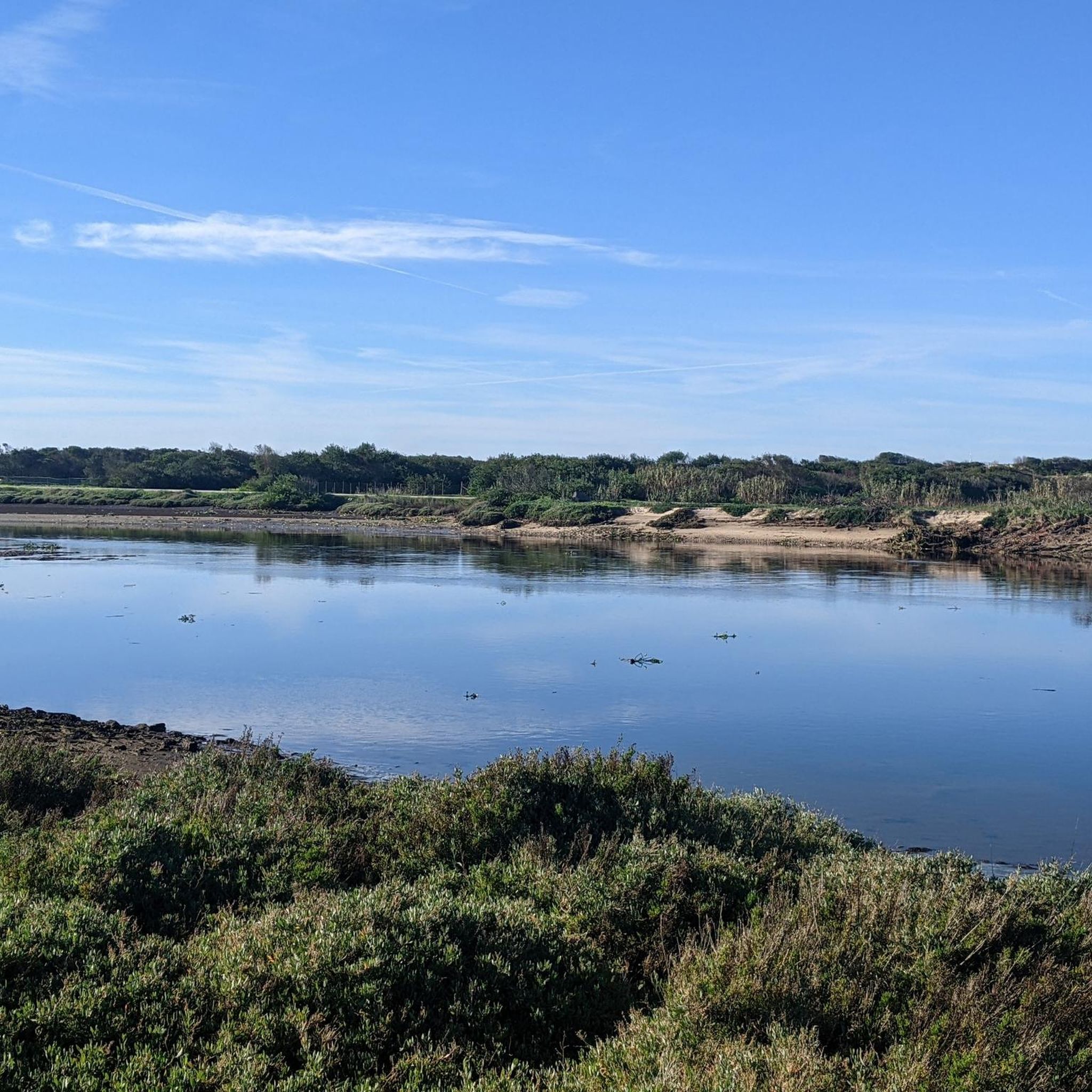
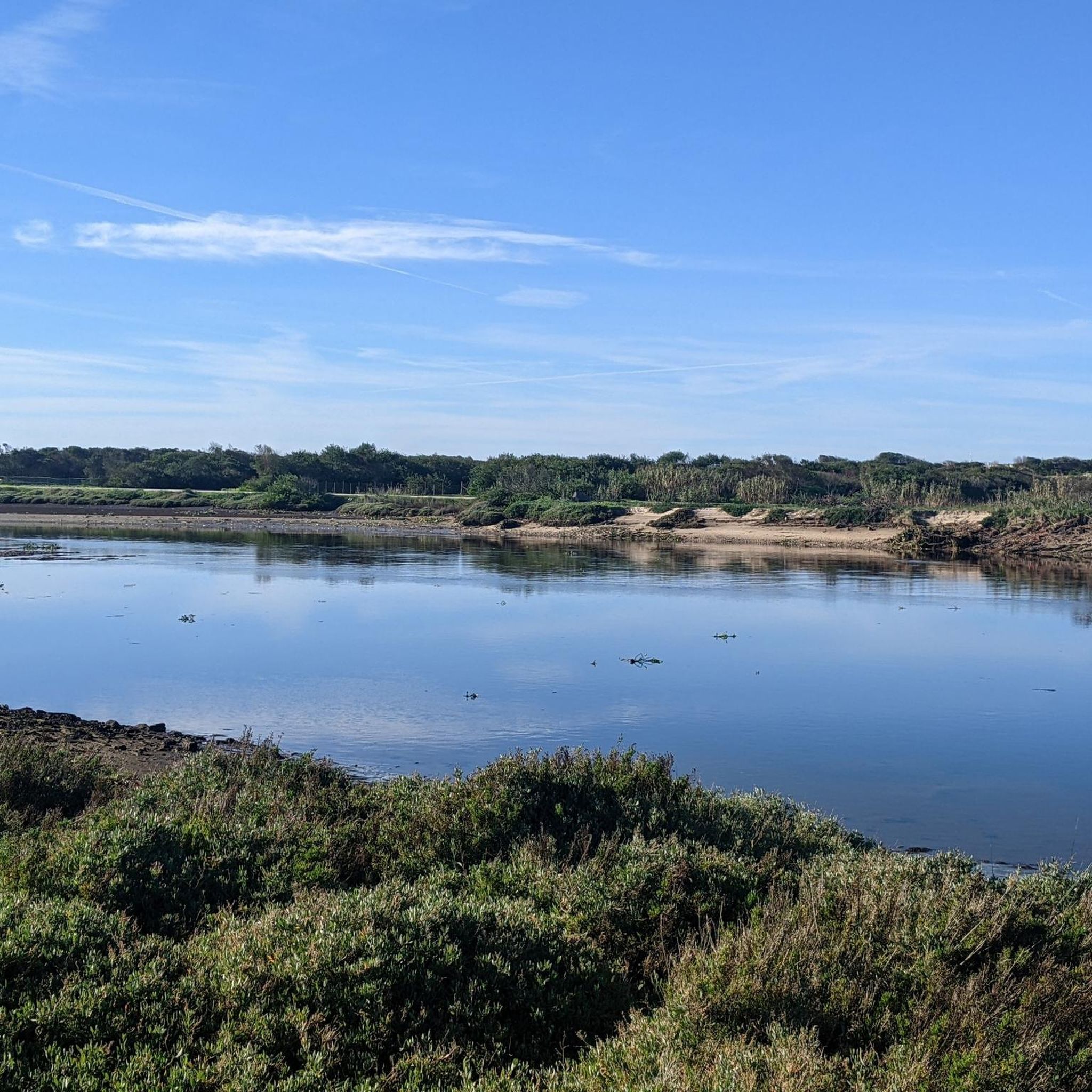
Road cycling routes around Santo António De Vagos are characterized by the region's predominantly flat topography, making it suitable for cyclists of all levels. The area features extensive cycling infrastructure, often running alongside the tranquil canals and salt marshes of the Ria de Aveiro. Cyclists can navigate routes with minimal elevation gain, enjoying views of the water and diverse natural features. The landscape also includes coastal dune systems and agricultural fields, providing varied scenery for road cyclists.
Best road cycling…
Last updated: July 15, 2026
5.0
(7)
157
riders
Moderate road ride. Good fitness required. Some segments of this route may be unpaved and difficult to ride.
12
riders
34.4km
01:25
80m
80m
Easy road ride. Great for any fitness level. Mostly well-paved surfaces and easy to ride.

Sign up for free
9
riders
Easy road ride. Great for any fitness level. Mostly well-paved surfaces and easy to ride.
9
riders
Easy road ride. Great for any fitness level. Mostly well-paved surfaces and easy to ride.
5
riders
52.7km
02:10
200m
200m
Moderate road ride. Good fitness required. Mostly well-paved surfaces and easy to ride.
Get access to more routes and recommendations from other explorers.
Sign up for free
Already have an account?
Our route recommendations are based on thousands of hikes, rides, and runs completed by other people on komoot.
Start today with a free account
Your next adventure awaits.
Login or Signup
Tips from the Community

Quick and easy connection for bikes, cars and pedestrians
0
0

Salt mining in the Aveiro region dates back to a time before the Ria de Aveiro itself existed, with the first written document about Aveiro salt production dating back to before the founding of the nation. Over the centuries, the instability of the inlet (isolation from the sea) was a decisive factor in the variation in the number and production of salt pans. This resulted in periods of decline interspersed with periods of great favorability for production. This occurred in 1572, when, given the favorable condition of the inlet and the high and progressive commercial and maritime index, Aveiro became one of the best ports in Portugal, with a significant increase in salt trade and cod fishing. In 1808, the new inlet (an artificial system that allows seawater to enter) was finally opened, a fact of exceptional importance for the future of Aveiro and the entire region. (Source: Wikipedia) (Source: Wikipedia)⁶
13
0
The Palheiros da Costa Nova, or the colorful little houses of Costa Nova, are the old fishermen's warehouses. In other words, these are where they stored their nets, boats, and fishing gear at the end of the day. But what makes the palheiros da Costa Nova so special, and why everyone wants to see them, is their picturesque and colorful appearance. The striped facades leave no one indifferent. And the fact that they are located in a seaside setting attracts even more visitors. Besides the palheiros, Costa Nova offers other must-see attractions for visitors. We're talking about extensive golden sand beaches, ideal for sunbathing or enjoying water sports like surfing and windsurfing. (Source: loveitportugal.com)
13
0
Allows you to cross the Aveiro estuary
11
0


Today the ferry was not in operation, due to a sporting event the roads were closed
0
0

A beautiful open square with a large roundabout. From here, you can walk to Velha Beach or enjoy a delicious meal at one of the nearby restaurants. The Praia do Farol restaurant is highly recommended.
6
0
The Farol de Aveiro (also known as da Barra) is over 60 meters high, making it the sixth tallest lighthouse in the world. Every Wednesday, the first 50 visitors are allowed to ascend the tower. Therefore, there are often long lines of people in front of the tower on Wednesdays.
8
1
Frequently Asked Questions
How many road cycling routes are available in Santo António De Vagos?
There are over 75 road cycling routes around Santo António De Vagos. These include a variety of options, with 30 routes rated as easy, 38 as moderate, and 8 as difficult, catering to all skill levels.
What kind of terrain can I expect on road cycling routes around Santo António De Vagos?
The road cycling routes in Santo António De Vagos are characterized by a predominantly flat topography, making them ideal for cyclists seeking minimal elevation gain. You'll find routes running alongside the tranquil canals and salt marshes of the Ria de Aveiro, through coastal dune systems, and past agricultural fields. Many paths feature mostly paved surfaces, ensuring a smooth ride.
Are there any family-friendly road cycling routes in the area?
Yes, the region's flat terrain and extensive cycling infrastructure make it very suitable for families. Many of the 30 easy routes are perfect for a leisurely ride. The Canal de Mira Cycle Path, for instance, offers calm, natural views away from traffic, providing a safe and enjoyable experience for all ages.
What natural features or landmarks can I see along the road cycling routes?
Road cycling routes in Santo António De Vagos offer diverse scenery. You can explore the unique ecosystem of the Ria de Aveiro, often referred to as the 'Venice of Portugal,' with its canals and salt marshes. Highlights include the Canal de Mira Cycle Path, the coastal dune systems near Mira Beach, and the Barrinha de Mira Lagoon Promenade. Further afield, the iconic Costa Nova Striped Houses are also accessible via cycling routes.
What do other road cyclists enjoy most about cycling in Santo António De Vagos?
The area is highly rated by the komoot community, with an average score of 4.3 stars from over 20 reviews. Cyclists often praise the region's flat and scenic routes, particularly those along the Ria de Aveiro, which offer beautiful water views and a peaceful cycling experience. The well-maintained cycle paths and varied landscapes are frequently highlighted.
Are there any circular road cycling routes available?
Yes, many road cycling routes in Santo António De Vagos are designed as loops. For example, the Vagos Municipal Library loop from Vagos is an easy 21.6-mile (34.7 km) path, and the Vagos Municipal Library – Cycle path from Vagos to Vagueira loop from Vagos is an 18.1-mile (29.1 km) trail that takes you through coastal areas.
What is the best time of year for road cycling in Santo António De Vagos?
The region is suitable for road cycling for much of the year due to its mild climate. Spring and autumn generally offer the most pleasant conditions with comfortable temperatures and less chance of extreme weather. Summer can be warm, but coastal breezes often make it enjoyable, especially for early morning or late afternoon rides.
Are there any longer road cycling routes for more experienced riders?
Yes, for those seeking longer distances, the region offers several options. The Aveiro – São Jacinto Ferry – Canal de Mira Bridge loop from Santo André de Vagos is a moderate 36.5-mile (58.7 km) route. Additionally, the area connects to the larger Great Route of the Aveiro Lagoon, which includes routes like the Blue Route spanning approximately 131 km, offering extensive paved segments for longer adventures.
Can I access road cycling routes using public transport?
Santo António De Vagos is part of the wider Aveiro region, which has public transport options. While specific routes directly to trailheads might vary, the general infrastructure allows for connections. It's advisable to check local bus or train schedules for services to Vagos or nearby towns, and confirm if bikes are permitted on board, especially during off-peak hours.
Are there any specific cycle paths or networks I should know about?
Absolutely. The Canal de Mira Cycle Path is a significant feature, offering scenic rides along the shore. The region is also part of the comprehensive Great Route of the Aveiro Lagoon, which includes the Blue, Green, and Golden Routes, showcasing diverse landscapes. Furthermore, the international EuroVelo 1 - Atlantic Coast Route passes through the area, providing connections for longer-distance road cycling.
Where can I find parking for my car when starting a road cycling route?
Many starting points for road cycling routes in Santo António De Vagos, especially near municipal libraries or popular attractions, offer designated parking areas. For instance, routes starting from Vagos Municipal Library typically have convenient parking nearby. It's always recommended to check specific route details for parking information.
Are there any routes that offer coastal views?
Yes, many routes provide stunning coastal views. The Vagos Municipal Library – Cycle path from Vagos to Vagueira loop from Vagos leads through coastal areas. You can also enjoy views of the extensive dune systems and the Atlantic Ocean near Praia de Mira, and the Costa Nova to Vagueira Cycle Path offers picturesque coastal scenery.
Most popular attractions around Santo António De Vagos

Get inspired with the komoot mobile app


Explore more
Browse the best Road cycling routes in other regions.
