Attractions and Places To See around Norte Grande (Neves) - Top 20
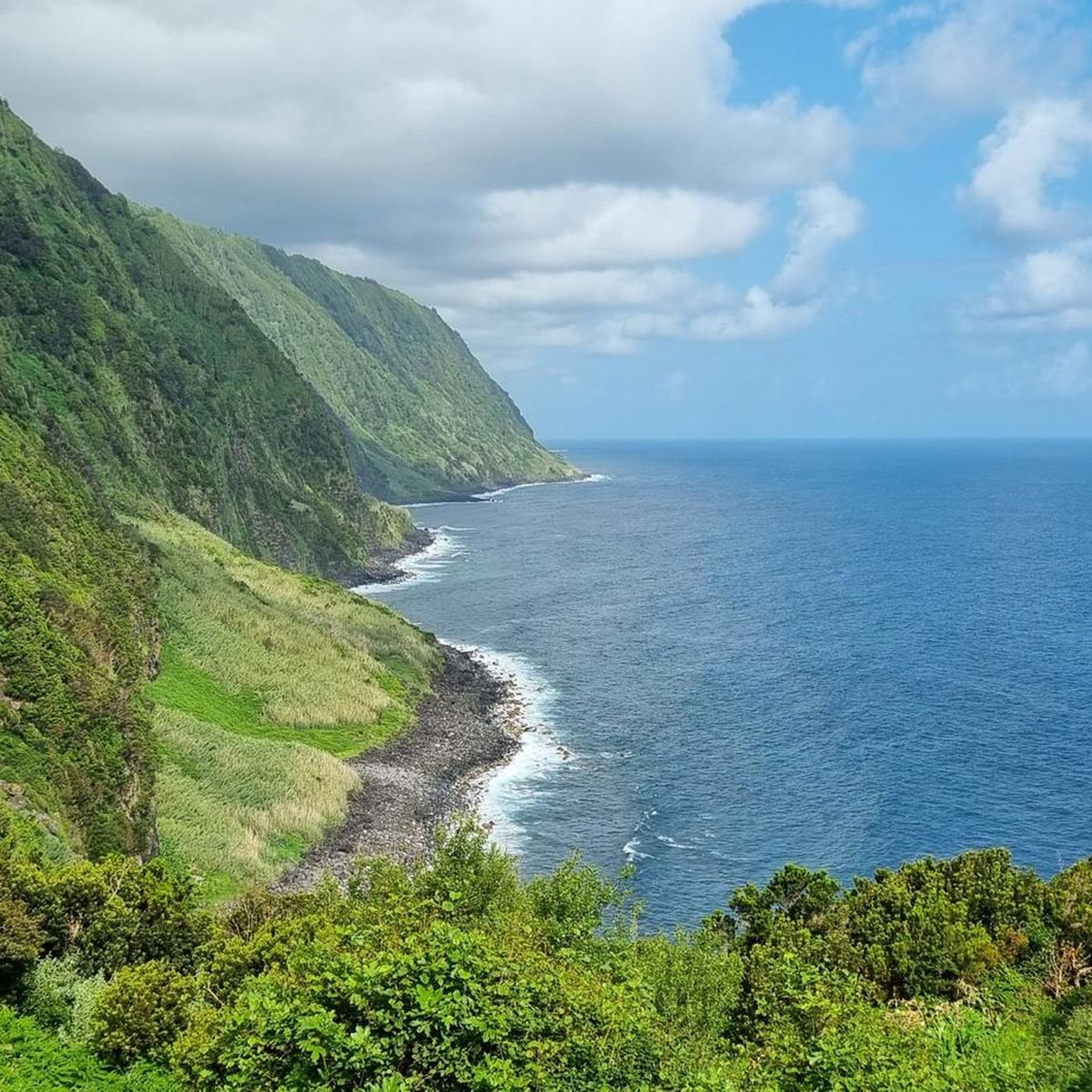
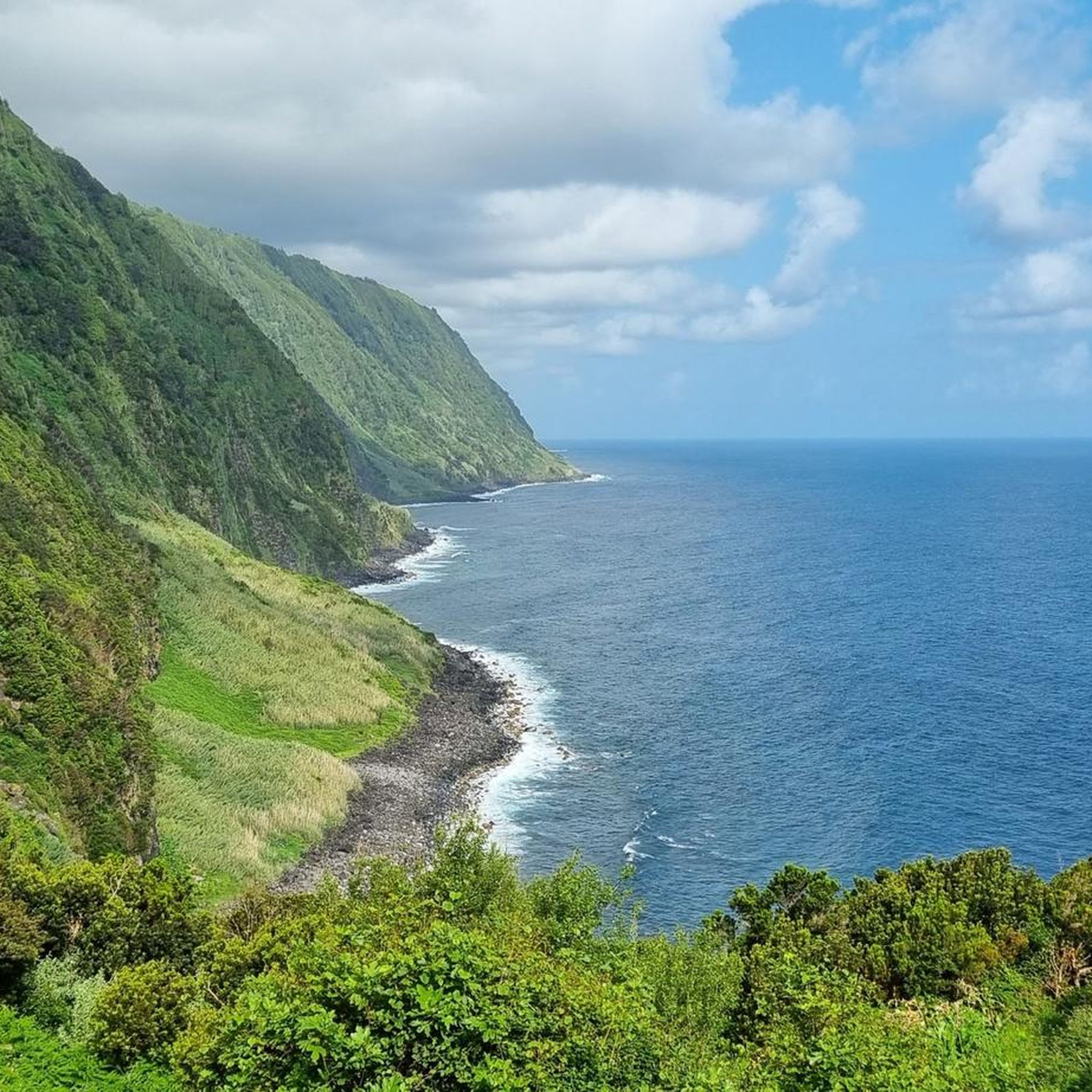
Best attractions and places to see around Norte Grande (Neves) include unique geological formations and historical sites on São Jorge, Azores. This civil parish, also known as Neves, is characterized by its dramatic northern coast with sea-level debris fields called fajãs. The interior features agricultural plains and inactive volcanic cones, showcasing the island's volcanic origin. The region offers a blend of natural landscapes and cultural landmarks, making it a notable destination for exploration.
Best attractions and places to see around Norte Grande (Neves)
- The most popular attractions is Fajã de Santo Cristo, a settlement that is unique in its remote location and accessible primarily by walking, bike, or quad. This fajã features a small town with options for overnight stays and a restaurant serving fresh seafood.
- Another must-see spot is Pico da Esperança Crater Lake, a summit and natural monument. This is the highest point of São Jorge Island, offering views of the surrounding islands and the Pico volcano on clear days.
- Visitors also love Fajã de Além, a settlement located on the north coast of São Jorge. This fajã is known for its drinking water streams, a historic water mill, and traditional houses, maintaining an isolated and traditional nature.
- Norte Grande (Neves) is known for its unique fajãs, volcanic landscapes, and historical religious buildings. Visitors can explore a variety of natural features and cultural landmarks throughout the region.
- The attractions around Norte Grande (Neves) are appreciated by the komoot community, with 8 highlights having received 117 upvotes and 64 photos.
Last updated: July 1, 2026
Fajã de Santo Cristo
Highlight • Settlement
Tip by

Fajã dos Cubres
Highlight • Settlement
Translated by Google •
Tip by

Sign up now to discover places like this
Get recommendations on the best single tracks, peaks, & plenty of other exciting outdoor places.
Sign up for free
Pico da Esperança Crater Lake
Highlight • Summit
Translated by Google •
Tip by
Fajã de Além
Highlight • Settlement
Translated by Google •
Tip by
Chapel of Saint Philomena
Highlight • Religious Site
Translated by Google •
Tip by
Sign up for free to discover even more attractions around Norte Grande (Neves).
Sign up for free
Already have an account?
Start today with a free account
Your next adventure awaits.
Login or Signup
Popular around Norte Grande (Neves)
Tips from the Community

If you come to Sao Jorge, you'll most likely want to take one of the hikes to Caldeira de Santo Cristo. The flat and short route there starts from the Faja dos Cubres and is definitely a feast for the eyes. The sound of the waves and how they pull the rounded lava rocks back into the sea is almost meditative. 🤌
0
0
The Fajã de Santo Cristo was not formed by a lava flow like most other fajas, but by the undermining of the rocks and the collapse of the overlying rock walls.
0
0

Fajã dos Cubres marks the end point of the route that begins in Serra do Topo. A beautiful and idyllic place by the sea. For those who choose to return to walking, it is a mandatory stopping point. However, it is also possible to return from here by taxi to the start.
0
0
Fajã dos Cubres marks the end point of the route that begins in Serra do Topo. A beautiful and idyllic place by the sea. For those who choose to return walking, it is an obligatory stopping point. However, it is also possible to return from here by taxi to the start.
0
0
Just look at a map to realize that São Jorge Island is a long mountain range - even with the Atlantic hiding and submerging much of the mountain range. The highest point of the Island is Pico da Esperança, with its 1053 meters of altitude, a volcanic mountain with abundant vegetation of high botanical value.
2
0
The Chapel of Santa Filomena, located in Fajã da Penedia, was built in 1889. It is notable for its basalt stonework and white masonry finishes, highlighting the stone details on the doors and windows. The interior, containing the image of Saint Philomena, combines tones of white and gray with natural wood. The hermitage was excommunicated and was the scene of controversy, but today it is a point of pilgrimages on the island.
0
0
Fajã de Além, located on the north coast of the island of São Jorge, is accessible via two paths that take approximately 3 hours. It is characterized by its drinking water streams and a historic water mill. The fajã has around 20 houses inhabited mainly on weekends and is known for growing corn, sweet potatoes, cabbage and yams. The transport of goods is done by a system of cables and animals, maintaining its isolated and traditional nature.
1
0

Beautiful church right on the beach. Good place to take a short break on your hike. Here you will find peace and shade.
0
0
Frequently Asked Questions
What unique natural features can I explore around Norte Grande (Neves)?
Norte Grande (Neves) is renowned for its dramatic northern coast, featuring unique geological formations called fajãs. These sea-level debris fields are significant natural highlights. You can visit Fajã de Santo Cristo, known for its remote location and fresh seafood, or Fajã dos Cubres, an idyllic spot by the sea. Another notable fajã is Fajã de Além, characterized by its drinking water streams and traditional houses. The interior also showcases the island's volcanic origin with many inactive volcanic cones, and you can reach the highest point of São Jorge Island at Pico da Esperança Crater Lake for panoramic views.
Are there any historical or cultural sites to visit in Norte Grande (Neves)?
Yes, Norte Grande (Neves) has a rich history reflected in its cultural landmarks. The Church of Nossa Senhora das Neves is a central historical and cultural site, from which the parish derives its name. You can also visit the Hermitage of Our Lady of Deliverance, a chapel built in 1697 with basalt stonework, known for its local legend and annual festival. Exploring the traditional settlements within the fajãs also offers a glimpse into the local way of life.
What kind of hiking trails are available near Norte Grande (Neves)?
The region around Norte Grande (Neves) offers a variety of hiking trails, ranging from moderate to difficult, often featuring stunning coastal and volcanic landscapes. Popular routes include the 'Pico do Pedro – Pico da Esperança – Fajã do Ouvidor Trail' and the 'Fajã de Além — circular route on the Island of São Jorge'. For more details on these and other hiking options, you can explore the Hiking around Norte Grande (Neves) guide.
Are there any family-friendly attractions or activities in Norte Grande (Neves)?
Many of the natural attractions and historical sites in Norte Grande (Neves) can be enjoyed by families. The unique fajãs, such as Fajã de Santo Cristo and Fajã dos Cubres, offer gentle exploration opportunities and beautiful scenery. The Hermitage of Our Lady of Deliverance is also considered family-friendly. For easy walks suitable for families, check out the Easy hikes around Norte Grande (Neves) guide, which includes routes like 'View from Pico da Esperança – Pico da Esperança Crater Lake loop'.
What do visitors enjoy most about the attractions in Norte Grande (Neves)?
Visitors frequently praise the unique and isolated nature of the fajãs, highlighting the stunning landscapes and traditional way of life. For instance, Fajã de Santo Cristo is described as 'lovely and idyllic,' offering a wonderful, original, and isolated experience. The dramatic coastal views and the peaceful atmosphere are also highly appreciated, along with the opportunity to enjoy fresh, local seafood in places like Fajã de Santo Cristo.
Where can I find the best viewpoints in Norte Grande (Neves)?
For breathtaking panoramic views, head to Pico da Esperança Crater Lake, the highest point of São Jorge Island. On clear days, you can see the surrounding islands and the Pico volcano. Many of the fajãs, including Fajã dos Cubres and Fajã de Além, also offer beautiful coastal vistas and scenic outlooks over the ocean and cliffs.
Are there any running trails near Norte Grande (Neves)?
Yes, there are several running trails available for those looking to explore the region on foot. Options range from moderate to difficult, including routes like 'Pico da Esperança e Morro Pelado' and 'Fajã de Santo Cristo loop'. You can find more detailed information and discover suitable routes in the Running Trails around Norte Grande (Neves) guide.
What is the best time of year to visit Norte Grande (Neves) for outdoor activities?
The Azores generally experience a mild climate year-round, but for outdoor activities like hiking and exploring the fajãs, the warmer and drier months from late spring to early autumn (typically May to October) are often preferred. During this period, the weather is more stable, offering better conditions for enjoying the trails and views. However, be prepared for sudden weather changes common in island climates.
What are fajãs and why are they significant in Norte Grande (Neves)?
Fajãs are unique geological formations found in the Azores, particularly prominent on São Jorge. They are sea-level debris fields formed by landslides or lava flows that have cooled and created new land masses at the base of steep cliffs. In Norte Grande (Neves), fajãs like Fajã de Santo Cristo, Fajã dos Cubres, and Fajã de Além are significant because they historically provided fertile land for agriculture and sheltered settlements, often remaining isolated and preserving traditional Azorean culture.
Can I find places to eat or stay overnight near the attractions?
While Norte Grande (Neves) is a smaller parish, some of its attractions offer amenities. For example, Fajã de Santo Cristo has a small town with options for overnight stays and a restaurant, Taberna o Convés, serving fresh seafood. For broader options, you might consider accommodations and dining in the main village of Norte Grande or nearby towns on São Jorge.
Are there any specific tips for visiting the fajãs?
When visiting the fajãs, be aware that some, like Fajã de Santo Cristo, are only accessible by walking, bike, or quad, adding to their isolated charm. It's advisable to wear appropriate footwear for hiking, bring water, and be prepared for varying terrain. Some fajãs, such as Fajã dos Cubres, offer taxi services for return trips after a hike, which can be convenient.
Most popular routes around Norte Grande (Neves)
Most popular attractions around Norte Grande (Neves)

Get inspired with the komoot mobile app


Explore more
Still not found the Highlight you’re looking for? See guides of the top attractions in other regions:
