The best road cycling routes around São Brissos
5.0
(1)
63
riders
6
rides
Road cycling routes around São Brissos traverse a landscape characterized by rolling hills and open plains, typical of the Alentejo region. The terrain offers varied elevation gains, with routes featuring moderate climbs and descents. Road cyclists can expect to encounter a mix of agricultural areas and historical points of interest. The region provides a network of roads suitable for longer distances, often connecting towns and historical sites.
Best road cycling routes around São Brissos
- The most popular road cycling route…
Last updated: July 2, 2026
14
riders
95.3km
04:07
630m
630m
Moderate road ride. Good fitness required. Mostly well-paved surfaces and easy to ride.
13
riders
116km
05:04
880m
880m
Hard road ride. Very good fitness required. Mostly well-paved surfaces and easy to ride.

Sign up for free
5.0
(1)
10
riders
101km
04:31
970m
970m
Hard road ride. Very good fitness required. Mostly well-paved surfaces and easy to ride.
12
riders
104km
04:20
680m
680m
Moderate road ride. Good fitness required. Mostly well-paved surfaces and easy to ride.
11
riders
49.6km
02:30
480m
480m
Moderate road ride. Good fitness required. Mostly well-paved surfaces and easy to ride.
Our route recommendations are based on thousands of hikes, rides, and runs completed by other people on komoot.
Start today with a free account
Your next adventure awaits.
Login or Signup

Tips from the Community

The Castle of Alvito (Castelo de Alvito) is a historic fortified residence located in the Alentejo region of Portugal, which since 1993 has hosted the Pousada Castelo Alvito, a luxury hotel belonging to the prestigious Pousadas de Portugal network.
2
0

Alvito Castle is a military monument and an inn, located in the village of Alvito, in the Alentejo region, in Portugal. It is considered an example of a fortified palace, which combined the functions of a fortress and a wealthy house. It also stands out for its combination of styles, with several Gothic and Manueline elements, and Islamic inspiration. (Source: Wikipedia) Alvito Castle is currently an inn.
13
0
Hermitage built at the beginning of the 16th century, it presents an architecture that can be framed within the Gothic-Mudejar style, an Alentejan particularity of the Gothic style. It is located at the edge of the village in order to protect it, through the patron saint – St. Sebastian –, from the plague. It held a mural painting campaign from the beginning of the 17th century that covered its entire interior. What currently remains, evidences the way of fresco painting specific to this region, namely, with the recurrence of the theme of musician angels. (Source: www.e-cultura.pt)
14
0


Park with a water mirror, spectacular.👍
5
0
A historic parish, very old, in 1257, when D. João Peres de Aboim arrived here, the Monastery of Vera Cruz probably already existed. It is the oldest monument in the municipality and owes its fame to the Relic of the Holy Wood, brought by a knight after the Seventh Crusade. Like the vast majority of inland Alentejo villages, it has been losing inhabitants. In 1960, it had over a thousand inhabitants; today, it has less than four hundred.
2
0
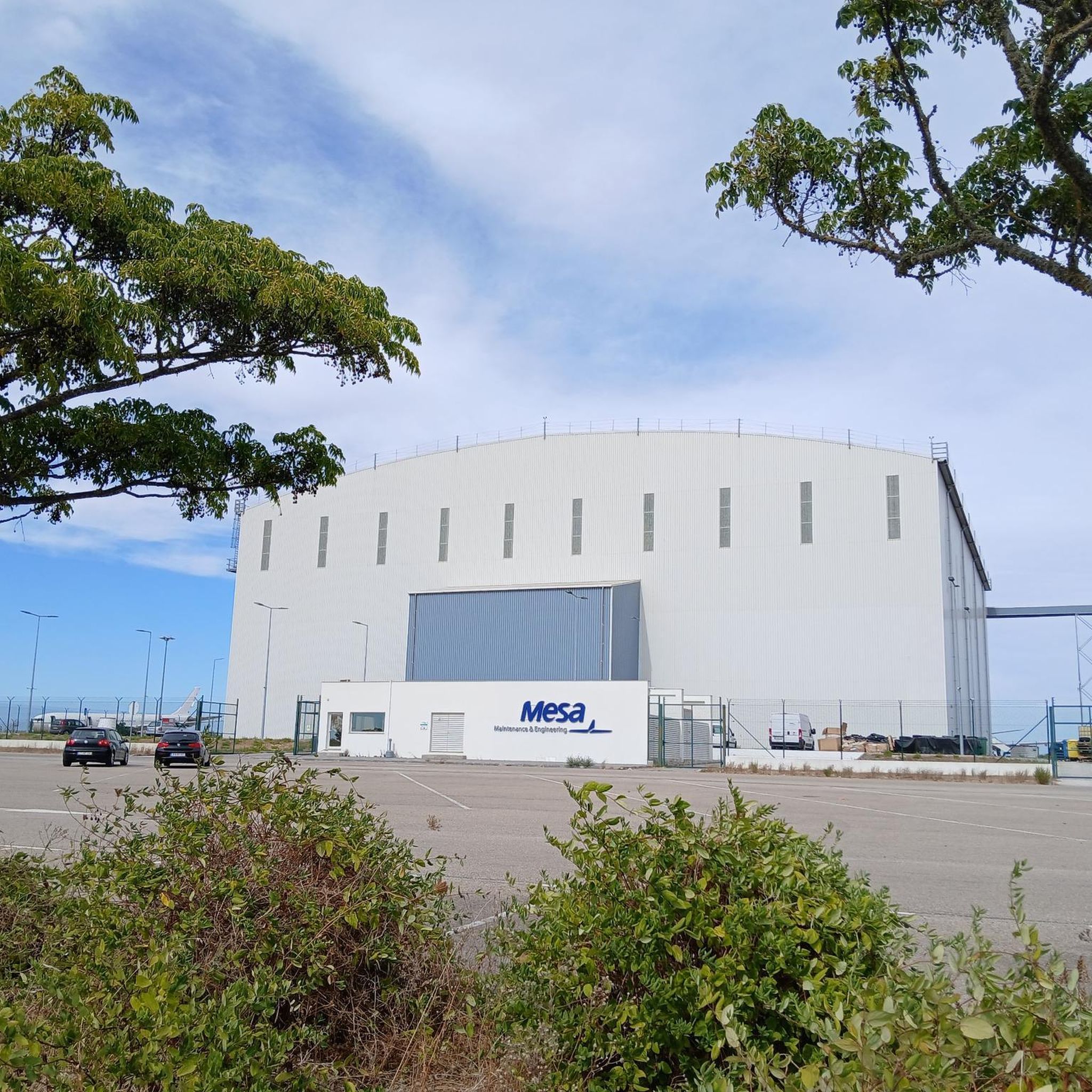
Beja Airport boasts the longest runway in Portugal. Beja Airport is the only airport on mainland Portugal (and one of only two in Portugal, along with Lajes International Airport) capable of handling an Airbus A380, the world's largest commercial aircraft.
1
0
The restaurant serves at any time. You can have lunch at 5 p.m. or 6 p.m. if you wish.
11
0
Frequently Asked Questions
How many road cycling routes are available around São Brissos?
There are over 10 road cycling routes documented on komoot for the São Brissos area. These routes vary in length and difficulty, offering options for different experience levels.
Are there any easy road cycling routes for beginners in São Brissos?
While there are no routes specifically classified as 'easy' in São Brissos, the region offers several moderate routes that feature manageable climbs and descents. These routes, such as the Pedestrian zone Beja – Castle of Beja loop from Beja, provide a good introduction to road cycling in the area without extreme challenges.
What are the typical distances for road cycling routes in São Brissos?
Road cycling routes in São Brissos generally range from around 40 km to over 100 km. For example, the Castle of Beja – Portas de Aljustrel loop from Beja is about 42 km, while the Castle of Beja – Portas de Aljustrel loop from Cuba extends to over 106 km.
Are there challenging road cycling routes for experienced riders?
Yes, São Brissos offers challenging routes for experienced road cyclists. These routes often feature significant elevation changes and longer distances, such as the Castle of Beja – Portas de Aljustrel loop from Cuba, which has nearly 930 meters of elevation gain over 106 km.
What kind of scenery can I expect on road cycling routes in São Brissos?
Road cycling routes around São Brissos traverse a landscape characterized by rolling hills and open plains, typical of the Alentejo region. You can expect to see a mix of agricultural areas, historical points of interest, and open views across the Alentejo landscape.
What points of interest can I explore along the road cycling routes?
Many routes pass by historical landmarks and attractions. Notable points of interest include the historic Castle of Beja, the Pelourinho de Beja, and the Évora Gates. These offer opportunities to pause and explore the region's rich history.
Are there circular road cycling routes in São Brissos?
Yes, many of the road cycling routes in São Brissos are designed as loops, allowing you to start and finish in the same location. Examples include the Al-Mu’tamid Memorial – Kilometer 600 Marker loop from Aeroporto de Beja and the Portas de Aljustrel – Castle of Beja loop from Beja.
What do other road cyclists enjoy about the routes in São Brissos?
The road cycling routes in São Brissos are highly rated by the komoot community, with an average score of 4.5 stars. Cyclists often praise the varied terrain, the open views across the Alentejo landscape, and the opportunity to combine cycling with exploring historical sites.
What is the best season for road cycling in São Brissos?
The Alentejo region, including São Brissos, generally experiences hot, dry summers and mild winters. Spring and autumn are often considered the most pleasant seasons for road cycling, offering comfortable temperatures and less extreme weather conditions.
Are there any routes that connect different towns or historical sites?
Yes, the road network in São Brissos often connects various towns and historical sites. Routes like the Pedestrian zone Beja – Castle of Beja loop from Beja link significant landmarks, allowing you to experience the region's cultural heritage while cycling.
What are the typical elevation gains on road cycling routes in São Brissos?
The elevation gains on road cycling routes in São Brissos vary significantly. Moderate routes might have around 300-450 meters of ascent, while more difficult routes, such as the Castle of Beja – Portas de Aljustrel loop from Cuba, can feature over 900 meters of elevation gain.
Most popular routes around São Brissos
Most popular attractions around São Brissos

Get inspired with the komoot mobile app


Explore more
Browse the best Road cycling routes in other regions.
