Attractions and Places To See around Castro Verde e Casével e Casével e Casével - Top 20
Best attractions and places to see around Castro Verde e Casével e Casével e Casével, located in Portugal's Alentejo region, offers a blend of historical, cultural, and natural attractions. The area is characterized by expansive plains and significant biodiversity, including the UNESCO-recognized Castro Verde Biosphere Reserve. Visitors can explore a variety of sites, from historical landmarks to natural habitats known for birdwatching. This region provides insights into traditional rural life and Portuguese history.
Best attractions and places to see around Castro Verde e Casével e Casével e Casével
- The most popular attractions is Dona Maria House, a man-made monument that is a palatial building from the 20th century. It features multiple staircases and towers, presenting an older appearance than its actual age.
- Another must-see spot is Praça da República, Castro Verde, a central settlement area. This square serves as a meeting point and hosts the local Tourist Office, offering local wines and handcrafted gifts.
- Visitors also love Chapel of São Pedro das Cabeças and Battle of Ourique Memorial, a religious building and historical site. This location is associated with the Battle of Ourique in 1139, a pivotal event in Portuguese history, and offers panoramic views.
- Castro Verde e Casével e Casével e Casével is known for its historical sites, cultural institutions, and natural landscapes. The region offers a variety of attractions to see and explore, including museums, churches, and significant birdwatching areas.
- The attractions around Castro Verde e Casével e Casével e Casével are appreciated by the komoot community, with 25 upvotes and 10 photos shared by visitors.
Last updated: October 18, 2026
Chapel of São Pedro das Cabeças and Battle of Ourique Memorial
Highlight • Religious Site
Tip by

Dona Maria House
Highlight • Monument
Tip by
Sign up now to discover places like this
Get recommendations on the best single tracks, peaks, & plenty of other exciting outdoor places.
Entradas Main Avenue
Highlight • Settlement
Tip by

Praça da República, Castro Verde
Highlight • Settlement
Theres also a good selection of local wine and handcrafted gifts. Fair local trade, for sure.
Tip by
Igreja de Nossa Senhora dos Remédios
Highlight • Religious Site
Translated by Google •
Tip by

Sign up for free to discover even more attractions around Castro Verde e Casével e Casével e Casével.
Already have an account?
Start today with a free account
Your next adventure awaits.
Popular around Castro Verde e Casével e Casével e Casével
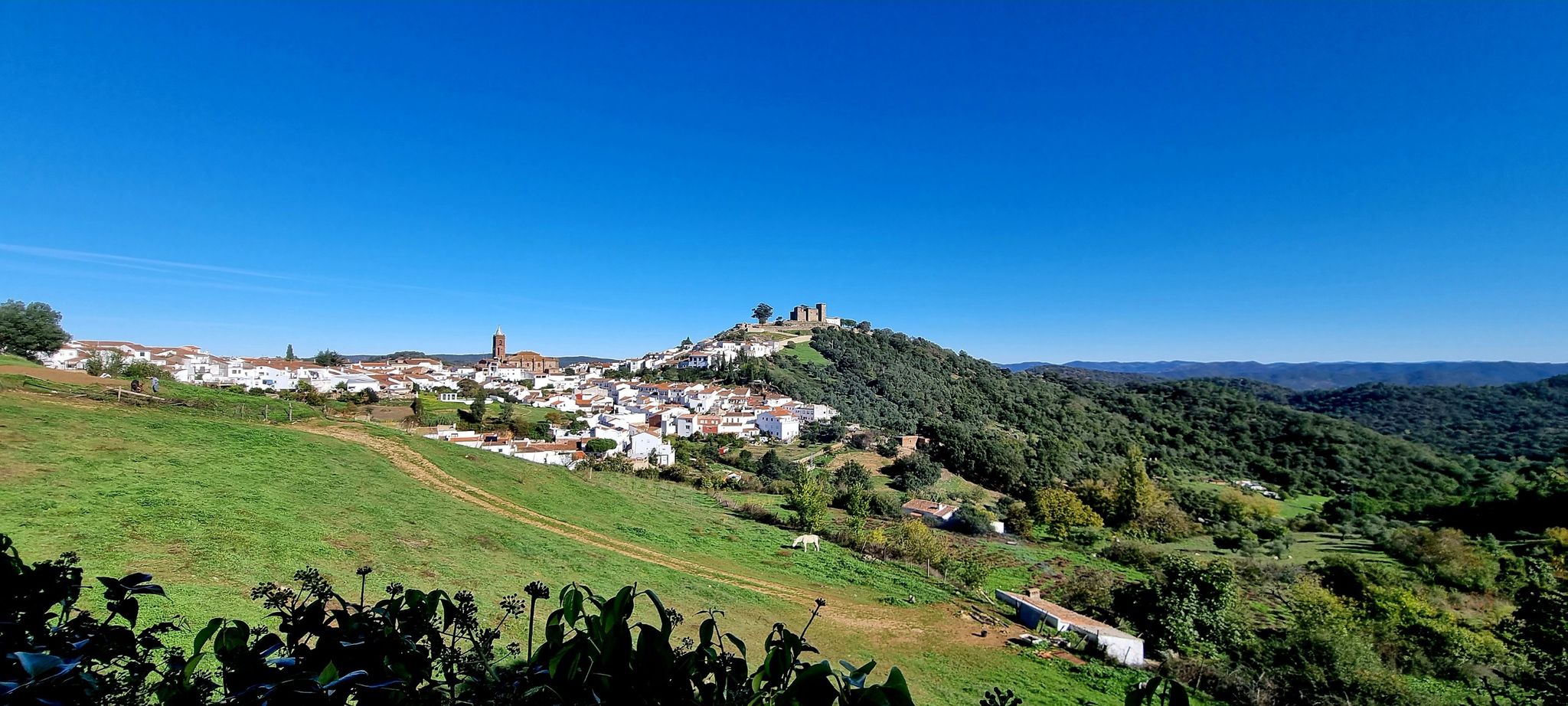
European Divide Trail across the Iberian Peninsula – south

Gravel biking around Castro Verde e Casével e Casével e Casével
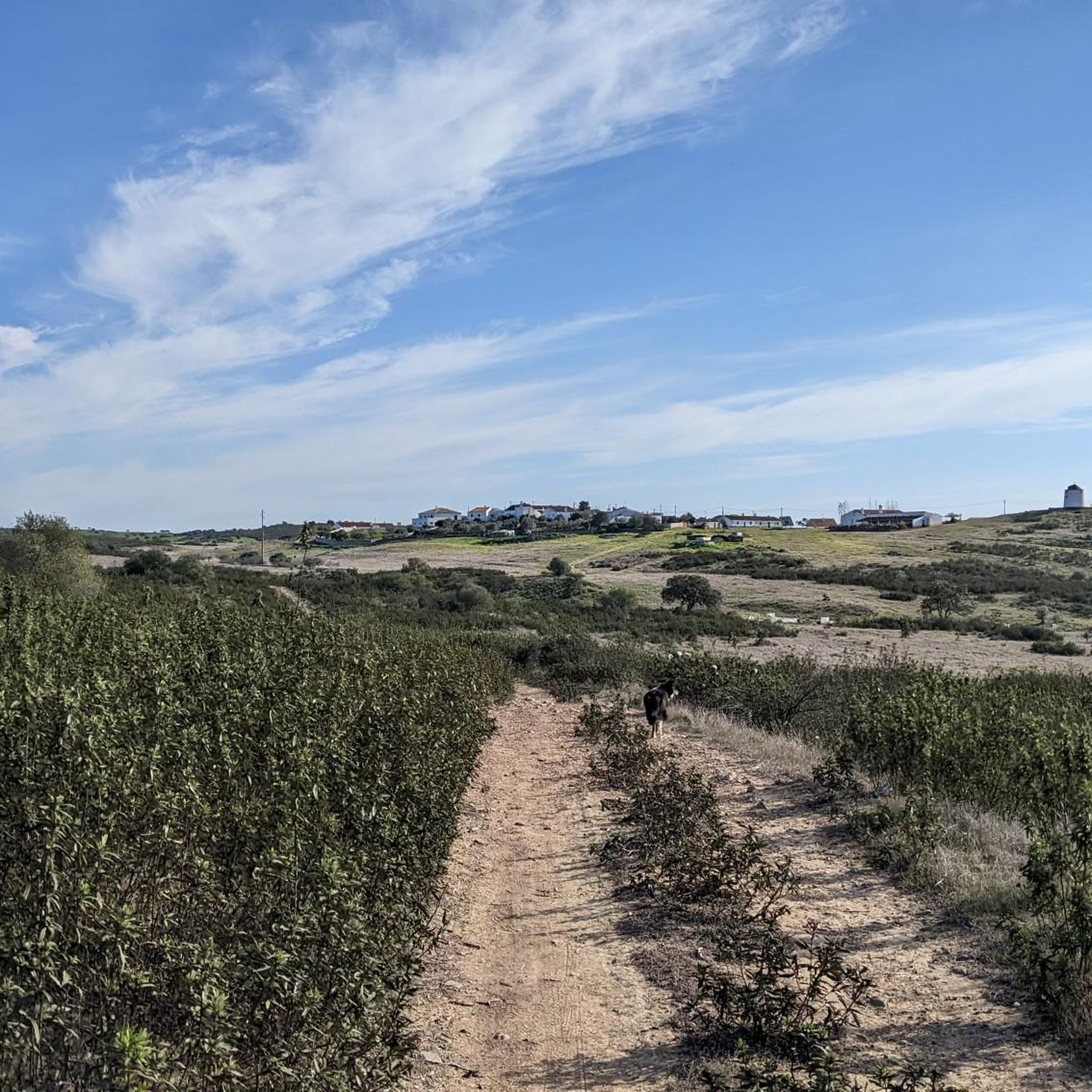
Hiking around Castro Verde e Casével e Casével e Casével
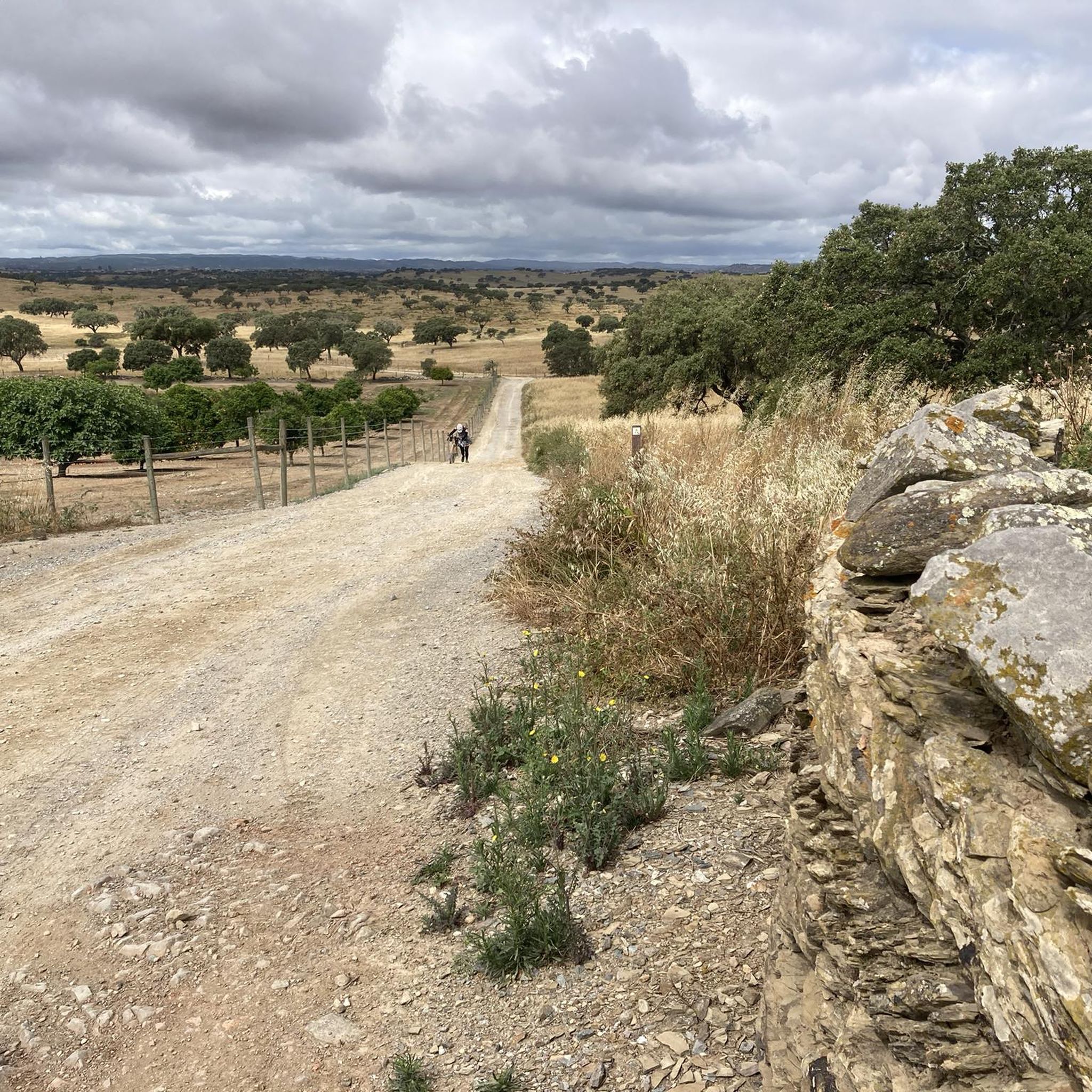
Cycling around Castro Verde e Casével e Casével e Casével

Road Cycling Routes around Castro Verde e Casével e Casével e Casével
Other adventures around Castro Verde e Casével e Casével e Casével

Tips from the Community

Entradas (Portugal): It is a parish (freguesia) located in the municipality of Castro Verde, in the district of Beja in Portugal.
0
0

The settlement of Entradas is a historic Portuguese village, seat of the Parish of Entradas, integrated into the Municipality of Castro Verde. ✓Geographic and Demographic IndicatorsArea: 76.23 km². Population: 593 ✓inhabitants (data from the 2021 census). Density: 7.8 inhabitants/km². ✓Localities: Comprises the village of Entradas and the hamlet of Galeguinha. ✓Economy: Based on agriculture, local commerce, and civil construction. ✓Historical Context and HeritageAutonomy: Received a charter from D. Manuel I in 1510 and was the seat of a municipality until 1836. ✓Strategy: Served as a link between the river port of Mértola and the interior of Baixo Alentejo. ✓Culture: Hosts the annual event Entrudanças, celebrating the traditional Entrudo. ✓Nature: Integrated into Campo Branco, it stands out as an essential habitat for protected steppe birds such as the Great Bustard and the Little Bustard.
1
0
The Ermida de São Pedro das Cabeças (also known as Capela de São Pedro das Cabeças) is a religious monument in the Mannerist style and popular Alentejo architecture, located in the parish of Geraldos, in the municipality of Castro Verde, Baixo Alentejo. The site is famous for marking the exact spot where, according to strong popular tradition and the legend of the founding myth of Portugal, the historic Battle of Ourique took place on July 25, 1139. In this battle, D. Afonso Henriques defeated the armies of five Moorish kings after having a divine vision of Jesus Christ, being acclaimed King of Portugal.👍🥾
0
0
The Church of the Wounds of the Savior, also known as Our Lady of Remedies, is of medieval origin and its history is intertwined with the imagery created around the Battle of Ourique. According to legend, the temple was established as a vow by King Afonso Henriques after his victory over the five Moorish kings. The building was in ruins at the beginning of the 17th century, and King Philip III authorized its reconstruction in 1621, allocating the income from the landholdings of the Castro Verde Fair for this purpose. The Philippine church, whose construction lasted for many years, is a Mannerist-style building with a single nave, a developed chancel, a bell tower, and a well-proportioned facade. The interior incorporates elements from different eras, featuring, alongside Baroque altars and 17th and 18th-century religious imagery, individual figure tile panels and historical paintings on the theme of the Miracle of the Battle of Ourique, created by Diogo Magina. 👍
0
0

The Casa D. Maria on Rua Fialho de Almeida is a palatial building from the 20th century with many staircases and towers, but looks older than it is.
4
1
The Church of Our Lady of the Resurrection was built in the 18th century on the site where King Sebastião held mass before embarking on his ill-fated expedition to Morocco. The church was built during the Portuguese Enlightenment under the patronage of Queen Maria I.
4
0

São Pedro das Cabeças is the legendary site of the Battle of Ourique, where D. Afonso Henriques, the first king of Portugal, defeated five Moorish kings. The victory was so remarkable that it is still immortalized in the center of the Portuguese flag.
2
0

Pretty village about 11 kilometers from Castro Verde. There is a restaurant in the square by the church and a little further on a small cafe/village shop. Ideal for a short tour stop.
4
0
Frequently Asked Questions
What natural features and wildlife can I experience in Castro Verde e Casével?
The region is home to the UNESCO-recognized Castro Verde Biosphere Reserve, known for its vast cereal steppes. It's a prime destination for birdwatching, often called the "Steppe Bird Paradise." You can spot rare species like the Great Bustard, Lesser Kestrel, and Iberian Imperial Eagle. The Monte da Rocha Dam also attracts various aquatic birds.
What historical and cultural sites should I visit in Castro Verde e Casével?
Explore the Basilica Real de Nossa Senhora da Conceição in Castro Verde, famous for its 18th-century *azulejos* depicting the Battle of Ourique. Don't miss the Chapel of São Pedro das Cabeças and Battle of Ourique Memorial, which offers panoramic views and is linked to a pivotal moment in Portuguese history. In Casével, the Ermida de São Miguel features striking 18th-century *azulejo* panels and a notable marble altar. You can find more details about the hermitage at visitcastroverde.pt.
Are there museums in Castro Verde e Casével?
Yes, you can visit the Museum of Rural Life (Museu da Ruralidade) in Entradas, which offers insights into traditional Alentejo farming practices. There's also a Roman Oil Lamps Museum in Castro Verde, focusing on the history of these ancient artifacts.
What is the best time of year to visit Castro Verde e Casével?
The region is particularly appealing during migration seasons for birdwatching. For general exploration and outdoor activities, spring and autumn offer pleasant temperatures. Summers can be very hot, while winters are generally mild.
What outdoor activities can I do near these attractions?
The area around Castro Verde e Casével offers various walking and cycling opportunities. You can find easy hiking trails like the "Dona Maria House – Jardim de Castro Verde loop" or "Jardim de Castro Verde – Dona Maria House loop." For cycling, there are moderate routes such as the "Serro das Zurreiras – Dona Maria House loop." More routes can be found in the Easy hikes around Castro Verde e Casével and Cycling around Castro Verde e Casével guides.
Are there any unique architectural sights in Castro Verde?
Yes, the Dona Maria House stands out as a palatial 20th-century building with multiple staircases and towers, giving it a much older appearance than its actual age. It's considered one of the most impressive private houses in town.
Where can I find local information and products in Castro Verde?
The Praça da República, Castro Verde is the central square where you'll find the local Tourist Office. It's a great place to get information, and you can also find a selection of local wines and handcrafted gifts there.
What is the significance of the Battle of Ourique in this region?
The Battle of Ourique, fought in 1139, is a pivotal event in Portuguese history where Dom Afonso Henriques achieved victory. This myth is represented on the Portuguese flag. You can visit the Chapel of São Pedro das Cabeças and Battle of Ourique Memorial, which is associated with this historic battle and offers significant historical context.
Are there any annual events or fairs in Castro Verde?
Yes, Castro Verde hosts the Feira de Castro, an annual traditional fair held in October. It's one of the largest and most important fairs south of Portugal, celebrating rural life and customs.
What is the Centro de Promoção do Património e do Turismo?
This center in Castro Verde serves as an information hub for tourists. It plays a crucial role in preserving and promoting local traditions, including the traditional Alentejo music style known as Cante Alentejano.
Can I find accommodations that cater to cyclists in Castro Verde?
Yes, places like 4B Birds & Bicycles Bed & Breakfast, Castro Verde specialize in accommodating cyclists, making it a convenient stop if you're touring the EN2 or exploring the region by bike.
Are there archaeological sites to explore?
The region around Castro Verde is rich in archaeological sites, including Roman ruins and prehistoric megalithic structures. These sites indicate a long history of human occupation and past mining activities in the area.
Most popular routes around Castro Verde e Casével e Casével e Casével

Get inspired with the komoot mobile app


Explore more
Still not found the Highlight you’re looking for? See guides of the top attractions in other regions:
