The best road cycling routes around Cuba
5.0
(1)
47
riders
5
rides
Road cycling routes around Cuba traverse diverse landscapes, from coastal roads to inland agricultural areas. The terrain often features flat sections interspersed with rolling hills, particularly in central and western regions. While significant mountain ranges are present, many routes explore lower elevations and rural settings.
Best road cycling routes around Cuba
- The most popular road cycling route is Al-Mu’tamid Memorial – Kilometer 600 Marker loop from Aeroporto de Beja, a 46.9 miles (75.5 km) trail that takes 3 hours…
Last updated: October 8, 2026
5.0
(1)
11
riders
101km
04:31
980m
980m
Hard road ride. Very good fitness required. Mostly well-paved surfaces and easy to ride.
5
riders
35.5km
01:35
350m
350m
Moderate road ride. Good fitness required. Some segments of this route may be unpaved and difficult to ride.

6
riders
52.7km
02:26
480m
480m
Moderate road ride. Good fitness required. Mostly well-paved surfaces and easy to ride.
1
riders
115km
05:05
670m
670m
Hard road ride. Very good fitness required. Mostly well-paved surfaces and easy to ride.
2
riders
42.2km
01:56
420m
420m
Moderate road ride. Good fitness required. Mostly well-paved surfaces and easy to ride.
Our route recommendations are based on thousands of hikes, rides, and runs completed by other people on komoot.
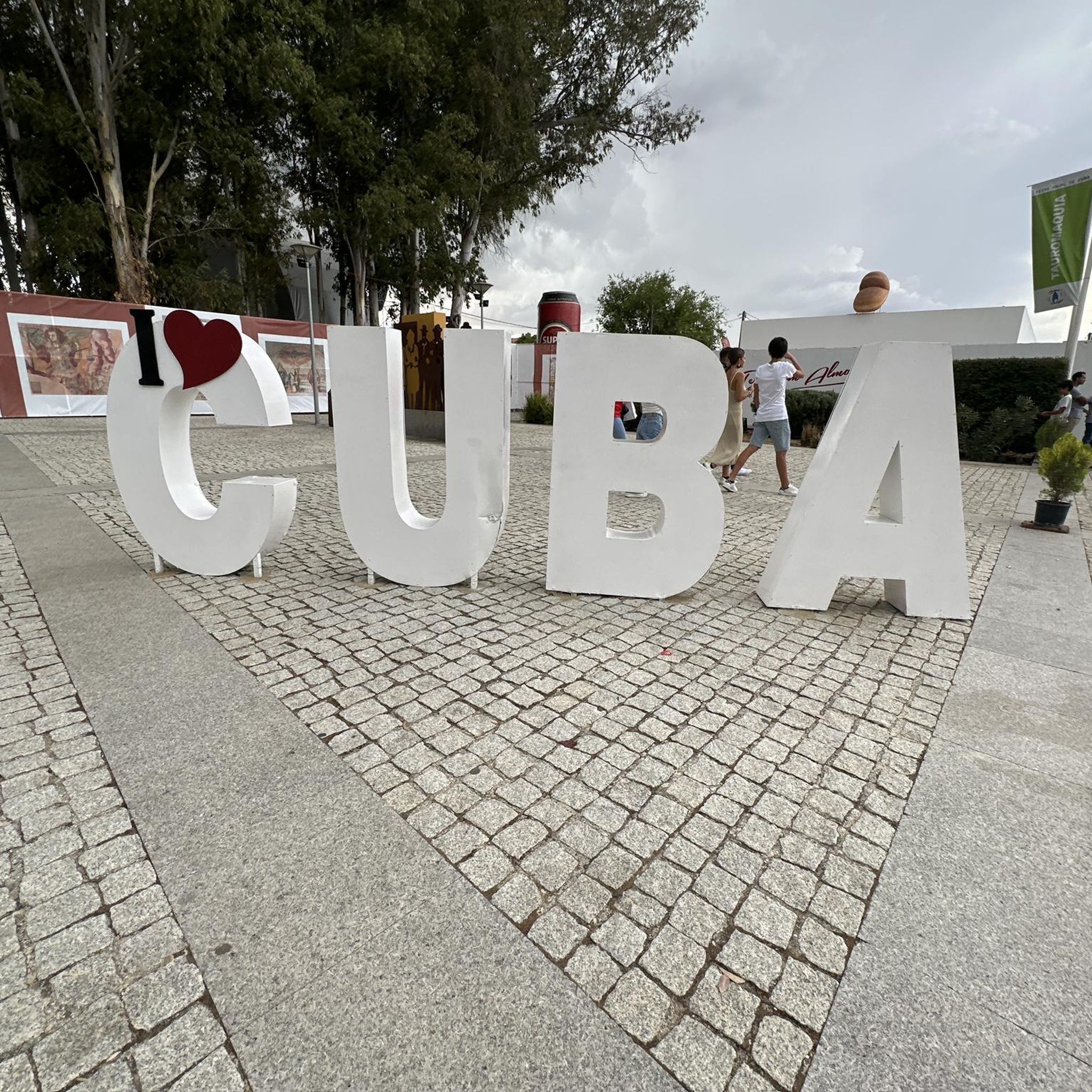
Tips from the Community

The Ermida de São Sebastião (St. Sebastian's Chapel) is located on the southeastern outskirts of Alvito in the Alentejo region of Portugal. It was probably built towards the end of the 15th or the beginning of the 16th century and was dedicated to Saint Sebastian, who was venerated as a patron saint against the plague. The white-plastered church is a remarkable example of late Gothic Mudéjar architecture, which combines Christian and Moorish architectural elements. Characteristic features are the strong, conical buttresses, the crenellated roof finishes, and the Gothic pointed arch portal. The preserved frescoes from the early 17th century, including depictions of music-playing angels, are particularly valuable.
1
0

The Monumento ao Cante Alentejano in Cuba (in the district of Beja, Portugal) is a work of art inaugurated on September 6, 2008, to celebrate and immortalize the tradition of cante alentejano (the typical choral singing of the Alentejo, declared intangible heritage of UNESCO).
1
0

The Public Washhouse of Alvito, located in Largo das Alcaçarias in Alvito (Baixo Alentejo), is an emblematic element of popular architecture and local ethnographic heritage. These community spaces played a vital role in rural Portuguese daily life during the 20th century, serving not only for practical purposes of hygiene and laundry, but also as central points for social gathering among the village women. Key aspects to highlight about this place: • Strategic Location: Largo das Alcaçarias is one of the central squares of the village of Alvito. Its toponymy ("Alcaçarias") historically refers to the Moorish heritage or to ancient public baths/tanks or tanneries. It is also the main stage for traditional events, such as the annual Alvito Festivals.👍🥾
2
0
The Castle of Alvito (Castelo de Alvito) is a historic fortified residence located in the Alentejo region of Portugal, which since 1993 has hosted the Pousada Castelo Alvito, a luxury hotel belonging to the prestigious Pousadas de Portugal network.
3
0

Alvito Castle is a military monument and an inn, located in the village of Alvito, in the Alentejo region, in Portugal. It is considered an example of a fortified palace, which combined the functions of a fortress and a wealthy house. It also stands out for its combination of styles, with several Gothic and Manueline elements, and Islamic inspiration. (Source: Wikipedia) Alvito Castle is currently an inn.
16
0
Hermitage built at the beginning of the 16th century, it presents an architecture that can be framed within the Gothic-Mudejar style, an Alentejan particularity of the Gothic style. It is located at the edge of the village in order to protect it, through the patron saint – St. Sebastian –, from the plague. It held a mural painting campaign from the beginning of the 17th century that covered its entire interior. What currently remains, evidences the way of fresco painting specific to this region, namely, with the recurrence of the theme of musician angels. (Source: www.e-cultura.pt)
18
0

Park with a water mirror, spectacular.👍
5
0
Frequently Asked Questions
What kind of terrain can I expect on road cycling routes in Cuba?
Road cycling routes in Cuba offer a diverse landscape. You'll find coastal roads, agricultural plains, and rolling hills. While there are significant mountain ranges, many routes explore lower elevations and rural settings, providing a mix of flat sections and gentle climbs.
Are there road cycling routes suitable for beginners in Cuba?
While there are no routes specifically classified as 'easy' in the komoot guide, several moderate routes are available. For instance, the Roadbike loop from Vidigueira is a moderate 35.5 km ride with manageable elevation, which could be a good starting point for those looking for a less strenuous option.
Which routes offer a challenging road cycling experience in Cuba?
For experienced road cyclists seeking a challenge, Cuba offers several difficult routes. The Castle of Beja – Portas de Aljustrel loop from Cuba is a demanding 106.7 km path with significant elevation gain. Another challenging option is the Vila de Frades – View of Alqueva Reservoir loop from Cuba, covering 101.1 km with substantial climbs.
Are there any loop road cycling routes in Cuba?
Yes, many of the road cycling routes in Cuba are designed as loops, allowing you to start and finish in the same location. Examples include the moderate Al-Mu’tamid Memorial – Kilometer 600 Marker loop from Aeroporto de Beja and the more challenging Castle of Beja – Portas de Aljustrel loop from Cuba.
What is the best time of year for road biking in Cuba?
The dry season, from November to April, is generally considered the best time for road biking in Cuba. During these months, the weather is cooler and less humid, with lower chances of rain, making for more comfortable riding conditions. The hurricane season runs from June to November, so it's advisable to avoid cycling during this period.
What kind of weather should I expect when cycling in Cuba?
Cuba has a tropical climate. During the dry season (November-April), expect warm, sunny days with average temperatures around 25°C (77°F) and lower humidity. The wet season (May-October) brings higher temperatures, increased humidity, and frequent afternoon showers or thunderstorms. Always check the local forecast before heading out.
What should I pack for a road cycling trip in Cuba?
Given Cuba's tropical climate, lightweight, breathable cycling apparel is essential. Don't forget sun protection like sunscreen, sunglasses, and a hat for off-bike excursions. Hydration is key, so carry plenty of water. Basic bike repair tools, spare tubes, and a first-aid kit are also highly recommended, especially for longer routes in rural areas.
What can I see along the road cycling routes in Cuba?
Many routes offer glimpses into local life and historical sites. For example, the Vila de Frades – Alvito Castle and Pousada loop from Vidigueira takes you past the historic Alvito Castle and Pousada. Other routes might lead you through charming villages or offer views of agricultural landscapes and reservoirs like the Alqueva.
Are there any interesting landmarks or places to explore around Cuba?
Yes, the region around Cuba offers several points of interest. You can explore historical sites such as Alvito Castle and Pousada, or visit religious buildings like the Alvito Parish Church and the Church of Saint Anthony. The Cuba Town Center itself is also a place to experience local culture.
How many road cycling routes are available in Cuba?
There are over 7 road cycling routes around Cuba documented on komoot, ranging from moderate to difficult in terms of challenge. These routes traverse diverse landscapes, offering options for various skill levels.
What do other road cyclists enjoy most about road cycling in Cuba?
The area is highly rated by the komoot community, with an average score of 5.0 stars. Reviewers often praise the varied terrain, which includes coastal stretches, agricultural plains, and rolling hills, providing an engaging and scenic cycling experience.
Are there any routes that offer scenic viewpoints or unique natural features?
Many routes in Cuba offer scenic views, particularly those that traverse coastal areas or provide vistas over agricultural plains. The Vila de Frades – View of Alqueva Reservoir loop from Cuba, for example, offers picturesque views of the Alqueva Reservoir, providing a beautiful backdrop for your ride.
Most popular routes around Cuba
Most popular attractions around Cuba

Get inspired with the komoot mobile app


Explore more
Browse the best Road cycling routes in other regions.
