Attractions and Places To See around Vila Nova de São Bento e Vale de Vargo - Top 12
Attractions and places to see around Vila Nova de São Bento e Vale de Vargo offer a blend of historical, natural, and cultural experiences in the municipality of Serpa, Portugal. The region is characterized by its rich mining heritage, ancient archaeological sites, and serene natural landscapes. Visitors can explore the Ficalho mountain range, which reaches an altitude of approximately 518 meters, providing a scenic backdrop to the area's valleys, hills, and olive groves. This area provides insights into past civilizations…
Last updated: July 1, 2026
Achada do Gamo Copper Mine Ruins
Highlight (Segment) • Monument
Tip by

Mina de São Domingos
Highlight • Historical Site
Translated by Google •
Tip by

Sign up now to discover places like this
Get recommendations on the best single tracks, peaks, & plenty of other exciting outdoor places.
Sign up for free
Rest area by the lake
Highlight • Lake
Translated by Google •
Tip by

Vila Verde de Ficalho
Highlight • Settlement
Translated by Google •
Tip by

Volta Falsa Smugglers' Crossing
Highlight • Historical Site
Tip by

Sign up for free to discover even more attractions around Vila Nova de São Bento e Vale de Vargo.
Sign up for free
Already have an account?
Start today with a free account
Your next adventure awaits.
Login or Signup
Popular around Vila Nova de São Bento e Vale de Vargo
Tips from the Community

The São Domingos Mine is a living memory of a time of fire and iron. Here, where the earth opened up to reveal gold, silver, and copper since ancient times, one of the greatest legacies of the Iberian Pyrite Belt arose in the 19th century. Between 1854 and 1966, millions of tons of ore were extracted here, leaving not only its mark on the soil and landscape, but also progress: one of the country's first railway lines and the first power plant in the Alentejo. Today, the former mining complex is a public heritage site, a place of contrasts and rare beauty.
2
0

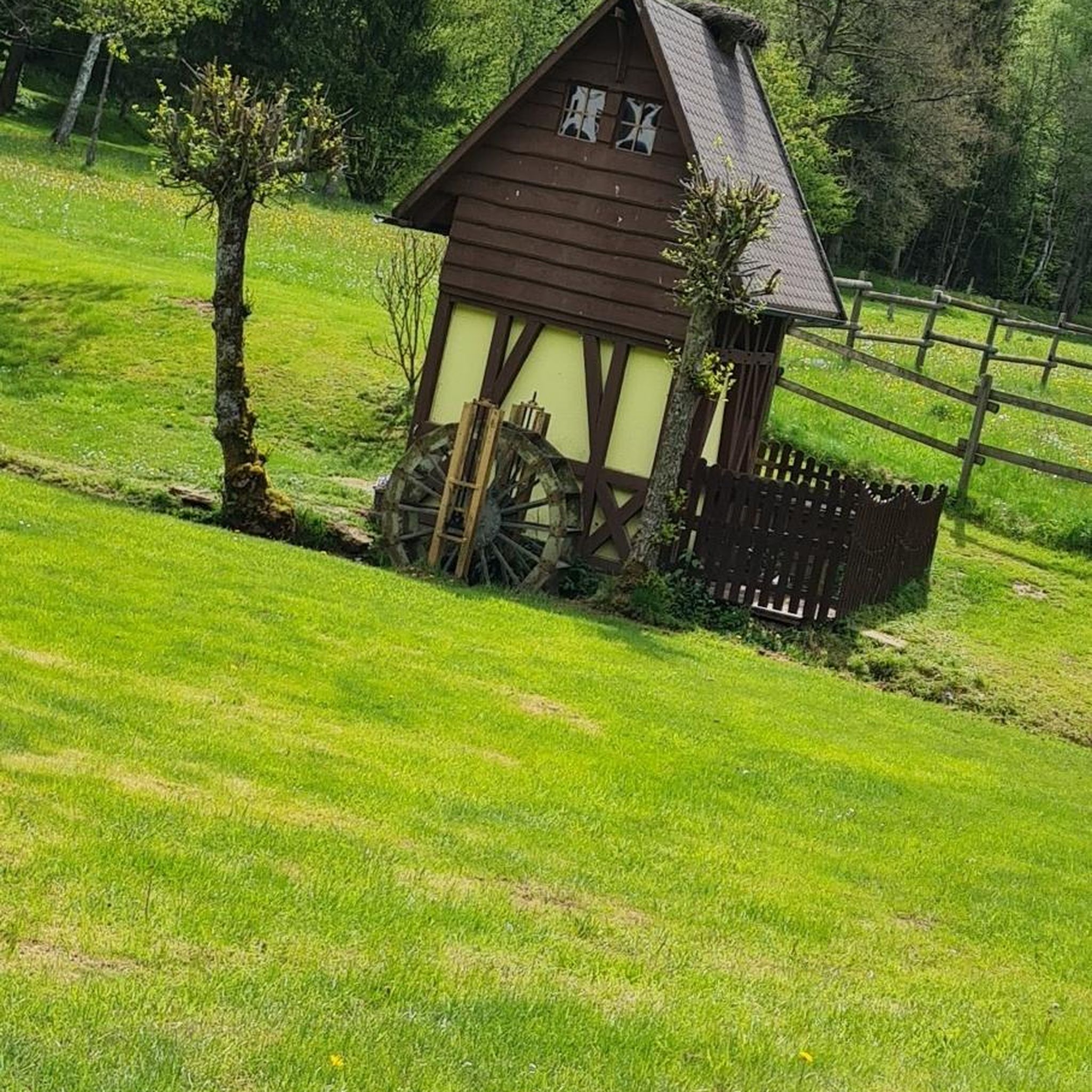
Pretty town near the Portugal-Spain border at the foot of the Ficalho hill that gives the town its name. It can be reached from Rosal de al Frontera (SP) by a picturesque road through the hill that crosses the border.
0
0

Located in the tranquil setting of the Barragem da Tapada Grande reservoir, this river beach of the same name is a very pleasant recreational area with a sandy beach, lawns, and comprehensive infrastructure. Nearby is the village of Minas de São Domingos, which was developed in connection with the now-defunct mining operations.
4
1

Vila Verde Ficalho has history. It is a village located in the easternmost part of the municipality of Serpa, bordering the Spanish town of Rosal de la Frontera and belonging to the territory known as the Left Bank of the Guadiana. Our people have ancient traditions and historical records that extol them. All the landscape, historical and cultural settings make this border village very special, both for its inhabitants and visitors. Its area measures approximately 10,402,3909 hectares, and the town is flanked by the Ficalho mountain range, which is approximately 518 metres high. Throughout our region, you can see mountains, valleys, hills, dotted with trees, wells and springs. All the archaeological heritage found here reveals bits and pieces of the passage of various peoples through our land, from the Paleolithic era, when man was still a gatherer, to the Neolithic era (3500 BC), to the Visigoths, the Romans (where the city of Finis possibly existed), and the Arab people who left us several customs. The exact date of the founding of our town as a historical place is unknown; hypothetically, it was in the 1940s, in the 13th century, at the end of the reign of D. Sancho II and the beginning of the reign of D. Afonso III. Our people are mainly dedicated to agriculture, although artisanal agriculture is still being seen, new technologies are beginning to be used. There has been a significant decrease in commercial activity, many establishments have been closing and we no longer see, as we once did, clusters of Spanish people. It is worth noting that tourism is likely to increase in this area; in recent months, some have appeared in our town. tourists who have shown a fondness for this small village with an aging population.
2
0

Unforgettable connection between Mina and Santana de Cambas. Route of the old railway line. The ACHADA DO GAMO site is post-apocalyptic (blast sulphur furnaces from the 1940's).
2
0

This abandoned mine presents itself to the viewer like a bizarre stage set. A dam-like road leads through the area on the finest gravel. Streams and ponds shimmer in copper to green and black. Signs warn about the water. Dramatic and eerily beautiful.
3
0
Today's town was created in 1232 as part of the new settlements after the Reconquista under King D. Sancho II. The community is characterized by agriculture, particularly by the striking olive groves. It has always been known for its olive oil, wine and honey. Ficalho's coat of arms shows a honey bee and olive tree branches.
3
1
The name of this lake is “Tapada Grande” and it was a consequence of mining exploration between 1860 and 1960. Here there are picnic tables, a cafe and a river beach.
1
1
Frequently Asked Questions
What historical sites can I explore in the region?
The area is rich in history. You can visit Mina de São Domingos, a former mining complex that operated from 1854 to 1966, leaving a significant industrial legacy. Another historical point of interest is the Achada do Gamo Copper Mine Ruins, which present a unique 'lunar landscape' from past mining activities. Additionally, the historic village of Vila Verde de Ficalho, founded in 1232, offers insights into traditional agriculture and ancient heritage.
Are there any natural attractions or places for relaxation?
Yes, the region offers serene natural spots. The Rest area by the lake, located at Barragem da Tapada Grande, is a tranquil recreational area with a sandy beach, lawns, and facilities, perfect for relaxing. The Ficalho mountain range also provides a scenic backdrop with mountains, valleys, and olive groves.
What kind of archaeological heritage can be found here?
The region boasts a rich archaeological heritage spanning from the Neolithic, Bronze Age, and Roman periods. Notable sites include a Neolithic *mamoa* (burial mound) in Araújo and a ceremonial enclosure in Borralhos. Bronze Age finds include *cistas* (stone slab tombs) and a hypogeum at Belmeque, which yielded extraordinary offerings. Over twenty Roman sites, including *villas* like Herdade da Abóbada, have also been identified, with many artifacts displayed at the Municipal Archaeology Museum of Serpa.
Are there family-friendly activities available?
Absolutely. The Rest area by the lake at Barragem da Tapada Grande is ideal for families, offering a river beach with sandy areas and lawns for children to play. The historic village of Vila Verde de Ficalho is also considered family-friendly, offering a glimpse into local culture and history.
Can I find hiking or cycling routes near these attractions?
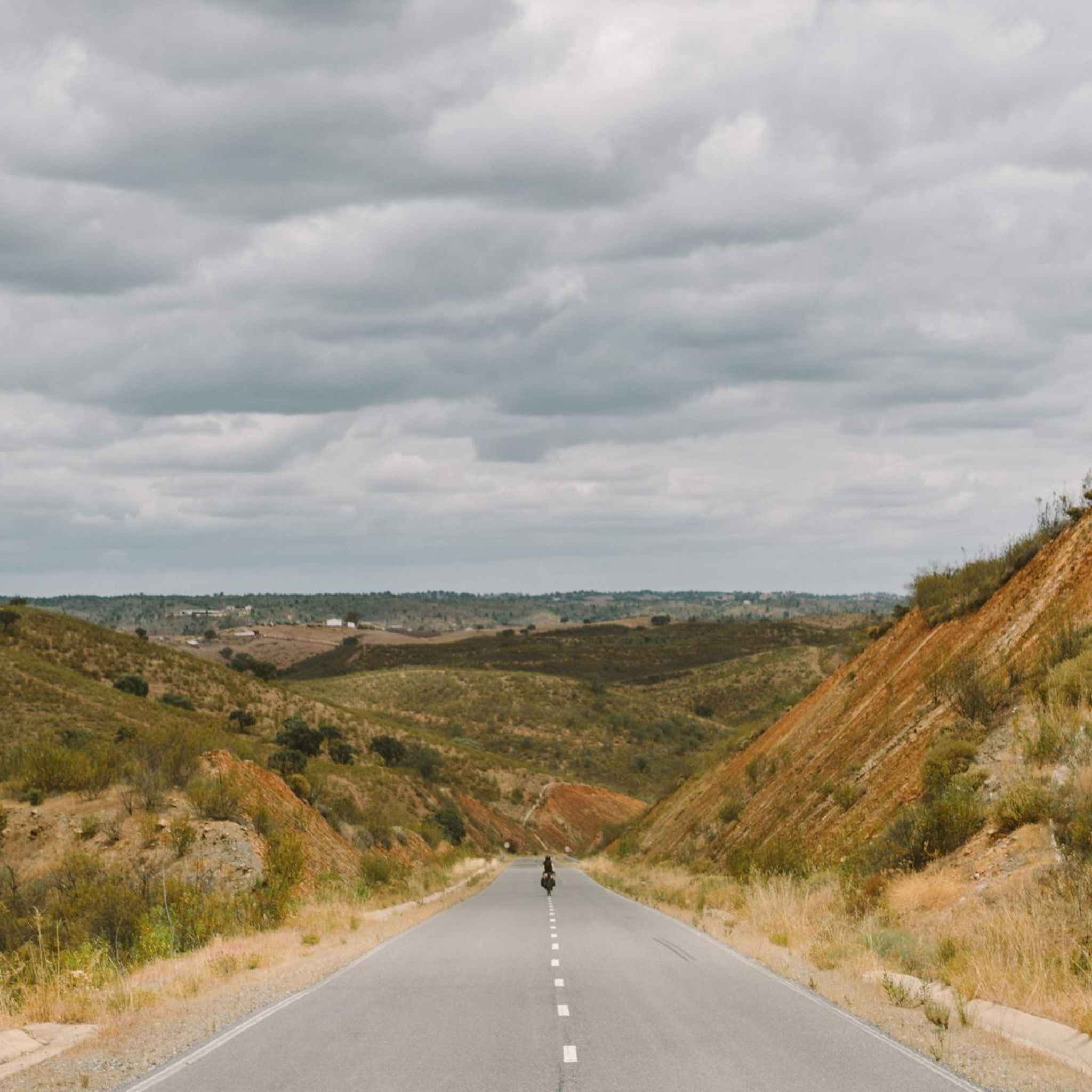
Yes, the area is great for outdoor activities. You can explore the unique 'lunar landscape' around the Achada do Gamo Copper Mine Ruins on smooth gravel tracks. For cycling enthusiasts, there are several road cycling routes available in the wider area. You can find more details on these routes, including difficulty levels, on the Road Cycling Routes around Vila Nova de São Bento e Vale de Vargo guide.
What is the significance of Mina de São Domingos?
Mina de São Domingos is a profoundly significant historical site. It was a major mining complex within the Iberian Pyrite Belt, operating from 1854 to 1966 and extracting millions of tons of ore. Its operations led to the development of one of Portugal's first railway lines and the first power plant in Alentejo, making it a living memory of industrial progress and a place of unique beauty and contrasts.
What is Vila Verde de Ficalho known for?
Vila Verde de Ficalho is a historic village founded in 1232. It is particularly known for its traditional agricultural products, including olive oil, wine, and honey. Its coat of arms even features a honey bee and olive branches, reflecting its strong connection to these local traditions. The village is also flanked by the Ficalho mountain range and holds significant archaeological heritage.
Is there a place for wild swimming or water activities?
While specific wild swimming spots are not detailed, the Rest area by the lake at Barragem da Tapada Grande features a pleasant river beach. This area provides a safe and equipped environment for enjoying the water, with sandy areas and comprehensive infrastructure.
What is the 'Volta Falsa Smugglers' Crossing'?
The Volta Falsa Smugglers' Crossing is a historical site marking an old border crossing between Portugal and Spain. Until the 1980s, this route was used for smuggling goods like coffee, wheat, tobacco, and even pharmaceuticals. It offers a unique glimpse into the region's past and the historical interactions between the two countries.
What do visitors enjoy most about the area?
Visitors appreciate the blend of historical depth and natural beauty. The unique 'lunar landscape' of the Achada do Gamo Copper Mine Ruins and the tranquil setting of the Rest area by the lake are frequently highlighted. The rich mining heritage of Mina de São Domingos also offers a compelling experience, providing insights into the region's industrial past.
Are there any unique natural features to observe?
Beyond the Ficalho mountain range, the Achada do Gamo Copper Mine Ruins are notable for their distinctive copper-colored lakes, which create a visually striking and unusual landscape. The region is also characterized by extensive olive groves, which are a defining agricultural feature.
Can I learn about the region's agricultural traditions?
Yes, the community's agricultural heritage is evident, particularly in Vila Verde de Ficalho. This historic village has long been known for its production of olive oil, wine, and honey. The striking olive groves throughout the region are a testament to its agricultural identity.
Most popular routes around Vila Nova de São Bento e Vale de Vargo

Get inspired with the komoot mobile app


Explore more
Still not found the Highlight you’re looking for? See guides of the top attractions in other regions:
