The 17 Most Amazing Peaks around Haunetal
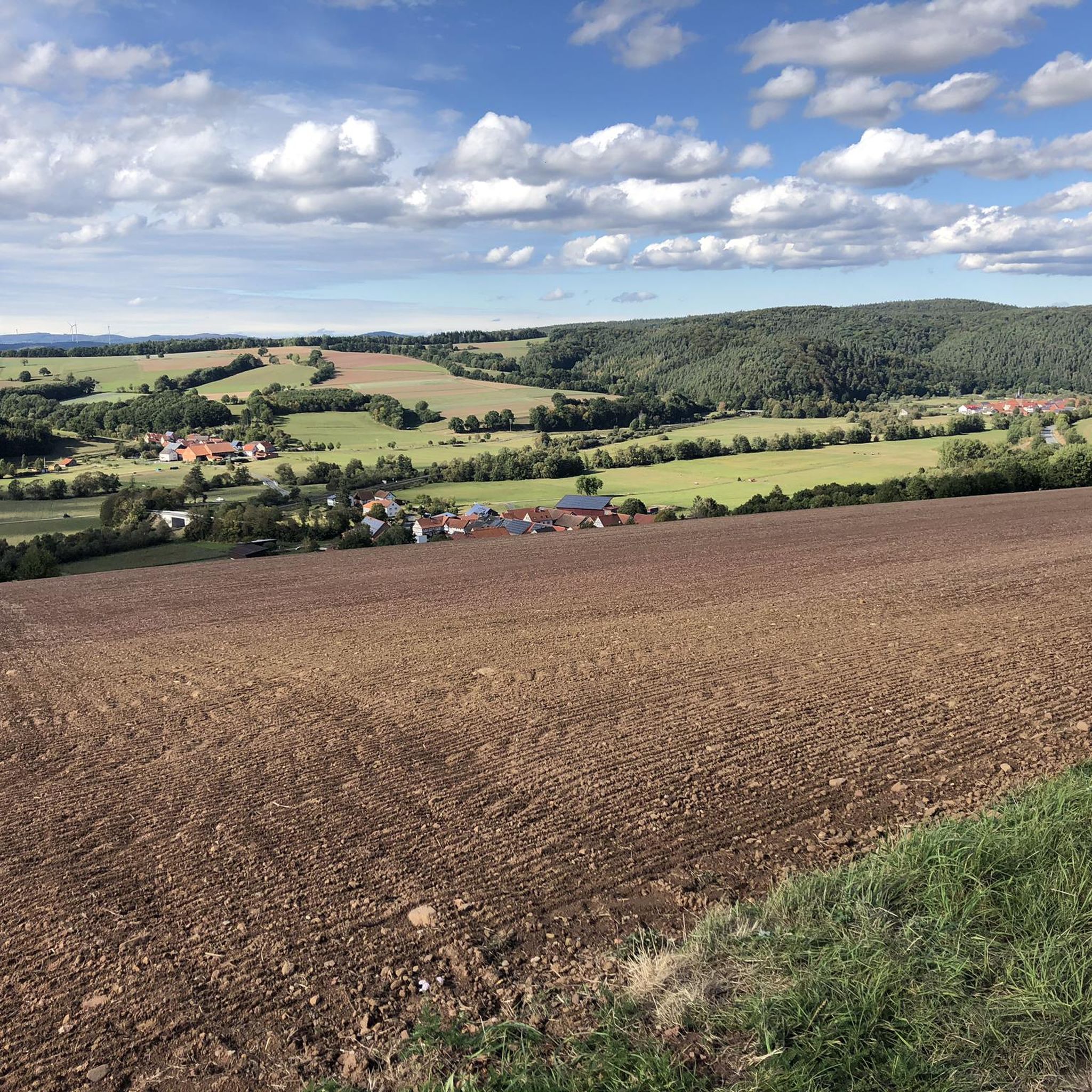
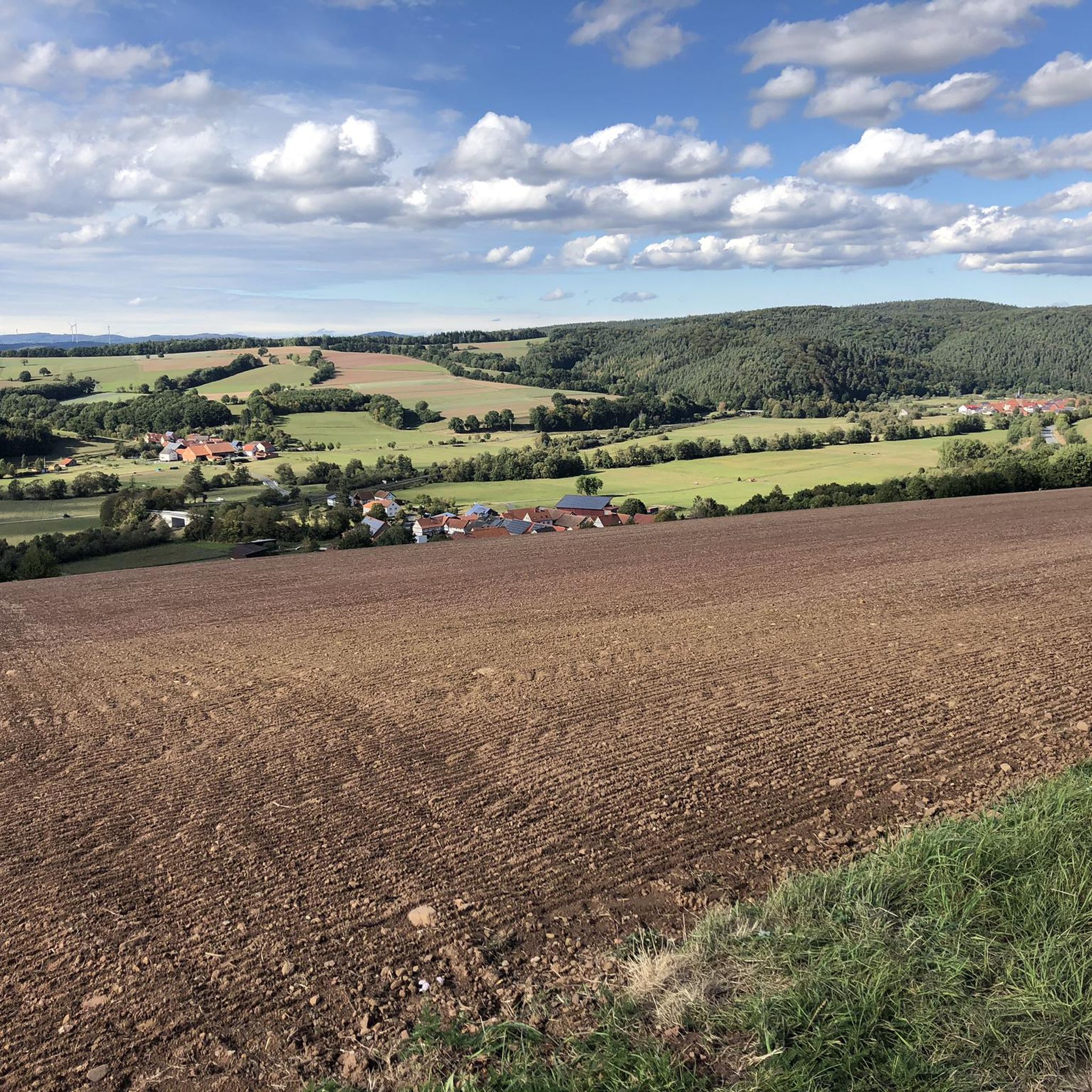
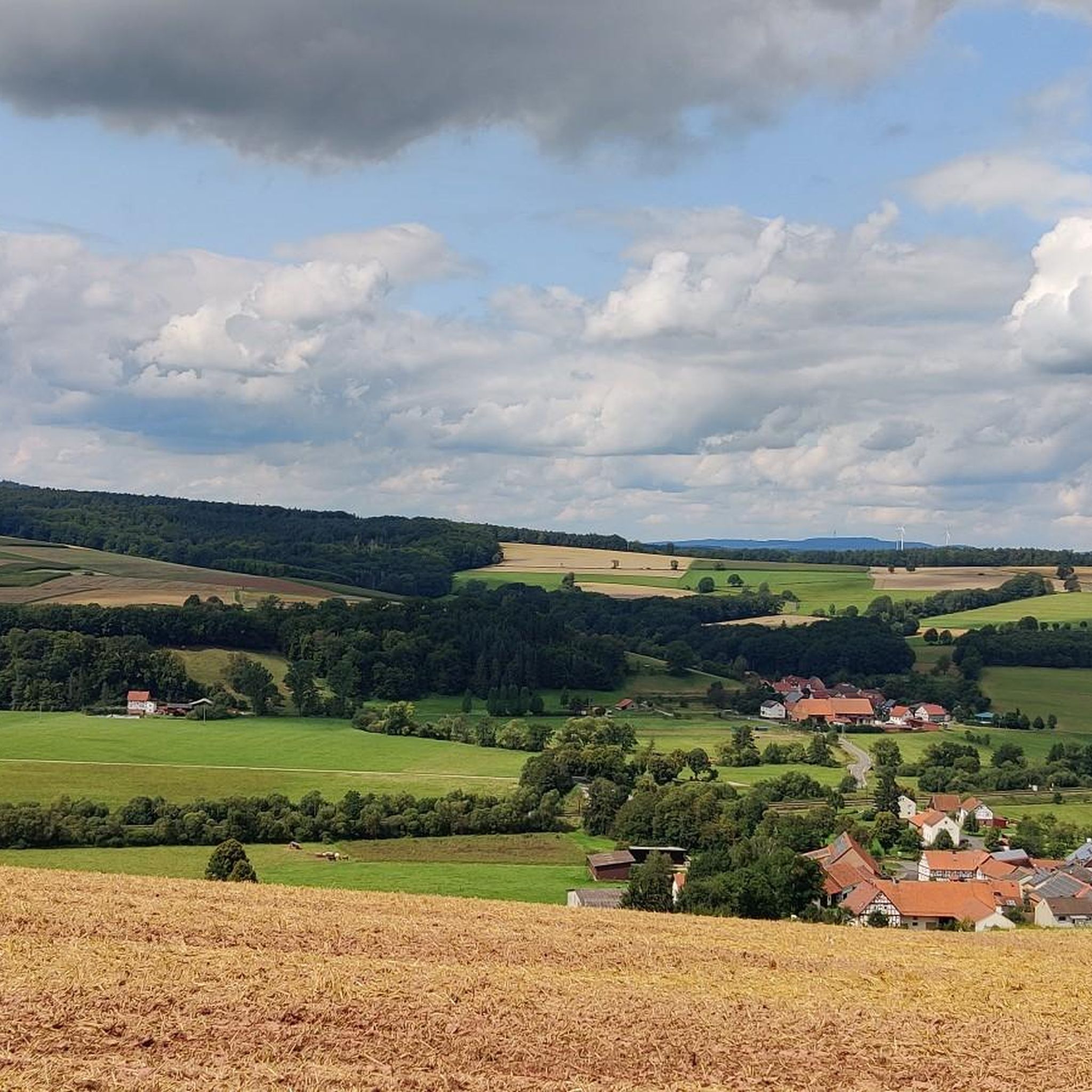
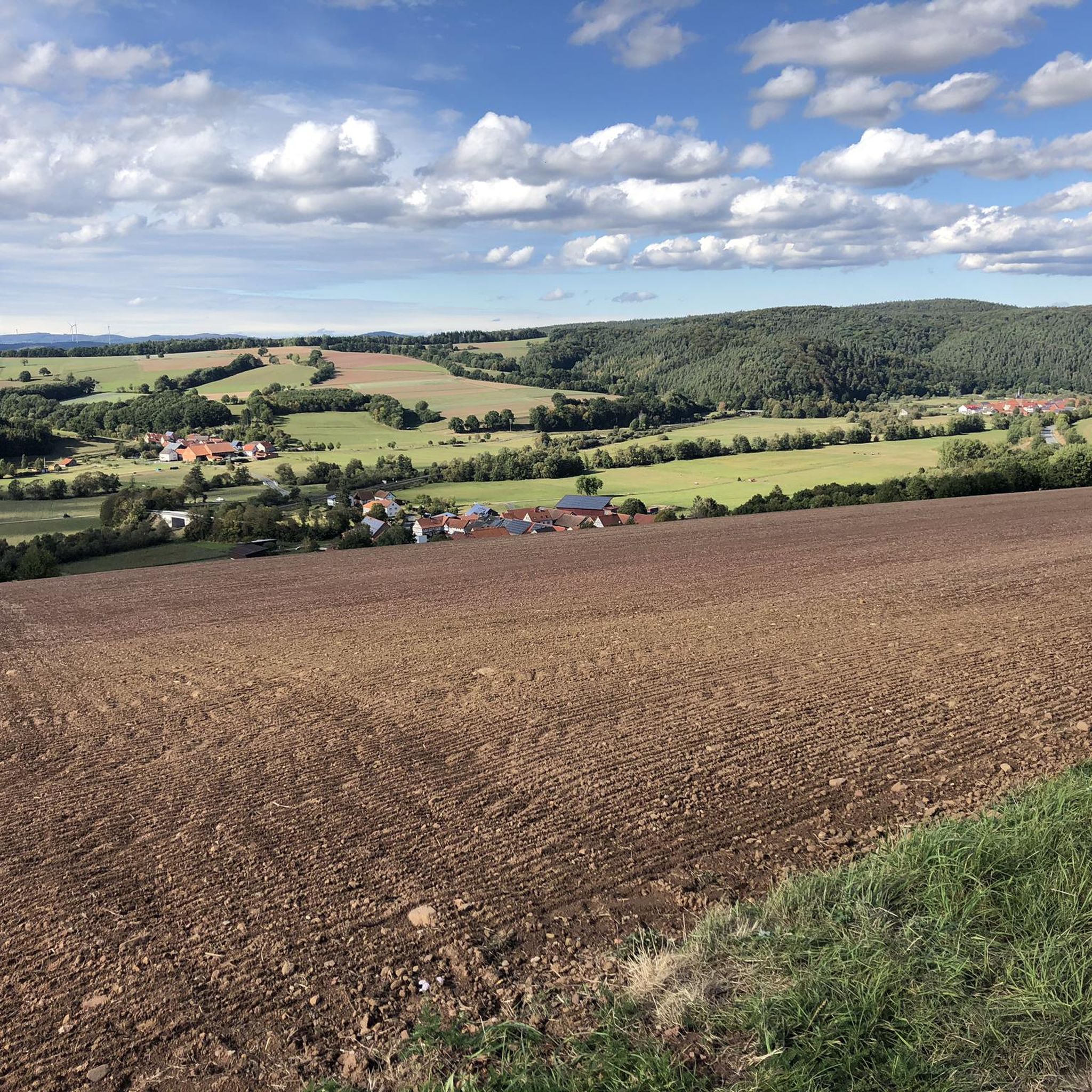
Mountain peaks around Haunetal are situated in eastern Hesse, Germany, within the Vorderrhön region. The area is characterized by its location between the foothills of the Knüll Mountains, the Rhön, and the Vogelsberg. This geographical setting contributes to a diverse landscape of hills and forests. The region offers various elevations and natural features for exploration.
Best mountain peaks around Haunetal
- The most popular mountain peaks is Heussner Tower on the Mengshäuser Kuppe, a viewpoint that offers panoramic views of…
Last updated: October 11, 2026
Via Regia Lookout Tower
Highlight • Viewpoint
Translated by Google •
Tip by

Heussner Tower on the Mengshäuser Kuppe
Highlight • Viewpoint
Translated by Google •
Tip by

Sign up now to discover places like this
Get recommendations on the best single tracks, peaks, & plenty of other exciting outdoor places.
Stellerskuppe Summit and Historical Remains
Highlight • Summit
Translated by Google •
Tip by
Summit Cross on Kirschberg
Highlight • Summit
The meadow around or in front …
Translated by Google •
Tip by
Hauneck Castle Ruins on Stoppelsberg
Highlight • Castle
The ruins of the summit castle lie on the summit of the 524 …
Translated by Google •
Tip by
Sign up for free to discover even more peaks around Haunetal.
Already have an account?
Start today with a free account
Your next adventure awaits.
Tips from the Community

The effort of the climb, whether on foot or by bike, is rewarded by the magnificent view. The ruins of the summit castle lie on the summit of the 524 m high Stoppelsberg in the Kuppenrhön, the remnant of a volcanic vent formed in the Miocene. The keep of Hauneck Castle is founded on hexagonal basalt columns that formed when the lava cooled; they are exposed at the base of the keep. History of Hauneck Castle: Built by the Knights of Haun, around the 14th century/Ancestral seat in Burghaun 1402 First documented mention/Conquest and partial destruction by the Hessian Landgrave Hermann 1409 The Landgrave finally acquires the castle through a purchase agreement with Johann and Heinrich Haun. 1469 Second destruction by the Lords of Buchenau 1483 Reconstruction as the seat of a Hessian bailiff by the Landgrave of Hesse-Marburg 1660 Abandonment of the official residence and relocation to Holzheim Progressive deterioration followed. The castle ruins had to be closed on August 1, 1981, due to the danger of collapse. On May 20, 1982, after extensive renovations, the now secured castle ruins with a walkable keep were reopened. Since then, the ruins have been accessible again and offer a beautiful vantage point. Source: www.Wikipedia
2
0

At 480.5 m above sea level, the Stellerskuppe is the highest elevation in the Bad Hersfeld area. From 1935 to 1948 there was a wooden observation tower here. Some of the foundation remains can still be discovered and an information board shows historical photos.
1
1

Beautiful spot, magnificent view accessible via narrow paths, the one to the north/Albiez Ruh' is overgrown
2
0

The view from the tower is just great
5
0

The Via Regia vantage point with its striking tower offers a wide view of the landscape of the Haunetal, the Hochrhön and the Hessian skittles. The modern metal and concrete construction on the Rößberg is 7.5 meters high and offers a 25 square meter viewing platform. It offers a wide view of the Neuhofer mountains, the Haunetal, Burghaun over the mountains of the Hessian skittles and over the historical route of the Via Regia, which gives the lookout tower its name. It is located on the premium hiking trail Extratour "Weinberg".
5
0


New observation tower with a great panoramic view 👀
5
0

“Each of these crosses can tell its own story and what prompted people to erect“ their ”cross at this point. (...) These crossroads have been erected as visible signs and attract the looks of many people. The cross is a symbol of life. It stands as a sign of our Christian hope and wants to direct our gaze to Jesus Christ, who overcame death (...). The cross is part of our life, just as it was part of the life of Jesus. So I wish that many people ... visit the crossroads, whether as places of silence and breathing before God, whether as places of congregation meeting, prayer and praise of God. " (Text source: Dean Rainald M. Ollig in: “Wegekrossze. Small sacred monuments as a sign of popular piety ")
3
3
Frequently Asked Questions
What are the most prominent mountain peaks in the Haunetal region?
The Haunetal region features several notable peaks. The highest elevation directly within the municipality is the Stoppelsberg (524 m), known for the ruins of Hauneck Castle and panoramic views. Another significant peak is the Mengshäuser Kuppe (473 m), which hosts the 25-meter-high Heußner-Turm observation tower, offering extensive 360-degree views. The Stallberg Plateau Summit (553 m) is also prominent, featuring a Celtic ring wall and basalt cones.
Are there any observation towers or viewpoints on the peaks around Haunetal?
Yes, the Mengshäuser Kuppe features the 25-meter-high Heußner-Turm (Heussner Tower on the Mengshäuser Kuppe), which provides an unobstructed 360-degree view of the Knüllgebirge, Rhön, and Vogelsberg. From the keep of Hauneck Castle on Stoppelsberg, you can also enjoy breathtaking panoramic views.
What kind of historical sites can be found on the mountain peaks?
The Stoppelsberg is home to the ruins of Hauneck Castle, a significant landmark with history reaching back to the 14th century. On the Stallberg Plateau Summit (553 m), you can find a Celtic ring wall and basalt cones indicating its volcanic origin. The Stellerskuppe Summit and Historical Remains also has visible foundations of a former observation tower and a small bunker.
Are there family-friendly hiking options around the Haunetal peaks?
Yes, there are several easy hiking routes suitable for families. For instance, the Summit Cross on Kirschberg is considered family-friendly and offers wonderful views. You can find more easy hikes in the region, such as the 'Shelter at the village pond – Lange Steine (Stoppelsberg) loop from Oberstoppel' or the 'Hiking loop from Burgruine Hauneck', by exploring the Easy hikes around Haunetal guide.
What natural features can I expect to see on the peaks in Haunetal?
The region offers a diverse landscape of hills and forests. On Stoppelsberg, you can visit the natural monument known as the 'Lange Steine' (Long Stones). The Stallberg Plateau Summit (553 m) features impressive granite rocks and basalt cones, highlighting its volcanic past. Many peaks, like the Mengshäuser Kuppe, are fully forested, providing lush natural surroundings.
What outdoor activities can I do near the mountain peaks in Haunetal?
Beyond hiking, Haunetal is excellent for various outdoor activities. The region is known for its hiking trails, such as the 'Haunerundweg'. Mountain biking is also popular, with options like the 'DownHaun-Trail'. For more detailed routes, you can explore guides like Gravel biking around Haunetal or Road Cycling Routes around Haunetal.
Are there any specific hiking trails that lead to the peaks?
Yes, hiking trails like the 'Haunerundweg' offer opportunities to explore the natural beauty of the region, including its peaks. The Stellerskuppe Summit and Historical Remains is revived by the Eisenbergsteig. You can find various hiking loops, such as the 'Hiking loop from Burgruine Hauneck' or the 'View of Stoppelsberg loop from Oberstoppel', in the Easy hikes around Haunetal guide.
What makes the Wolfersberg Summit Cross unique?
The Wolfersberg Summit Cross (448 m) is a quiet, less crowded spot nestled in the forest between Grebenau and Schlitz. While somewhat inconspicuous, it offers a peaceful place for reflection and can be reached by mountain bike on a single track up to the summit. It's a nice, serene spot for a break.
What is the best time to visit the mountain peaks around Haunetal?
The Haunetal region is suitable for outdoor activities throughout much of the year. Spring and autumn offer pleasant temperatures and vibrant scenery for hiking and cycling. Summer provides longer daylight hours, while clear days in winter can offer crisp views, though some trails might be more challenging due to snow or ice.
Where can I find parking for hiking the Haunetal peaks?
While specific parking details for every peak are not provided, many hiking trails in the Haunetal region, especially those leading to popular spots like Stoppelsberg or Mengshäuser Kuppe, typically have designated parking areas nearby. It's advisable to check individual route descriptions on komoot for precise parking information before your visit.
Is the Haunetal region suitable for dog-friendly hiking?
The natural landscape of Haunetal, with its numerous trails through forests and hills, generally welcomes dog walkers. Many paths are suitable for exploring with your canine companion. However, it's always recommended to keep dogs on a leash, especially near wildlife or in agricultural areas, and to check local regulations for specific trails or protected zones.
Most popular routes around Haunetal
Most popular attractions around Haunetal

Get inspired with the komoot mobile app


Explore more
See even more amazing summits around Haunetal with these guides:
