The best cycling routes around Bastuço (São João)
4.5
(95)
1,214
riders
59
rides
Touring cycling routes around Bastuço (São João) traverse a region characterized by varied terrain, including wooded areas and river valleys. The landscape features significant elevation changes, with routes often involving substantial climbs. This area of northern Portugal provides diverse ecosystems for exploration. The routes offer a mix of challenging ascents and descents, suitable for experienced touring cyclists.
Best touring cycling routes around Bastuço (São João)
- The most popular touring cycling route is Parish Church of Nine – Solar de Vila…
Last updated: June 29, 2026
15
riders
46.6km
03:56
810m
810m
Hard bike ride. Very good fitness required. Mostly paved surfaces. Suitable for all skill levels.
10
riders
38.8km
02:30
530m
530m
Hard bike ride. Very good fitness required. Mostly paved surfaces. Suitable for all skill levels.

Sign up for free
9
riders
77.8km
04:44
600m
600m
Hard bike ride. Very good fitness required. Mostly paved surfaces. Suitable for all skill levels.
9
riders
32.0km
02:44
710m
710m
Hard bike ride. Very good fitness required. Mostly paved surfaces. Suitable for all skill levels.
7
riders
51.4km
04:00
970m
970m
Hard bike ride. Very good fitness required. Mostly paved surfaces. Suitable for all skill levels.
Get access to more routes and recommendations from other explorers.
Sign up for free
Already have an account?
Our route recommendations are based on thousands of hikes, rides, and runs completed by other people on komoot.
Start today with a free account
Your next adventure awaits.
Login or Signup


Tips from the Community

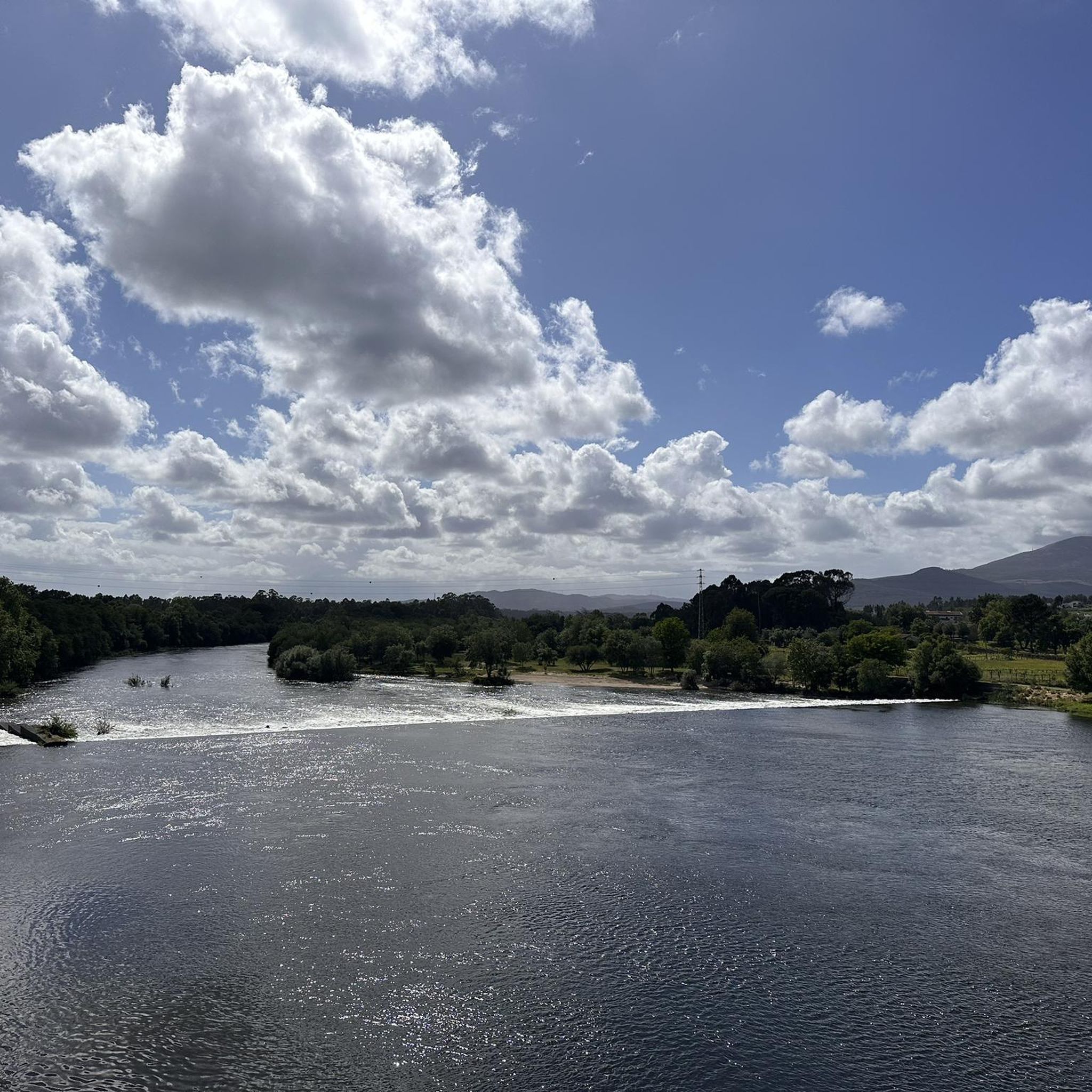
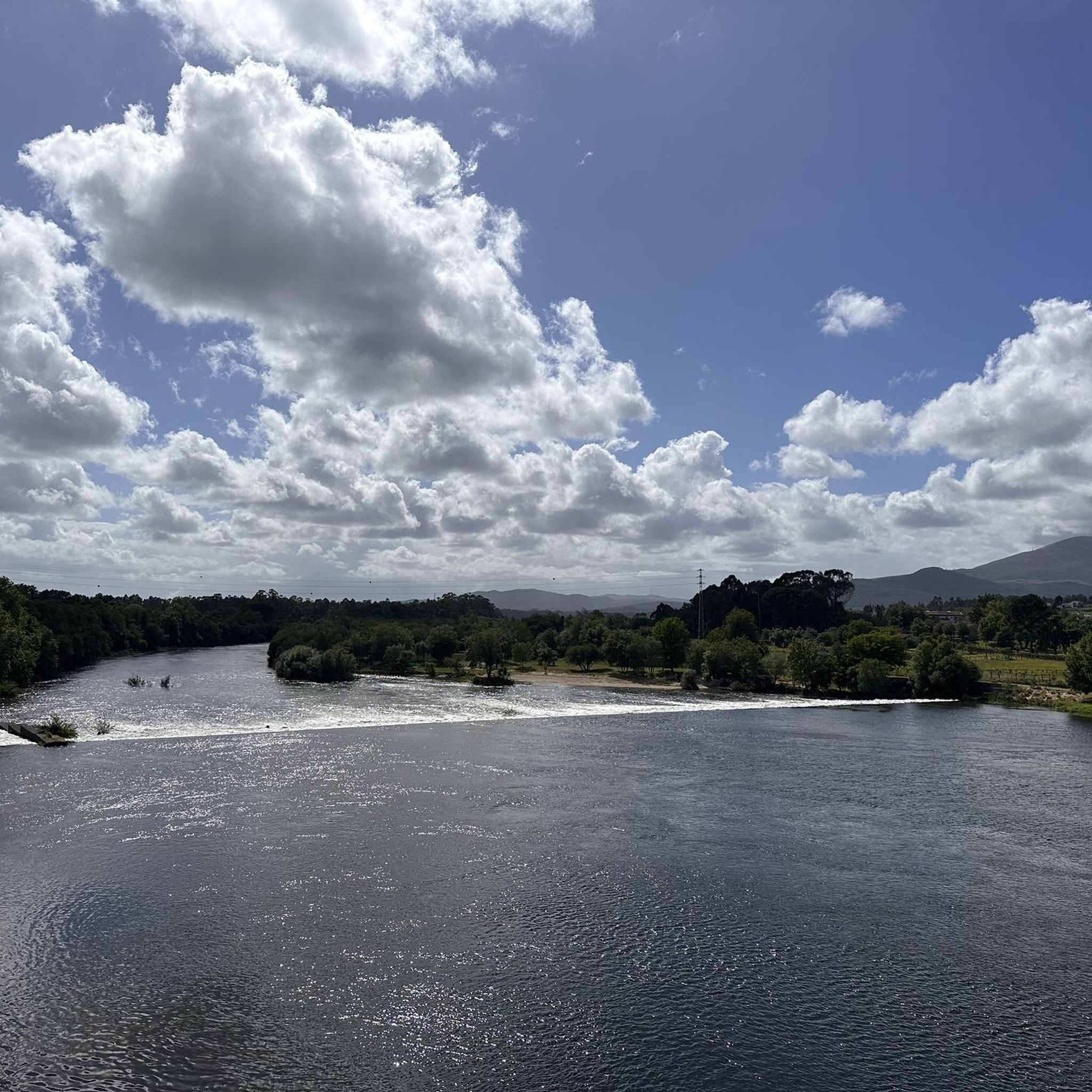
The Metal Bridge of Fão (Esposende) Location: It crosses the Cávado River, on National Road 13 (EN13), in the parish of Fão, in Esposende. Alternative Name: It is frequently referred to as the D. Luís Filipe Bridge. History: It is a significant example of iron architecture in Portugal, inaugurated on August 7, 1892. Characteristics: The bridge, which is a Property of Public Interest, has an extensive metal structure and has recently been rehabilitated.
2
0
In Esposende, the main historical bridge that crosses the Cávado River is the Ponte Metálica de Fão, also known locally as Ponte D. Luís Filipe.
2
0
Visiting: The site has free entry and is accessible at any time, being a frequent landmark on cycling and hiking routes that connect Vila do Conde to Aguçadoura.
1
0
Status: The mill was recently recovered and restored, maintaining its traditional appearance. However, visitors note that the structure is currently surrounded by modern residential buildings.
1
0
The Aguçadoura Beach Windmill is a traditional windmill located in the parish of Aguçadoura, municipality of Póvoa de Varzim. It is considered a symbol of local history and identity, situated near the dune area and the beach boardwalks.
1
0
The church is open for visitation and prayer most days, with specific times for Masses. Opening Hours: Monday to Sunday: 10:00–12:00 and 15:00–19:30. Mass Times (subject to change, please check the official website): Tuesday: 7:00 PM. Thursday: 7:00 PM. Saturday: 5:30 PM. Sunday: 11:00 AM.
1
0
The church was built in the 14th century in a transitional style between Romanesque and Gothic, on the foundations of an earlier 11th-century church. Main Features: Style: Transitional Gothic and Romanesque, with Renaissance and Baroque additions throughout the centuries. Interior: It has three naves, notably featuring 14 blue and white tile panels that cover much of the walls, dating from the 17th and 18th centuries. Notable Elements: The chancel vault is a Manueline work (early 16th century), and the main façade features a Neo-Gothic rose window, the result of a 20th-century restoration. Heritage: The church houses notable altarpieces and funerary monuments of important families, such as the Pinheiro family. The Parish Church of Santa Maria de Barcelos is a point of historical and architectural interest for tourists and pilgrims traveling the Camino de Santiago.
1
0
The Parish Church of Santa Maria de Barcelos, also known as the Collegiate Church, is the main religious temple in the city of Barcelos and a National Monument of Portugal.
1
0
Frequently Asked Questions
How many touring cycling routes are available around Bastuço (São João)?
There are over 60 touring cycling routes available around Bastuço (São João). These routes offer a variety of experiences, from moderate to difficult, traversing diverse landscapes.
What is the general difficulty level of touring cycling routes in Bastuço (São João)?
The touring cycling routes in Bastuço (São João) are primarily classified as difficult, with 49 out of 65 routes falling into this category. There are also 16 moderate routes, but no easy routes are listed, indicating that the terrain often involves significant elevation changes and challenging ascents.
Are there any family-friendly touring cycling routes in Bastuço (São João)?
While the majority of routes in Bastuço (São João) are classified as difficult, there are 16 moderate routes that might be more suitable for families with older children or those looking for a less strenuous ride. It's always recommended to check the specific route details for distance and elevation before heading out.
Can I find circular touring cycling routes in the area?
Yes, many of the touring cycling routes around Bastuço (São João) are designed as loops. For example, the Parish Church of Nine – Solar de Vila Meã loop from Nine and the Igreja Nova de Lomar loop from Tebosa are popular circular options, allowing you to start and end at the same point.
What kind of landscapes can I expect to see while cycling around Bastuço (São João)?
The region around Bastuço (São João) is characterized by diverse landscapes, including wooded areas, river valleys, and varied terrain. You can expect picturesque views, with some routes offering glimpses of the Cávado River and the wider northern Portugal region, known for its diverse ecosystems.
Are there any historical landmarks or attractions along the cycling routes?
Yes, the area is rich in historical and cultural attractions. While cycling, you might encounter landmarks such as the Barcelos Medieval Bridge, a Gothic stone bridge over the Cávado River. Other notable sites in the vicinity include the iconic Barcelos Rooster statue and the elaborate Raio Palace in Braga.
What do other cyclists say about touring cycling in Bastuço (São João)?
The touring cycling routes in Bastuço (São João) are highly rated by the komoot community, with an average score of 4.3 stars from over 80 reviews. Cyclists often praise the varied terrain, the challenging ascents, and the scenic beauty of the wooded areas and river valleys.
Is it possible to access the cycling routes using public transport?
While specific public transport options directly to route starting points are not detailed, Bastuço (São João) is a civil parish within the municipality of Barcelos. It's advisable to check local public transport schedules, particularly bus services, from larger towns like Barcelos or Braga, which may offer connections to areas near the routes. Always confirm if bikes are permitted on public transport.
Where can I park my car when starting a touring cycling route?
Parking availability can vary by route starting point. For routes originating from towns or villages like Nine or Tebosa, you may find public parking areas. It's recommended to research specific parking options for your chosen route's trailhead or starting location in advance.
What is the best time of year for touring cycling in Bastuço (São João)?
Northern Portugal generally offers pleasant cycling conditions during spring (April-June) and autumn (September-October) when temperatures are milder. Summers can be hot, while winters might bring cooler, wetter weather. Always check the local forecast before planning your ride.
Are there any routes with significant elevation gain for a challenge?
Absolutely. The region is known for significant elevation changes. For instance, the Igreja de Cunha – Parish Church of Priscos loop from Nine features nearly 1,000 meters (over 3,200 feet) of elevation gain, making it a challenging option for experienced touring cyclists.
Are dog-friendly cycling routes available in Bastuço (São João)?
While specific routes are not explicitly marked as dog-friendly, many natural trails and paths in Portugal are suitable for cycling with dogs, provided they are well-behaved and kept on a leash where necessary. Always be mindful of local regulations, livestock, and other trail users. Consider routes that are less crowded and have access to water.
Can I find routes that pass by river beaches or offer opportunities for wild swimming?
The area near the Barcelos Medieval Bridge features a river beach, which could offer a refreshing stop during a ride. While specific wild swimming spots along cycling routes are not detailed, the presence of river valleys suggests potential opportunities. Always exercise caution and ensure safety if considering swimming in natural waters.
Most popular attractions around Bastuço (São João)

Get inspired with the komoot mobile app


Explore more
Browse the best Cycling routes in other regions.
