Attractions and Places To See around Cristelo - Top 20
Best attractions and places to see around Cristelo include coastal landscapes, historical sites, and cultural landmarks. This region in Portugal offers a mix of Atlantic beaches, river estuaries, and historical structures. Visitors can explore ancient bridges, religious buildings, and coastal fortifications. The area provides opportunities for outdoor exploration along its diverse terrain.
Best attractions and places to see around Cristelo
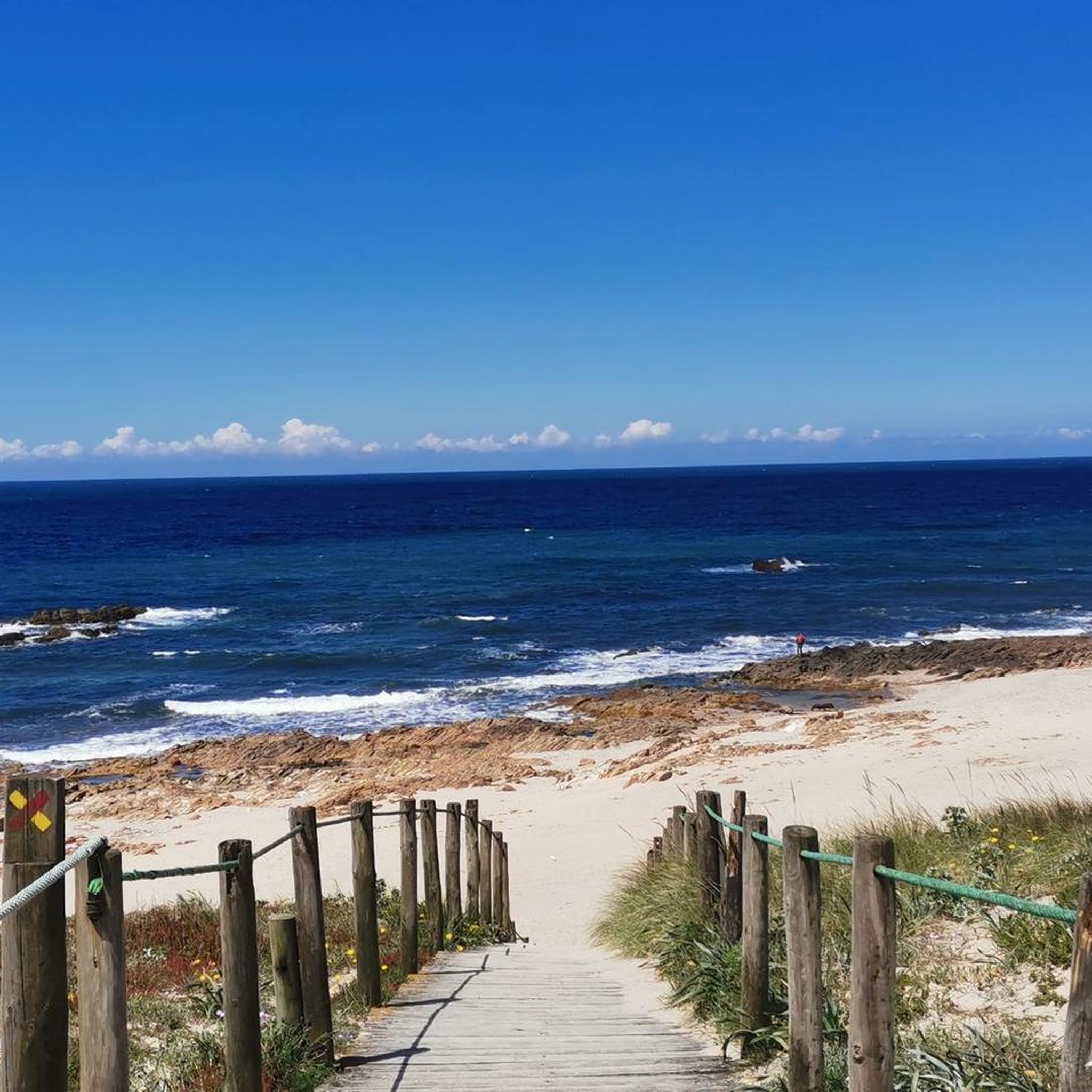
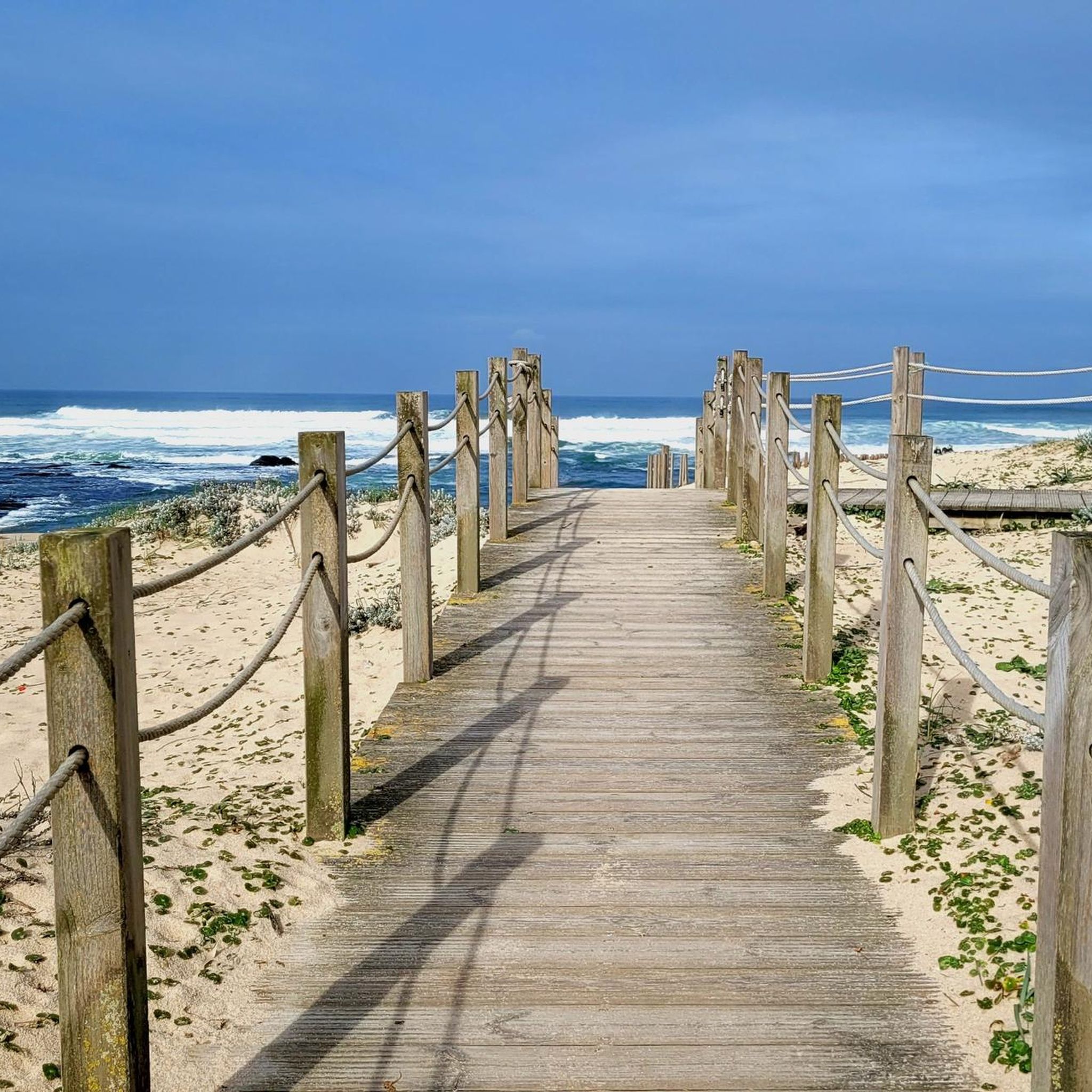
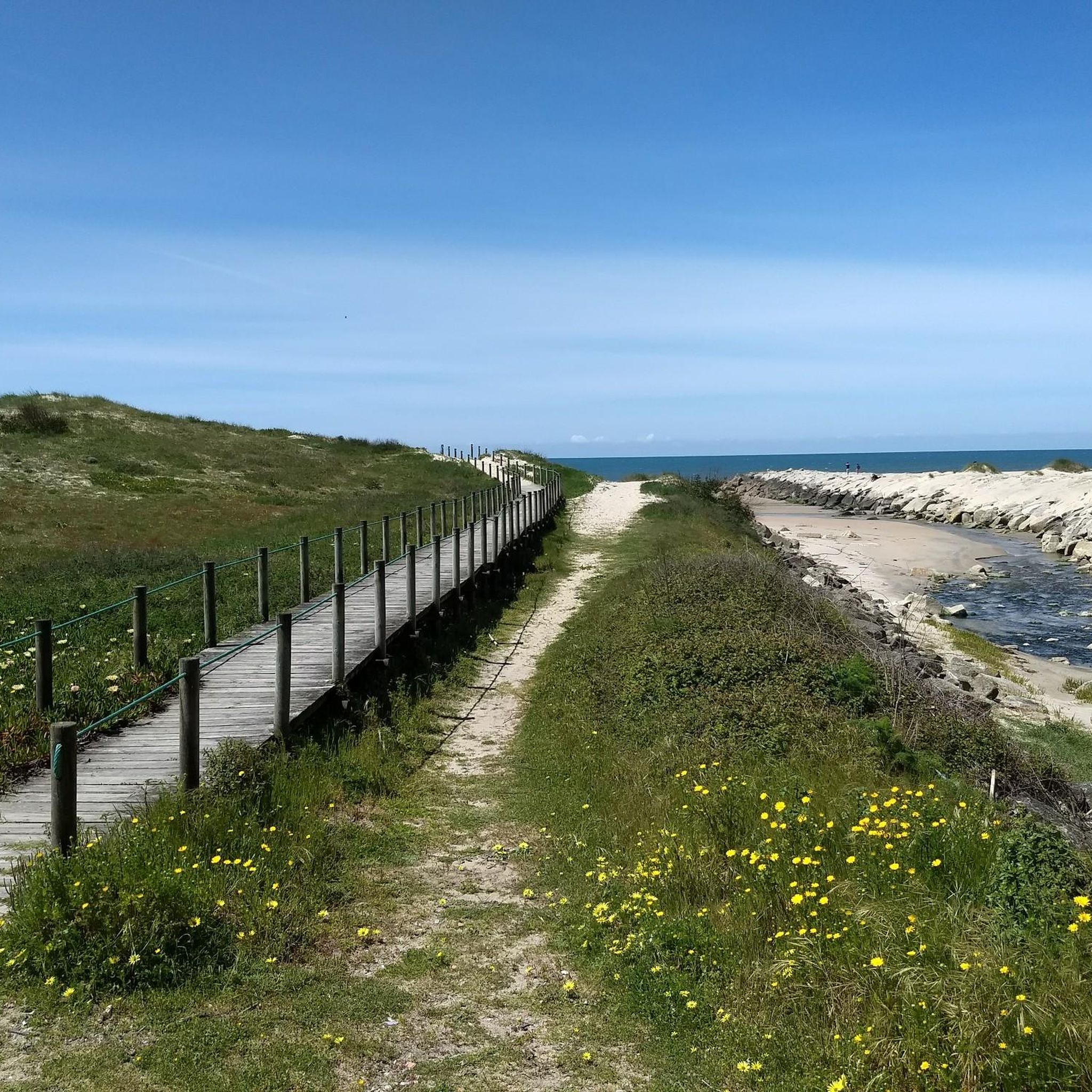
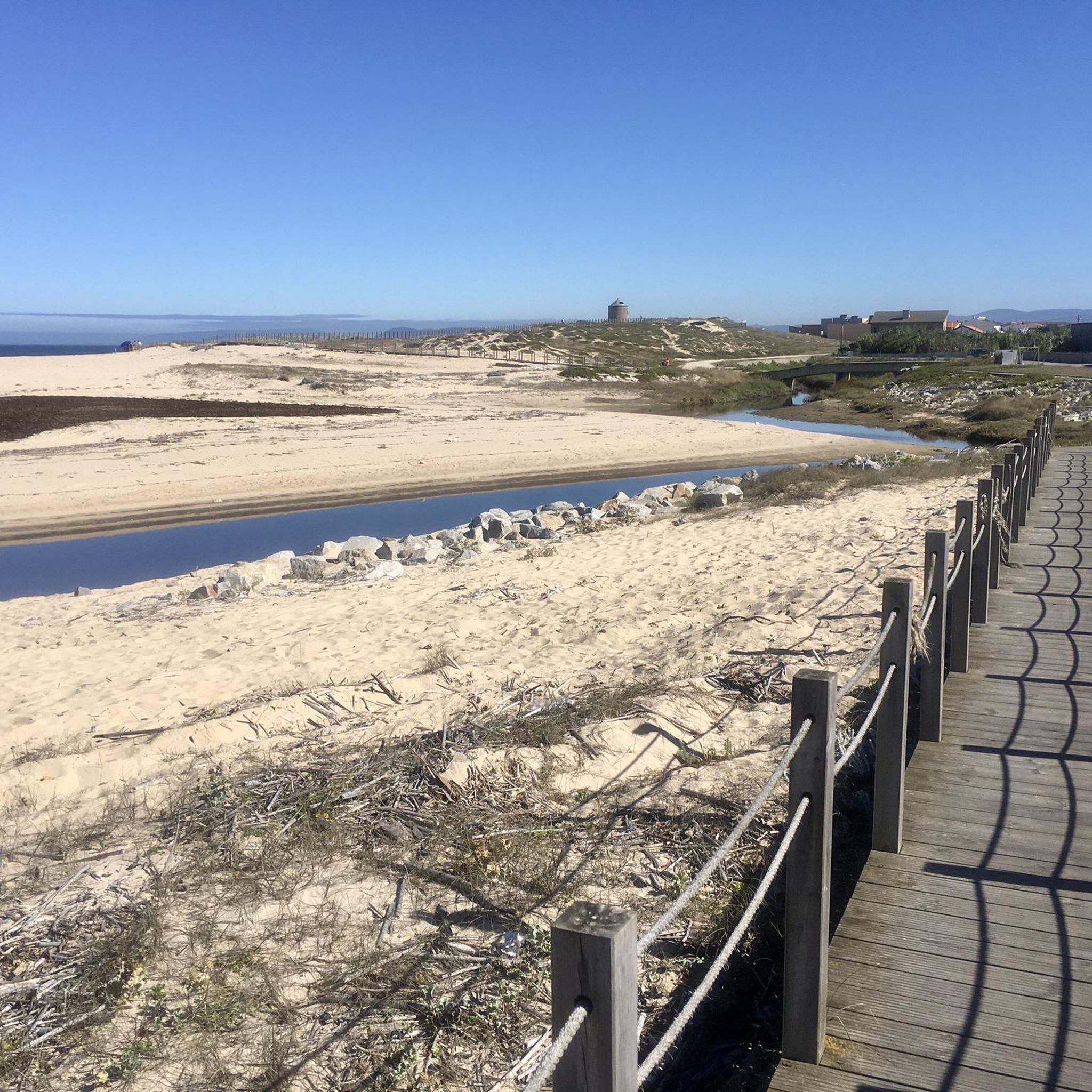
- The most popular attractions is Wooden Boardwalk Along the Atlantic Coast, a trail that offers endless boardwalks along the…
Last updated: June 18, 2026
Wooden Boardwalk Along the Atlantic Coast
Highlight • Trail
Translated by Google •
Tip by

Aguçadoura Beach Mill
Highlight • Monument
Translated by Google •
Tip by
Sign up now to discover places like this
Get recommendations on the best single tracks, peaks, & plenty of other exciting outdoor places.
Sign up for free
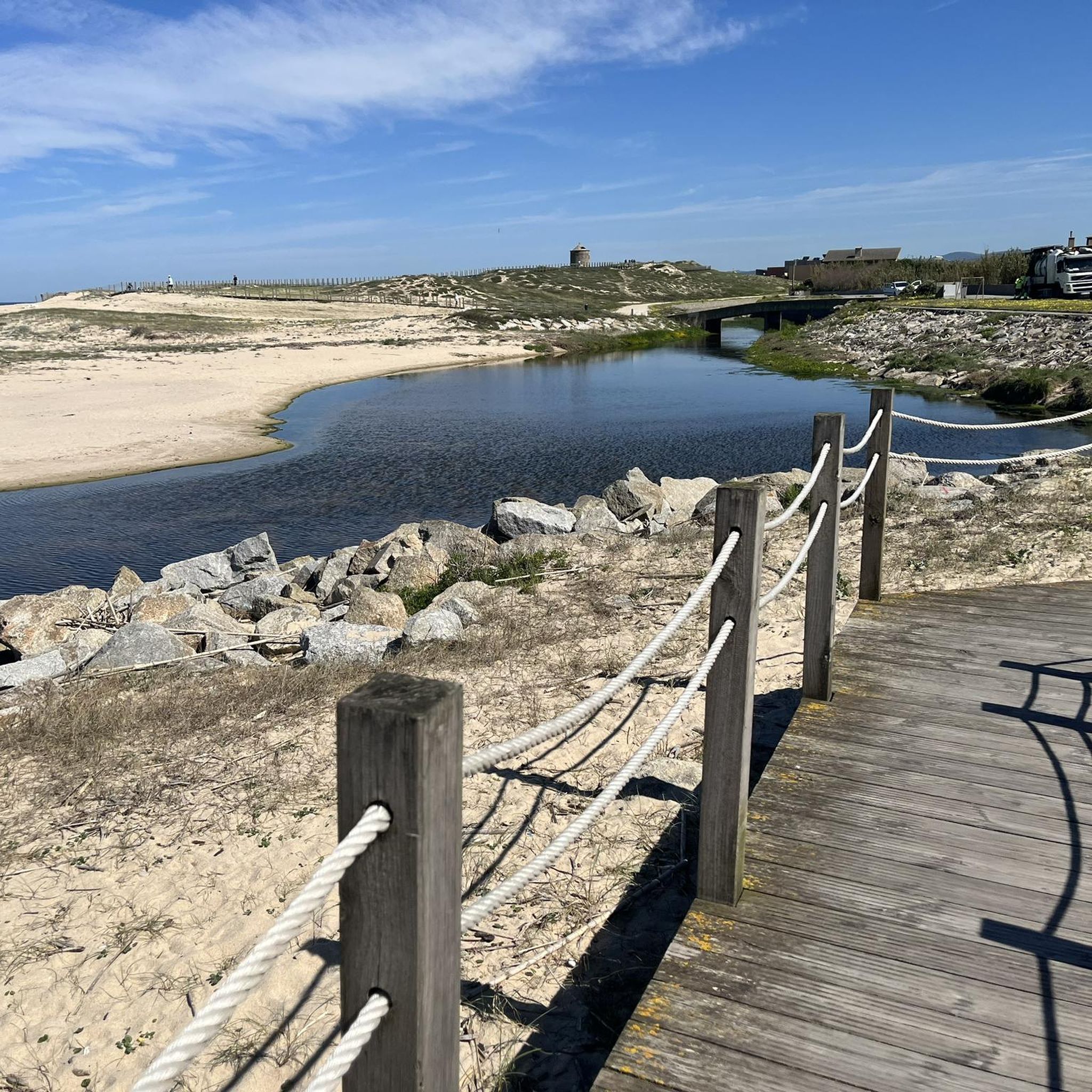
Fão Bridge
Highlight • Bridge
Translated by Google •
Tip by

São João Baptista Fort and Lighthouse, Esposende
Highlight • Historical Site
Translated by Google •
Tip by

Apúlia Church
Highlight • Religious Site
Translated by Google •
Tip by
Sign up for free to discover even more attractions around Cristelo.
Sign up for free
Already have an account?
Start today with a free account
Your next adventure awaits.
Login or Signup

Tips from the Community

Attention: You need to concentrate while walking here, as some planks are loose and can move upwards.
0
0

The Metal Bridge of Fão (Esposende) Location: It crosses the Cávado River, on National Road 13 (EN13), in the parish of Fão, in Esposende. Alternative Name: It is frequently referred to as the D. Luís Filipe Bridge. History: It is a significant example of iron architecture in Portugal, inaugurated on August 7, 1892. Characteristics: The bridge, which is a Property of Public Interest, has an extensive metal structure and has recently been rehabilitated.
2
0
In Esposende, the main historical bridge that crosses the Cávado River is the Ponte Metálica de Fão, also known locally as Ponte D. Luís Filipe.
2
0
Visiting: The site has free entry and is accessible at any time, being a frequent landmark on cycling and hiking routes that connect Vila do Conde to Aguçadoura.
1
0
Status: The mill was recently recovered and restored, maintaining its traditional appearance. However, visitors note that the structure is currently surrounded by modern residential buildings.
1
0
The Aguçadoura Beach Windmill is a traditional windmill located in the parish of Aguçadoura, municipality of Póvoa de Varzim. It is considered a symbol of local history and identity, situated near the dune area and the beach boardwalks.
1
0

A spectacular walk overlooking the sea and smelling sargasso.
0
0

Beautiful beach to relax, windmills like everywhere in Portugal rustic
3
1
Frequently Asked Questions
What kind of attractions can I expect to find around Cristelo?
The Cristelo region offers a diverse range of attractions, including historical sites, religious buildings, and beautiful coastal features. You can explore ancient bridges like the Fão Bridge, coastal fortifications such as the São João Baptista Fort and Lighthouse, and unique structures like the Aguçadoura Beach Mill. The area also boasts scenic natural spots, including extensive boardwalks along the Atlantic coast.
Are there any notable natural attractions or scenic viewpoints near Cristelo?
Yes, the region offers several natural attractions and viewpoints. You can enjoy the Wooden Boardwalk Along the Atlantic Coast, which provides endless views of the ocean. The nearby Praia de Moledo offers long sandy beaches and views of the Forte Da Ínsua. Further inland, the region of Paredes de Coura, which includes a Cristelo locality, is known for the waterfalls and cascades of the Rio Coura and the biodiversity of the Corno do Bico Protected Landscape.
What historical landmarks can I visit in the Cristelo area?
The area is rich in historical landmarks. The Fão Bridge, a metal bridge from 1892 over the Cávado River, is a significant historical site. The São João Baptista Fort and Lighthouse in Esposende, built between 1669 and 1702, offers a glimpse into the region's defensive past. In Cristelo (Paredes de Coura), you can find the 19th-century Cruz dos Franceses, commemorating a battle during the Napoleonic invasions.
Are there family-friendly attractions suitable for children around Cristelo?
Many attractions around Cristelo are suitable for families. The Aguçadoura Beach Mill is a unique and interesting photo opportunity. Exploring the Wooden Boardwalk Along the Atlantic Coast can be an enjoyable activity for all ages. The Fão Bridge and the Apúlia Church are also considered family-friendly historical sites.
Where can I find historical religious sites in the Cristelo region?
The region features several historical religious sites. The Apúlia Church, first built during the Middle Ages and later restored, is a notable example with its distinctive crosses on the towers. In Cristelo (Paredes), you can find the Igreja, Salão Paroquial e Capela Mortuária, a local religious and community hub, and the 18th-century Via Sacra (Way of the Cross).
What outdoor activities can I do near these attractions?
The area around Cristelo is excellent for various outdoor activities. You can find numerous routes for running, gravel biking, and road cycling. For running, explore options like the Fão – Apúlia Windmills loop. Gravel biking enthusiasts can enjoy routes such as the Esposende Maritime Museum loop. Road cyclists have choices like the Famalicão Cycle Path loop. You can find more details on these activities and routes in the dedicated guides for Running Trails around Cristelo, Gravel biking around Cristelo, and Road Cycling Routes around Cristelo.
Are there hiking trails near Cristelo?
While the guide data focuses on running and cycling, the region around Cristelo, particularly in areas like Paredes de Coura, is known for its natural beauty and hiking opportunities. The Corno do Bico Protected Landscape offers rich biodiversity and trails leading to viewpoints and hidden waterfalls along the Coura river. The Running Trails around Cristelo guide also features routes that can be adapted for hiking.
What is the best time of year to visit Cristelo for outdoor activities?
The coastal areas around Cristelo generally experience mild temperatures, making outdoor activities pleasant for much of the year. Spring (April-June) and early autumn (September-October) often offer comfortable weather for exploring the boardwalks, historical sites, and engaging in activities like running or cycling, avoiding the peak heat of summer and the cooler, wetter winter months.
What do visitors enjoy the most about the attractions around Cristelo?
Visitors particularly enjoy the unique blend of coastal scenery and historical charm. The Wooden Boardwalk Along the Atlantic Coast is highly praised for its endless views and its role in coastal protection. The Aguçadoura Beach Mill is appreciated as a picturesque photo opportunity, especially for those on the Camino. The historical significance and architectural details of sites like the Apúlia Church and the Fão Bridge also receive positive feedback.
Are there any specific tips for visitors exploring the attractions around Cristelo?
When visiting coastal areas, be prepared for varying weather conditions, including sun and wind. For historical sites like the São João Baptista Fort, note that some structures might be in a state of abandonment, offering a raw historical experience. If you are following the Camino de Santiago, remember that some churches, like the Apúlia Church, offer credential stamps. Always check local opening hours for specific sites.
Can I find places for wild swimming near Cristelo?
While specific wild swimming spots are not detailed in the guide data, the region's natural features suggest possibilities. The nearby Praia de Moledo offers Atlantic beaches for swimming. Additionally, the Rio Coura, particularly in the Paredes de Coura area, features waterfalls and cascades, which might offer opportunities for refreshing dips in natural pools, though caution and local knowledge are always advised for wild swimming.
What cultural experiences can I have in the wider Cristelo region?
Beyond the immediate attractions, the wider region offers rich cultural experiences. If you venture towards Cristelo in Barcelos, you can explore the historic center of Barcelos, famous for the Barcelos Rooster legend, its ceramics, and the vibrant weekly Barcelos Market. This area provides a deeper dive into Portuguese folklore and craftsmanship.
Most popular attractions around Cristelo

Get inspired with the komoot mobile app


Explore more
Still not found the Highlight you’re looking for? See guides of the top attractions in other regions:
