The best road cycling routes around Oliveira
4.6
(62)
2,220
riders
68
rides
Road cycling around Oliveira offers a diverse landscape for riders. The region features routes that traverse river valleys, coastal areas, and historical towns. Terrain includes both flat sections and rolling hills, with some routes featuring significant elevation gain. This variety provides options for different fitness levels, from leisurely rides to more challenging ascents.
Best road cycling routes around Oliveira
- The most popular road cycling route is Barcelos Medieval Bridge – Fão Bridge loop from Barcelos, a 40.2 miles (64.8…
Last updated: October 20, 2026
108
riders
49.1km
02:10
380m
380m
Moderate road ride. Good fitness required. Mostly well-paved surfaces and easy to ride.
1.0
(1)
86
riders
93.6km
04:14
750m
750m
Moderate road ride. Good fitness required. Mostly well-paved surfaces and easy to ride.

41
riders
96.6km
04:18
920m
920m
Hard road ride. Very good fitness required. Some segments of this route may be unpaved and difficult to ride.
5.0
(1)
47
riders
59.5km
02:53
710m
710m
Moderate road ride. Good fitness required. Mostly well-paved surfaces and easy to ride.
34
riders
88.1km
03:55
710m
710m
Moderate road ride. Good fitness required. Mostly well-paved surfaces and easy to ride.
Get access to more routes and recommendations from other explorers.
Already have an account?
Our route recommendations are based on thousands of hikes, rides, and runs completed by other people on komoot.
Start today with a free account
Your next adventure awaits.

Tips from the Community

The Metal Bridge of Fão (Esposende) Location: It crosses the Cávado River, on National Road 13 (EN13), in the parish of Fão, in Esposende. Alternative Name: It is frequently referred to as the D. Luís Filipe Bridge. History: It is a significant example of iron architecture in Portugal, inaugurated on August 7, 1892. Characteristics: The bridge, which is a Property of Public Interest, has an extensive metal structure and has recently been rehabilitated.
2
0
In Esposende, the main historical bridge that crosses the Cávado River is the Ponte Metálica de Fão, also known locally as Ponte D. Luís Filipe.
2
0
Historic Center: Stroll along Rua Direita to find local crafts and the historic Torre do Cimo da Vila, which houses exhibitions on the evolution of the icon. Churches and Monuments: Visit the Igreja Matriz and the Igreja do Bom Jesus da Cruz, famous for its interior with tiles and gilded carvings. Events: During the summer months (June to September), live reenactments of the legend frequently take place next to the Cruzeiro do Galo. Gastronomy: Try the Barcelos cheese tarts at the A Colonial pastry shop.
1
0
Main Points Related to the Rooster Cruzeiro do Senhor do Galo: 14th-century monument located in the Archaeological Museum of Barcelos (ruins of the Palace of the Counts), where the legend is carved in stone. Giant Rooster: Emblematic statue located in front of the Pottery Museum, ideal for photographs. Urban Art: Dozens of colorful, large-scale rooster statues are scattered throughout the streets and gardens of the historic center.
1
0
The Rooster of Barcelos is the symbol of Portugal, originating from a medieval legend about a pilgrim saved from the gallows by the miraculous crowing of a roasted rooster. In 2025, the city of Barcelos offers several places to explore this heritage.
1
0
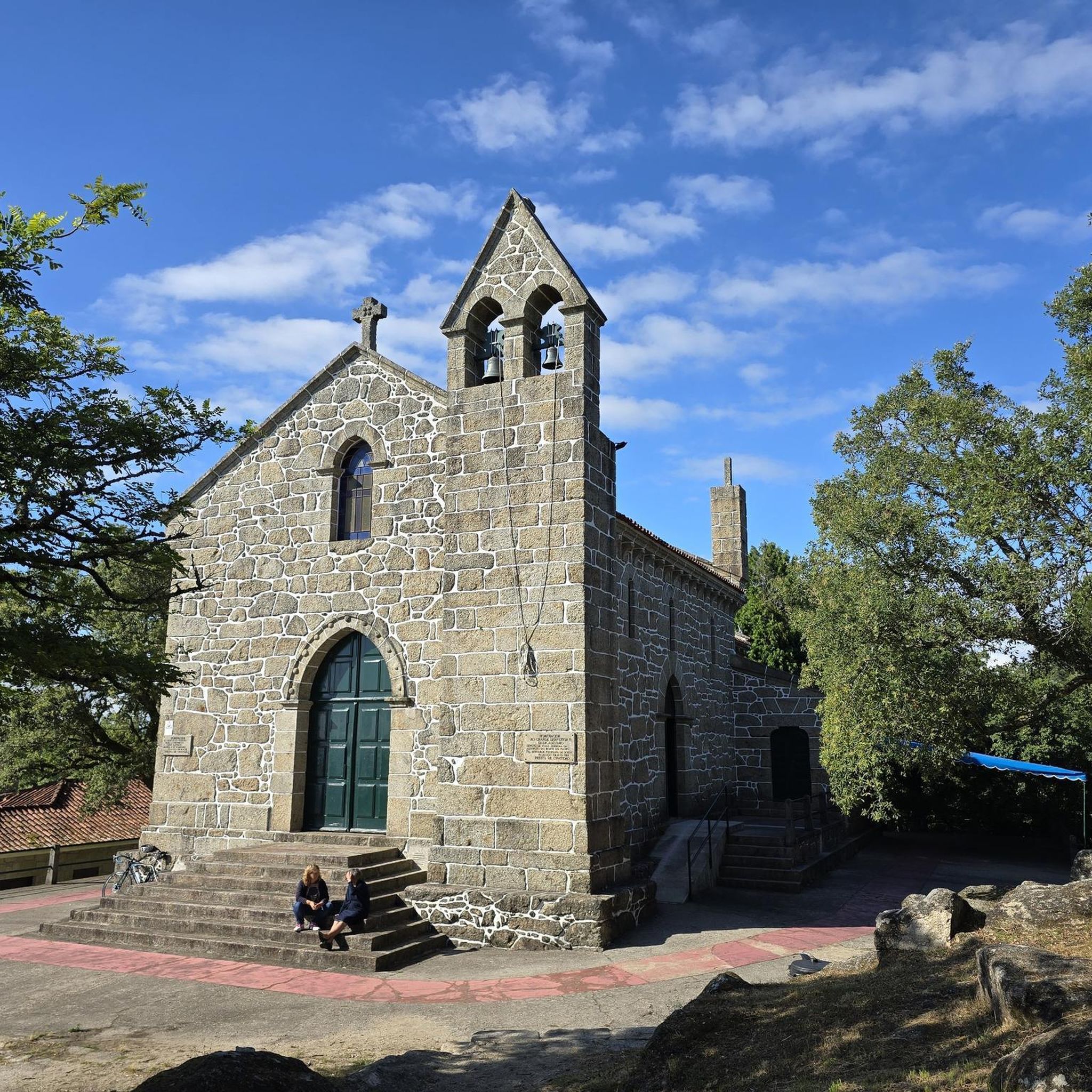
The church is an active place of worship, with regular opening hours for visitors and worshippers. Location: Rua da Igreja, 4480-754 Vila do Conde, Portugal. Opening Hours: Daily (Monday to Sunday): 9:30 AM to 12:00 PM and 3:00 PM to 7:30 PM. Masses: For accurate information on Mass times, it is recommended to visit the parish's official website or call directly, as times may vary. Accessibility: The church has wheelchair accessible entrance and parking.
1
0
Architecture and History Construction of the church began in the last years of the 15th century, by order of King Manuel I. The architectural design combines elements of Gothic and Renaissance architecture, in addition to the predominant Manueline style, especially evident in its magnificently sculpted main portal. The interior has beautiful stained glass windows and altars with gilded carvings, which are worth a detailed visit. The church is located on top of a hill where the original Monastery of Santa Clara and the old parish church were situated.
1
0
The Church of St. John the Baptist of Vila do Conde, also known as the Parish Church of Vila do Conde, is one of the city's most important monuments and one of the most significant examples of the Manueline style (late Portuguese Gothic) in the country. It was classified as a National Monument in 1910.
1
0
Frequently Asked Questions
How many road cycling routes are available around Oliveira?
There are over 75 road cycling routes around Oliveira, offering a wide range of options for different skill levels and preferences. The region features routes that traverse river valleys, coastal areas, and historical towns.
Are there easy road bike trails for beginners in Oliveira?
Yes, Oliveira offers a few easy road bike trails suitable for beginners. These routes typically feature flatter sections and less elevation gain, allowing for a more relaxed ride. While specific easy routes aren't highlighted in the intro, the region's diverse terrain ensures options for all levels.
What are some challenging road bike routes with significant elevation gain in Oliveira?
For those seeking a challenge, Oliveira provides routes with significant elevation gain. An example is the Eiffel Bridge – Eiffel Bridge (Ponte Eiffel) loop from Barcelos, which covers nearly 97 km with over 900 meters of ascent. This route is rated as difficult and offers a demanding experience for experienced cyclists.
Are there any scenic road bike routes with viewpoints in Oliveira?
Many routes in Oliveira offer scenic views, particularly those along coastal stretches or river valleys. While specific viewpoints aren't detailed for every route, the View of Esposende – Café by the Sea in Esposende loop from Silva is known for its coastal vistas and opportunities for seaside stops, providing picturesque scenery.
What kind of terrain can I expect on road cycling routes in Oliveira?
The road cycling routes in Oliveira feature diverse terrain. You can expect a mix of flat sections, rolling hills, and some routes with significant elevation gain. The landscape includes river valleys, coastal areas, and paths through historical towns, providing varied riding experiences.
Are there any loop routes for road cycling around Oliveira?
Yes, Oliveira has several excellent loop routes. Popular options include the Barcelos Medieval Bridge – Fão Bridge loop from Barcelos and the Fão Bridge – Paço dos Condes de Barcelos loop from Barcelos, both offering circular journeys through the region's landscapes and past historical sites.
What do other road cyclists say about the routes in Oliveira?
The road cycling routes in Oliveira are highly rated by the komoot community, with an average score of 4.5 stars from over 50 reviews. Cyclists often praise the varied terrain, which includes river valleys, coastal stretches, and historical townscapes, catering to different preferences and fitness levels.
What historical landmarks can I see along road cycling routes in Oliveira?
Road cycling routes in Oliveira often pass by significant historical landmarks. For instance, the Barcelos Medieval Bridge – Fão Bridge loop from Barcelos offers views of historical bridges. Other notable attractions in the wider region include the Barcelos Medieval Bridge itself, the Barcelos Rooster statue, and the Raio Palace.
Are there routes that explore the city center of Barcelos?
Yes, some routes provide access to or pass near the Barcelos city centre, allowing cyclists to experience the historical heart of the town. These routes often combine natural landscapes with urban exploration, offering a diverse cycling experience.
What is the longest road cycling route available in Oliveira?
One of the longer and more challenging routes is the Eiffel Bridge – Eiffel Bridge (Ponte Eiffel) loop from Barcelos, which spans approximately 96.7 kilometers. This route is ideal for cyclists looking for a full day's ride with substantial distance and elevation.
Can I find routes that combine riverine landscapes with historical sites?
Absolutely. The Fão Bridge – Paço dos Condes de Barcelos loop from Barcelos is a prime example, leading through beautiful riverine landscapes and past various historical landmarks, offering a rich cultural and scenic experience.
Are there any routes that pass by the Porta Nova Tower?
Yes, the Barcelos Medieval Bridge – Porta Nova Tower loop from Silva is a route that includes the Porta Nova Tower, allowing cyclists to see this historical structure as part of their ride.
Most popular attractions around Oliveira

Get inspired with the komoot mobile app


Explore more
Browse the best Road cycling routes in other regions.
